



17 November 2025
Best Christmas markets

Twinkling lights, historic backdrops and rows of local stalls set the scene for the best Christmas markets, where seasonal treats, handcrafts and shared moments create easy ways to feel festive.
What makes a market stand out
Atmosphere and setting matter most. Markets on castle grounds, in old town squares or inside themed parks offer a sense of place that turns a visit into an event. Variety keeps energy high, from food and drink to artisan crafts and small performances that invite lingering at a stall. Practical features count too, such as clear opening dates, easy transport links and covered areas for colder weather. Family suitability is key for many visitors, so look for programmed workshops, skating rinks and Santa appearances that structure a day for children as well as adults.
Snapshot of standout markets
Nuremberg — landmark stalls and traditional gingerbread in a compact, atmospheric square.
Dresden — historic setting with elaborate nativity displays and large craft halls.
Cologne — riverside location, cathedral views and a wide range of culinary stalls.
Strasbourg — storybook streets, strong craft tradition and evening illuminations.
Vienna — elegant markets around palaces, classical music and curated gifts.
Tallinn — medieval town square with local artisans and intimate scale.
Stockholm — design-forward stalls and family-friendly programming in several neighbourhoods.
How guides pick the best markets
User votes and reader polls often surface popular favourites, while editorial lists balance historical importance, crowd appeal and the breadth of activities on offer. Practical criteria frequently decide the final shortlist: duration of the market, transport access, family facilities and whether special events are scheduled. Many guides also highlight unique experiences, such as themed weekends or sustainability initiatives that appeal to specific visitors.
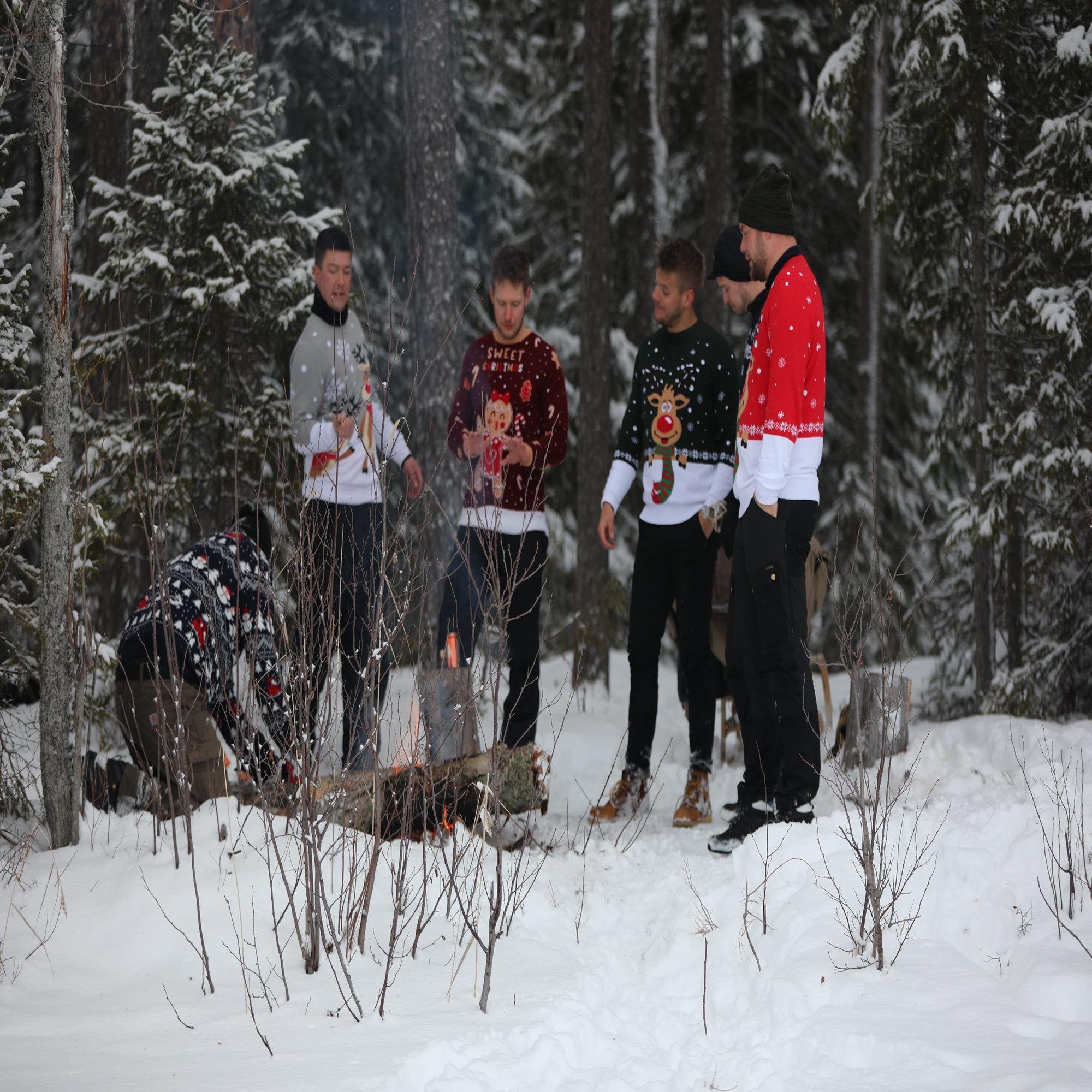
For families planning a day out, packing a few practical items helps, and wearing a festive jumper can add to the fun. If you want matching looks for children, consider a kids Christmas sweater to make photos and moments more cohesive. For playful group outings, an ugly Christmas sweater often becomes the conversation starter at a market stall.
Whether you choose a bustling city fair or a smaller historic market, the best Christmas markets combine a memorable setting, diverse offerings and clear practical information so you can focus on enjoying seasonal treats and making lasting memories.
Tivoli gardens
Typical season: November–December, with exact dates published annually by the venue. Highlights: Large illuminated displays, evening rides and a varied selection of food stalls that keep the atmosphere lively after dark. Access: Central city location with strong public transport links and pedestrian approaches; expect crowded evenings and plan extra time for queues.
Den Gamle By
Typical season: November–December, often concentrated on weekends with special programming. Highlights: Period streetscapes, craft demonstrations and themed workshops tailored to younger visitors. Access: Located near major cultural hubs and reachable by public transport; event schedules make it easy to plan a family visit around school hours.
Egeskov castle
Typical season: Select weekends in November and a longer run through December in some years. Highlights: Market stalls on castle grounds, children’s activities and theatrical shows that suit a full afternoon visit. Access: Usually reached by car from nearby towns, with on-site parking and shuttle options during busy weekends.
City centre markets
Typical season: Late November through December, many markets open daily or concentrate activity on weekends. Highlights: Compact layouts that allow easy walking circuits, a focus on artisanal gifts and street-food vendors that invite sampling. Access: Central locations with excellent public transport; keep stroller routes and congestion in mind when choosing a time to visit.
Odense market
Typical season: November–December with a mix of midweek and weekend events. Highlights: Story-led programming and craft stalls positioned near museums and performance spaces. Access: Central transport connections make it straightforward to combine a market visit with cultural attractions.
Notable regional and smaller markets
Typical season: Varied, from single weekend events to month-long festivals. Highlights: Local artisan presence, smaller crowds and charming town centres that encourage relaxed shopping and family-friendly pacing. Access: Many of these markets are best reached by car or local bus services; check parking and shuttle arrangements in advance.
Common formats and practical checklist
Typical features across the best christmas markets include skating rinks, live music and hands-on children’s workshops that add structure to a day out. For practical planning, use this checklist to compare markets before you go:
- Exact calendar and dates: Check official venue pages for current-season updates.
- Opening hours: Note differences between weekday afternoons and evening light shows.
- Entry conditions: Many central markets are free; special attractions may require tickets.
- Transport options: Identify nearest stops and any shuttle or parking arrangements.
- Family facilities: Look for toilets, cloakrooms and stroller-friendly routes.
- Weather readiness: Plan layered clothing and waterproof outerwear for unpredictable winter conditions.
How to time your visit?
Typical strategy: Arrive mid-afternoon for family-focused activities and stay into early evening to see light displays at their best. Weekdays tend to offer shorter lines and quieter browsing, while weekends deliver fuller programming and larger crowds. Allocate 1–2 hours for small town markets and at least half a day for major parks or castle events.
Practical shopping tip
Bring a compact shopping strategy: prioritize unique gifts first, then sample food stalls. If you plan coordinated outfits for photos or themed outings, pack a spare layer such as a Christmas sweater or choose matching pieces for children. For coordinated family looks, consider a kids christmas sweater that complements adult choices and makes group photos feel cohesive.
Further reading and resources
Typical sources for up-to-date calendars and ticketing information are venue websites and municipal event pages. For ideas on festive apparel to wear to a market visit, browse collections of Christmas sweater options and children’s designs to find styles that suit your group.
Planning your visit to the best christmas markets
Arrive with a loose plan and let the market set its own pace. Aim to be there in mid-afternoon if you want workshops, daytime music and the smell of fresh baking, then stay into early evening when lights glow and carols seem to wrap the square in warmth. If you prefer a quieter experience, choose a weekday afternoon; if you love bustle and full programming, pick a weekend. Small town markets reward slow wandering and intentional purchases, while grand parks or castle grounds can easily fill half a day.
Timing and rhythms for different experiences
Early evening is unbeatable for illuminated displays and a festive soundtrack of choirs and brass bands. Afternoons are better for hands-on activities and shorter queues at food stalls. For castle markets, plan travel and parking time, and check whether shuttle buses run on busy days. Allocate one to two hours for intimate town markets, and at least four hours for large venues that host shows and skating rinks.
Practical logistics and accessibility
Public transport usually makes city-centre markets the easiest to reach, but be prepared for crowded platforms at peak times. Castle and park venues often have limited parking and specific drop-off points, so review parking info ahead of time. Watch for cobbled streets and uneven ground; many markets provide ramps and temporary walkways, but stroller and wheelchair access can still vary. On arrival, look for cloakrooms, heated seating zones and family rooms to warm up and regroup.
Food, shopping and realistic budgets
Markets offer hot drinks that bring relief on cold days, from mulled wine to steaming hot cocoa, alongside regional treats that carry the scent of spice and roasted sugar. Balance sampling with shopping by picking one or two stalls for unique gifts first, then returning for food. Typical spending per person depends on appetite and impulse buys; plan a modest budget for snacks and a separate amount for handcrafted gifts. If you plan coordinated outfits for photos, bring a spare layer such as a cosy christmas sweater or pack matching christmas pajamas for relaxed, festive portraits at the market.
Weather and safety reminders
Danish winter weather means cold air, occasional sleet and brisk winds near open waterfront markets, so dress in layers and wear waterproof outerwear. Keep valuables secure in zipped pockets, and consider a small bag that sits close to your body when crowds swell. For busy markets, agree on a meeting point and time in case mobile signals falter or groups want to split up to browse.
Choose the right market for your interests
Pick a market by the experience you want: large illuminated parks for theatrical displays, living-history sites for traditional crafts and castle grounds for family shows and storytelling. Smaller town markets are ideal for relaxed gift hunting and local specialities. If sustainability matters, seek markets that advertise local producers and eco-friendly vendors.
What to expect from seasonal programming
Regular features include choirs, small concerts, craft demonstrations and skating rinks that add rhythm to a visit. Special events range from lantern parades to themed weekends that celebrate regional food or historical anniversaries. For group visits, check whether larger venues offer private booking options or guided tours that include artisan introductions and reserved seating.
Frequently asked questions
When do the best christmas markets open and close?
Most run from late November through December, though some begin in mid-November and others close before New Year. Exact dates change annually, so check official venue pages for this season’s calendar.
Do christmas markets usually charge admission?
Many city-centre markets are free to enter. Themed parks, historic venues or special events may require tickets, especially for evening shows or skating sessions.
Are markets family-friendly and suitable for children?
Yes, many markets offer workshops, Santa visits and skating rinks. Look at each market’s program to find scheduled activities that match your timing and interests.
How can I find accurate dates and opening hours?
Official venue websites and municipal tourism pages publish up-to-date calendars and ticketing information. Checking these sources avoids surprises on arrival.
What accessibility and weather considerations should I plan for?
Expect cold and possibly wet conditions; dress in layers and waterproof outerwear. Review accessibility details for uneven surfaces, ramps and heated areas, and plan routes that suit mobility needs.
Also view
15 January 2026
Picture a small family movie night by the tree: soft lights, low conversation and a stack of options for christmas movie recommendatio...