
23 January 2026
Christmas dress patterns to sew for cozy holiday looks

Sewing a holiday dress gives you control over fit, fabric and seasonal details so you can make comfortable outfits that suit your plans. Choose a pattern that balances ease and shaping and pick fabrics that match the silhouette you want, whether you aim for relaxed loungewear or a smarter party option.
Definition and scope
Here, christmas dress patterns covers printable PDF and paper sewing patterns, common dress types and simple modifications to make them feel festive. Think basic shift, fit and flare, wrap and knit dress templates plus add ons such as collars, ruffles or trim. These approaches let you adapt a general pattern for holiday wear without buying a finished garment.
Who this is for
If you are a beginner you can tackle a straight shift or a loose knit; if you are intermediate you may prefer a fit and flare with an invisible zipper; if you alter ready to wear silhouettes you will find small pattern tweaks useful. You can also combine a handmade dress with a classic Christmas sweater for layered family photos or casual gatherings.
Quick overview of what follows
The rest of this post looks at common pattern styles, suitable fabrics and simple construction steps, plus practical tips for yardage, notions and timing. For inspiration on novelty accents and playful combinations see the selection of ugly Christmas sweater ideas and the range of Christmas dress styles to spark your next sewing project.
Observed market emphasis
Many seasonal listings highlight finished garments and novelty prints more than step-by-step pattern resources, so makers often adapt basic templates to get a holiday-ready result. If you prefer browsing ready garments for reference, take a look at the christmas dresses collection for styling cues and silhouettes you can reproduce at home.
Common silhouettes for holiday dresses
Fit-and-flare designs remain popular for party wear because a defined waist and fuller skirt allow room for movement and easy embellishment. Shift or sheath shapes are efficient for quick sewing and pair well with layered pieces. Wrap and faux-wrap options provide adjustable fit and work well over a warm layer. Sweater and knit dresses offer stretch and simple construction when stabilized correctly. Tea-length and midi proportions suit vintage-inspired looks while pinafores are ideal for playful layering over blouses or pajamas.
Typical festive details and embellishments
Small changes make a pattern feel seasonal without major reconstruction. Consider adding a peter pan collar or a modest statement neckline, switching sleeve shapes to include gathered or puff options, and introducing pleats or gathered skirts for volume. Surface accents such as bias binding, piping, decorative buttons, appliqué or basic embroidery motifs give a handmade touch. For closures choose between invisible zips, center-back zips or buttoned and tied wraps depending on the pattern.
Favored fabrics and prints for holiday sewing
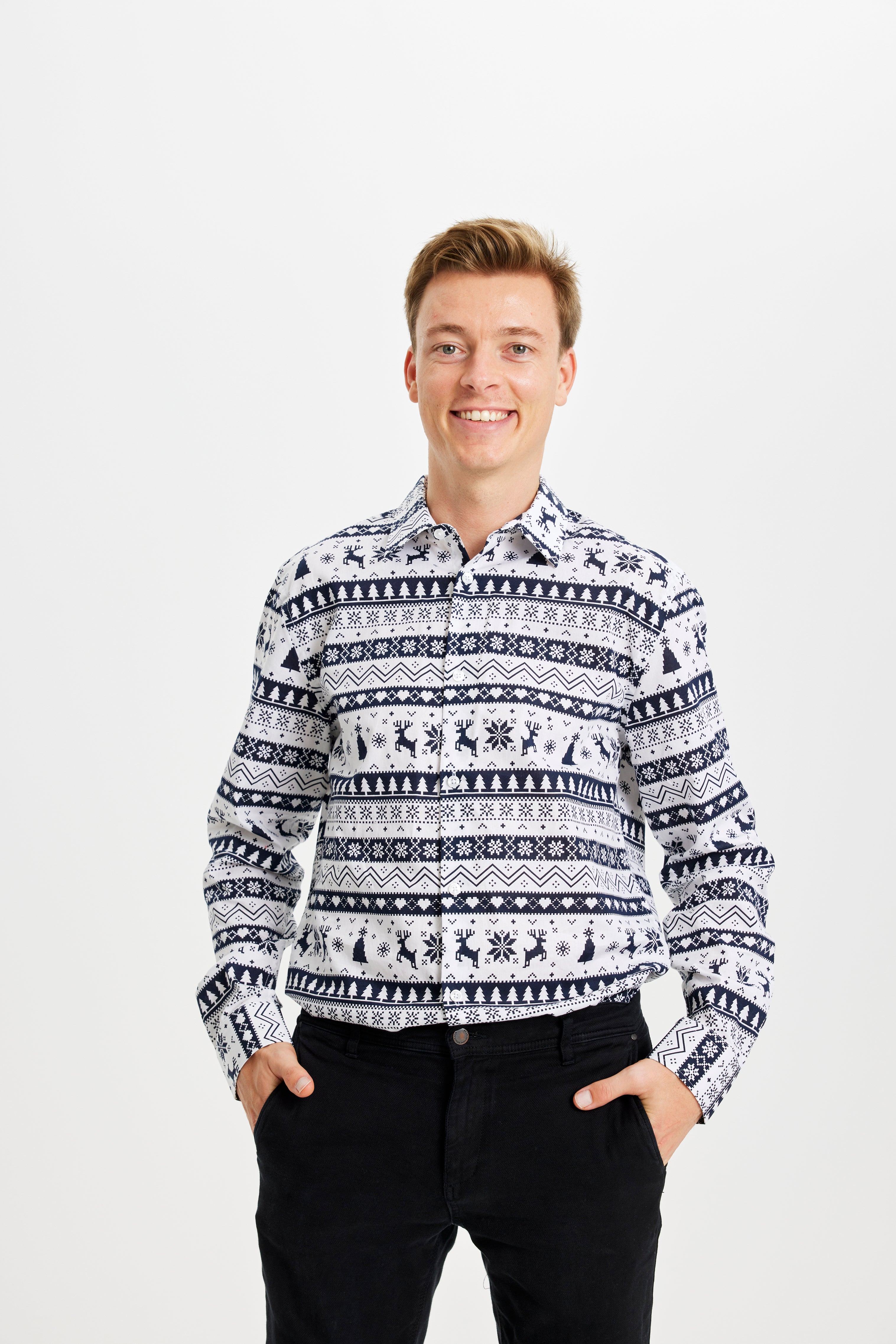
Select fabrics that support the silhouette and allow the details to read well. Heavier wovens add structure to fit-and-flare dresses while stable knits simplify finishing for sweater-dress designs. Prints like tartan, fair isle–style panels, small-scale novelty motifs and gingham work well at different scales; metallic accents can highlight trims. For lined garments add appropriate interfacings at necklines and waistlines to keep shapes crisp.
Pattern formats, measurement and complexity levels
Patterns come as downloadable PDF files or as printed tissue. PDF files require correct printing and assembly or a print-shop wide-format output, while printed patterns omit that step. Check the pattern measurement chart carefully and compare it to your own measurements for bust, waist, hip, high bust and back waist length before cutting. Expect beginner patterns to feature loose shapes and minimal closures, intermediate patterns to include darts and invisible zippers, and advanced patterns to introduce complex sleeves or tailored bodices.
Practical data points for planning a sewing project
Estimate yardage conservatively for fuller skirts and lower for simple shifts. Typical notions and tools to gather include thread that matches fabric weight, invisible or regular zippers, hook-and-eye fastenings, fusible interfacing for neck facings, stabilizers for knit shoulders and pressing tools. A walking foot helps with multiple layers and knits. Time investment varies: quick makes can take 2 to 4 hours, standard projects 6 to 12 hours and complex dresses 12 hours or more. For extra reference on coordinated outfits, pairing your handmade dress with a ready knit can be helpful, see the christmas sweater selection.
Care and durability considerations
Plan finishes that extend garment life. Use neat seam finishes such as serging, bound seams or a Hong Kong finish where appropriate. Reinforce stress points at waistbands and pocket openings and under-stitch facings at necklines to prevent roll. Follow fabric care recommendations when deciding whether to add a lining, since lined pieces often tolerate more structured pressing and repeated wear.
Pattern selection checklist
When you choose a pattern for christmas dress patterns, think about how the garment will be used and how it should feel against your skin. The following checklist helps you avoid surprises at the cutting table while keeping the process calm and cozy.
- Confirm silhouette matches intended use. Party dresses need shaping, loungewear benefits from ease.
- Match fabric weight and drape to the pattern recommendations. Velvet or wool blends require different handling than cotton lawn.
- Compare personal measurements to the pattern size and mark any adjustments before you cut fabric.
- Check required notions and tools before cutting fabric. Have interfacing, zipper type and needles ready.
- Consider adding a lining for warmth and a neater finish if you plan long evenings by the tree.
Simple pattern adaptations for festive flair
Small changes can transform a familiar shape into something that feels like holiday tradition. Add a peter pan collar or a modest trim band to the bodice for a vintage touch. Swap straight sleeves for gathered or puff sleeves and finish cuffs with soft buttons to catch the light. Convert skirt lengths between mini and midi by adjusting hem allowances, and add a partial lining for extra warmth without bulk.
Three mini projects to try
These mini projects are designed for clear, comforting progress with sensory rewards: the smell of pressing steam, the gentle weight of good fabric and the quiet of a finished hem.
Project A — Easy festive shift
Materials: Lightweight cotton or sateen, 2–2.5 m. Lining optional, 1 m. Time: 3–5 hours. Key steps: Minimal darts, Straight hem, Simple neckline finish. This is a quick make that creases nicely when folded into a gift bag.
Project B — Fit-and-flare party dress
Materials: Medium-weight woven, 2.5–3.5 m, Interfacing, 22–25 cm invisible zipper. Time: 6–10 hours. Key steps: Bodice fitting, Skirt gathering or pleating, Zipper insertion. The skirt swishes as you move and pairs beautifully with a cozy knit.
Project C — Cozy knit sweater-dress
Materials: Stable knit, 1.8–2.2 m, Twin needle or coverstitch. Time: 4–8 hours. Key steps: Stabilizing shoulders, Using stretch stitches, Hemming knits. The finished dress holds warmth close and has a soft, worn-in feel after a gentle steam.
Fitting and finishing tips
Make a simple toile of the bodice to check bust point, waist alignment and shoulder slope before cutting into best fabric. For a full bust alteration ease the side seams and adjust darts rather than adding bulk. When working with knits, allow for negative ease and measure stretch percentage to ensure comfortable fit. Use neat seam finishes such as serging, bound seams or a Hong Kong finish to keep edges fresh after many wears. Under-stitch neck facings to stop roll and attach linings with a few hand stitches at seams for a quiet, invisible finish.
Styling, care and seasonal maintenance
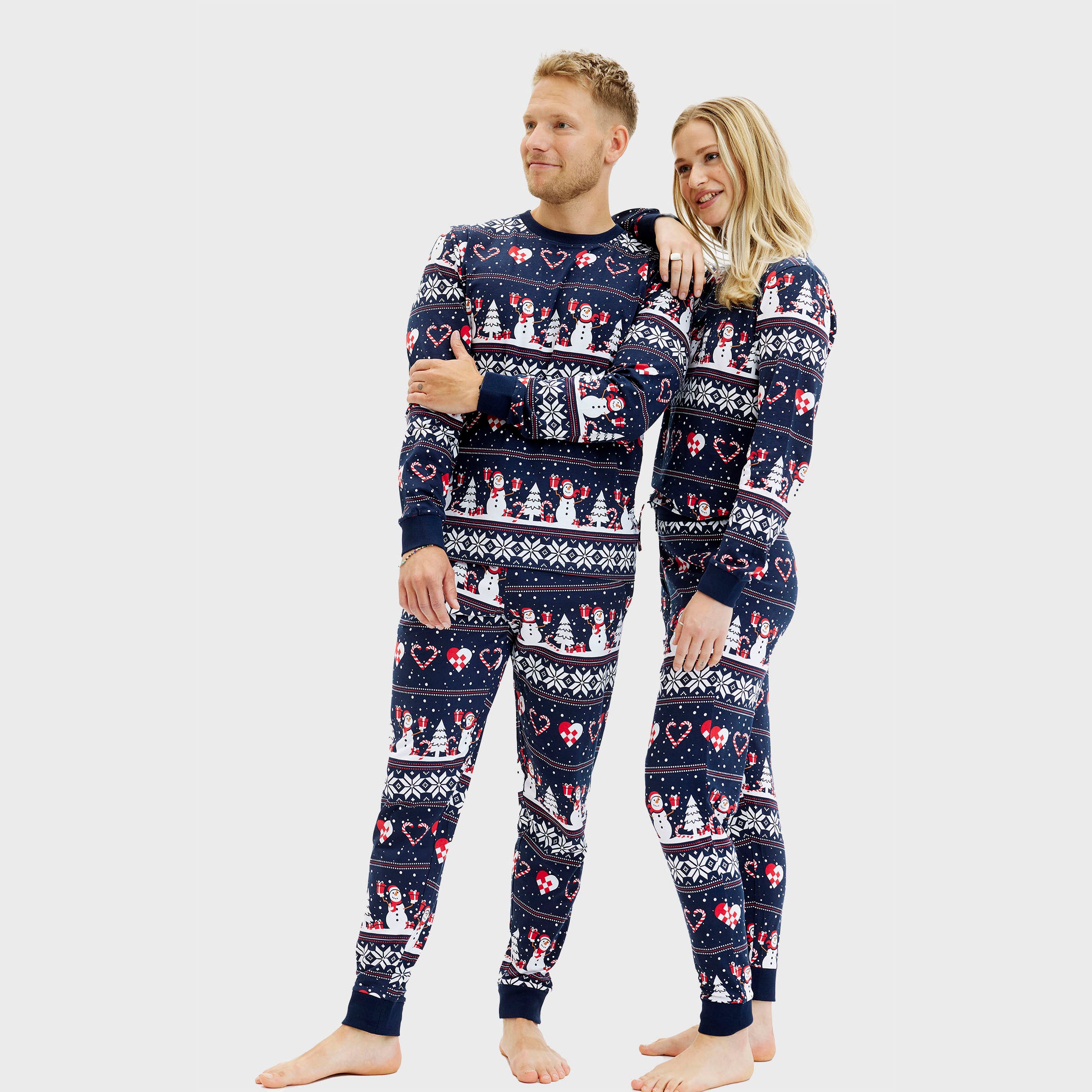
Layer a christmas dress with tights or a slip for added warmth, or pair it with a soft Christmas sweater for evenings by the fireplace. To protect embroidery or appliqué, fold delicate pieces and store them flat for short-term preservation, and hang structured wovens on padded hangers to keep shoulder shapes. For stains from holiday treats, treat spills promptly and follow the fabric’s care label to preserve texture and color.
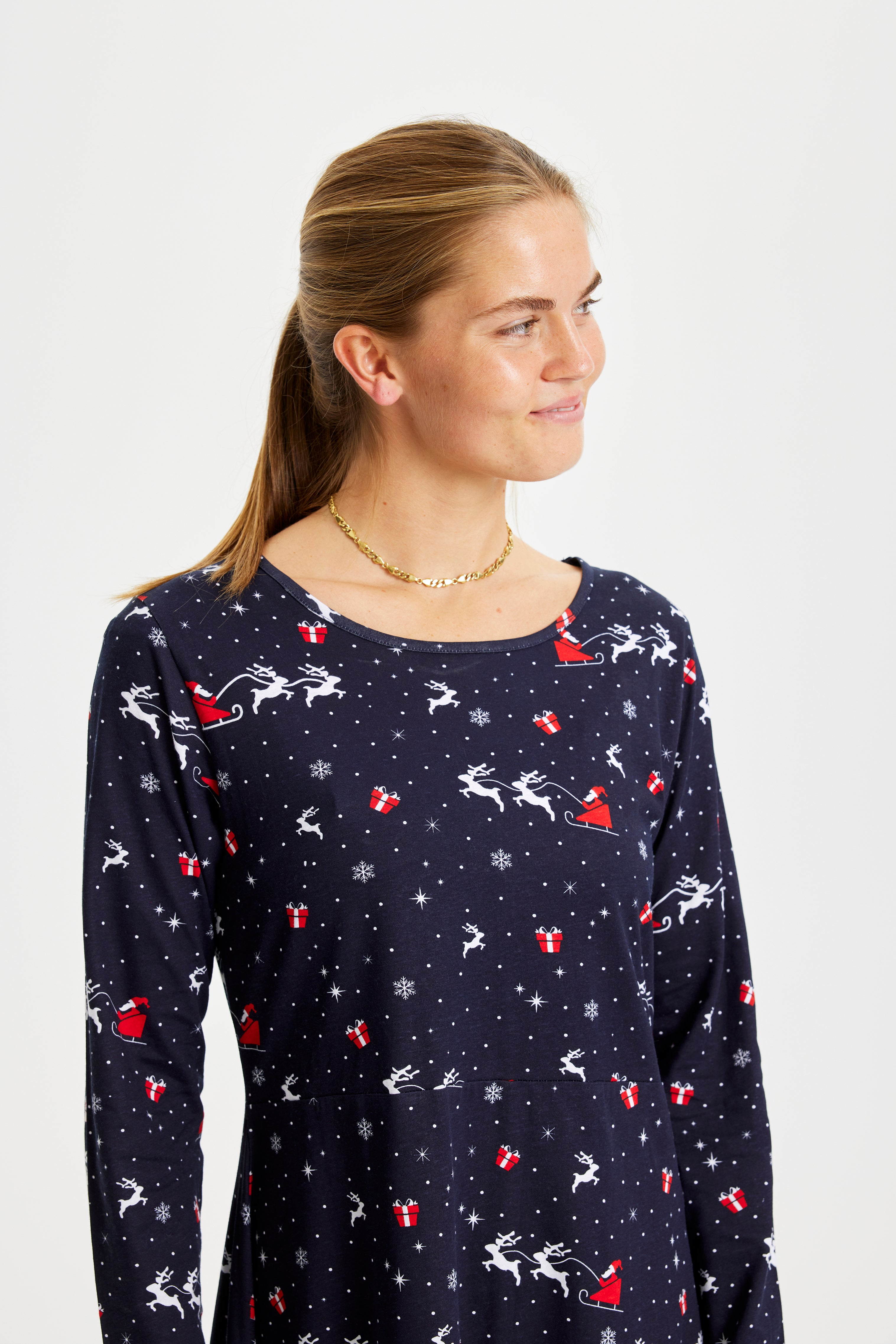
For outfit inspiration, consider browsing the selection of christmas dress styles and pairings to spark ideas that you can recreate with your chosen pattern. A warm layer such as a classic christmas sweater completes the look and adds tactile comfort.
Troubleshooting common problems
- Puckered seams: Check tension, use the correct needle, and press gently after sewing.
- Stretchy fabric distortion: Stabilize with stay tape and use a walking foot or stretch stitch.
- Visible seams on lightweight fabrics: Stay-stitch curves and use finer needles for smoother lines.
Frequently asked questions
What formats do christmas dress patterns come in and how do they differ?
PDF patterns are downloadable and require household printing and assembly or a print-shop wide-format output. Paper patterns arrive pre-printed on tissue and remove the assembly step, offering a ready-to-trace option.
How do I choose the right fabric for a specific dress pattern?
Match the fabric weight and drape to the pattern’s recommendations. Consider warmth, stretch and print scale relative to the garment proportions so trims and collars read clearly.
How much fabric will I need for a holiday dress?
Yardage depends on pattern style, size and fabric width. Use the pattern-provided yardage chart as your primary guide and allow extra for directional prints or matching plaids.
Can I convert a non-holiday dress pattern into a Christmas look?
Yes. Alter sleeve style, add trims or choose festive fabrics and finishes, while ensuring structural changes match the pattern’s ease and fabric behavior.
What are quick-sew options for beginners wanting a holiday dress?
Simple shifts, loose knit dresses and wrap-front designs with few closures are ideal beginner projects that still feel festive when finished.
How should I care for dresses made of velvet or wool blends?
Follow the fabric care label. Velvet often needs gentle hand-washing or dry-cleaning and careful steaming, while wool blends may require gentle washing or dry-cleaning and cool pressing with a cloth.
Also view

23 January 2026
People searching for christmas charity events near me are usually trying to find nearby holiday fundraisers, bazaars and community dri...