
22 December 2025
Christmas socks for toddlers that keep tiny feet cozy

Morning stockings, candid family photos and the slow, settled moments between activities make clear one thing: toddlers need Christmas socks that actually keep tiny feet warm and comfortable. Choosing socks that fit correctly, have flat seams and a reliable non-slip sole keeps little ones safe while letting them move freely during unwrapping and play. A well-made pair doubles as a stocking filler and as a dependable everyday item through the holiday week, so it pays to think beyond appearance and focus on fit and construction.
What this post covers
I will give a concise snapshot of the practical points you need: toddler sizing and how to measure, material choices and construction features to watch for, common holiday motifs and pack options suitable for family photos, plus essential care and safety tips and a short FAQ with concrete answers. For quick shopping, start by checking a curated range of christmas socks to see common styles and grips that work for walkers.
Why design and fit matter for toddlers
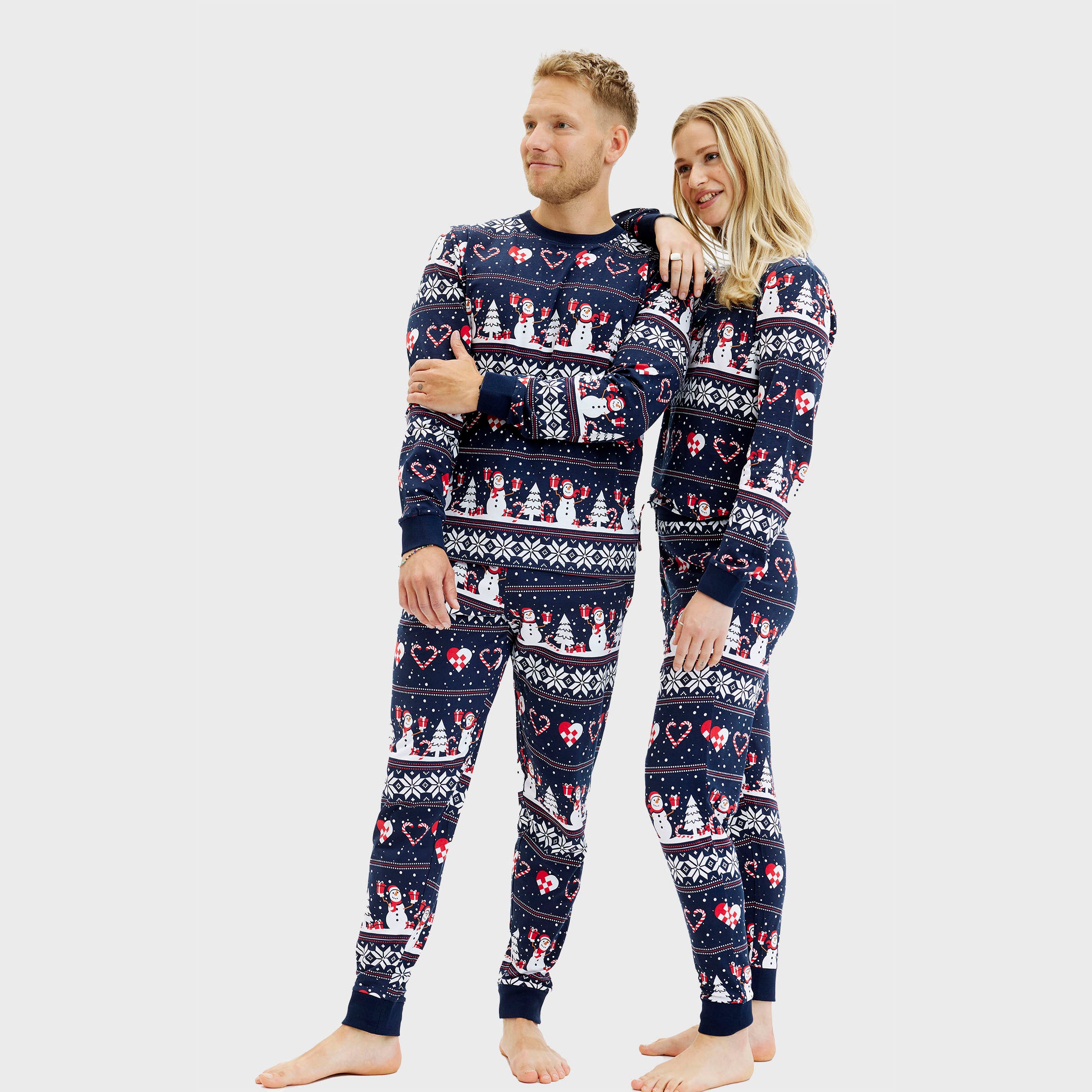
Correct size prevents bunching and lost socks during play, while a soft, high-cotton blend reduces irritation against delicate skin. Non-slip soles give confident first steps on smooth floors, and reinforced heels and toes extend wear across holiday activities. Decorations should be embroidered or printed rather than glued on to avoid detachment; when you coordinate outfits for photos, pairing socks with a christmas pajamas set or a tasteful kids christmas sweater keeps the look cohesive without compromising safety. Keep these basics in mind and you’ll have tiny feet that stay comfortable from stocking morning to bedtime.
Size guide for toddlers
Getting the fit right starts with a simple measurement: place the toddler’s foot flat and measure from heel to the longest toe in centimeters. Add a small allowance for growth and movement to avoid socks that feel tight during play.
- EU 17 — Approx. age 6 months — Foot length ~9.0 cm — Recommended allowance +1.0–1.5 cm
- EU 19 — Approx. age 9–12 months — Foot length ~10.5 cm — Recommended allowance +1.0–1.5 cm
- EU 21 — Approx. age 12–18 months — Foot length ~12.0 cm — Recommended allowance +1.0–1.5 cm
- EU 23 — Approx. age 18–24 months — Foot length ~13.5 cm — Recommended allowance +1.0–1.5 cm
- EU 25 — Approx. age 2–3 years — Foot length ~15.0 cm — Recommended allowance +1.0–1.5 cm
- EU 27–31 — Approx. age 3–5 years — Foot length ~16.5–19.0 cm — Recommended allowance +1.0–1.5 cm
Note: Measure both feet and use the larger measurement when choosing a size, since many toddlers have slight differences between left and right foot.
Materials and composition
Choose socks with a high cotton proportion for breathability and softness. A common and practical blend is 70% cotton, 25% polyester and 5% elastane, which balances natural feel, shape retention and stretch. Cotton-heavy socks are gentle on sensitive skin, while polyester and elastane add durability and help the cuff keep its shape.
Fleece-lined or fluffy options provide extra warmth when indoor temperatures drop, but bear in mind they can reduce breathability. Reserve thicker linings for very cold conditions or for use inside boots rather than during active indoor play. Look for fabrics certified to reduce chemical exposure; Oeko-Tex certification is a helpful indicator for skin safety.
Construction features that matter
Small details make a big difference in everyday performance. Reinforced heels and toes extend the life of socks where wear is greatest. Flat or seamless toe closures reduce rubbing and prevent irritation. Elastic cuffs should hold socks up without leaving deep marks on the calf.
- Non-slip soles: Silicone dots or textured grips improve traction on smooth floors for standing and walking toddlers.
- Decorations: Prefer embroidered or printed motifs over glued-on elements to avoid detachment and choking risk.
- Stretch balance: A little elastane helps socks stay in place but too much can restrict circulation.
Packs, motifs and suggested uses
Many families buy socks in small packs of two or three to mix motifs and ensure a spare pair. Classic holiday motifs include Santa, reindeer, stars, stripes and plaid; neutral festive colors work well for coordinated family photos. For outfit pairing, consider matching socks with a kids christmas sweater or soft christmas pajamas to create a cohesive look for pictures without compromising fit or safety.
Care and durability tips
Handle socks gently to keep them looking good through the holiday season. Turn socks inside out before washing to protect prints and grips. Wash at 30–40°C on a gentle cycle and avoid bleach. Air drying preserves elasticity; if you use a tumble dryer, choose a low-heat setting only when the care label allows.
Tip: Store small pairs together to avoid losing one sock from a set, and repair loose threads promptly to prevent further unraveling.
Safety reminders
Small attachments that can detach are a choking hazard, so avoid socks with loose beads or glued decorations. Ensure cuffs do not leave deep impressions that could affect circulation. Follow care label flammability guidance and avoid bulky loose garments over socks that might catch on nearby objects.
For quick shopping inspiration and a sense of common styles, browse a dedicated selection of christmas socks to compare grip types and motifs that work best for toddlers.
Choosing the right sock for the occasion
When the house smells of pine and warm baking, small decisions add up to a calm, festive morning. For everyday indoor wear, choose a cotton-rich pair that breathes, with a reinforced toe and a gentle cuff that stays up during play. The soft texture should feel like a warm hug around tiny toes, while non-slip grips give confident steps on wooden floors or tiled halls. For colder spells or outdoor quick trips to the carol singalong, a thicker knit or a fleece-lined option can be layered under boots to trap heat without crowding toes. For the photo-ready moments, pick decorative motifs that are embroidered or printed so they look charming and hold up to repeated wear. Wearing a cozy Christmas sweater or slipping into matching christmas pajamas adds an extra layer of comfort and a visual story to those framed memories.
Quick comparison checklist
- Size. Measure foot and add 1.0–1.5 cm allowance to allow for growth and movement.
- Material. Aim for 70% cotton or organic cotton for sensitive skin and breathability.
- Construction. Look for reinforced heel and toe, flat seams and a supportive cuff that is not too tight.
- Safety. Avoid detachable beads or glued decorations; choose non-slip soles for walkers.
- Care. Machine-washable at 30–40°C; air-dry when possible to preserve elasticity.
Which sock to pick by age and activity
Choosing by age and what the day holds keeps little feet happy and parents relaxed.
6–12 months. For early crawlers, pick cotton pairs with a low-profile cuff and soft seams that prevent rubbing. These should feel light and let skin breathe during long cuddle sessions on the sofa.
1–2 years. For first steps and toddling, non-slip soles are essential. Reinforced toes and heels add durability for playtime on the kitchen floor and in front of the fireplace. Make sure the fit allows natural movement without squeezing the foot.
3–5 years. For active toddlers who dash between rooms, consider slightly larger allowance for growth and thicker options for short outdoor stints. A reliable pair can be the one you reach for when everyone gathers for photos in matching outfits, complete with a kids christmas sweater for a coordinated look.
Frequently asked questions
How do I measure my toddler’s foot to choose the right sock size?
Place the foot flat on a hard surface and measure from the heel to the longest toe in centimeters. Add 1.0–1.5 cm allowance and compare with the EU size chart to pick the best fit.
What materials are best for toddler socks?
High-cotton content, around 70% or more, offers breathability and softness. A small percentage of elastane helps keep shape, and fleece or polyester blends are useful for extra warmth in very cold conditions.
Are non-slip soles necessary for toddlers?
Non-slip soles, such as silicone dots or textured grips, are recommended for toddlers who stand or walk indoors. They reduce the risk of slipping on smooth floors and support confident movement.
Can decorative elements on socks be a safety hazard?
Yes. Avoid socks with loose beads, glued-on attachments or small items that could detach. Embroidered or printed motifs are safer and more durable for busy holiday weeks.
How should I launder toddler Christmas socks to extend their life?
Turn socks inside out, wash at 30–40°C on a gentle cycle and avoid bleach. Air-dry when possible; use a low-heat tumble dry only if the care label permits. This keeps prints and elastic in better condition.
For a quick look at styles and grip options that suit different needs, browse our curated selection of christmas socks and consider pairing them with a soft kids christmas sweater for picture-perfect coziness. The right pair keeps tiny feet warm, safe and ready for every small moment of holiday magic.
Also view
15 January 2026
Picture a small family movie night by the tree: soft lights, low conversation and a stack of options for christmas movie recommendatio...