

18 December 2025
Christmas when should you start your holiday shopping?

Choosing when to start holiday shopping shapes what you can buy, the prices you pay and how you experience seasonal events and markets. Plan early if you care about choice; wait until late November if you want the biggest promotional savings.
Christmas when should you start your holiday shopping?
Immediate answer: The main holiday shopping season runs from mid-November through December, with key moments earlier in late October to November for selection and late November for major deals.
At a glance timeline
- Late October to early November: Early season launches and pre season collections appear, which is the best moment to secure sizes for seasonal apparel.
- Mid November: Major markets and many seasonal attractions open, offering market-only finds and event purchases.
- Late November: Promotional spikes and deal events occur, including large sales weekends that can deliver strong bargains.
- December weeks one to three: Peak shopping and attendance at events, with the widest range of market stalls and in-person options.
- Week of Christmas: Logistics constraints increase and many carriers stop normal pickups near December 23, so expect limited shipping options.
- Early January: Some events and attractions continue for a short period, giving a final chance to visit seasonal markets after the holidays.
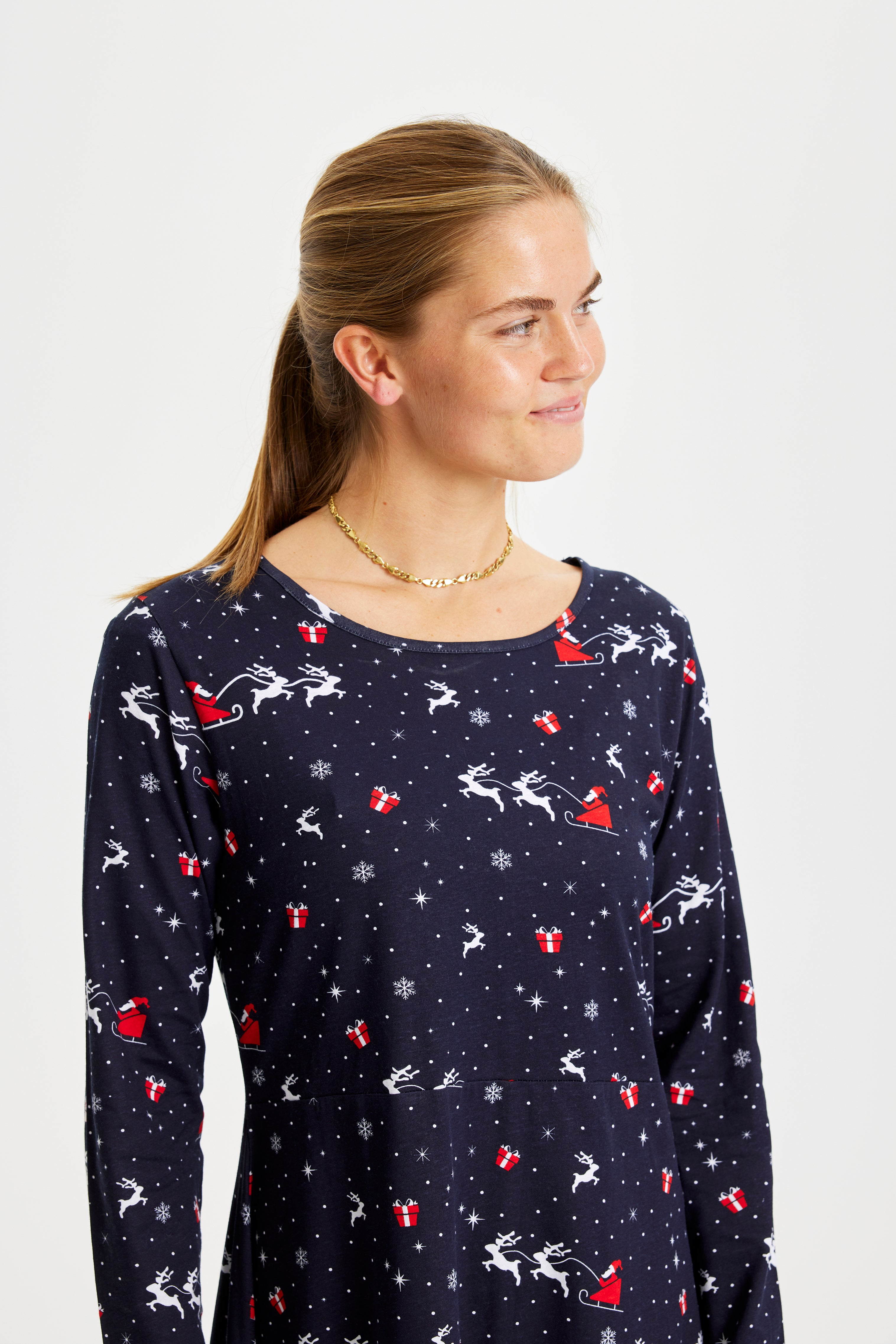
Reserve weekends for markets and family gatherings, and consider what you will wear when you go: a classic Christmas sweater suits most visits, while a kids Christmas sweater makes family photos easier to coordinate. If you prefer a playful look for market hopping, an ugly Christmas sweater can be a quick, market-friendly choice.
Major market patterns
Mid-November openings for large seasonal attractions are common, followed by a steady flow of weekend-focused markets through December. Flagship urban events typically run daily once they open, while smaller community markets concentrate activity on selected weekends. Expect the busiest atmosphere in the first three weeks of December when stall variety and event programming peak, and keep in mind that a few big attractions extend their dates into early January.
Key dates and logistical anchors
Key dates: Christmas Eve is on 24 December, which functions as the primary calendar anchor for gift deadlines and in-person gatherings. Typical market season: runs roughly from mid-November through late December, with occasional extensions into the first days of January for a final round of weekend events.
Carrier operations compress near the holiday: many commercial pickups stop around 23 December and standard schedules often resume in early January. Returns and exchange windows close earlier during this period, so allow extra days if you buy online. Note: shipping-dependent purchases left to the last few days before Christmas carry a higher risk of delays and limited options for exchanges.
Retail signals to watch
Sales activity usually concentrates in late November around promotional weekends, while unique market-only items are easiest to find from mid-November to early December. For seasonal apparel and specific sizes, start early to secure choices; for handcrafted or niche purchases, plan market visits on weekends when local makers and specialty stalls are present. If you need flexible options for last-minute wardrobe changes, prioritise in-store pickup or local collection rather than relying on shipping in the final week.
Practical implications for outfits and gifting
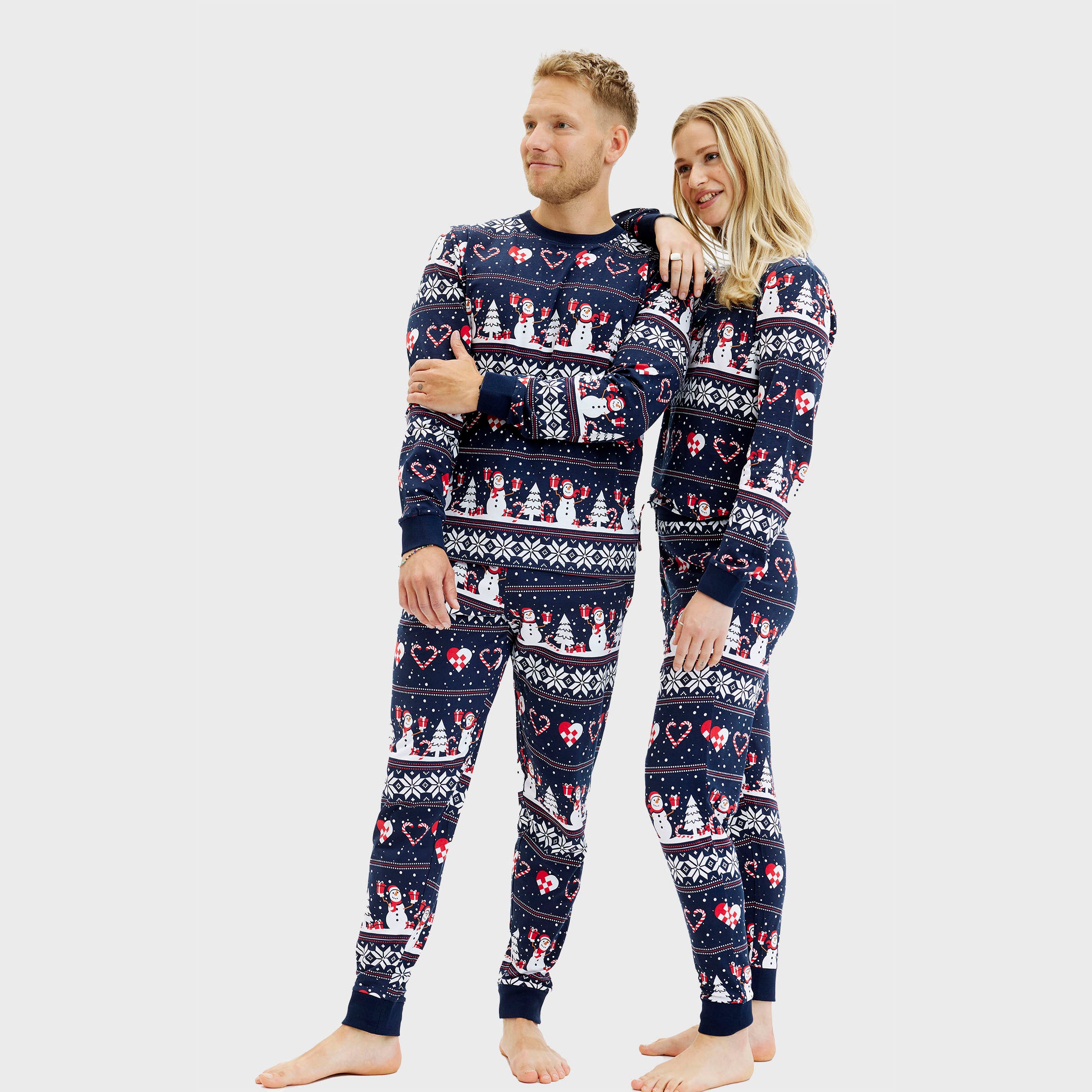
Plan wardrobes with logistics in mind: schedule purchases that need shipping well before carrier cutoffs, and reserve weekend visits for market-exclusive pieces. For coordinated family photos or a quick market-ready look, a versatile christmas sweater can be a reliable choice and is easy to layer for different venues. If sleepwear is part of your gifting plan, consider ordering matching Christmas pajamas early to allow time for exchange.
Quick checklist
- Prioritise long-lead items and any pieces with limited stock at least six weeks before Christmas.
- Reserve mid-November and early-December weekends for market visits to access unique stalls and makers.
- Track carrier cut-off dates for the current year and treat 23 December as a practical last-pickup benchmark.
- Use local pickup for urgent wardrobe items during the final week to avoid shipping uncertainties.
- Keep gift receipts and confirm return deadlines before you finalise purchases.
Where to look for quick outfit options
For a market visit outfit that balances easy wear and seasonal flair, a versatile christmas sweater makes coordination simple; explore a range of designs to match the occasion. If you plan a cosy family morning, matching Christmas pajamas offer a straightforward, photogenic option that reduces last-minute outfit scrambling. These choices help you adapt timing to both event schedules and logistics without sacrificing style.
Practical six week schedule for a calm holiday
Now that you know the key dates and market patterns, here is a clear, sensory-led plan to help you move from list to lovely moments. Imagine the smell of pine and fresh baking while you polish off the final gifts; plan so you can enjoy those simple pleasures without the rush.
Windows by objective
- Maximum selection: Start late October to early November to secure sizes and popular items that sell out fast.
- Market finds and local makers: Visit mid-November to the first half of December, especially on weekends when stalls are fullest and the music drifts through the crowds.
- Best bargains: Use late November promotions for non-perishable gifts, but check stock levels before you commit.
- Non-shippable or exchangeable items: Finalise early to mid December to leave time for returns and adjustments.
- Last-resort in-store buys: Keep the final week before 24 December for urgent pickups only, and accept that you may need to trade spontaneity for fewer options.
Six week plan, week by week
Plan: Start with this rhythm to spread effort and keep joy intact.
Week −6. Late October to early November. Make your master list. Buy long-lead items and seasonal apparel now so sizes are certain. Picture yourself stepping out in a warm Christmas sweater while the first market lights glow.
Week −5. Mid November. Reserve a weekend for market visits. Let the scent of roasted almonds and the sound of carols guide your route. Look for market-only crafts and small-batch food gifts.
Week −4. Late November. Use promotional weekends for durable gifts and items that do not need immediate delivery. Track delivery estimates and save receipts.
Week −3. Early December. Finish most purchases and start wrapping. Light a candle, put on gentle holiday music and check gift lists for missing items.
Week −2. Mid December. Buy consumables and small stocking items. Confirm delivery statuses and pick up any local orders. If you own matching Christmas pajamas, this is a good moment to set aside a cosy morning for unwrapping practice.
Week −1. Last days before 24 December. Focus on local pickups, urgent clothing swaps and fresh food shopping. Keep carrier cutoffs in mind: many services finish regular pickups near 23 December, so plan accordingly.
Short checklist to avoid last-minute stress
- Prioritise items with long lead times early and note which ones are market-only.
- Save parcel tracking numbers and mark return deadlines in your calendar.
- Reserve weekend slots for in-person visits so you can wander at a gentle pace.
- Choose local pickup for any outfit you may need at short notice, instead of relying on shipping.
- Keep a simple wrapping station ready with a few classic papers and ribbons for a peaceful evening of wrapping.
Where a Christmas sweater and cosy pajamas fit in
A Christmas sweater is a small comfort that ties moments together. Wear one to market visits to add warmth and a festive note, or keep one handy for photo moments under garlands. For slow mornings, matching Christmas pajamas make the day feel intentional and soft. If you prefer a standout knit for an urban market visit, a classic Christmas sweater layers easily and keeps the cold at bay while you sip gløgg and listen to carols.
Frequently asked questions
When is Christmas Eve this year?
Christmas Eve is on 24 December; that date is the main anchor for gift deadlines and family arrangements.
When do most markets open?
Large seasonal attractions typically start in mid-November and run through December, with many smaller markets concentrated on weekends from late November onward.
When should I shop for the best selection on clothing?
Begin late October to early November to secure styles and sizes, as availability narrows closer to the holidays.
When are the biggest promotional sales?
Late November usually offers the strongest promotional weekends, though availability can vary across categories.
When do carriers usually stop regular pickups?
Many carriers and commercial services reduce operations in the days before 24 December, often around 23 December, with normal schedules resuming in early January.
How should I mix market visits and online shopping?
Reserve mid-November through early December for market visits, use late November deals for online purchases, and avoid leaving shipping-dependent buys to the final week.
Also view

15 January 2026
Picture a small family movie night by the tree: soft lights, low conversation and a stack of options for christmas movie recommendatio...