
28 December 2025
Diy christmas sweaters: Easy upcycling ideas for cozy family fun

Picture a table scattered with mismatched sweaters, scissors, felt and a couple of mugs while the family gathers to turn old knits into fresh holiday favourites. That simple scene is exactly what DIY Christmas sweaters deliver: approachable upcycling, small hand-sewing or crochet touches and no-sew embellishments that children and adults can tackle together.
What DIY Christmas sweaters means here
Think quick transformations rather than full garment rewrites. Projects range from painted motifs that take minutes to small knitted collars or crochet patches that need a few hours. No advanced pattern reading required, basic sewing skills or a single crochet hook will do, and plenty of ideas avoid any sewing at all so everyone can join in.
Why consider upcycling
Reusing garments reduces waste and saves money while giving you the freedom to create designs that feel personal. An ugly Christmas sweater can become a proud family project, and small repairs or decorative panels extend a favourite item’s life. If you want inspiration for ready-made looks to copy or adapt, check out a selection of ugly Christmas sweater styles that work well as templates for upcycling.
Who this guide is for?
This is aimed at families wanting kid-friendly projects, beginners with basic tools, and anyone short on time but keen to personalise holiday outfits. Parents can assign simple paint or appliqué tasks to youngsters while adults handle sewing or machine work. For matching sets or small garments for children, see ideas for a kids Christmas sweater to scale motifs comfortably down.
Quick preview of techniques and timing
Expect techniques such as fabric paint and appliqué, basic hand-sewing and simple machine stitches, no-sew glue and iron-on methods, plus quick knitting or crochet add-ons. Plan to start in late October or November to avoid rush, with projects ranging from 15 minutes to about 6 hours and a simple difficulty system for planning: Easy, Moderate, Advanced. Small extras like matching christmas socks or cuff details make coordinating family looks effortless and fun to gift or wear together.
Painted motif sweater
Quick, low-mess and perfect for last-minute projects, a painted motif turns a plain sweatshirt into a festive favourite that kids can help create.
Materials: Old sweatshirt or sweater, textile paint, stencil or paper template, foam brush or sponge, cardboard insert. How to:- Insert cardboard under the painting area to prevent bleed-through.
- Position stencil and secure with pins or low-tack tape.
- Load foam brush with paint and dab gently to build colour, avoiding heavy strokes.
- Lift stencil carefully, let dry fully, and heat-set according to paint instructions.
Try metallic paint or mix a glitter fabric medium for sparkle. For multiple colours, use layered stencils and let each layer dry before adding the next.
Felt appliqué reindeer or snowman
Felt appliqué gives a clean, hand-crafted look that works well on both adult and children sizes when motifs are scaled appropriately.
Materials: Felt scraps, basic sewing needle and thread or fabric glue, embroidery floss for details, template. How to:- Trace and cut shapes from felt using templates sized to the sweater front.
- Arrange pieces on the sweater to check placement, then pin or use a dab of fabric glue to hold them.
- Sew around edges with a blanket stitch for durability, or use fabric glue for a no-sew shortcut.
- Add embroidered eyes, a stitched smile or small buttons for character, sewing buttons securely if used.
Sewn appliqués stand up better to washing. If you plan to make a matching kids Christmas sweater, scale the template down and repeat the same stitches for a consistent family set.
Granny square upcycled sweater
Visible mending with crochet granny squares is a colourful way to cover worn patches while introducing texture and pattern.
Materials: Leftover yarn, crochet hook, old sweater with worn panels, scissors, tapestry needle. How to:- Crochet granny squares to the size needed, varying colours for a patchwork look.
- Place squares over damaged areas and pin to check alignment.
- Sew squares to sweater using a strong yarn and mattress stitch to bridge knit to crochet evenly.
- Reinforce corners and edges with an extra pass of stitching to prevent lifting.
Choose contrasting colours for a bold statement or tonal shades for a subtler repair. This technique works well to create a retro patch aesthetic.
Pom-pom and jingle-bell embellishment
Playful and tactile, pom-poms and bells lift a simple design into something joyful, but they need secure attachment for safety and wear.
Materials: Pom-poms, small bells, strong thread or thin ribbon, needle, optional backing fabric. How to:- Plan a layout and mark positions with washable chalk.
- Sew each pom-pom and bell with several passes of thread, knotting tightly and hiding knots inside a small backing circle.
- Test each attachment by tugging gently and trimming excess thread, then remove chalk marks.
Avoid bells on garments for very young children. For a coordinated look, add similar accents to christmas socks or cuffs on lounge sets.
Sewn fabric panel replacement
When a sweater has a large damaged area, replacing a panel with jersey or cotton keeps the garment wearable and lets you introduce a contrasting fabric or motif.
Materials: Jersey or cotton panel, basic sewing machine or hand-sewing kit, matching thread, scissors, pins. How to:- Cut out the damaged panel cleanly, keeping straight edges and noting seam allowance.
- Cut replacement fabric to size, add seam allowances, and pin in place.
- Sew the new panel with even seams, press edges and finish raw edges to prevent fraying.
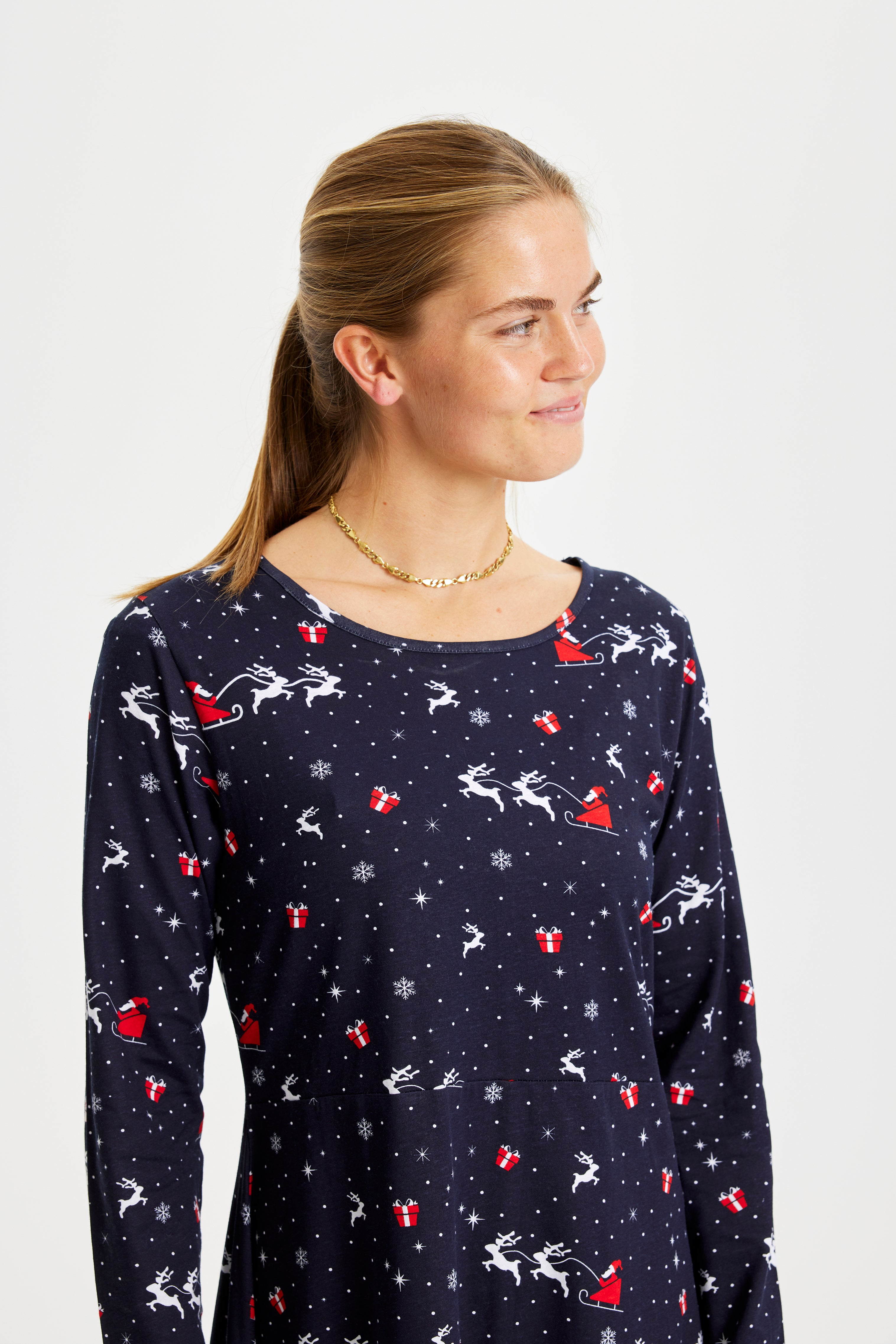
Measure stretch and drape of the replacement fabric against the sweater before sewing. For a coordinated family look, repeat the panel fabric in a matching christmas dress or christmas loungewear piece.
If you want inspiration for ready-made styles to adapt or copy, consider browsing selections for a kids Christmas sweater or choosing accents from a range of christmas socks to guide your colour choices.
Knit a quick collar, cuff or pocket add-on
The gentle click of needles, the scent of cinnamon and pine drifting in from the tree, and the warmth of a favourite Christmas sweater across your knees make this a perfect evening project. A simple ribbed collar, cuff or pocket can transform a faded neckline or tired cuff into something that feels new and festive without changing the garment’s identity. Use chunky yarn and a comfortable needle size to speed up the work and enjoy the tactile pleasure of soft fibres under your fingers.
How to: Cast on the number of stitches that match the width you measured. Work in a basic 1x1 or 2x2 rib until you reach the desired height. Bind off loosely, block if the yarn recommends it, and sew the piece neatly to the sweater using a tapestry needle. Test stretch with a small swatch first to ensure the fit is cosy and not tight.
Tip: Add a contrasting stripe or a tiny embroidered star at the pocket corner for a personligt præg that ties into a matching set.
Upcycled matching family set
Creating a coordinated look is part craft and part memory making. Choose a single motif and carry it across a larger sweater, a pair of christmas socks and a lounge set to create a sense of unity when the family gathers. Scale the motif for different sizes and keep the same colour palette so each piece feels like part of a collection rather than a copy.
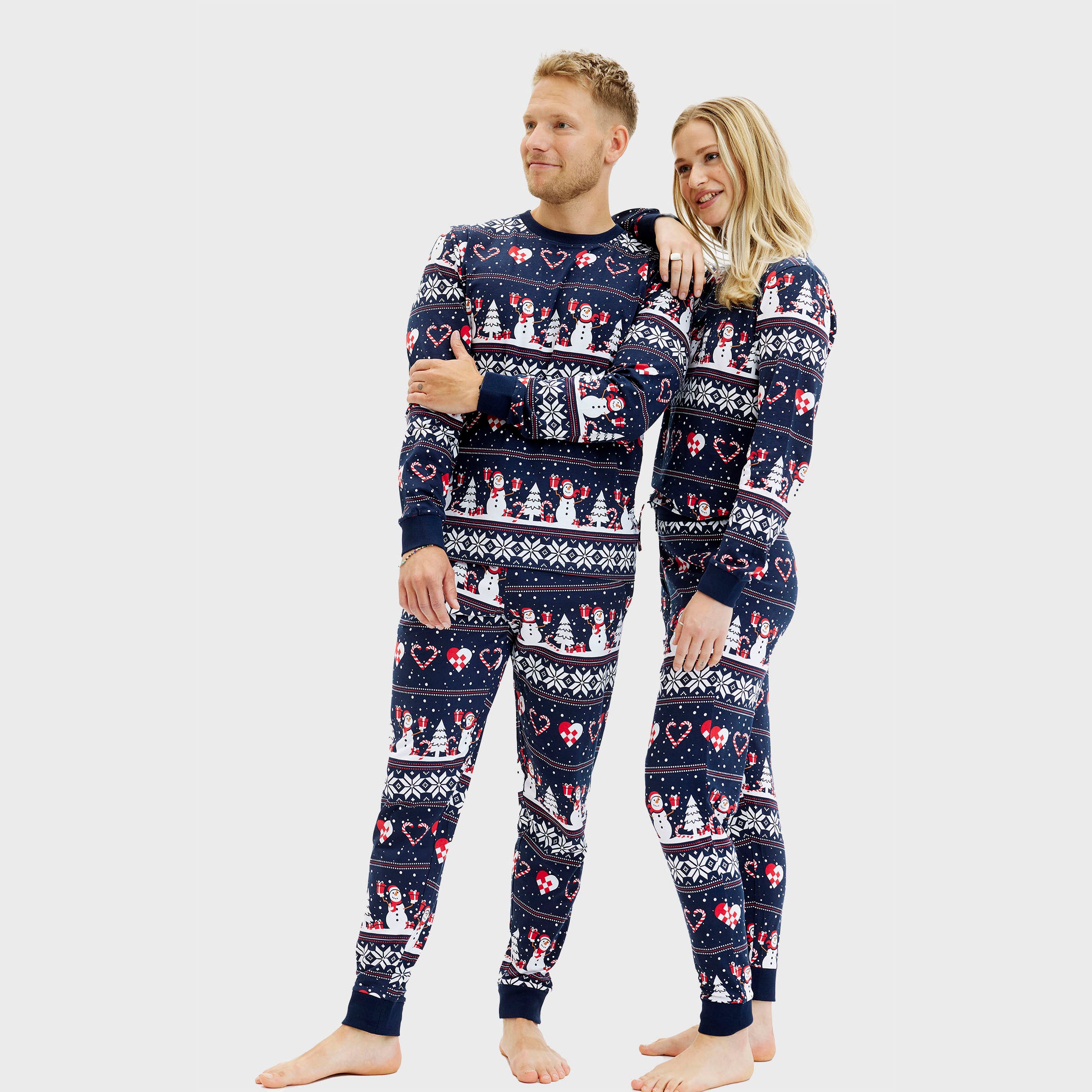
Practical approach: Use adhesive-backed interfacing to help place felt appliqués quickly on thicker fabrics. For quicker results, paint matching cuffs on socks or loungewear. If you prefer to relax in matching sleepwear while wrapping gifts, try pairing these details with soft christmas pajamas for a complete cosy look.
Embellishment ideas and motif gallery
- Classic motifs: Reindeer silhouettes, simplified snowmen, stylised Christmas trees, stars and hearts.
- Texture accents: Sequins, pom-poms, fringe and embroidered outlines to catch the light and add warmth.
- Colour schemes: Traditional red and green, Scandinavian neutrals with pops of red, or soft pastels with metallic highlights.
Materials and tools quick-reference
- Fibres and fabrics: Wool and knit sweaters, cotton jersey, felt and fleece for appliqués.
- Fasteners and embellishments: Buttons, small bells for decor only, sequins and pom-poms.
- Tools: Textile paint, foam brushes, needles and embroidery floss, fabric glue for no-sew work, basic sewing machine for panel replacement.
- Care: Hand-wash embellished areas when possible, or use a gentle machine cycle and air dry to protect attachments.
Safety and durability guidelines
- Secure heavy or small embellishments with reinforced stitches and a small backing circle to prevent pull-through.
- Test textile paints and heat-setting on a hidden swatch to avoid colour bleed or shrinkage.
- Avoid loose bells or small detachable parts on garments that will be worn during active moments.
Suggested timelines and family session plans
One-evening plan: Paint simple motifs while music plays for 30 to 45 minutes, then let pieces dry while adults sew on appliqués for 30 to 60 minutes. Finish with a handful of pom-poms or embroidered initials in 15 to 30 minutes. Weekend plan: Replace a panel or knit a collar across an afternoon, giving time to block and attach pieces carefully.
When you gather, put on a soft Christmas sweater and slip into cosy slippers for comfort. Small rituals like a mug of warm spiced drink and a playlist of carols enhance the atmosphere while you work.
Packaging and presentation
Present a refreshed sweater or matching set simply: fold carefully, tuck in a handwritten note, and add a fabric-wrapped tag with a sprig of evergreen. A pair of matching christmas socks tucked beside the sweater makes the gift feel complete without fuss.
Frequently asked questions
What is the quickest way to refresh a worn sweater?
Adding a painted motif or a felt appliqué takes the least time and requires minimal tools. Heat-set paints per instructions and use strong stitching for appliqués if you expect frequent washing.
Can fragile knits be repaired with crochet squares?
Yes. Crochet squares sewn over weak panels add strength and texture. Use matching yarn weights to keep the drape consistent and reinforce seams when attaching.
Which embellishments need the most secure stitching?
Heavy items like large buttons, bells and dense pom-poms need reinforced stitching and a backing circle to prevent them from pulling through knit fabric.
How do I ensure motifs stay aligned across a matching set?
Make a simple paper template and use it as a guide for all pieces. Keep the same centre point and measure from seams to ensure consistent placement.
What washing method protects most upcycled details?
Hand-wash or use a gentle machine cycle in cool water and air dry flat. Remove loosely attached elements before laundering when possible to prolong their life.
Also view
15 January 2026
Picture a small family movie night by the tree: soft lights, low conversation and a stack of options for christmas movie recommendatio...