

26 January 2026
How is Christmas celebrated in Russia?

Christmas in Russia falls on 7 January and mixes centuries-old Orthodox rhythms with lively family meals and regionally distinct folk customs that differ from the Western 25 December model. In many homes, the sacred and the secular sit side by side: midnight services and liturgical icons coexist with New Year–style trees, gift exchanges and characters like Ded Moroz. For visitors and curious readers, the holiday feels less like a single day and more like a chain of moments that unfold from the winter fast to the Svyatki festive season.
Key features
Date is a defining detail: Russian Orthodox Christmas is observed on 7 January according to the Julian calendar, which places the celebration later than the Gregorian 25 December. The religious layer includes a period of fasting that shapes household preparations and a strong emphasis on liturgy for those who attend church. At the same time, the secular layer remains visible: many families treat New Year as their main party while reserving 7 January for more intimate gatherings.
Celebrations and moments
Christmas Eve often ends with a simple supper after evening services, and some families follow the twelve-dish custom at the table. On Christmas Day, relatives gather for a fuller meal and visits between households, with customs differing between cities and remote regions. Urban centers tend to stage public events and lights, while rural communities may keep older folk practices alive.
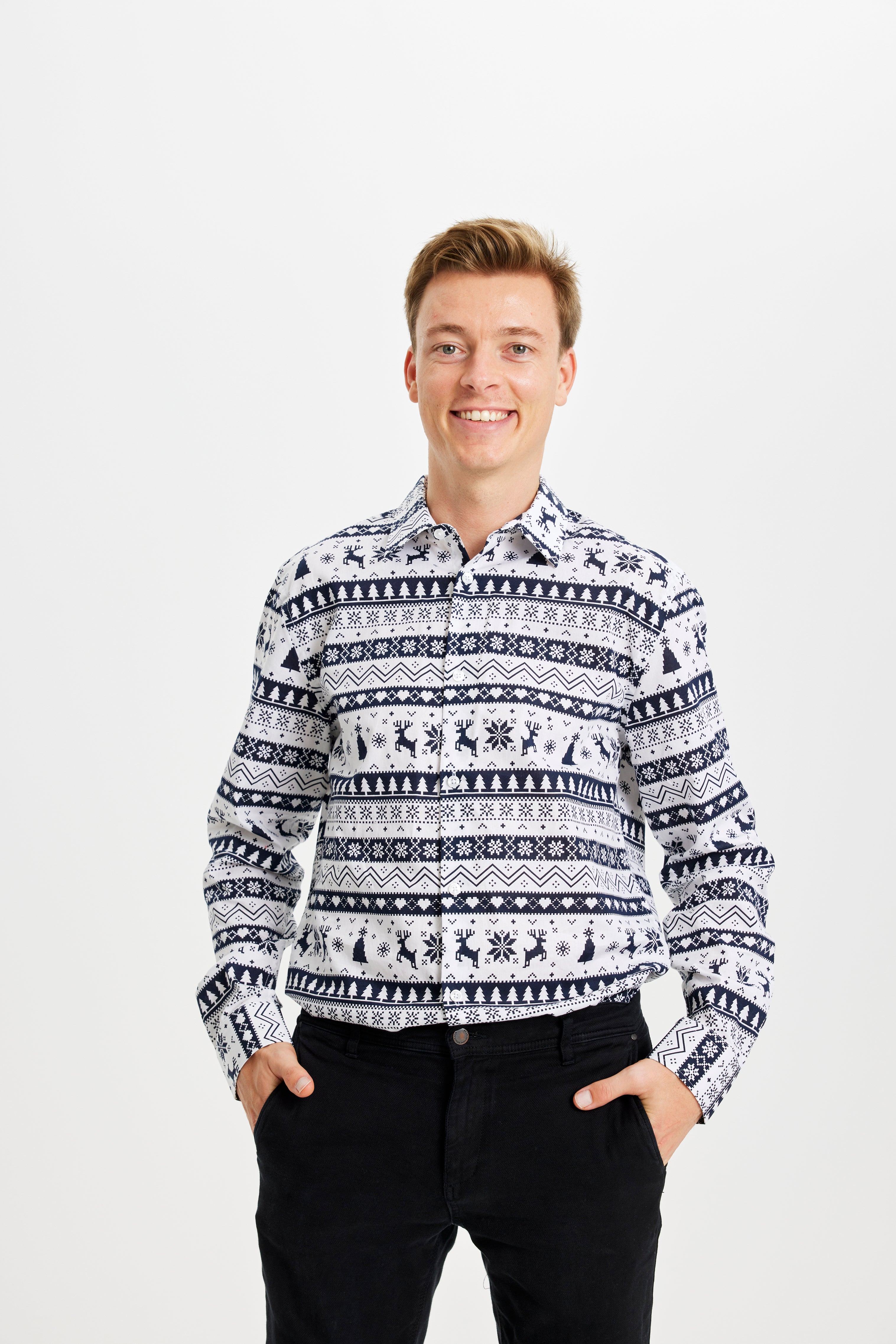
If you want a small cultural bridge to the season, dressing for the family table is one way to participate: a classic Christmas sweater can be a playful nod to the festive mood, and there are also options for matching outfits such as kids Christmas sweater sets and adult styles like Christmas sweater collections. For lighter gatherings, many choose patterned shirts and themed pajamas; see a selection of Christmas shirts and cozy Christmas pajamas for inspiration.
Roadmap of what follows
Expect a chronological guide ahead that tracks the fast, Christmas Eve practices, Christmas Day meals and the post-Christmas Svyatki period, plus profiles of the main figures you will encounter and the common foods and rituals to look out for.
Date and calendar mechanics
The defining calendar detail is simple: many Orthodox churches mark Christmas on 7 January because they follow the Julian liturgical calendar rather than the civil Gregorian calendar. That difference means 25 December in the Julian system falls on 7 January for most people using Gregorian dates. For visitors this timing shapes the flow of services and household preparations in early January.
Fasting and liturgical rhythm
A prolonged period of abstention leads up to the feast, and it organizes daily routines as much as it shapes the celebratory meal. The fast commonly lasts for about forty days and peaks with a strict observance on the evening of the vigil. Evening services on 6 January are often solemn and long, and many families time their main supper to follow the liturgy once fasting rules are relaxed for the night.
Christmas eve supper and the twelve dishes
Breaking the fast at the family table is a marked moment. In many homes a multi-course spread appears, sometimes featuring twelve dishes that symbolically echo ancient communal meanings. Typical components include ceremonial grain porridge such as kutya or sochivo, fish or seafood courses, baked pies and preserved vegetables, with compotes or sweet preserves as simple desserts. Etiquette varies: some households wait for the first evening star or for people to return from church before sitting down.
Secular customs and Ded Moroz
Alongside religious observance there is a strong popular layer centered on winter festivities. A prominent figure is Ded Moroz, often accompanied by his helper Snegurochka, who brings presents during the winter holiday period and appears in public performances and New Year gatherings. For many families the public tree and gift exchange are tied to the turn of the year rather than to the liturgical feast, which means both sacred services and secular celebrations coexist in January.
Soviet-era changes and the modern balance
Collective public life in the twentieth century altered how holidays were marked in public spaces and civic programming. Many customary elements were reassigned to secular New Year celebrations while religious observance continued in private or within worship communities. Since the early 1990s public liturgies and church processions have regained visibility, and contemporary practice often blends revived worship with long-standing winter entertainments.
Regional and community variations
Observance differs from one place to another. In urban centres large public events, concerts and decorated squares attract crowds and spotlight the festive season, while smaller towns and villages may preserve more intimate household customs and local folk expressions. Remote areas sometimes combine orthodox forms with older local customs, producing a variety of table menus and ceremonial details across the country.
Practical dress and household tips
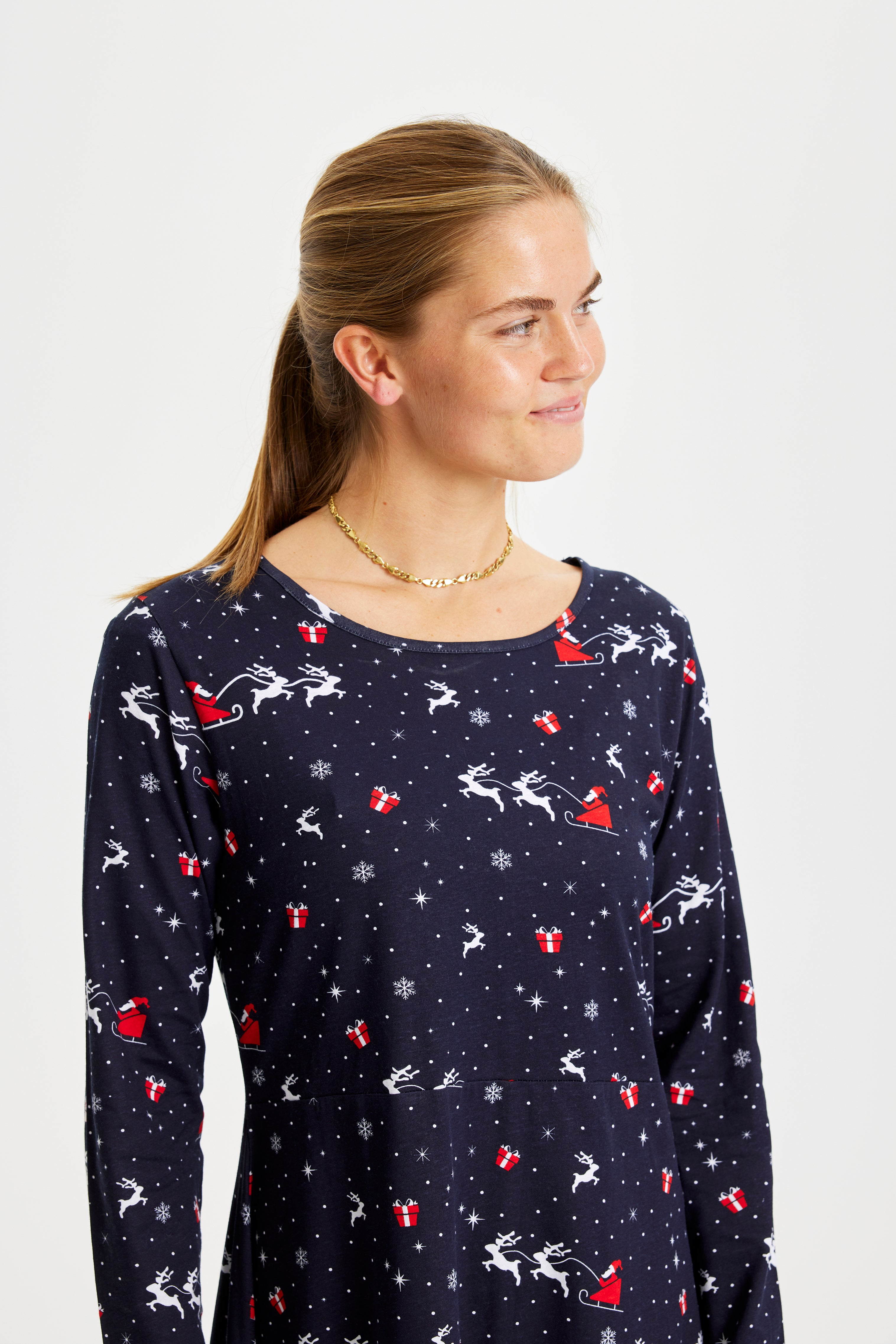
Clothing choices help set the tone for gatherings. For a family supper many prefer patterned sweaters or coordinated sleepwear for a relaxed, communal feel. A tasteful Christmas sweater can be a lighthearted nod at the table, and families who want a matching look often choose coordinated sets such as matching Christmas pajamas for children and adults. If you plan to attend an evening service, layering with a modest outer garment is useful for long periods indoors and outdoors.
Quick takeaway
Early January unfolds as a sequence: a long fast, a vigil supper, overnight liturgies and a full family meal that follows. The season extends into days of visiting and quiet festivities, with Ded Moroz and New Year entertainments often sharing the calendar with church observance. Where you will notice variation is in the table offerings and in how public or private the celebrations feel from place to place.
For small finishing touches, consider festive accessories like themed socks or a simple holiday shirt to unify a family gathering and keep the atmosphere playful without overshadowing the meal and liturgy.
Related observances and timeline
The winter season in Russia stretches beyond a single feast day. After the Nativity fast and the vigil supper come the midnight liturgies, followed by family meals on 7 January and a string of days known as Svyatki. The cycle often ends with Epiphany on 19 January, when water blessings and, in some places, ice swimming mark the closing of the sacred period. The sensory details linger: the scent of fir needles and stewed fruit, the crackle of a stove, and the warmth of a thick knit worn at the table.
Svyatki is a time when folk tradition and household customs surface more openly. Visiting between homes, small games of fortune-telling, and storytelling around the table keep evenings lively. Many families move smoothly between church life and communal merriment, so you might hear church bells in the distance while laughter and music fill a dining room illuminated by candles and soft lamp light.
Visual and infographic suggestions
For an article or presentation, a timeline works well: Nativity fast begins → Christmas Eve supper → Midnight liturgy → Christmas Day family meal → Svyatki customs → Epiphany water rites. A short gallery can capture key moments: the interior of a midnight liturgy with icon-covered walls, a richly set table of many courses, Ded Moroz at a New Year street event, and hardy winter swimmers cutting a hole in the ice. These images evoke touch, smell and sound: wool against skin, the aroma of baked goods, the chime of church bells and the crisp hiss of snow underfoot.
At home, small styling ideas help set the mood without overshadowing tradition. Layering throws, adding a bowl of dried fruit or spiced compote on the table, and soft lighting create an intimate atmosphere. For casual family gatherings, wearing a cozy christmas sweater or slipping into matching christmas pajamas can make the evening feel playful and unified while keeping attention on the meal and conversation.
Practical household customs and social patterns
Decorations often blend New Year and Christmas elements. The decorated tree is a familiar sight in many homes, but its public role is frequently tied to New Year festivities. Gift-giving commonly happens at New Year, though some families exchange presents after church on Christmas Day. Cities fill with concerts, ice sculptures and municipal gatherings, while smaller communities may preserve older, more private ways of celebrating.
Meals vary by region and family, yet certain threads appear throughout: ceremonial grain dishes, fish courses, pies and preserved vegetables are common after the fast is broken. Hospitality is important; sharing food across visits and maintaining a welcoming table are central parts of the tradition.
Frequently asked questions
Why do Russians celebrate Christmas on 7 January?
Because the Russian Orthodox Church uses the Julian liturgical calendar, and 25 December in that system corresponds to 7 January on the civil Gregorian calendar.
What is the 40-day fast before Christmas?
The Nativity fast is a period of abstention from certain foods and increased prayer that many Orthodox Christians observe from late November until Christmas, culminating in the Christmas Eve supper.
What is Svyatki?
Svyatki is the festive interval between Christmas and Epiphany marked by house-visiting, folk customs and informal social gatherings that blend sacred and popular traditions.
Who is Ded Moroz and how does he relate to Christmas?
Ded Moroz, often accompanied by Snegurochka, is a Slavic winter gift-bringer who became a prominent secular figure during the twentieth century; he is mostly associated with New Year public celebrations rather than the liturgical feast.
When do Russians exchange gifts?
Gift exchange most commonly takes place at New Year’s Eve and Day, although some families give presents on Christmas Day following church and the festive meal.
How does Epiphany relate to Christmas?
Epiphany, celebrated on 19 January, concludes the winter festal cycle with water blessings and, in some regions, outdoor immersion rituals that extend the season’s sacred observances.
Also view
27 January 2026
Når julemiddagen skal planlægges, står mange med den samme velkendte udfordring: at vælge en menu der respekterer traditioner, passer ...