

7 January 2026
How do different cultures celebrate Christmas?

Midnight masses and nativity plays stand beside KFC takeaways in city squares, candlelit processions meet street fireworks, and families trade tamales, cakes and roasted meats under the same festive sky.
Global overview
Two broad threads tie these scenes together: religious observance, with masses, nativity rituals and processions, and secular or communal customs, where markets, restaurants and public spectacles shape the holiday. Across Asia you find commercial twists and romantic outings, in Latin America processional reenactments and las posadas bring neighborhoods together, West African celebrations center on church services followed by large family feasts, and in parts of Europe ritual remnants blend with playful pageantry.
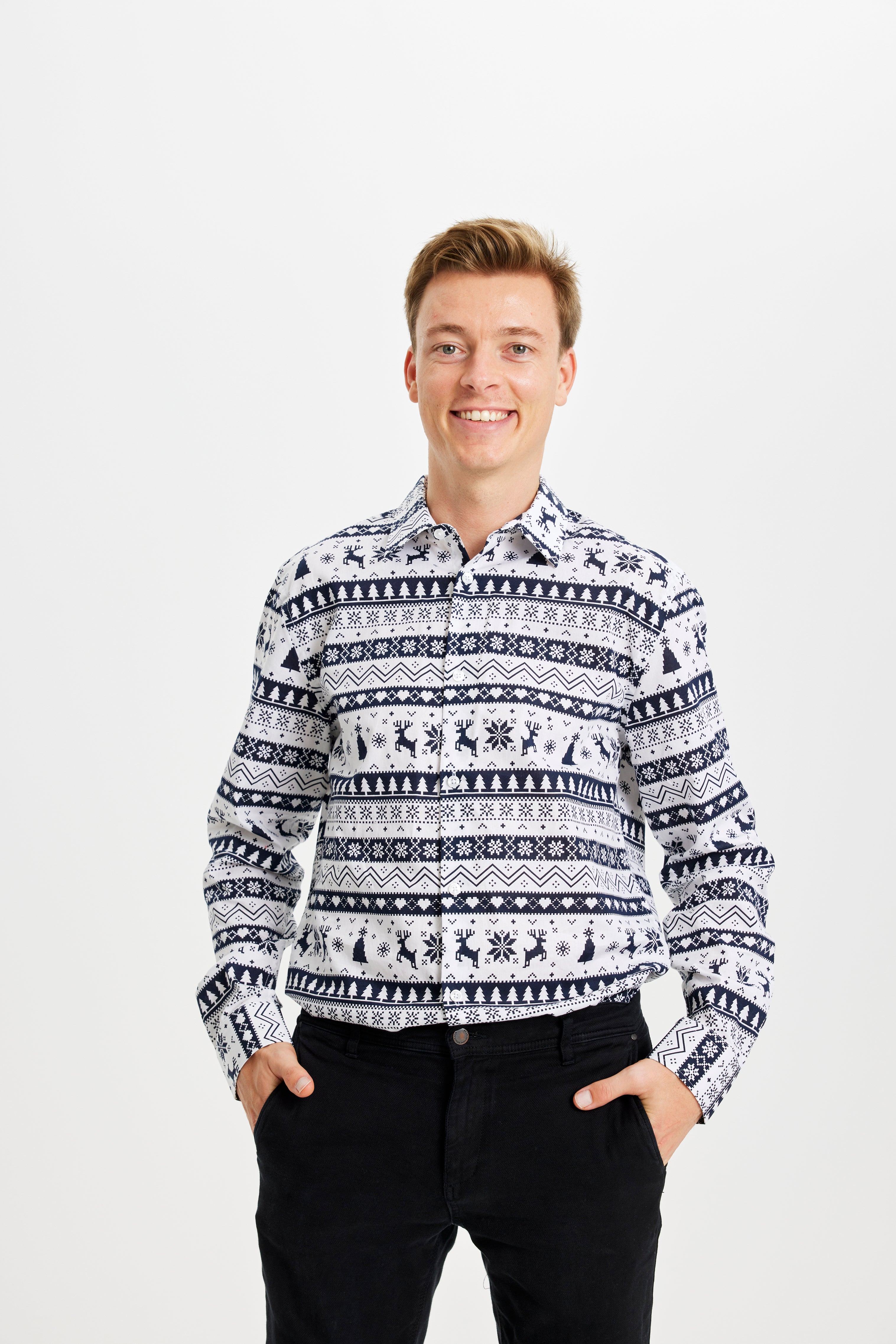
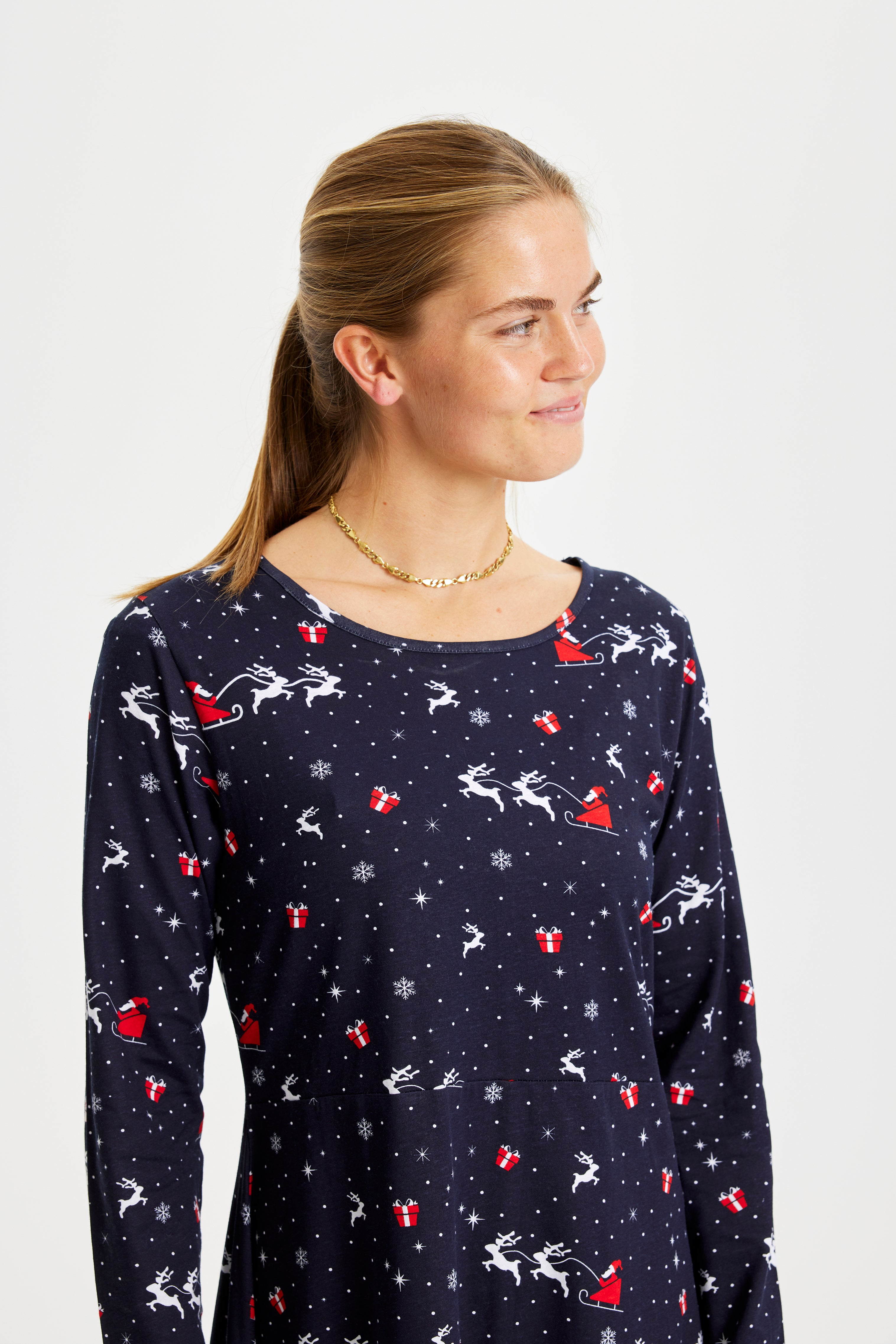
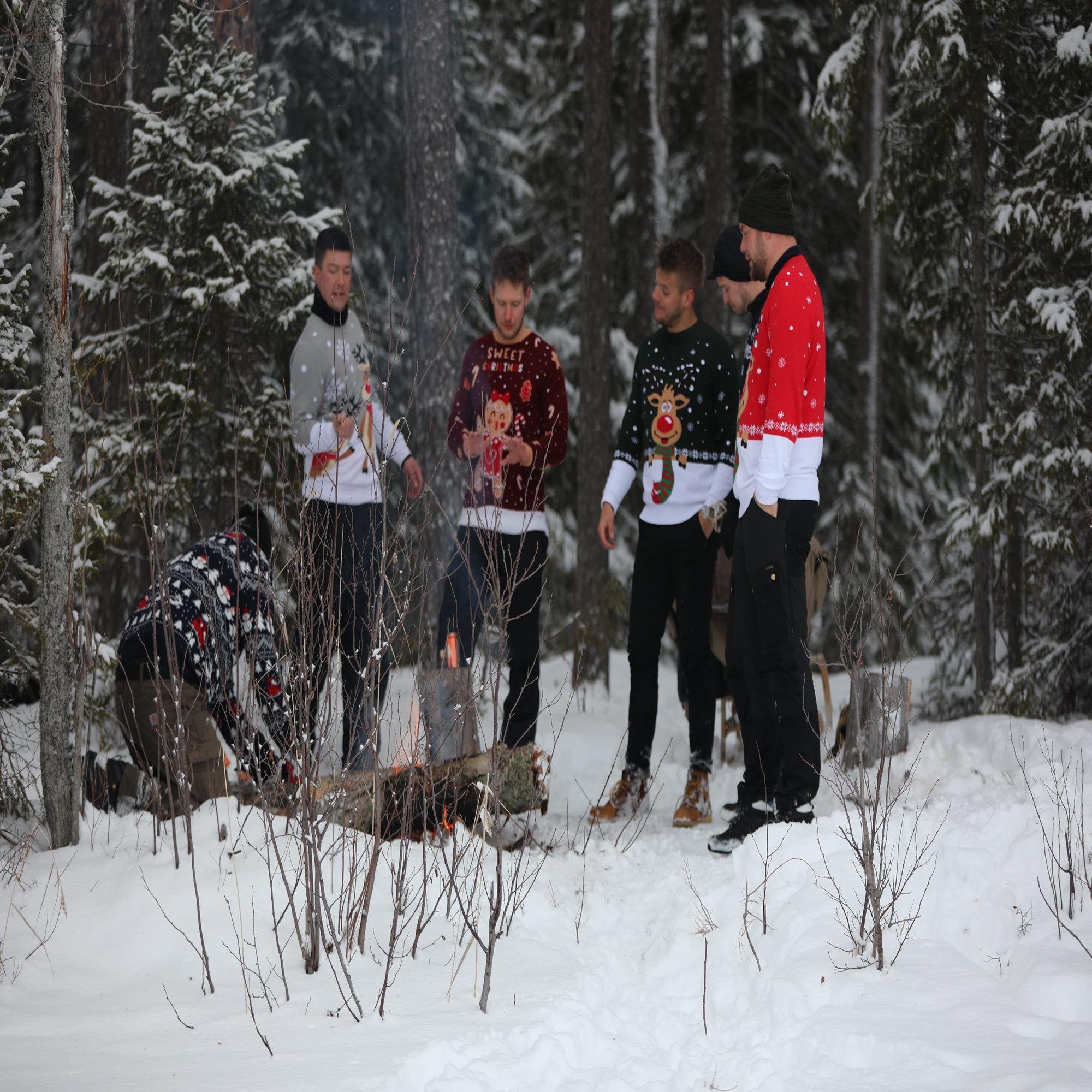
Customs play out in public and private ways. Street markets and fireworks invite communal celebration, while family meals and midnight services keep the observance intimate. Even small choices — what to eat or wear — carry meaning: an ugly Christmas sweater can become a playful bridge between generations, and children often take pride in festive outfits. For practical ideas on holiday knitwear that suits both crowds and cozy family evenings see Christmas sweater.
What you will find
Read on to discover regional highlights from Japan to Latin America and Africa, the shared patterns of timing, food and processions, and a handy comparative table that maps dates and public versus private rituals. If you plan to match family photos or a neighborhood gathering, a coordinated kids Christmas sweater or a quirky ugly Christmas sweater can add a lighthearted touch without stealing the traditions themselves.
Asia
In many East Asian cities Christmas has been reshaped into a public, social occasion where restaurants, markets and light displays set the tone. In Japan couples treat the holiday as a romantic night out and families often choose fried chicken and a store-bought cake for a festive meal, a pattern that began with heavy marketing and remains a popular choice in urban areas. In Greater China similar commercial rhythms appear, with busy restaurants and Western-style desserts filling city squares; fast-food chains have become an unexpected part of holiday menus for many households. In Vietnam urban congregations may attend late-night church services while also enjoying contemporary holiday cakes and street-side parties. On islands such as Bali and in Sri Lanka visible decorations, processional elements and fireworks create a public spectacle that blends local celebrations with seasonal motifs.
Latin america and Iberian traditions
Across Spanish-speaking countries December is often a long community affair. In Mexico neighborhoods mark several nights of Las Posadas, a moving series of gatherings that retrace Mary and Joseph’s search for shelter and usually end with shared tamales and warm company. In parts of South America the Epiphany on January 6 carries equal or greater importance for gift-giving and public parades, with Three Kings processions turning streets into theatrical stages and families extending their reunions into the new year.
Africa
Church life anchors many African celebrations, where late services and energetic worship lead into communal feasts that can last well into the following day. International students and visitors often note the central role of music and dancing alongside staple dishes such as maize-based porridges and roasted meats. In some regions local calendars and church calendars coexist, producing variations in timing and emphasis but a shared focus on family and community hospitality.
Europe
In Europe many communities keep liturgical observances alongside folkloric pageantry. Nativity plays, Advent gatherings and Christingle-type services continue in churches and schools, while regional companions to Saint Nicholas and masked pageants appear in certain areas as theatrical accompaniments to the season. The result is a patchwork of solemn services and playful processions that coexist within the same cultural landscape.
Cross cultural themes and timing
Several clear patterns emerge across these regions. Many cultures concentrate the largest family meal on the evening before the public holiday, communal processions often precede the main date, and the Epiphany extends celebrations in places that tie gift-giving to January 6. Public life and private life alternate throughout the season: markets, fireworks and parades invite everyone outside, while midnight services and family dinners keep traditions close and personal. Commercial influences such as restaurants, seasonal advertising and themed apparel reshape how people mark the days without erasing older observances.
Quick reference
- Japan — Main timing: December 24–25; Activities: urban dinners and markets; Foods: fried chicken and celebration cakes; Setting: public and commercial
- Mexico — Main timing: December 16–24 for Las Posadas and December 25; Activities: processions and nativity reenactments; Foods: tamales and shared feasts; Setting: public processions plus private meals
- Cameroon — Main timing: December 24; Activities: midnight service then family celebrations with music and dance; Foods: maize dishes, roasted meats; Setting: family centered with communal elements
- Vietnam — Main timing: December 24; Activities: midnight mass and urban parties; Foods: Western-style cakes and local dishes; Setting: mixed public and private
Did you know?
- Many urban markets double as places to buy festive apparel, which means a Christmas sweater can be as much a social prop as a cozy layer.
- Fast-food chains once changed holiday eating habits in parts of Asia, turning one marketed meal into a widespread seasonal tradition.
- In some communities the Epiphany is the primary day for exchanging gifts rather than December 25.
Season timeline
- Pre-Christmas — Local processions, Advent gatherings and markets bring neighborhoods together
- Christmas Eve — Evening services, family feasts and public festivities often peak
- Christmas Day — Home gatherings and lighter public events in many places
- Epiphany — January 6 processions and gift-giving extend the season in several countries
If you are planning outfits for gatherings, consider a playful option that reads well in photos such as a classic Christmas sweater or coordinated pieces like a kids Christmas sweater. For quieter evenings at home, soft layers from a christmas loungewear collection work nicely without competing with the customs you celebrate.
Additional customs to discover
Across cities and villages you will find surprising local touches that extend the season beyond church walls. In the Philippines glittering star lanterns hang from balconies while neighbourhood choirs sing carols late into the evening, filling the air with the smell of grilled street food and the sound of festive music. In parts of Greece roof-top carolers walk from house to house with brass instruments, bringing a bright, brassy echo to narrow streets and the warm aroma of slow-cooked stews. In some coastal towns bonfires and fireworks mark the arrival of the holiday, turning public squares into places of light, song and communal warmth.
Food remains a powerful way to claim identity at Christmas. In places where maize is central to everyday life, holiday tables showcase it in celebratory forms that taste like home. In other regions small, elaborate cakes or a special roast carry seasonal spices and memories that make the first bite feel like a reunion. These dishes are more than calories; they are carriers of memory and seasonal meaning, pairing naturally with tactile comforts such as a soft Christmas sweater or a pair of warm socks while you sit by the tree and listen to familiar carols.
Public space plays a huge role in how people gather. Open markets trade not only gifts but scents of cinnamon, roasted nuts and pine. Street theatre and community nativity pageants invite people of all ages to take part, and urban light displays transform ordinary walks into a procession of small delights. The sensory mix of light, sound and scent gives each city its own seasonal signature and makes travelling through markets feel like moving through a living calendar.
Cultural sensitivity and respectful context
When we observe these customs it helps to remember that many traditions blend religious observance and local social life. Some celebrations trace back to missionary exchange, others to older seasonal practices that were woven into Christian calendars. The same date may be an evening of solemn worship in one community and a boisterous public festival in another. Respectful curiosity means listening to how people describe their own traditions and noticing the small differences: the hymns that are sung, the spices that flavour the meal, or the way a procession pauses at a particular house.
Invite yourself into that atmosphere gently. If you join a public event, be mindful of space and purpose. If you photograph a procession, focus on the light and faces rather than interfering with performers. If you bring a small gift to a host, match local tastes and customs; a thoughtful gesture is often more appreciated than anything extravagant. And when you return home, re-create the feeling rather than the exact form: a simple bowl of spiced fruit, the scent of pine, quiet music, and a favourite Christmas sweater can evoke the same warmth with respect.
Frequently asked questions
Are Christmas dates the same everywhere?
A: No. Many countries focus on December 24–25, while others extend observance to January 6 for Epiphany. Certain Orthodox churches follow the Julian calendar and celebrate Christmas on January 7.
Is Christmas primarily a religious holiday worldwide?
A: It varies. In some places the day is centred on church services and liturgy; in others it has become more social or commercial, with markets, concerts and restaurant gatherings taking the lead.
Why do some countries have unusual food traditions?
A: Local ingredients, historical trade and commercial marketing influence holiday menus. Over time a marketed meal can become a beloved custom that signals the season for many families.
What are Las Posadas and where are they practiced?
A: Las Posadas are nightly processions that reenact Mary and Joseph’s search for lodging, widely practised in Mexico and parts of Latin America from December 16–24 and often ending in communal meals.
How do markets and public festivals shape Christmas in non-Western contexts?
A: Markets and festivals create shared spaces for exchange and celebration, blending imported motifs with local crafts, foods and music to form distinct seasonal scenes.
Do all countries use Santa Claus as their gift-bringer?
A: No. Gift-bringers vary widely. Some cultures emphasise the Christ Child, the Three Kings, St. Nicholas, or local figures, and the timing of gift-giving may fall on different days.
Are there shared elements common to many cultures’ celebrations?
A: Yes. Common themes include communal meals, symbolic reenactments, special music and decorated public spaces, though the form and emphasis differ by place and history.
For a quiet night in that still feels connected to global tradition, try pairing seasonal music and a small plate of local sweets with comfortable christmas loungewear and a softly lit tree. The result is a simple, sensory way to celebrate across cultures while keeping the moment personal and warm.
Also view
15 January 2026
Picture a small family movie night by the tree: soft lights, low conversation and a stack of options for christmas movie recommendatio...