
15 December 2025
How do Jews celebrate Christmas?

Jews do not celebrate Christmas as a religious holiday; individual responses range from complete abstention to taking part in seasonal customs for cultural reasons, or instead observing Hanukkah as the winter festival. Many Jewish people treat Christmas as a social moment rather than a faith event, while others mark the season with their own rituals.
Definition and distinction
Christmas is a Christian feast connected to beliefs about Jesus as the Messiah, and it occupies a specific place in the Christian liturgical year. Jewish religious life follows a different calendar of holidays and does not recognize Jesus in a messianic role, so Christmas has no religious status within Judaism. That difference explains why the religious answer to whether Jews celebrate Christmas is generally no.
Common patterns
- Religious answer: Most Jews do not observe Christmas because Judaism does not accept Jesus as the Messiah.
- Cultural answer: Some Jewish families in majority-Christian societies join seasonal customs—food, decorations or gift-giving—without Christian worship.
- Alternative winter celebration: Many Jewish households observe Hanukkah, an eight-night Festival of Lights that often falls in late November or December.
Family moments and seasonal dress
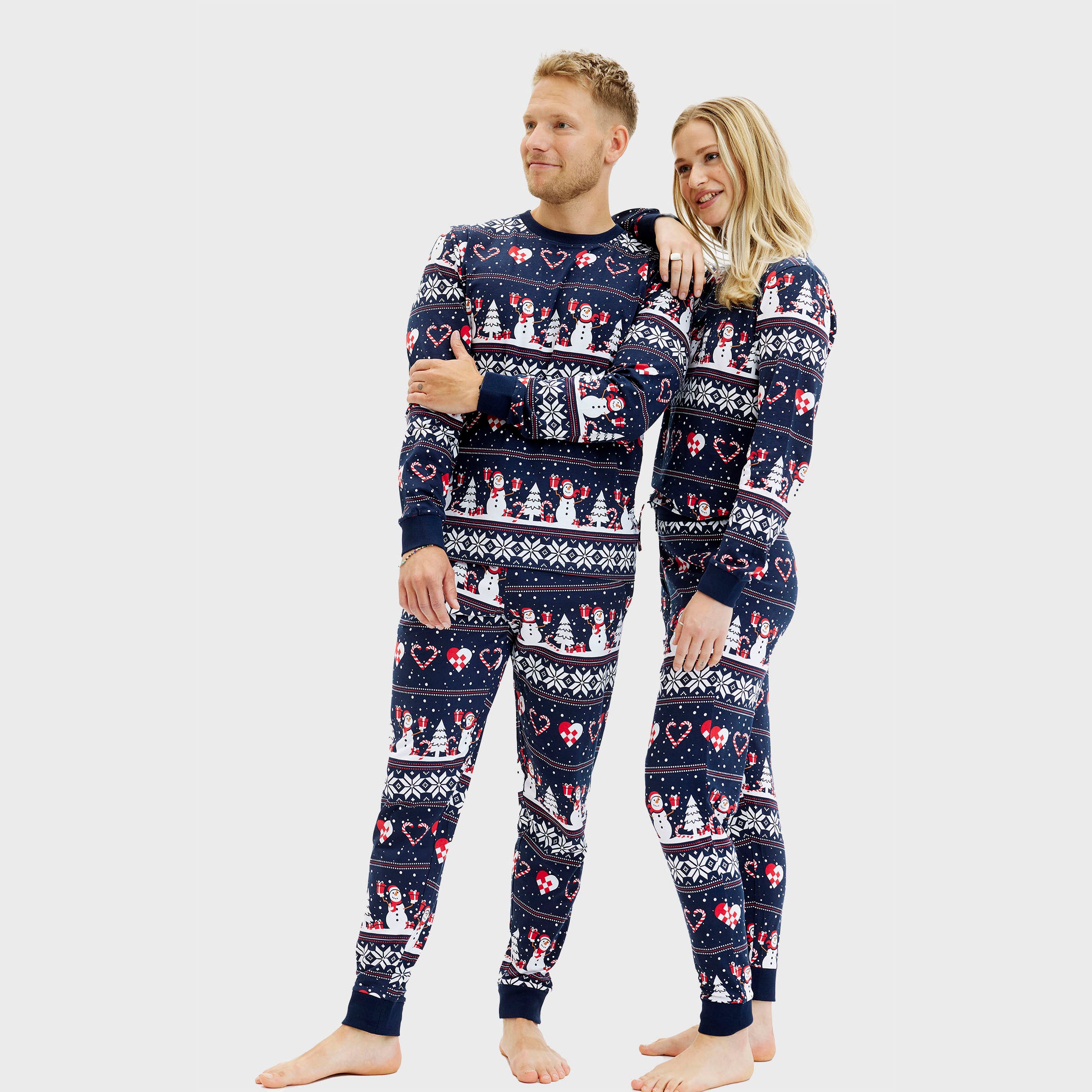
Where families choose to participate in wintertime rituals, the emphasis is often on spending time together: shared meals, movies and small gift exchanges rather than church services. For some, playful seasonal clothing becomes part of that casual togetherness; a simple christmas sweater can serve as neutral winter attire that fits mixed or secular gatherings without religious meaning. Other groups favour novelty looks for parties and office events, such as an ugly christmas sweater for comic effect, while parents sometimes pick matching kids christmas sweater outfits for family photos or menorah nights.
What this means for you
The short answer is clear: Christmas is not a Jewish religious holiday, but individual practice varies widely from abstention to cultural participation, and many Jewish families prefer to celebrate Hanukkah. If you want to acknowledge winter togetherness respectfully, choose neutral symbols and inclusive activities that focus on family and community rather than religious observance.
Core facts about Christmas and Jewish observance
Jewish religious life does not include Christmas, because the holiday is rooted in beliefs about Jesus that Judaism does not accept. That theological boundary explains why most Jewish communities do not mark Christmas as a faith observance, while cultural exposure leads to a range of responses in places where Christmas is highly visible. Demographic context matters: in many majority-Christian countries seasonal displays are prominent in public life, whereas in areas with a strong Jewish presence the Christian holiday is less central outside Christian neighborhoods.
Hanukkah: origins, practice and modern role
Hanukkah commemorates the rededication of the Temple and the oil event traditionally described in rabbinic sources. The festival lasts eight nights and usually falls between late November and late December or January, according to the Hebrew calendar. Typical observances include nightly lighting of the hanukkiah, playing dreidel games with four Hebrew letters that recall the miracle, and eating foods fried in oil such as latkes and sufganiyot.
Across the twentieth century, particularly in North America, Hanukkah acquired a larger public profile with added gift-giving, decorations and community events that provide a visible winter counterpart to Christmas. That cultural shift explains why Hanukkah is sometimes described casually as the Jewish counterpart to Christmas, even though its history and religious significance are separate.
Cultural participation in seasonal customs
Actual household practices vary widely. Some Jewish people take part in neutral seasonal customs: sharing special meals, watching popular holiday films, or attending social gatherings that have no Christian content. Others adopt selective symbols such as lights or general winter décor while avoiding explicitly Christian elements like nativity displays or services. A third group abstains from Christmas-related activities entirely to maintain a clear religious identity.
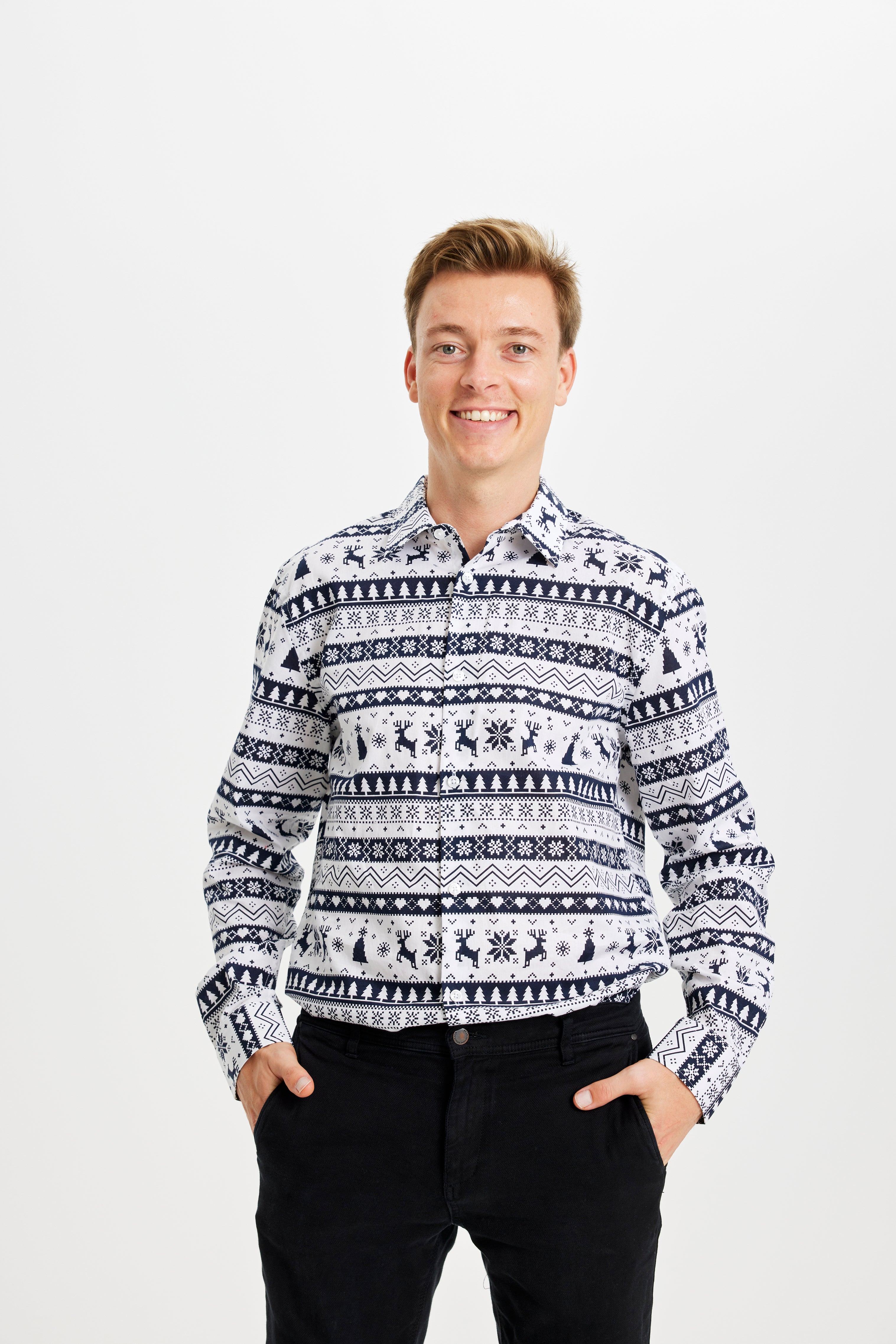
Family background and social context shape these choices. Mixed-faith households often blend observances, for example by holding separate ceremonies or alternating celebrations, while secular families may prefer inclusive social rituals. For casual seasonal dress and party settings, neutral options such as a classic christmas sweater or festive christmas shirts can signal holiday spirit without religious meaning.
Public life and community visibility
In places where Jewish communities form the majority, Christian holidays may be visible mainly in minority or tourist districts. Conversely, in multicultural cities holiday markets, public lightings and retail displays create a shared seasonal atmosphere that many join for social reasons. Synagogues and Jewish community centers typically focus on their own calendar, with Hanukkah events that emphasise light, learning and family time.
Practical summary of common Hanukkah practices
- Lighting order and practice: Light one additional candle nightly on the hanukkiah, using a helper candle called the shamash.
- Foods connected to oil: Serve latkes and sufganiyot to recall the oil tradition.
- Games and play: Play dreidel with simple rules tied to sending messages about perseverance and joy.
- Community events: Attend public menorah lightings or family gatherings that combine song, stories and food.
FAQ
Q: Do Jews celebrate Christmas?
A: Most Jews do not celebrate Christmas as a religious holiday because it centers on beliefs about Jesus that Judaism does not share. Some individuals participate in secular seasonal customs.
Q: Is Hanukkah the Jewish Christmas?
A: Hanukkah is a distinct Festival of Lights with its own history and meaning. It is sometimes called a Jewish counterpart to Christmas because of timing and contemporary gift practices, but the two holidays are different.
Q: Can Jews take part in Christmas events?
A: Attendance depends on personal and communal norms. Many attend social gatherings or family events without joining religious components, while others prefer to keep celebrations separate.
Key differences between Hanukkah and Christmas
Hanukkah and Christmas sit beside each other on the winter calendar, but their meanings and practices are different. Hanukkah commemorates the rededication of the Temple and the oil tradition from rabbinic sources. Christmas commemorates the birth of Jesus and carries theological claims about the Messiah that are not part of Jewish belief. The contrast shows in the symbols: a hanukkiah, dreidel and oil‑fried foods versus Christmas trees, nativity displays and church services. Atmospherically both seasons bring lights, smells and gatherings; you might notice the scent of pine and baked goods in either setting, and the soft sound of familiar music as people come together.
How communities and families vary
Variation is the rule rather than the exception. In Orthodox and more traditional communities Hanukkah is observed according to established tradition, with an emphasis on blessings, learning and synagogue life. In Reform, secular and culturally Jewish households there is a wide range of behaviour. Some families enjoy public winter customs and seasonal parties, while others keep celebrations centred on Jewish festivals.
Mixed‑faith households often combine elements thoughtfully: separate moments for religious practice, followed by shared social time. For many people the focus is warmth and togetherness. A cosy sweater by the menorah or soft christmas pajamas for a quiet evening can feel just right, lending a tactile sense of comfort without implying religious agreement.
There are also small groups who identify as Christian Jews or Messianic believers; they may observe Christmas along with Jewish holidays. That practice is distinct from mainstream Jewish observance and reflects different religious commitments.
Practical Hanukkah traditions to expect
- Lighting the hanukkiah: Light one more candle each night for eight nights, using the shamash as a helper, and offer traditional blessings.
- Foods linked to oil: Serve latkes and sufganiyot so the smell of frying oil becomes part of the evening atmosphere.
- Games and play: Spin the dreidel and enjoy simple game rules that bring laugher and a sense of play to the table.
- Community gatherings: Public menorah lightings and small concerts often invite neighbours to share lights and songs.
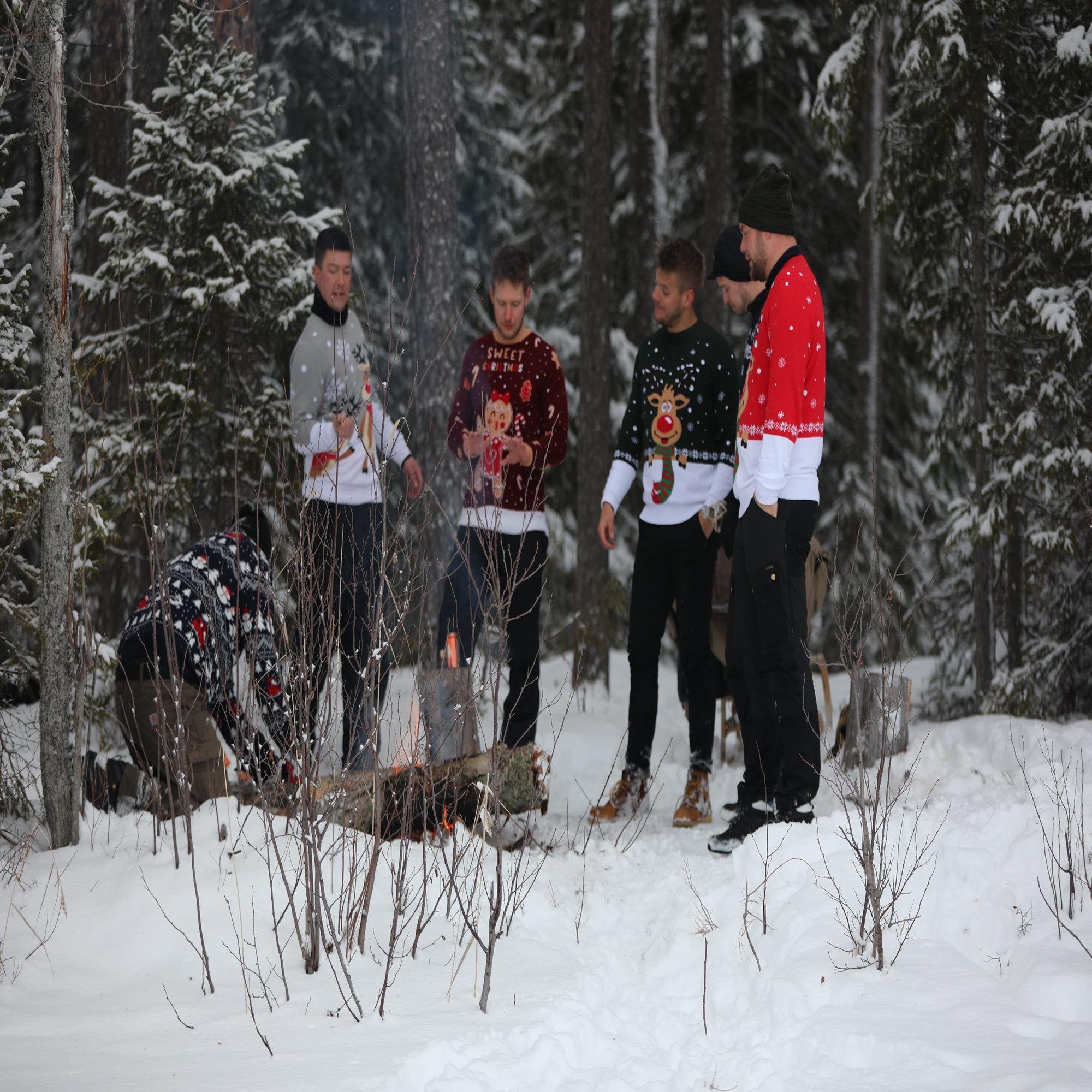
Note: In many modern homes gift giving has increased around Hanukkah, partly because of the surrounding winter culture. For those who want a neutral seasonal touch, a festive Christmas sweater can be a way to feel cosy at a communal meal or singalong without mixing religious meanings.
Tone and tradition in shared seasons
Whether a household leans into Hanukkah, enjoys secular seasonal customs, or keeps both holidays distinct, the sensory threads are similar: warm knitwear, the crackle of candles, the aroma of baked treats, and the low hum of music. These elements create an inclusive warmth that many people seek in winter. Choosing symbols and activities that respect everyone’s beliefs helps gatherings feel welcoming.
Frequently asked questions
Do Jews celebrate Christmas?
Most Jews do not celebrate Christmas as a religious holiday because it is rooted in beliefs about Jesus that Judaism does not share. Some individuals take part in secular seasonal customs for social or cultural reasons.
Is Hanukkah the Jewish Christmas?
Hanukkah is a distinct Festival of Lights with its own history and tradition. It is sometimes called a Jewish counterpart to Christmas because of timing and modern gift practices, but the two holidays are historically and theologically different.
What are the main Hanukkah traditions?
The main traditions include lighting the hanukkiah over eight nights with the shamash, eating foods fried in oil like latkes and sufganiyot, playing dreidel and attending community menorah lightings.
Do Jewish people put up Christmas decorations or give gifts?
Practices vary. Some households adopt neutral winter decorations and exchange gifts for cultural reasons. Others avoid explicitly Christian symbols and focus on their own festivals instead.
Can Jews attend Christmas events?
Attendance depends on personal belief and family norms. Many attend social gatherings and enjoy seasonal entertainment without participating in religious elements, while others prefer separate celebrations.
Also view
15 January 2026
Picture a small family movie night by the tree: soft lights, low conversation and a stack of options for christmas movie recommendatio...