


17 January 2026
How do you celebrate Christmas in Italy?

Streets and piazzas glow from early December through January, with nativity scenes placed in public squares and families gathering for long, celebratory meals that sweep across multiple evenings. Lights typically appear after the Feast of the Immaculate Conception and remain through Epiphany, so you will often find towns still decorated on January 6 while kitchens keep producing seasonal sweets.
Season overview
The season blends church services, public displays and food-focused family time. Expect church-centered events such as midnight services, carefully arranged nativity displays where the infant figure is often added on Christmas Eve, and local markets offering seasonal treats. Food and family meals form the social backbone: a lighter evening on Christmas Eve for many, followed by a long, multi-course lunch on Christmas Day featuring regional dishes and classics like panettone. Public lighting, markets and small concerts create a lively backdrop that varies from city to village.
What to expect
- Church services and community gatherings in town squares.
- La Vigilia customs on Christmas Eve with seafood in many coastal areas.
- Large family lunches on Christmas Day with regional mains and sweets.
- Epiphany traditions and small gifts for children in some regions.
Family moments and festive dress
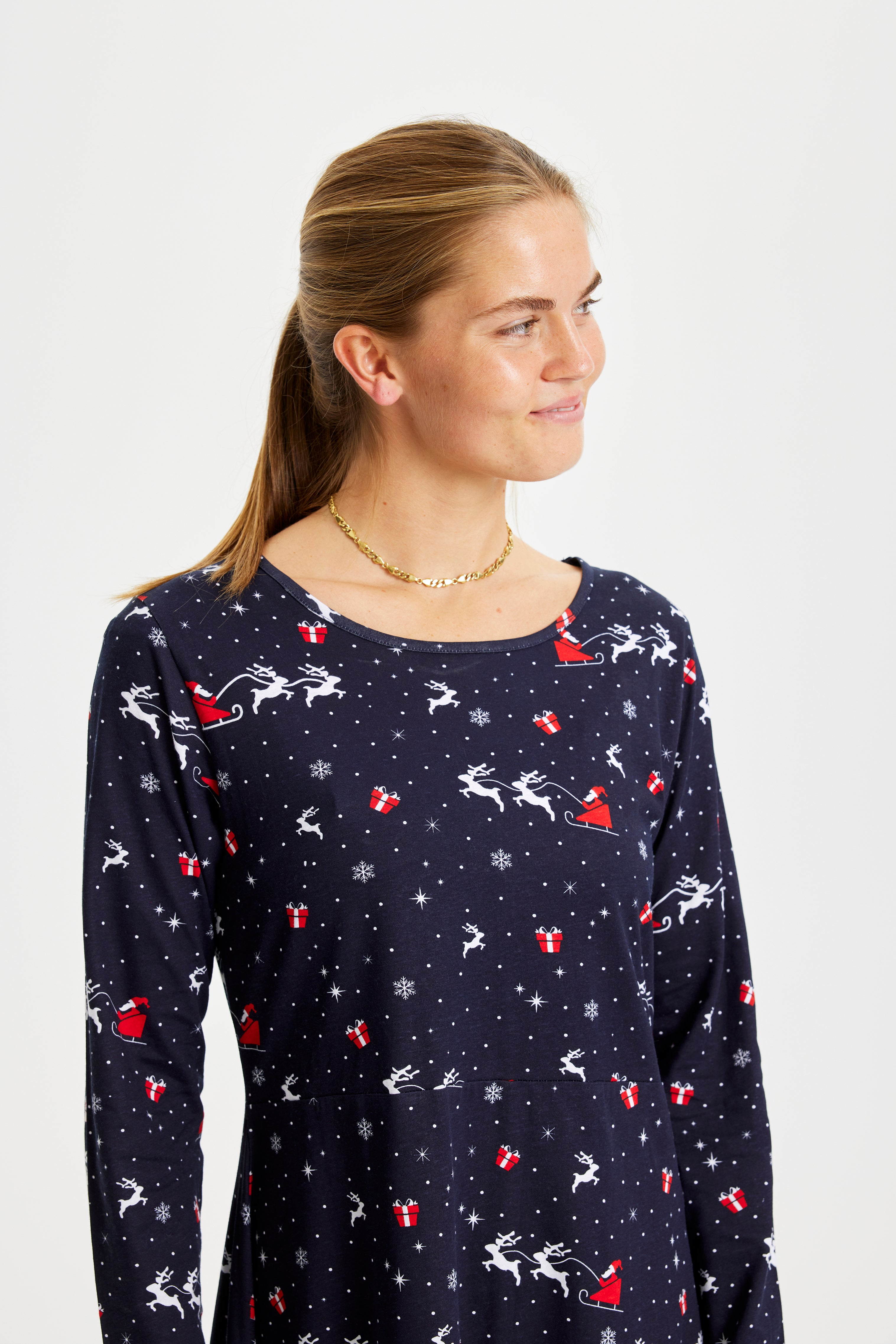
Meals and markets are ideal moments to join in the atmosphere and to bring a touch of playful dress. When families sit down to a long Christmas Day lunch, a simple, themed Christmas sweater can add warmth to the table without overshadowing the food. For gatherings with children, consider a kids Christmas sweater that coordinates with family photos and small gift exchanges. Office parties and informal concerts are also places where a funny christmas sweater makes for easy conversation and a memorable photo.
If you want ideas for casual holiday garments to wear while exploring markets or attending a nativity display, browse the site collections for options in styles and sizes. For matching family looks that work from market strolls to after-dinner games, check seasonal ranges that include sweaters and coordinating accessories.
Key dates and what happens
The Italian Christmas season follows a clear rhythm that guides public life and family plans. On 8 December many towns light their streets and erect trees and nativity displays. Christmas Eve is often a family evening meal known as La Vigilia, with seafood featured in many coastal households and the infant figure usually placed in the presepe that night. Christmas Day brings the main family lunch with multiple courses and sweets such as panettone or pandoro. The day after, St. Stephen’s Day, is a public holiday that often extends gatherings. New Year’s Eve combines communal dinners and fireworks, and the season commonly concludes on 6 January with La Befana, when children may receive small gifts.
Religious customs and presepi
Nativity scenes, or presepi, appear in churches, piazzas and private homes, sometimes as elaborate tableaux with moving figures. In many places the figure of the infant Jesus is added to the scene on the evening of 24 December, a small but meaningful moment in community rituals. Midnight Mass and other church services remain important for many families, serving as a focal point for local celebrations and for processions that take place in some towns.
Food and meals across the season
The seasonal meal pattern is consistent: a lighter dinner on Christmas Eve followed by a long, multi-course lunch on Christmas Day. Coastal regions characteristically serve several seafood dishes on La Vigilia, while inland areas may centre the lunch on rich pasta courses, stuffed pastas or roasts. Desserts play a steady role from early December through Epiphany, with panettone and pandoro widely enjoyed alongside regional specialties. Markets and bakeries ramp up production in advance, so seasonal sweets are typically available well before the main holidays.
Gift-giving and children’s traditions
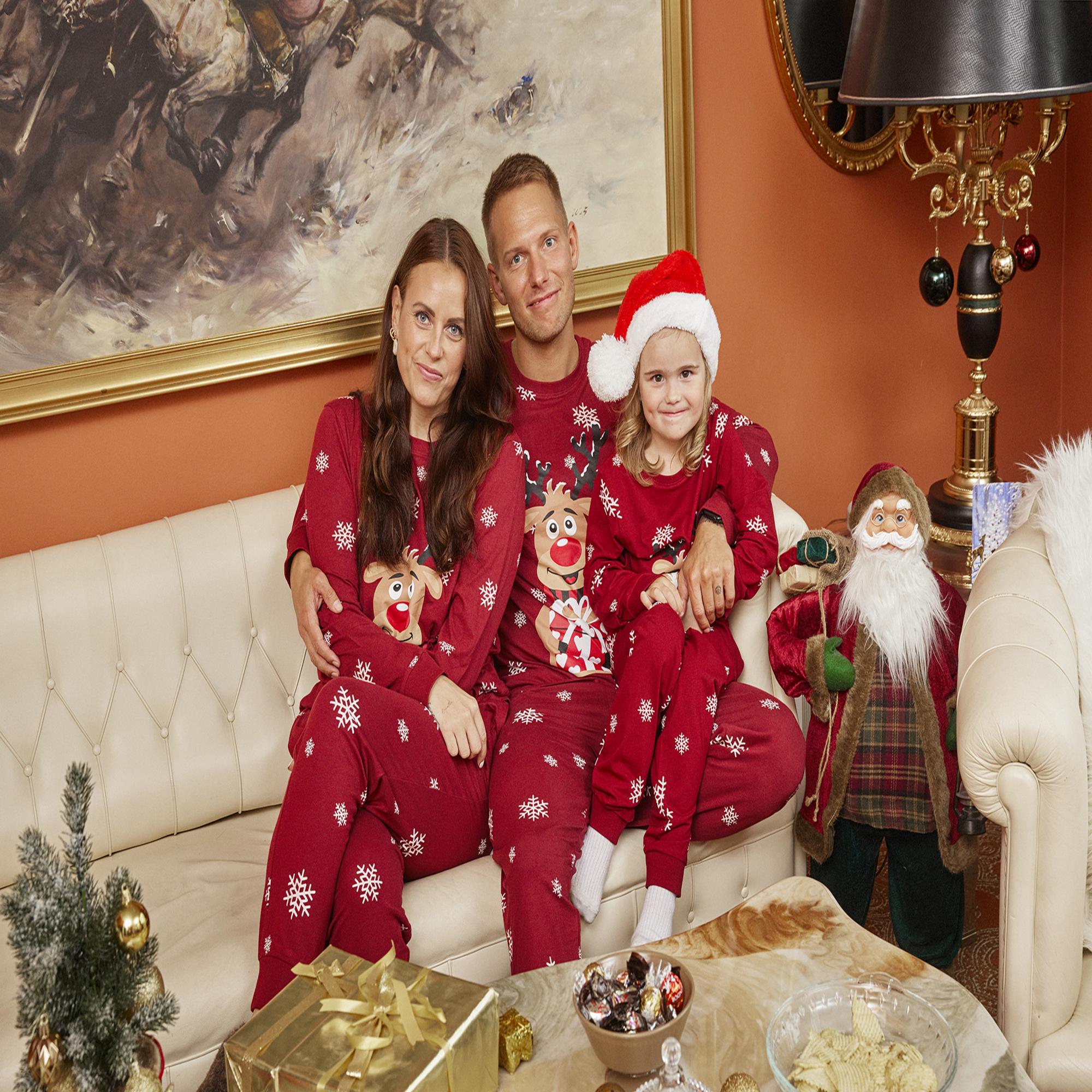
Gift practices vary by area and family. In many urban and northern households Babbo Natale brings presents around 25 December, and in other places children anticipate La Befana on 6 January. Saint Lucy is celebrated in parts of the north with its own local customs that sometimes include small gifts. For festive photos and family gatherings, matching garments are popular; consider coordinated options for adults and children to create a cohesive look at the table. See selections of womens christmas sweater and mens christmas sweater together, and find a cheerful kids christmas sweater for the youngest guests.
Markets, lights and public events
Christmas markets, called mercatini, appear across towns and cities offering crafts, sweets and decorative presepi figures. Public lighting and town trees typically remain on from early December through Epiphany, and many communities organise concerts, small fairs and live nativity performances that vary in scale between urban and rural settings. These public events create easy opportunities to taste seasonal treats, pick up handmade gifts and watch local traditions in action.
Practical notes for visitors
Expect closures on 25 and 26 December and on 1 and 6 January, with smaller shops sometimes shutting for additional days in small towns. If you plan to attend a family-style lunch or a public concert, reservations and early bookings are advisable where possible. Markets will offer a broad selection of seasonal sweets and local handicrafts well before the main holidays, so shopping in advance can be both convenient and more relaxed.
Quick checklist for enjoying the season
- Visit presepi in churches and public squares, especially on Christmas Eve.
- Try a La Vigilia seafood menu in coastal areas and a hearty multi-course lunch on Christmas Day.
- Explore mercatini for sweets and handcrafted nativity figures.
- Plan for public holidays when shops and services may be closed.
- Coordinate festive outfits for family photos and gatherings, from adults to children.
Regional flavours and local traditions
Walk from the Alps to the Mediterranean and you will feel how Italy’s Christmas season changes with the landscape. In the north, you might inhale the sweet scent of panettone and spot markets filled with tall, fruit-studded loaves. In central Italy, the air often carries the spice of panforte and the sight of elaborate presepi in tiny stone piazzas. In the south, citrus notes mingle with the briny memory of the sea and ricotta-based sweets appear alongside seafood menus. Each region keeps its own tempo and signature dishes, so a festive table in one town can feel quite different from the next.
Urban centres dazzle with lights and large mercatini while villages favour intimate live nativity scenes and processions. In small towns you may hear the bagpipe-like tones of zampognari as they move between squares. In cities, concerts and large outdoor presepi draw crowds who browse stalls, sip warm drinks and linger over the texture and smell of freshly baked treats. These sensory moments are part of the season’s charm.
Practical notes for savouring the season
When you travel or join local festivities, keep a few simple points in mind. Many shops and public services close on 25 and 26 December and on 1 and 6 January. Booking ahead for a long Christmas Day lunch or a concert can spare you disappointment. Markets ramp up weeks before the Feast of the Immaculate Conception on 8 December, so if you want specific sweets or artisan presepi figures, plan to arrive early.
Dining is unhurried. A multi-course family lunch can stretch for hours, filled with conversation, the clink of cutlery and the warmth from knitted layers as people move between table and terrace. To feel comfortably at home among locals, pick garments that allow both warmth and a touch of festivity. A cosy christmas sweater works well for a market stroll, while matching loungewear makes an evening by the tree feel complete. For slow mornings or late-night coffees after a concert, consider soft christmas pajamas for lingering at home.
Respect for tradition adds to the atmosphere. The infant figure in the presepe is often placed on Christmas Eve, a modest public moment observed across towns. If you attend midnight Mass or a local procession, arrive a little early to drink in the scent of pine, the hush of incense and the harmony of carols. Markets offer more than souvenirs; they provide a living glimpse of seasonal craft and taste.
Frequently asked questions
When does the Christmas season in Italy begin and end?
The season is commonly observed from 8 December, the Feast of the Immaculate Conception, through 6 January, Epiphany.
What is typically eaten on Christmas Eve in Italy?
Many families follow La Vigilia with seafood dishes, though customs vary regionally and by family tradition.
What do Italians eat on Christmas Day?
Christmas Day usually features a long, multi-course family lunch with regional specialties such as tortellini in broth, roasted meats or polenta dishes and desserts like panettone or pandoro.
Who brings gifts in Italy and when?
Gift-giving varies: Babbo Natale often brings presents around 25 December in many areas, while La Befana on 6 January remains a traditional figure associated with small gifts.
What are presepi and how are they used at Christmas?
Presepi are nativity scenes rooted in St. Francis’s tradition; they appear in churches, public squares and homes, sometimes with the infant Jesus added on 24 December.
Are Christmas markets common in Italy?
Yes. Mercatini appear across towns and cities offering crafts, sweets and regional specialties, with local differences in scale and duration.
What is the difference between panettone and pandoro?
Panettone is a domed, fruit-studded sweet bread from Milan. Pandoro is a soft, star-shaped sweet bread from Verona, usually dusted with icing sugar.
Are there notable regional differences in celebrations?
Definitely. Cuisine, musical traditions, the prominence of Befana versus Babbo Natale and the style of presepi vary between north, centre and south.
Is midnight Mass widely attended?
Many Italians attend midnight Mass or other church services on Christmas Eve or Christmas Day, though attendance varies by community.
When do public decorations usually go up and come down?
Decorations typically go up around 8 December and remain through Epiphany on 6 January, but local timing can differ by town or city.
Also view
17 January 2026
Spain’s Christmas season stretches far beyond a single night, mixing solemn masses, boisterous street parades and long family meals ac...