
17 November 2025
How is Christmas celebrated?

The ways people celebrate Christmas vary widely around the world, and the question how is christmas celebrated invites both familiar routines and surprising local customs. Whether communities center on religious services, large family meals or lively public events, the mix of practices shows both shared themes and distinct local color.
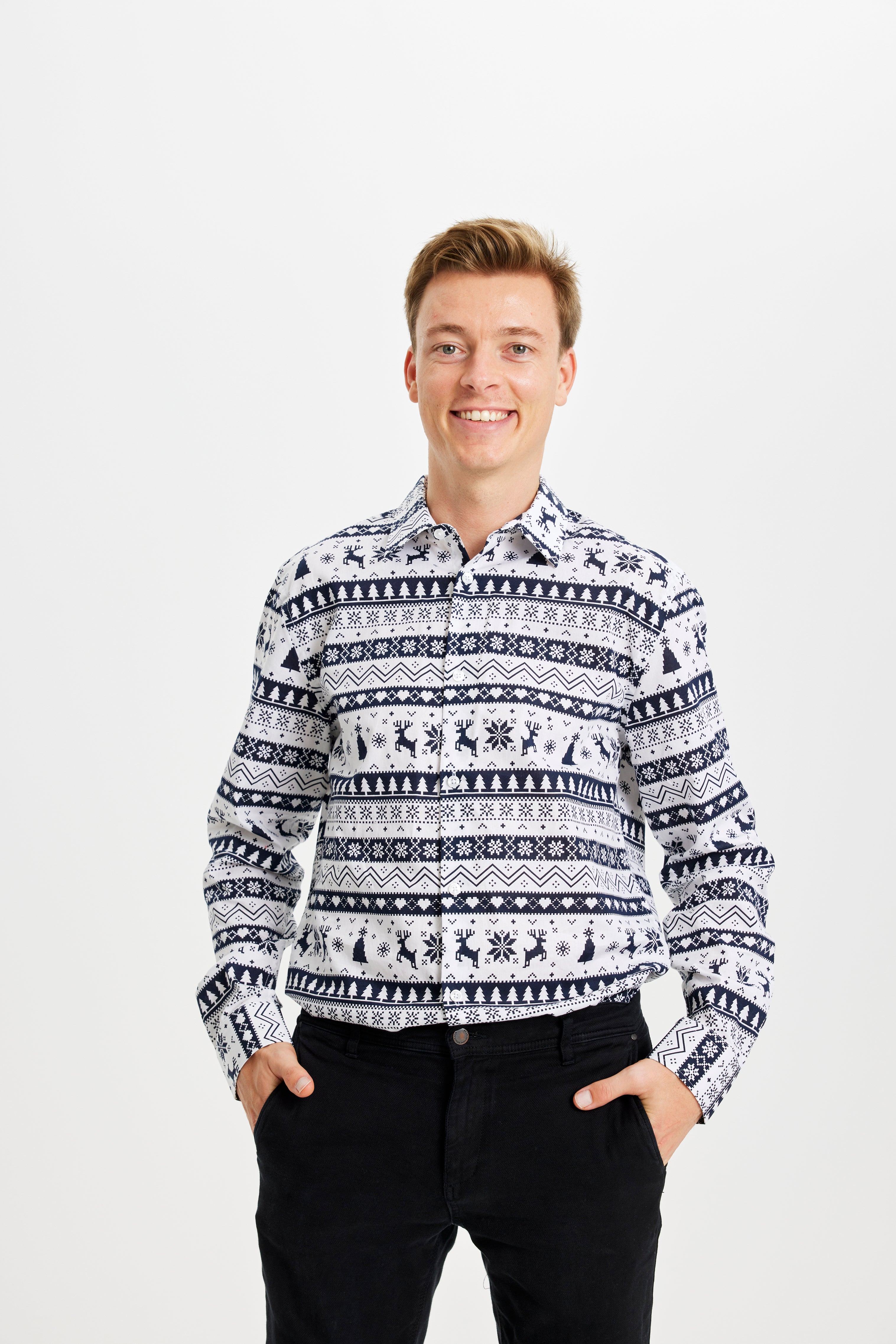
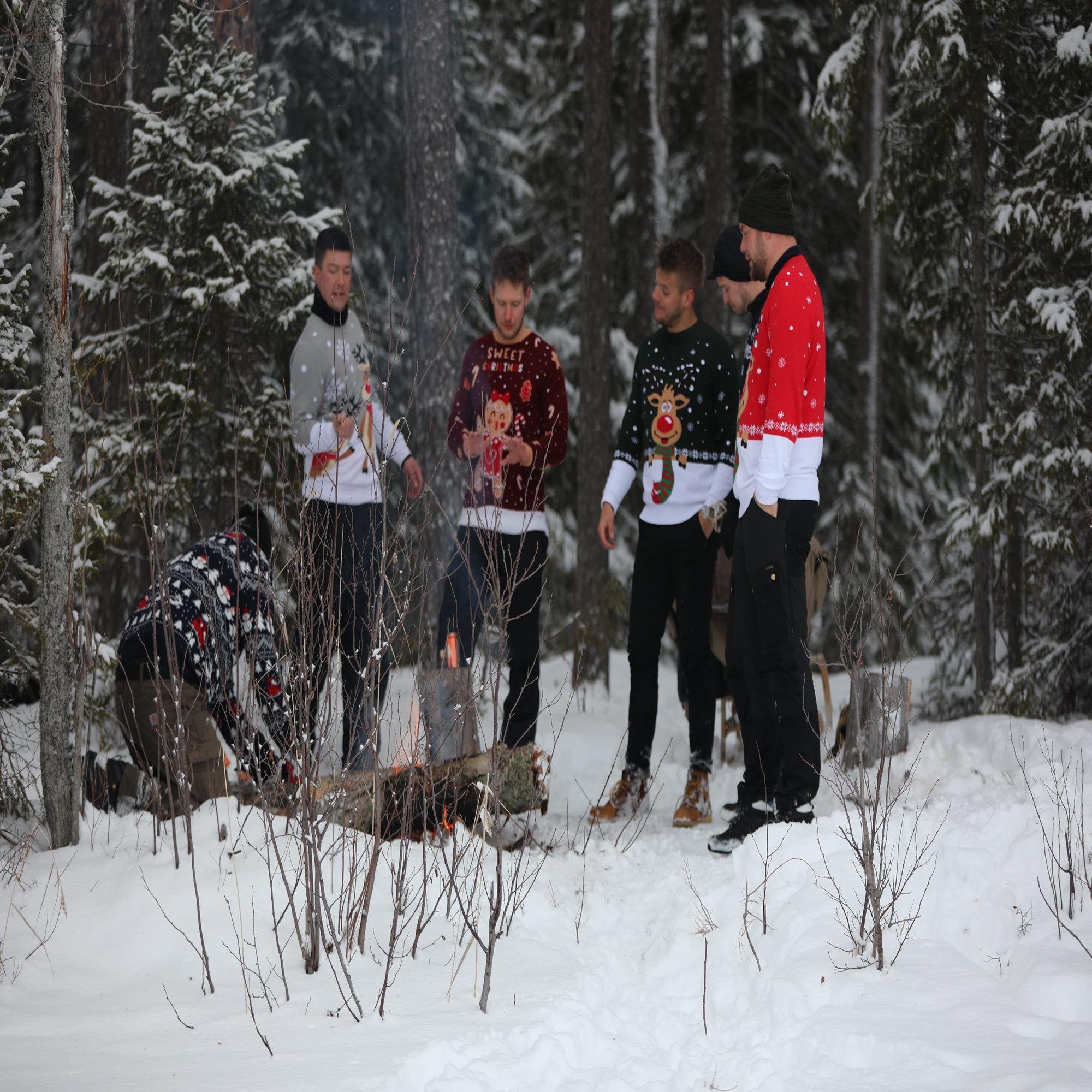
Across many cultures common elements include family or community gatherings, special festive meals, lights and decorations, gift giving and, for those who observe it, church services. Specific rituals, however, depend on local faith traditions, climate and family history; some places focus on Christmas Eve, others on Christmas Day, and many extend the season with pre-Christmas observances and post-Christmas holidays. Festive attire is often part of the picture too, from classic knit patterns to novelty items like an ugly christmas sweater for group photos or coordinated outfits for children.
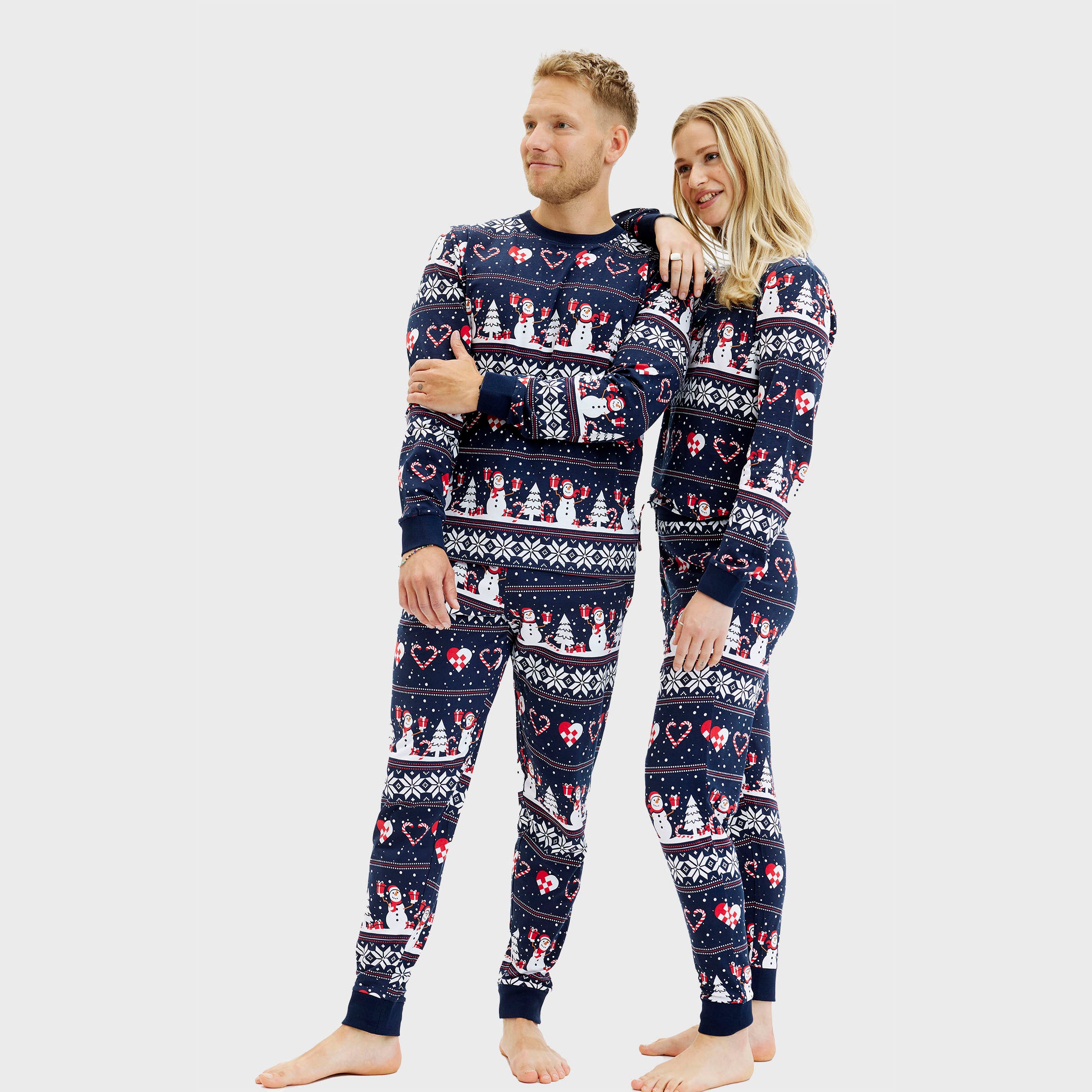
To explore practical patterns and ideas, the next sections will describe typical rhythms, notable country customs and seasonal highlights, and offer ways to bring international touches into your own home celebrations. If you plan a family gathering, consider simple coordinated looks such as a classic Christmas sweater or matching Christmas pajamas for cozy moments with relatives and guests. For playful group photos or themed parties, an ugly christmas sweater can be an easy way to spark laughter and shared memories.
Quick timeline overview
- Advent and other pre-Christmas observances that prepare households and communities
- Christmas Eve and Christmas Day as focal celebration days in many countries
- Post-Christmas observances such as Boxing Day, second Christmas Day and Epiphany
Religious and secular elements
Across many countries Christmas combines religious observance and secular family practices. Church services, nativity plays and midnight masses remain central in communities where faith is a focal point, while secular rituals such as decorating, gift exchange and festive meals serve social and familial roles in both religious and nonreligious households. Public events and municipal lighting ceremonies often bring communities together, and local customs determine which day is most important for communal worship or family gatherings.
Common shared elements
Despite local differences there are several elements that appear in many celebrations. Decorations and lights, whether a central tree, wreaths or public displays, create a visible season. Festive meals and regional desserts mark the occasion with specific recipes and timing. Music, from traditional carols to contemporary seasonal playlists, accompanies gatherings. Gift exchange and seasonal markets serve social and commercial functions, and many countries treat one or more days as public holidays so families can meet and celebrate.
Scandinavian customs and family rituals
In Scandinavian countries the main family celebration often takes place on the evening of 24 December, with continued observances on the following days. Typical household rituals include an evening family dinner, giving gifts after or around the meal and singing or even dancing around the Christmas tree. Seasonal preparations during Advent feature wreaths and candle lighting, and many households follow an advent calendar tradition to mark the countdown. Typical festive menus include roast poultry or pork with boiled potatoes and braised red cabbage, followed by a rice pudding served with a hidden almond as a playful tradition during dessert.
Festive attire and coordinated looks
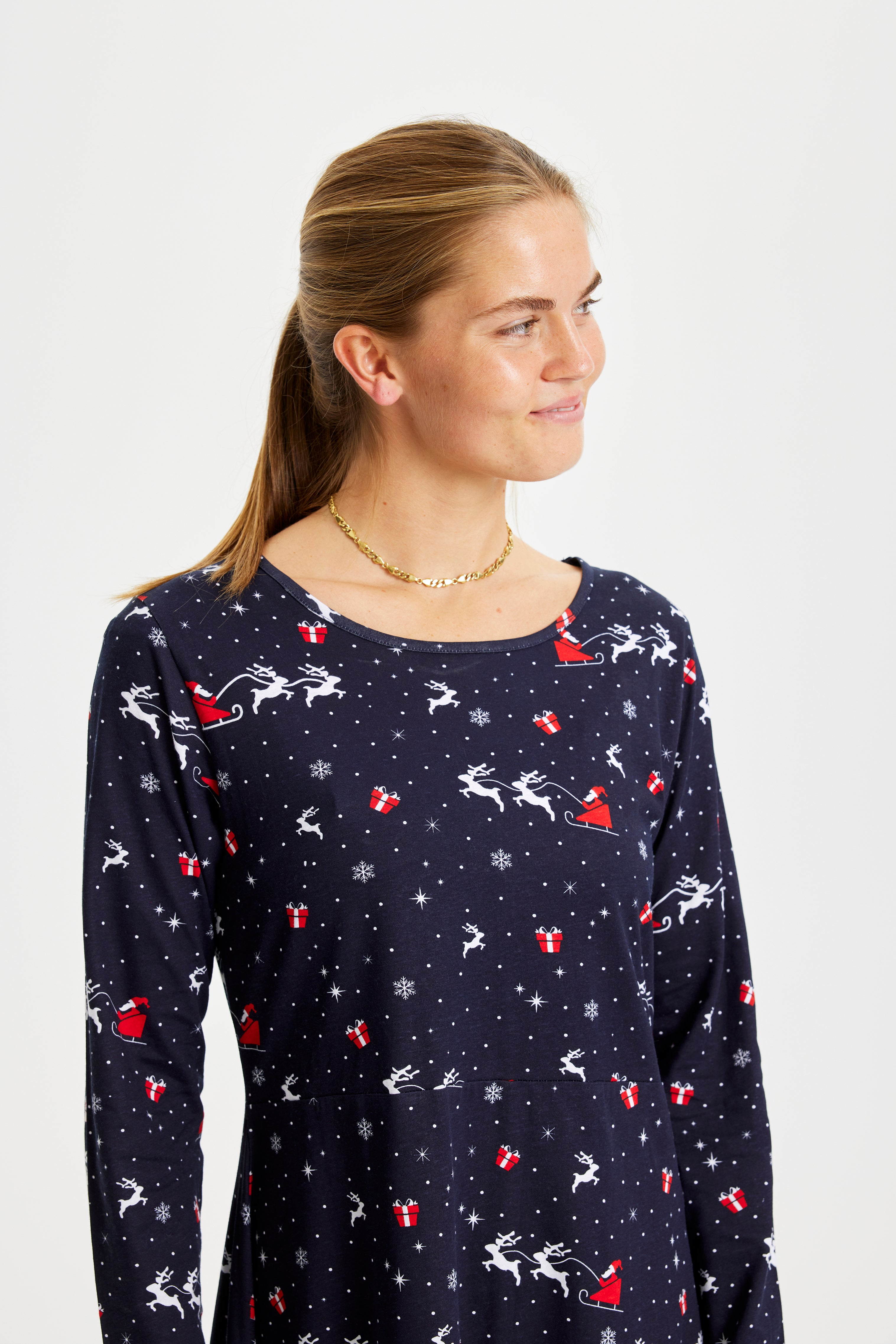
Clothing is part of the social signal for many gatherings. For coordinated looks consider womens christmas sweater and mens christmas sweater for a matched family appearance, or choose matching christmas pajamas for relaxed, cozy photos on the morning of a holiday. Novelty pieces such as an ugly christmas sweater appear at themed parties and informal reunions, while more formal garments are common for evening meals and public events.
Selected international snapshots
United Kingdom celebrations emphasize Christmas Day with traditional items like mince pies and Christmas pudding, and Boxing Day often brings sporting events and theatre performances. In Mexico and parts of Latin America community processions such as Las Posadas recreate nativity scenes and often include communal gatherings and regional treats. The Philippines features a notably extended festive season with early morning masses known as Simbang Gabi and strong church participation. Venezuela includes distinctive public processions in some cities and, in certain places, colourful communal ways of travelling to services. In South Africa many celebrations take place outdoors during summer and often centre on barbecues and beach gatherings. In Kenya and other East African areas communities adapt decorations and gatherings to local climates and available resources. Greenland blends Scandinavian and indigenous customs with local foods and community events suited to Arctic conditions.
Unusual customs that highlight diversity
- Processions and role-playing events such as Las Posadas in parts of Latin America.
- Dawn mass series in some countries that extend the religious observance into everyday life.
- Outdoor summer celebrations in southern hemisphere countries that invert the winter image common elsewhere.
- Locally specific food traditions or activities that may seem surprising to visitors but are meaningful within their communities.
Practical patterns and social functions
Climate and seasonality shape where and how people gather, whether indoors around a warm meal or outdoors in summer sunlight. Immigration and global media spread and blend traditions so urban areas often present multicultural celebrations. Across contexts communities commonly combine religious services with family rituals, and many households adopt a few public or commercial elements—markets, concerts or televised specials—to complement private gatherings.
How climate and community shape celebrations
Where you are in the world changes the way Christmas feels. In cold northern towns the scent of pine and warm spice from the oven fills tight, candlelit rooms. People gather close to share hot drinks, the sound of carols softly rising while the heat from knitted garments and a favourite christmas sweater can be felt. In southern locales the season often arrives with bright sunlight, barbecues on the beach and the smell of salt and smoke rather than roasting spices. Both versions celebrate togetherness, but the textures, temperatures and menu choices reflect the season.
Migration and global media blur borders. In cities you might hear carols in one language, find markets selling treats from several continents and spot a mix of traditional garments alongside novelty items at parties. A family attending a midnight service may then wander past a bustling market where street food and seasonal lights invite conversation. Small touches, like everyone slipping into matching christmas pajamas for a morning coffee, create a sense of shared comfort across cultural lines.
Planning and common components
Many celebrations include similar building blocks, even if the details differ. Thinking through these components makes it easier to plan a gathering that feels both familiar and personal.
- Decorations. Public light displays and an indoor tree set the scene. Wreaths, table centrepieces and subtle scented candles add depth to the atmosphere.
- Meals. Holiday feasts often follow a clear order: starters or shared plates, a main course that highlights local ingredients, and a signature dessert that carries family meaning.
- Music and performance. From choirs and carol singing to televised specials and local folk songs, music frames the day and invites participation.
- Public observances. Markets, parades and church services give structure to the season and create occasions to meet neighbours and friends.
When you prepare, think senses: the crackle of candles, the weight and warmth of a knit, the aroma of roasted herbs or citrus, and the mix of laughter and recorded favourites that plays in the background. Wearing comfortable seasonal clothing, like a classic christmas sweater, can make simple moments feel intentional and festive without heavy preparation.
Small ideas to bring the world into your home
Invite variety by borrowing one element from another tradition. Serve a coastal seafood dish alongside a traditional roast, add a procession-style walk with lanterns before dinner, or play an international playlist between courses. These choices create new memories while keeping the core: food, light, music and company. The goal is warmth and welcome, not perfection.
Frequently asked questions
When is Christmas celebrated?
Dates and focal days differ. Many countries centre celebrations on 24 and 25 December, while others emphasise 6 January or stretch the season with extended observances. Public holidays often include 25 December and, in some places, 26 December.
Is Christmas primarily a religious or secular holiday?
It is both. In many communities religious services sit alongside secular family practices such as gift exchange, special meals and public festivities. The balance depends on local faith traditions and family preferences.
What foods are typical at Christmas?
Menus reflect climate and history: roast meats and rich stews in winter regions, seafood or barbecues where summer reigns, and distinctive desserts that carry local meaning. Meals are often structured with shared starters, a notable main dish and a signature dessert.
How do Scandinavian traditions stand out?
Scandinavian celebrations commonly place the main family gathering on the evening of 24 December, with Advent candles and countdowns beforehand and lingering observances afterwards. The mood tends toward cosy indoor gatherings, familiar seasonal dishes and music that threads the evening together.
What are some unusual traditions around the world?
There are many local customs that surprise outsiders: dawn mass series in certain countries, outdoor summer feasts in the Southern Hemisphere and processional events that draw entire neighbourhoods into the celebration.
Do dates vary by church tradition?
Yes. Different denominations and liturgical calendars can place emphasis on different feast days, and some churches follow alternate calendars that shift the dates of their major observances.
Quick facts
- Most Scandinavian countries celebrate the main family evening on 24 December.
- The Philippines is known for a long, early-starting festive season with community masses.
- Southern Hemisphere celebrations often feature outdoor cooking and beach gatherings.
- Urban centres frequently blend traditions through migration and media exposure.
- Small sensory touches—light, scent and texture—shape the perceived warmth of any gathering.
Also view
15 January 2026
Picture a small family movie night by the tree: soft lights, low conversation and a stack of options for christmas movie recommendatio...