
1 December 2025
How long does Christmas last?

People ask how long Christmas lasts because it can mean different things: a set of public holidays or a broader cultural season that stretches across weeks. Think of it both as specific calendar days for closures and as a chain of family moments, rituals and informal endpoints that vary by household.
Quick summary
From an official perspective many countries concentrate core public Christmas days around 24 to 26 December with 25 and 26 often treated as statutory holidays. From a cultural perspective many people start with Advent or 1 December and extend celebrations through New Year or up to Epiphany on 6 January. If you want to keep the spirit alive throughout the season, a simple change of wardrobe such as rotating a Christmas sweater for gatherings can help maintain momentum.
What this part covers
- Official holiday windows and common calendar markers
- Cultural start and end points that people commonly follow
- A brief look at how to plan family time and simple sartorial ideas to stretch the season
Family moments and simple planning
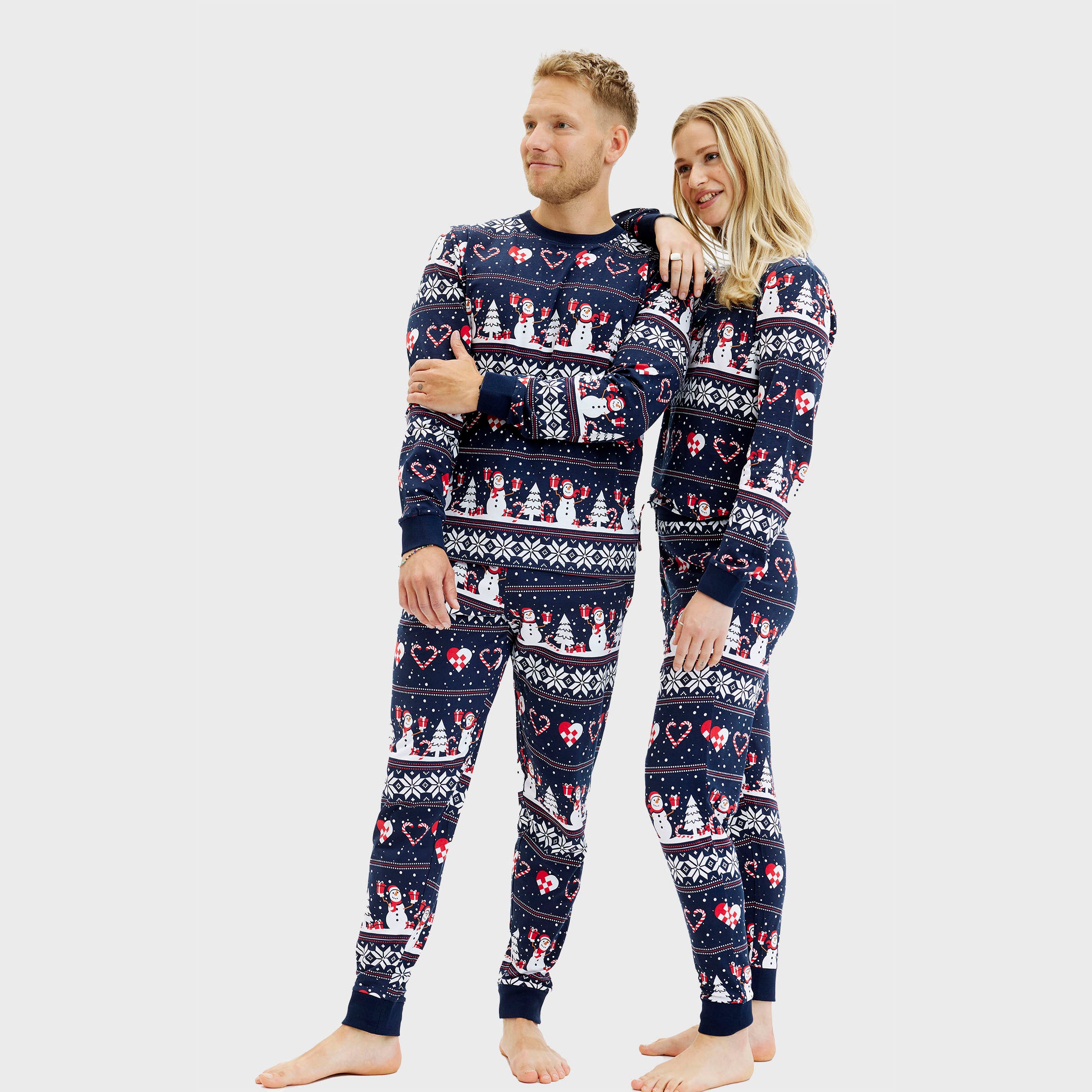
Core family gatherings tend to cluster on the main holiday days but the weeks around them are full of visits, small parties and relaxed mornings. If you plan multi day visits consider packing a mix of festive pieces like a classic Christmas sweater for dinners, themed kids outfits for family photos and matching Christmas pajamas for cozy mornings. For a playful touch at mixed adult gatherings an ugly Christmas sweater can break the ice and bring laughs without much effort.
Officielle dage og kalendermarkører
I kalenderen drejer mange fejringer sig om tre tætpakkede dage: 24. december som juleaften, 25. december som første juledag og 26. december som anden juledag. I en række lande er 25. og 26. december formelle helligdage, mens 24. december oftest opleves som en kulturelt vigtig aften uden samme juridiske status. For planlægning af arbejde og skole er det derfor altid en god idé at tjekke den konkrete offentlige kalender i din region.
Skole- og ferieperioder
Skoleferier omkring jul varierer, men et typisk vindue starter i tredje eller fjerde decemberuge og strækker sig ind i de første dage af januar. Mange familier holder fri fra omkring 20. til 23. december og vender tilbage til hverdag mellem 2. og 4. januar, afhængigt af lokale beslutninger. Dette skaber et fleksibelt interval hvor rejser, familieaftaler og arbejdsplaner ofte tilpasses de centrale højtidsdage.
Kulturelle markører der udvider sæsonen
Advent fungerer for mange som starten på juleperioden med adventskalendere, adventskransen og små nedtællinger fra 1. december og frem mod juleaften. Selve juleaften opfattes ofte som aftenens højdepunkt for familiefejringer, mens dagene derefter indbyder til besøg, arrangementer og langsom genoptagelse af hverdagen. Nogle vælger at fastholde festlighederne gennem nytår, og andre holder sæsonen åben helt til Helligtrekongersdag den 6. januar.
Forslag til en overskuelig tidslinje
- Advent: 1. december til 24. december — forberedelser og nedtælling.
- Kernejul: 24. december til 26. december — hovedfejringer og helligdage.
- Efter jul: 27. december til 31. december — familiebesøg, sociale sammenkomster og roligere dage.
- Nytår: 31. december til 1. januar — ofte betragtet som afslutning af ferieperioden.
- Helligtrekongersdag: 6. januar — traditionelt sidste dag i den kirkelige julenævnelse, men praksis varierer.
Praktiske tips til planlægning
Når du lægger planer for besøg eller rejser, så husk at de tungeste trafiktidspunkter og fulde tog forekommer lige før og lige efter kernedagene. Til familiesammenkomster er det praktisk at planlægge hovedarrangementer på 24. eller 25. december og bruge dagene omkring til mindre sociale besøg. Med hensyn til pyntning vælger mange at sætte dekorationer op i begyndelsen af december og tage dem ned mellem nytår og Helligtrekongersdag afhængigt af personlig præference.
Sådan holder du sæsonen i gang med tøj
En enkel måde at markere overgangen mellem faser er med tøjvalg: vælg en pyntet Christmas sweater til aftenens middag, skift til matching christmas pajamas til morgenerne med familien og brug mere afdæmpede festkjoler eller skjorter til eftermiddagsbesøg. Se vores udvalg af womens christmas sweater og mens christmas sweater, og til fælles morgener kan du kigge på christmas pajamas som nemt skaber sammenhæng i billeder og stemning.
Afsluttende overvejelser
Der er ikke én korrekt længde på juleperioden. For nogle afsluttes den ved udgangen af december, mens andre fastholder traditionen frem til Helligtrekongersdag. Ved at kende de officielle helligdage, planlægge ferieperioder og tænke i praktiske tøjskift får du et klart overblik, der gør det lettere at koordinere familiebesøg, transport og hyggelige stunder gennem hele sæsonen.
Practical distinctions to know
When you ask how long does Christmas last, the answer depends on which lens you choose. Some matters follow legal calendars, while others follow household tradition and personal rhythm. Below are a few clear distinctions that help when you are planning travel, work or simple moments of rest.
- Legal and administrative. Employers and schools usually follow statutory holidays and official announcements. Check your collective agreement or workplace calendar for specifics about 24 December and the days after.
- Cultural and personal tradition. For many, the season is a chain of small events from Advent through New Year or Epiphany. These choices determine when decorations go up and when they come down.
- Retail and services. Shops often reduce hours around the main holiday days and then reopen gradually. If you need groceries or last minute items, plan for limited opening hours on public holidays.
Practical variations and examples
Here are short scenarios to make planning easier and keep the mood intact. Picture the scent of pine and fresh baking, the muffled sound of Christmas music in the background and the warmth from thick knitwear as you move between moments.
Family visit plan. If you travel for several days, expect peak traffic and busy trains on the days around 24 to 26 December. Arrange main dinners on one evening and use the days around them for quiet visits or walks in the snow.
Decorating choices. Some households put up decorations at the start of December and take them down after New Year. Others hold decorations until Epiphany on 6 January in deference to older church traditions. Either choice feels right when you match it to your calendar and the smell of candles and roasting spices in the kitchen.
Keeping the season alive with clothing. A simple rotation of garments can carry the feeling from one week to the next. Wear a cosy christmas sweater for evening meals, swap to relaxed christmas pajamas for slow mornings, and choose neutral festive shirts for daytime visits. The tactile comfort of knit and soft cotton helps preserve the mood between events without turning every moment into a ceremony.
Small timing tips for smoother days
Plan nonnegotiable tasks either before the busiest days or some days after 26 December. That allows you to move through the core celebrations with fewer interruptions. If you host, think about a simple timeline for kitchen prep and music so you can enjoy the company and the sensory comforts of the season.
When gift calendars are part of your routine, remember that Advent calendars traditionally cover 1 to 24 December. If you use a calendar of treats or small tokens, place it somewhere that invites daily attention and the scent of baking, rather than in a drawer where it becomes a forgotten chore.
Frequently asked questions
What are the official Christmas dates in Denmark?
The core calendar days most associated with Christmas are 24 to 26 December. In Denmark, 25 and 26 December are statutory public holidays, while 24 December is widely observed culturally.
Does Christmas officially end on 26 December?
Not necessarily. While 26 December is the second public holiday, cultural and religious traditions often extend the season beyond that date, with many households keeping festivities through New Year or up to 6 January.
When does the Christmas season typically start?
Many begin with Advent and the use of Advent calendars from 1 December. Public observances concentrate on 24 to 26 December, but the lead up is full of small traditions that stretch the feeling across weeks.
Is Epiphany part of the Christmas season?
Historically, yes. Epiphany on 6 January is often considered the traditional endpoint of the season. Modern practice varies and some households end the season at New Year.
When do people usually take down decorations?
Practices vary. Many remove decorations after New Year, while others keep them until Epiphany. Choose the rhythm that preserves the sense of warmth, the glow of lights and the comfort of shared time.
Also view
15 January 2026
Picture a small family movie night by the tree: soft lights, low conversation and a stack of options for christmas movie recommendatio...