
16 January 2026
How many people celebrate Christmas worldwide?

Roughly one in four people on Earth mark Christmas in some form. The most widely cited aggregate figures put the number at about 2 billion people observing on 24 or 25 December and roughly 200 million more who follow 7 January celebrations, giving a commonly quoted combined estimate near 2.2 billion. These are approximations based on population tallies, church calendars and cultural practice.
Direct headline answer
About 2 billion people observe Christmas on 24 or 25 December. An additional circa 200 million observe Christmas on 7 January where the Julian calendar is used. Together the combined estimate often cited is around 2.2 billion people, with variation depending on definitions and data sources.
Context and scope
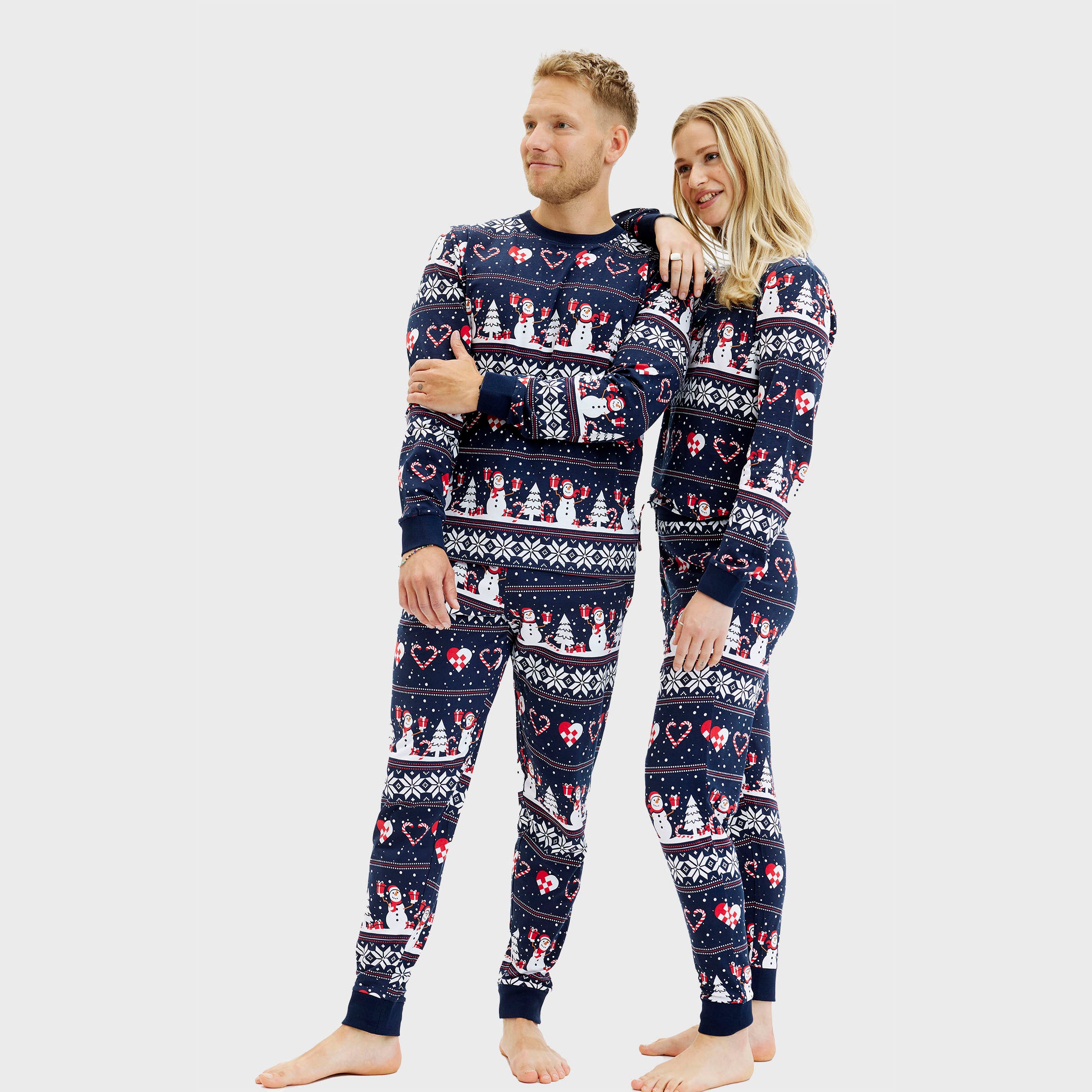
With a global population near 8 billion, that combined figure represents roughly 25 percent of humanity. What counts as “celebrate” varies: for some it is a religious liturgy, for others an official public holiday, and for many a largely cultural or commercial occasion. That definitional range is why totals differ between sources. Family moments such as gift mornings or matching outfits are part of cultural participation, and many households choose coordinated items like a Christmas sweater or matching Christmas pajamas to mark the day.
What comes next
The next sections present source based data, explain date and calendar differences with country examples, and note common limitations in counting. They will also touch on how cultural adoption expands the number beyond strictly religious adherents and why any single global tally should be treated as an estimate rather than a definitive headcount.
Key facts and figures
Most widely quoted compilations converge on two headline numbers. About 2 billion people observe Christmas on 24 or 25 December, and roughly 200 million more mark the holiday on 7 January where churches follow the Julian calendar. Those totals arise from combining church affiliation estimates with national public holiday lists and cultural participation surveys, so they function as well‑informed approximations rather than a single census figure. More than 150 of 195 countries list Christmas as an official public holiday, underscoring legal recognition and broad societal observance in a large portion of the world.
Calendar differences and how they affect totals
The primary split is calendar based. The Gregorian calendar is the basis for the dominant December 24 and 25 observance across Western churches and many secular societies. The Julian calendar used by several Eastern Orthodox churches places their liturgical 25 December on 7 January in the Gregorian system, which accounts for the additional circa 200 million celebrants. Regional customs such as the twelve days of Christmas or local feast days add further variation to when and how celebrations take place, and some communities observe multiple important dates in different ways.
Geographic snapshots and representative examples
Country examples from demographic summaries help illustrate global spread. Large Christian populations in the Americas and Europe contribute heavily to the December total. Sub‑Saharan Africa supplies growing numbers of observants, while Asia contains sizable absolute numbers in countries with relatively small Christian percentages. In nations where Christianity is a minority religion, celebrations still occur: Pakistan has an estimated Christian community of around 5 million, and Iraq and Turkey both contain historical Christian populations that continue to observe the holiday in particular localities. Representative countries with official holidays or notable public observance include the United States, Brazil, the Philippines, Italy, South Africa, Nigeria, Russia, Greece, Ethiopia and Egypt.
Cultural participation beyond formal religion
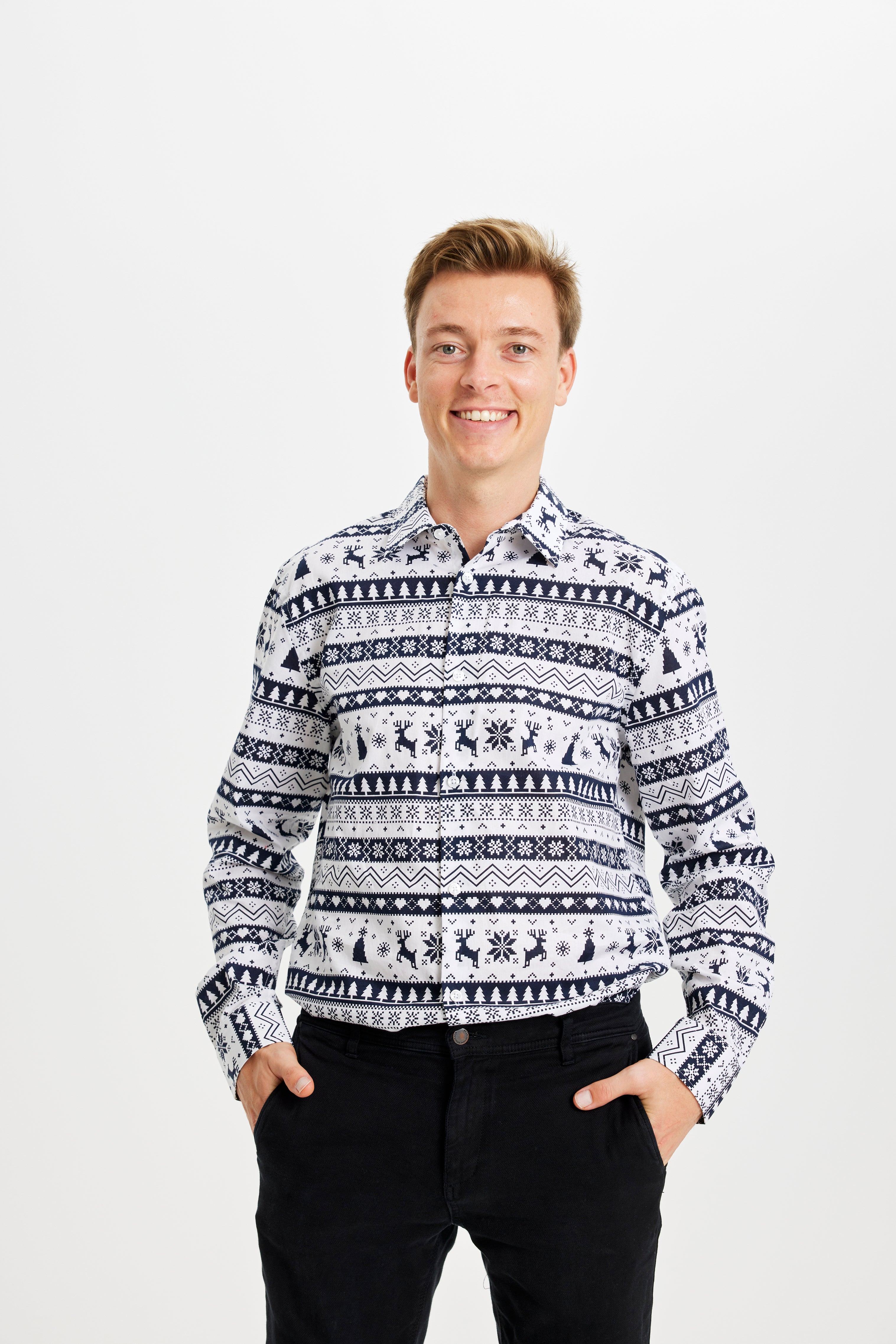
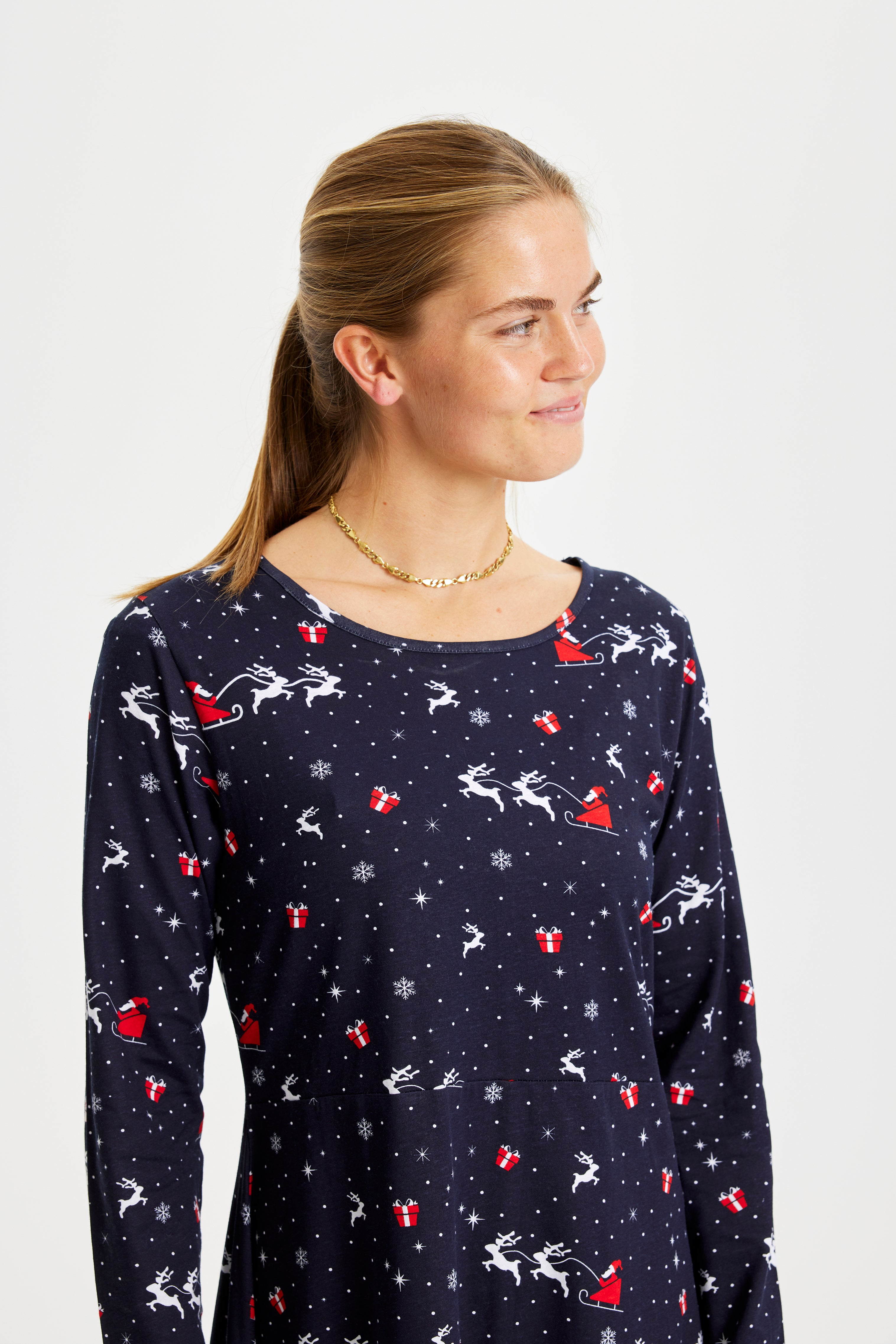
Counting methods that include cultural participation expand the headcount. Non‑religious celebration can involve shared meals, seasonal foods such as panettone in parts of Europe, and commercial rituals that have become regionally specific, for example the popularity of KFC as a festive meal in certain East Asian cities. Many households adopt coordinated clothing items for gatherings, and items like a Christmas sweater or matching Christmas pajamas are common visible markers of cultural participation rather than liturgical observance. These practices mean that totals which include secular participants will be larger than estimates based only on declared religious affiliation.
Putting the numbers in context
With a global population near 8 billion, the combined 2 to 2.2 billion figure corresponds to roughly one quarter of humanity. That proportional view highlights how sensitive totals are to source choices: small shifts in estimates of Christian populations, different definitions of who counts as a celebrant, or changes in survey coverage can move the headline number by tens of millions. Overlap is another factor, since many people both observe religious services and take part in secular customs, which complicates simple addition.
Practical takeaway and links for further inspiration
When you read global estimates, treat them as structured approximations built from several imperfect inputs. For readers thinking about how celebrations look in everyday life, coordinated holiday clothing remains a widespread cultural signal. Explore a choice of styles if you want an easy way to join public festivities, for example a classic Christmas sweater or matching options like matching Christmas pajamas. These items illustrate how the holiday spans liturgy, law and popular custom, and they show one accessible thread that links billions of celebrants around the globe.
Further data considerations
Numbers about how many people celebrate Christmas are useful, but they come with clear limits. Definition sensitivity matters. Some sources count only declared religious adherents, others include anyone who enjoys seasonal customs, and some rely on lists of public holidays. Note: Each choice changes the headline figure. Surveys that include cultural participants will naturally produce larger totals than those restricted to liturgical observance.
Data gaps and variability add another layer. Many countries lack up-to-date, comparable surveys on religious affiliation or cultural participation. Population estimates for faith communities are often rounded, and migration or demographic change can shift regional shares over time. Overlap complicates simple sums. A person may attend a church service, give gifts and wear a festive sweater, so adding separate counts for “religious” and “cultural” observants can lead to double counting unless sources are carefully reconciled.
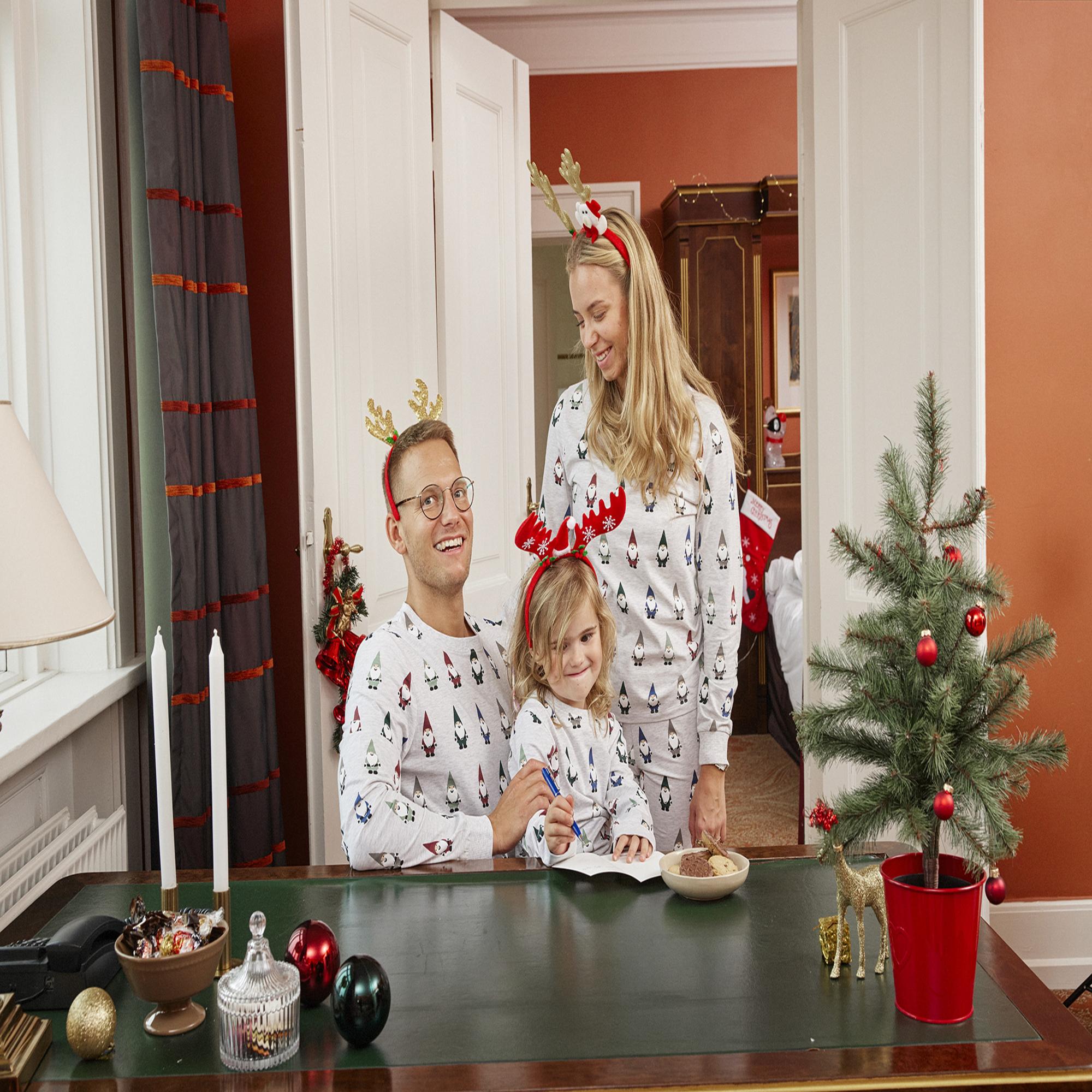
Sensory details make the point practical. Imagine a living room warmed by the smell of pine and fresh baking. In that scene, a family wearing a Christmas sweater or matching pajamas signals cultural participation whether they attended a service or not. These everyday signals are part of why broader estimates often exceed counts based purely on affiliation.
Suggested displays and content elements for clarity
When presenting the figures, visual clarity helps readers understand nuance. Consider these ideas as text descriptions to guide a designer or editor.
Estimated observants by category: A simple display with three rows that describe categories rather than a strict table. Category examples could be Religious (Dec 24/25), Religious (Jan 7), and Cultural participants. For each row include an approximate count range and the primary data basis, for example church membership, holiday legislation or cultural surveys.
Regional snapshot: A short list that highlights the Americas, Europe, Sub‑Saharan Africa, Asia‑Pacific and Middle East & North Africa. For each region provide a one‑line note on prevalence, an illustrative country example and the dominant date of observance. This gives context without implying false precision.
Timeline infographic idea: One thin visual bar that splits Dec 24/25 and Jan 7 with annotated approximate counts and a note that many communities observe both or extend celebration across multiple days. When advent calendars are discussed, note that they typically have 24 doors/gifts as a familiar cultural marker.
Presentation tips: Use ranges rather than single numbers. Add short captions that explain whether the figure is religious, legal (public holiday) or cultural. Provide links to primary sources where possible so readers can explore methodologies themselves.
Practical storytelling angle
Numbers can be humanised. Share a brief vignette about a December evening where church bells mix with holiday playlists, the kitchen is full of the scent of citrus and spices, and relatives compare family traditions while wearing coordinated outfits. Linking the abstract totals to a sensory scene helps readers relate to why roughly a quarter of the world might mark the season in some way. For readers looking for an accessible way to join in, a well chosen Christmas sweater can be a simple, warm signal of shared celebration. For cosy nights in, consider matching options like matching Christmas pajamas that invite communal comfort without claiming any single definition of observance.
Frequently asked questions
How many people celebrate Christmas worldwide?
Common estimates point to about 2 billion people observing on 24 or 25 December and around 200 million who celebrate on 7 January. Combined figures are often cited near 2.2 billion, but totals vary with definitions and data sources.
Why do some people celebrate on 7 January?
That date arises because some churches follow the Julian calendar, which places their liturgical 25 December on 7 January in the Gregorian system.
Is Christmas an official holiday everywhere?
No. Over 150 of 195 countries list Christmas as a public holiday, which shows wide legal recognition but leaves many places where the day is not a national holiday despite cultural observance.
Do non‑Christians count in these totals?
They can, depending on the methodology. Cultural participation such as seasonal meals, gift giving or wearing festive clothing expands the headcount beyond strictly religious adherents.
How reliable are the global numbers?
Reliability depends on source definitions, population estimates and survey coverage. Treat headline figures as informed approximations rather than exact census counts.
Also view
17 January 2026
Christmas often blends cozy home rituals, outdoor festive attractions and cultural traditions that you can adapt to your tastes and sc...