



22 December 2025
How to make eggnog from scratch

Eggnog is a classic holiday drink with a creamy texture and warm spices that works equally well as a festive treat or a make‑ahead party staple. When you pour a glass for guests, the balance of vanilla, nutmeg and a touch of alcohol or non‑alcoholic warmth makes it feel like something special without much fuss.
Short history of eggnog
The drink traces back to medieval posset, a warm milk-and-ale concoction that evolved over centuries into richer, cream‑based versions in colonial North America. Early adaptations used local spirits and extra cream, producing the thicker modern recipes many of us recognize today. Regional variants still show up around the world, from spice-forward versions to lighter, milkier takes.
What you can expect from this guide
Expect a clear, stovetop method that prioritizes food safety while preserving silkiness. You will get a cook-to-safe-temperature approach for a cooked eggnog base, options for alcohol and alcohol-free servings, and texture tips such as when to fold in whipped egg whites or extra cream. Practical notes on storage and basic troubleshooting are included, plus a simple yield and timing summary. Yield example is about 6–8 servings. Typical timing is prep 15–20 minutes, cooking 10–15 minutes and chilling 2–12 hours with resting overnight recommended for best flavor.
Serving moments and festive touches
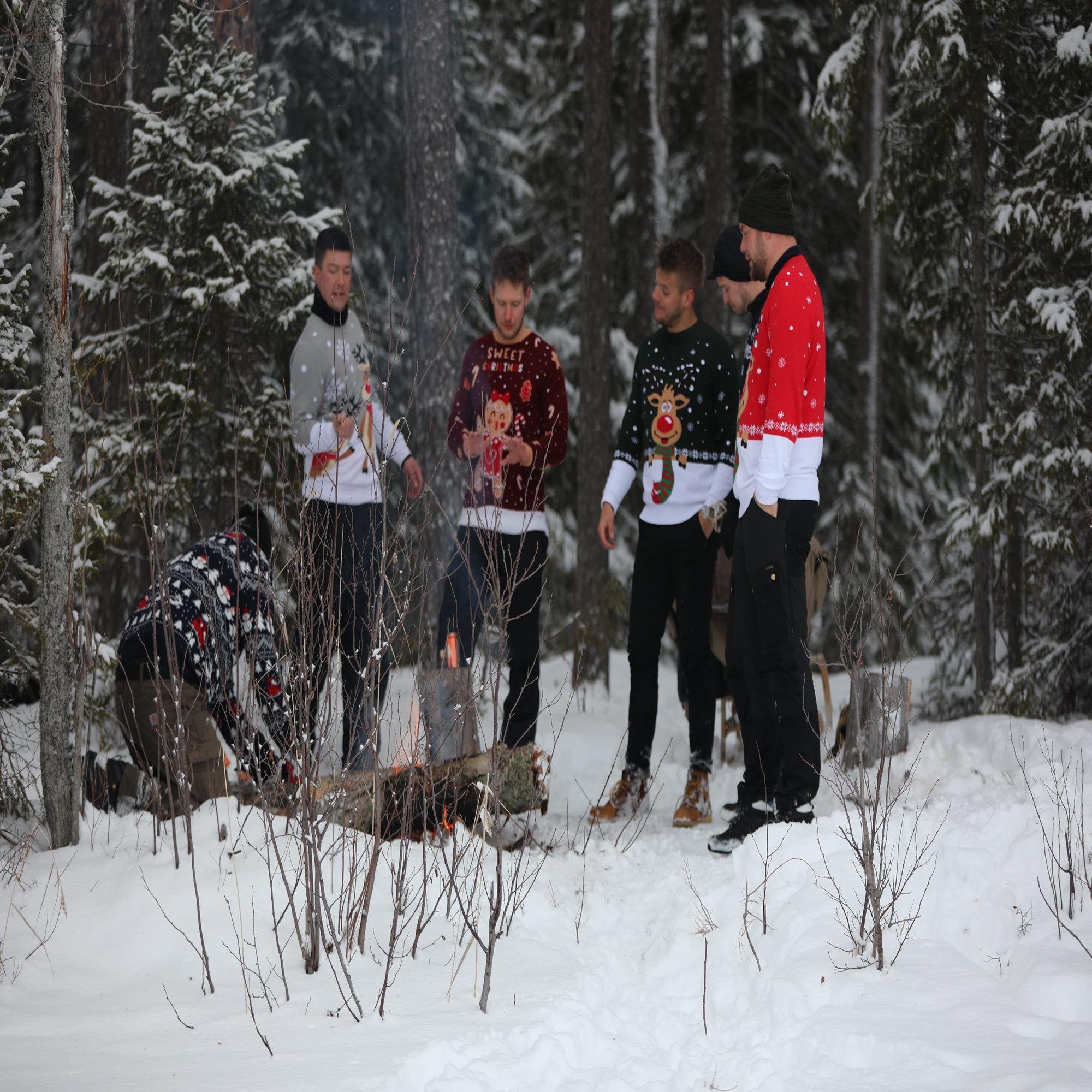
Eggnog shines during small family gatherings, movie nights and holiday brunches, and it pairs naturally with seasonal outfits and themes. If you plan a themed evening, consider coordinating with a fun ugly Christmas sweater for warmth and laughs or choose a classic Christmas sweater for a more polished look. For family movie marathons, matching Christmas pajamas can make the evening feel intentional and photogenic — both are great ways to connect the drink to the celebration.
Quick note on safety and texture
The stovetop method in this series heats the custard slowly so you can reach a target that reduces risk while avoiding curdling. Tempering the eggs is the key technique, and chilling the batch overnight improves thickness and melds the spices. If you like an airier mouthfeel, whisked egg whites or extra whipped cream folded in just before serving will lift the drink without diluting flavor.
Ready to start? Proceed to the step‑by‑step recipe in the next section, or browse options for a playful ugly Christmas sweater, classic Christmas sweater styles, or matching Christmas pajamas to plan the perfect gathering.
Stovetop eggnog recipe
This cooked eggnog approach gives a silky, safe custard base that can be served with or without alcohol and holds up well if you make it a few hours ahead. The method focuses on temperature control and gentle tempering so the eggs thicken without curdling, and it includes an optional step to lighten the texture with whipped egg whites.
Ingredients- 6 large egg yolks
- 3/4 cup (150 g) granulated sugar
- 2 cups (480 ml) whole milk
- 1 cup (240 ml) heavy cream
- 1 tsp vanilla extract
- Freshly grated nutmeg, plus extra for garnish
- Optional alcohol: 3/4–1 cup (180–240 ml) bourbon, dark rum or brandy
- Optional: 3 egg whites for folding in, or an extra 1/2 cup (120 ml) cream for richer texture
How to make:
- Whisk the yolks and sugar in a bowl until the mixture is pale and slightly thickened.
- Heat the milk and cream in a saucepan over medium heat until small bubbles form at the edge and steam rises, but do not boil.
- Temper the yolks by slowly pouring the hot milk into the yolk mixture in a thin stream while whisking constantly to raise the temperature gently.
- Return the tempered mixture to the saucepan and cook over low to medium heat, stirring continuously, until the mixture reaches 65–70 °C (149–158 °F). Remove from heat before it exceeds 70 °C (158 °F).
- Stir in the vanilla and alcohol if using. Cool the custard quickly to room temperature, then refrigerate for at least 2–4 hours or overnight to thicken and let flavors meld.
- If you want an airier eggnog, whip the egg whites to soft peaks with a tablespoon of sugar and gently fold them into the chilled base just before serving. Top each glass with grated nutmeg.
Tip:
Use an instant-read thermometer to monitor temperature, stir constantly to avoid hot spots, and strain the custard through a fine-mesh sieve if any tiny coagulated bits appear before chilling.
Temperature and food safety
Target 65–70 °C (149–158 °F) for a balance between pasteurization and texture. Many authorities recommend heating to 71 °C (160 °F) for full pasteurization, so consider pasteurized eggs if you prefer a lower final cook temperature. Always cool and refrigerate promptly in an airtight container.
Spices and flavor adjustments
Start with freshly grated nutmeg and a cinnamon stick while heating if you like a spicier profile; remove whole spices before chilling. Vanilla extract adds roundness, while a vanilla bean will deepen aroma. To swap sweeteners, use 3/4 cup maple syrup in place of sugar or 2/3 cup honey and reduce other liquid slightly. Taste after chilling and adjust with a pinch of salt or a dash of vanilla.
Variations and serving ideas
For a nonalcoholic version, omit spirits and extend chilling time to let spices intensify. For a plant-based take, blend canned coconut milk with silken tofu and a thickener such as cornstarch, then heat gently and cool. Serve chilled in small glasses topped with whipped cream or a meringue float, and garnish with extra nutmeg or a cinnamon stick.
If you are planning a themed gathering, consider pairing the drink with festive attire such as funny christmas sweaters or matching christmas pajamas to make the evening feel coordinated and relaxed.
Storage and quick troubleshooting
Store cooked eggnog in an airtight container in the refrigerator. Expect 2–3 days without alcohol and 4–5 days with alcohol. If separation occurs after chilling, whisk in a splash of milk and chill briefly, or gently reheat and strain then cool. If the mixture curdles, strain immediately and try re-emulsifying with a blender over low heat; salvage what you can and learn to temper more slowly next time.
Common questions
Is homemade eggnog with lightly cooked eggs safe? Cooking to the recommended temperature range reduces risk, but for greater assurance heat to 71 °C (160 °F) or use pasteurized eggs. Can I freeze eggnog? Freezing the finished drink is not advisable because cream separates; freeze the custard base before whipping components if necessary.
Storing eggnog for holiday sipping
Cold and quiet in the fridge is where your cooked eggnog does its best work. When stored airtight, a custard-based batch without spirits will keep its freshness for around two to three days. Adding alcohol can extend the window a little, often to four or five days, because the spirit slows bacterial growth. Keep the container at the back of the fridge where temperature is most steady and avoid leaving it at room temperature for more than a short while when serving.
Tip: Chill your serving glasses ahead of time to keep each portion cool longer and preserve the texture. The aroma of fresh nutmeg and vanilla will be more noticeable when everything is properly chilled, adding to the cozy feeling of a quiet evening wrapped in a favorite Christmas sweater while soft music plays.
Freezing, reheating and make‑ahead tricks
Freezing finished, cream-rich eggnog usually leads to separation and a grainy texture after thawing. If you need to plan far ahead, freeze only the custard base before adding any whipped elements or alcohol. Thaw in the refrigerator overnight, then whisk or gently blend to reunite fats and liquid. Another option is to freeze the alcohol portion separately and stir it in from the freezer when serving to keep flavors bright.
Reheat with care. Place the eggnog in a heavy saucepan over low heat and stir constantly. Add a splash of milk if the texture seems to tighten up. Heat just until warm to the touch and avoid boiling. The gentle warmth will release aromas of cinnamon and nutmeg without risking curdling.
Troubleshooting common holiday mishaps
Even experienced cooks meet a bump now and then. These fixes are simple and keep the evening merry.
- Curdled or grainy texture: Strain the mixture through a fine sieve immediately. If small bits remain, a quick pulse in an immersion blender while warm can help re-emulsify the liquid. Chill and taste before serving.
- Too thin: Allow more chilling time or reduce the milk next time in favor of cream. You can also whisk in a couple of tablespoons of chilled heavy cream to thicken gently.
- Too thick: Thin with a little warm milk and whisk until smooth. Serve slightly warmer if necessary.
- Flat flavor: A tiny pinch of salt brightens sweetness. A splash of vanilla or a tablespoon of spirit after chilling can lift muted notes.
Technical extras for a silkier result
Small adjustments make a big difference. Use an instant-read thermometer and aim for the upper end of the safe range if you want extra reassurance. Straining the custard directly into an ice bath speeds cooling and locks in texture. If you like an ethereal lift, whip egg whites to soft peaks and fold them in at the last moment. For a richer mouthfeel, lightly whip a portion of the cream and fold it in just before serving.
Tip: If you are hosting a relaxed viewing night, lay out cups, a grater for fresh nutmeg and a tray of cinnamon sticks. The scent of grated nutmeg and warm cream will mingle with the scent of baked goods and make the moment feel full and inviting. Slip into comfortable christmas pajamas to complete the atmosphere without drawing attention away from conversation and laughter.
Frequently asked questions
Is homemade eggnog with lightly cooked eggs safe?
Cooking the custard to the recommended range greatly reduces risk. For maximum safety, heat to 71 °C (160 °F) or use pasteurized eggs. Always cool and refrigerate promptly.
How long does homemade eggnog last in the fridge?
Typically two to three days without alcohol and about four to five days with alcohol when stored airtight at or below 4 °C (40 °F).
Can I freeze eggnog?
Freezing the finished drink is not recommended because cream separates. Freeze components instead, such as the custard base or the alcohol portion, and combine after thawing.
What alcohol and how much should I use?
Bourbon, dark rum and brandy are classic choices. A measure of three quarters to one cup per batch is common for a 6–8 serving recipe. Add slowly and taste after chilling to find your preferred balance.
How do I fix curdled eggnog?
Strain immediately and try a brief blending while warm to re-emulsify. Severe curdling may mean salvaging a small portion; then remake the rest with slower tempering and lower heat.
Also view
15 January 2026
Picture a small family movie night by the tree: soft lights, low conversation and a stack of options for christmas movie recommendatio...