
3 January 2026
Most popular Christmas drinks to try this season

The contrast between time-honoured favourites and the cocktail world’s latest flourishes is what shapes the most popular christmas drinks this season. Classic warm pours like mulled wine and eggnog sit alongside showy, maximalist hot chocolates and shareable punches, and how you serve them now matters almost as much as what’s in the glass. Whether you prefer something traditional or a performative, fruit-forward twist, these recipes are designed to fit festive gatherings of every size.
Holiday classics meet emerging trends
Here’s a quick list of the drinks you can expect in the following posts: mulled wine (glögg), eggnog (classic and spiked), hot chocolate (and boozy variants), spiced apple cider or wassail, hot toddy and Irish coffee, large-batch holiday punches, hot buttered rum, and fruit-brandy warmers. Each entry will show clear preparation steps, low‑ABV and non‑alcoholic alternatives, and serving tips so you can scale for an intimate evening or a larger gathering.
Pairings and practical notes
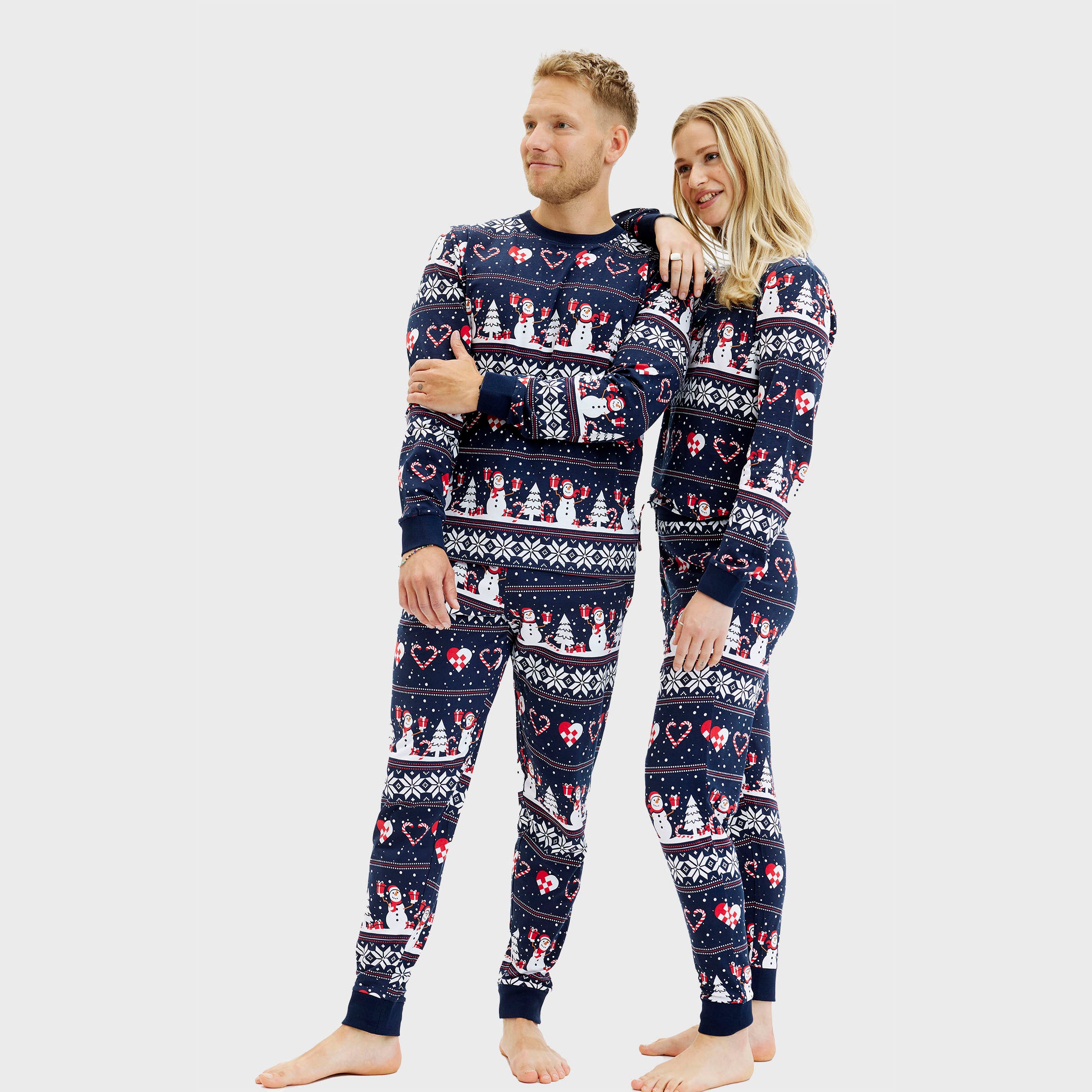
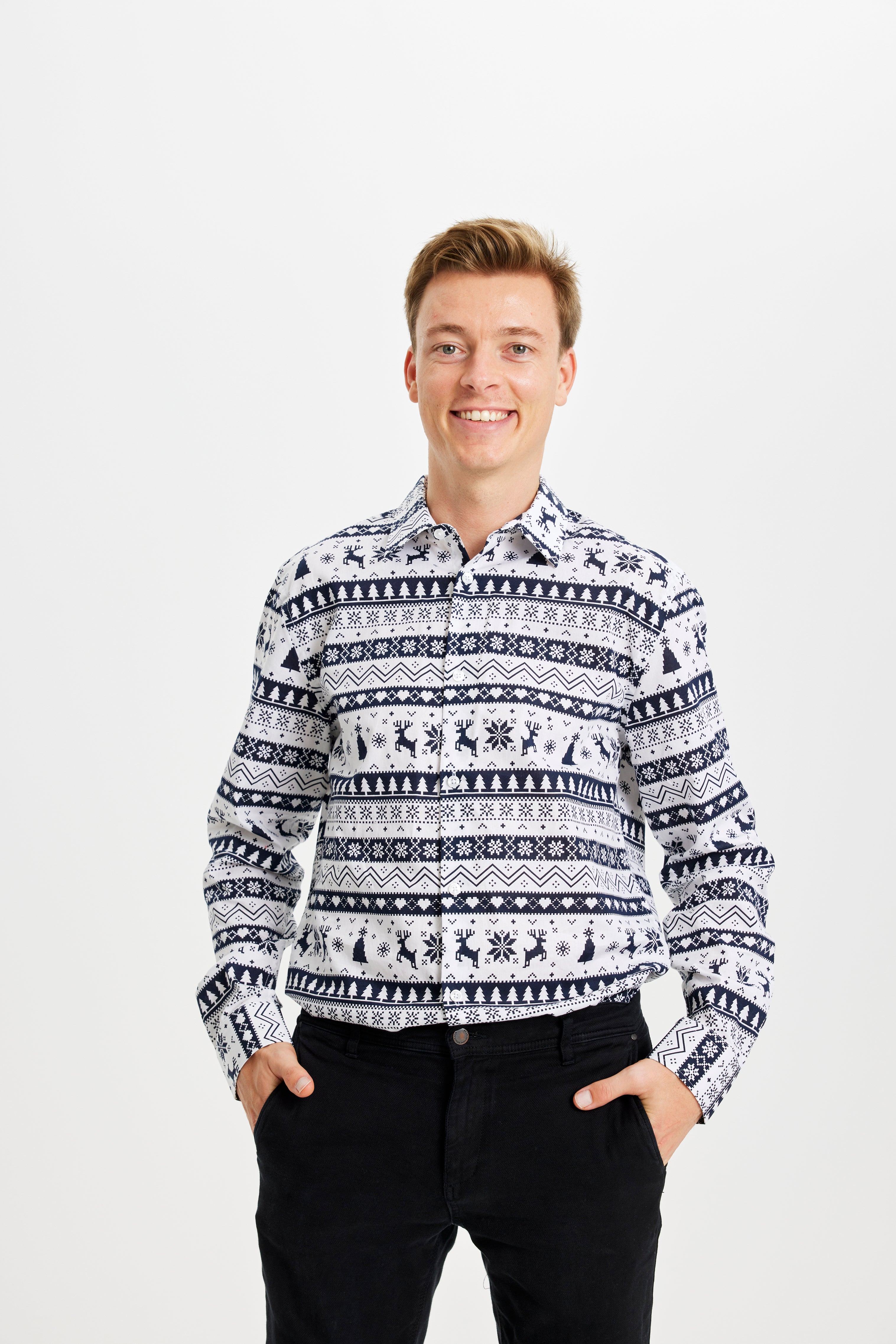
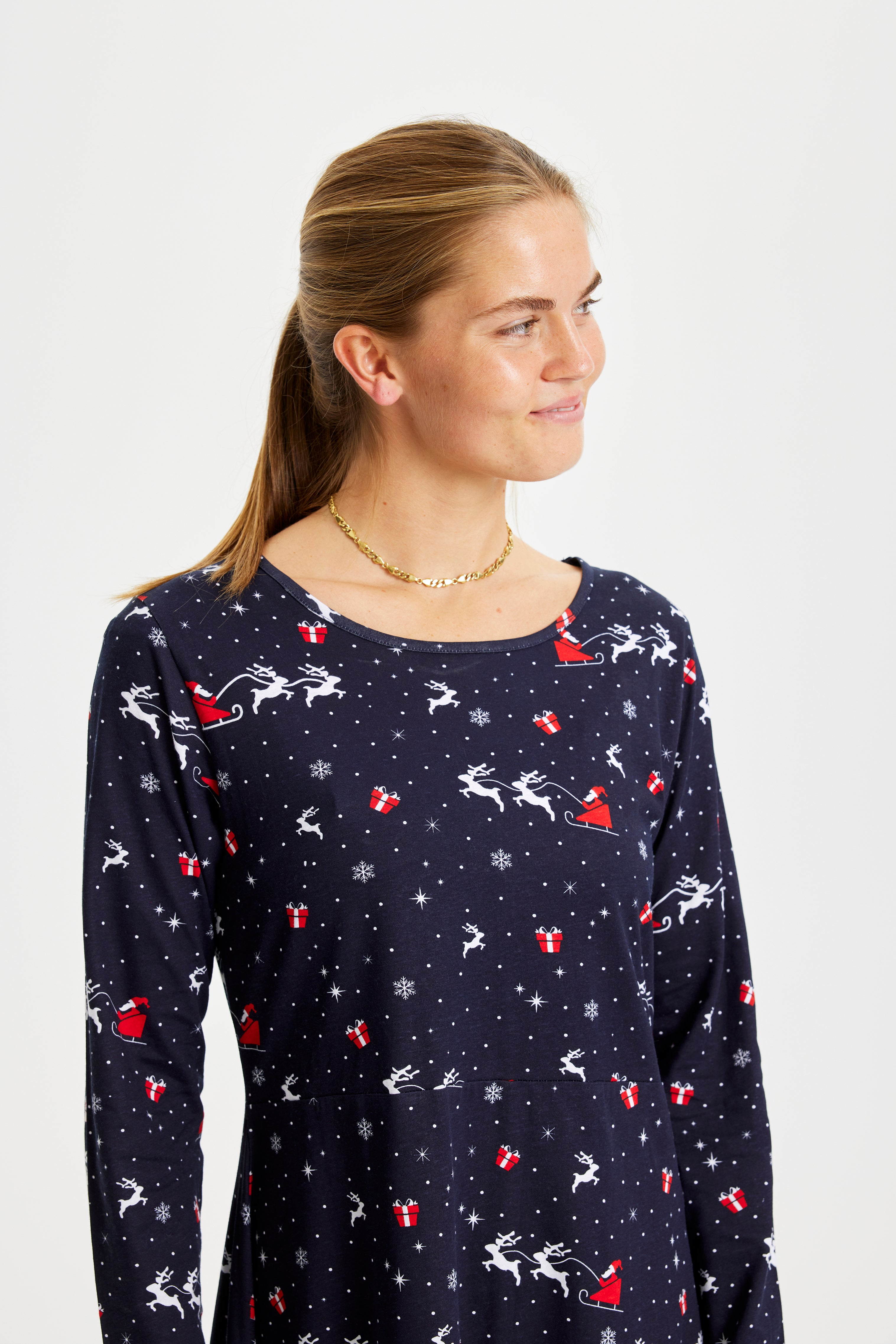
Think about pairing flavours with what people wear at your gathering: a playful ugly christmas sweater can set the tone for tongue-in-cheek punches and maximalist toppings, while matching family looks and cosy touches make slow-sipped warm drinks feel special. If you’re hosting a family night, consider coordinating outfits like Christmas sweater choices or matching Christmas pajamas to create memorable moments and an easy photo backdrop for guests.
Read on to find tested recipes, variations for non‑alcoholic drinkers, and practical serving ideas to keep things flowing—whether you’re after nostalgia, theatrical presentation, or something fruit-forward and modern.
Trends shaping seasonal drinks
This season combines theatrical presentation with a move toward fruit-forward flavours and shareable formats. Bartenders are leaning into maximalist garnishes and layered textures while producers push ready-to-serve bottles and low‑alcohol alternatives that still feel complex. Fruit brandies and cordials are showing up in warm preparations to add depth without masking spice, and many guests now ask about ingredient origin before they choose a spirit. Use these trends as inspiration when you scale recipes or plan a drinks table for a gathering.
Classic mulled wine with fruit-brandy variation
Mulled wine stays central to holiday menus because it adapts easily to fruitier or stronger versions without extra fuss.
Ingredients- Dry red wine 1.2 L (for 1.5 L finished)
- Orange slices 1–2
- Cinnamon sticks 2–3
- Whole cloves 6–8
- Star anise 1–2
- Brown sugar 2–4 tbsp
- Optional fruit brandy 60–100 ml
- Combine wine, orange, spices and sugar in a wide pot.
- Warm gently to just below simmer and keep there for 20–30 minutes to extract flavours.
- Strain into a warm container and stir in fruit brandy just before serving.
- Garnish with orange peel and toasted almonds or raisins if desired.
Add 30–100 ml cranberry or pomegranate juice before heating to make the drink fruitier without increasing alcohol content.
Eggnog, classic and spiked
Eggnog is a rich, custardy option that rewards a careful cooking step for safety and texture.
Ingredients- Whole milk 500 ml
- Heavy cream 250 ml
- Sugar 80–120 g
- Egg yolks 6 or pasteurized alternative
- Dark rum or bourbon 120–180 ml for spiked version
- Nutmeg for garnish
- Heat milk and sugar until steaming but not boiling.
- Temper yolks with a ladle of hot milk, then return mixture to the pan and cook to custard consistency.
- Cool, fold in cream and spirit if using, chill thoroughly before serving.
- Serve with a grating of nutmeg on top.
For a non‑alcoholic option replace spirit with spiced cordial or extra vanilla and use pasteurized egg products for ease and safety.
Hot chocolate with showy toppings
Hot chocolate is ideal for maximalist finishing touches that make each cup feel like an occasion.
Ingredients- Whole milk 1 L (serves 4)
- Dark chocolate 150–200 g
- Cocoa powder 2 tbsp
- Sugar to taste
- Optional liqueur 60–100 ml (orange, coffee or brandy)
- Warm milk and whisk in cocoa and chopped chocolate until smooth.
- Sweeten to taste and remove from heat.
- Add liqueur off the heat and serve with whipped cream or marshmallows and candied citrus peel.
Offer toasted marshmallow skewers or sugared herb sprigs for guests to customise their cups.
Spiced apple cider and wassail
Spiced apple cider works hot or chilled and scales neatly for groups.
Ingredients- Apple cider 1.8–2 L
- Cinnamon sticks 3
- Whole cloves 8–10
- Allspice berries 4–6
- Orange peel
- Optional dark rum or apple brandy 100–150 ml
- Simmer spices with cider for 20–30 minutes, then strain.
- Add spirit if desired and serve hot with an orange slice.
- For a fizzy finish mix in pear or cranberry juice and sparkling water just before serving.
Keep the spirit separate and let guests add it to their cups to preserve the best aromatic lift.
Presentation and pairing note
Match the vibe of your drinks to what guests wear by suggesting a christmas sweater for playful setups or matching christmas pajamas on family nights. A warm styling cue makes themed tables feel intentional and keeps photos cohesive.
Find christmas sweater options and discover matching christmas pajamas to help plan outfits that suit the beverage selections and presentation style.
Presentation and serving ideas
Make the most popular Christmas drinks feel like part of the evening by treating them as small performances. The scent of pine and warm spices drifting from a simmering pot invites guests before they even reach the table. Use candied orange wheels, sugared rosemary sprigs, pressed edible flowers, or spiced sugar rims to add colour and aroma. For a moment of theatre, flame a twist of orange peel over a bowl of mulled wine so the oil sparks and releases a citrus perfume.
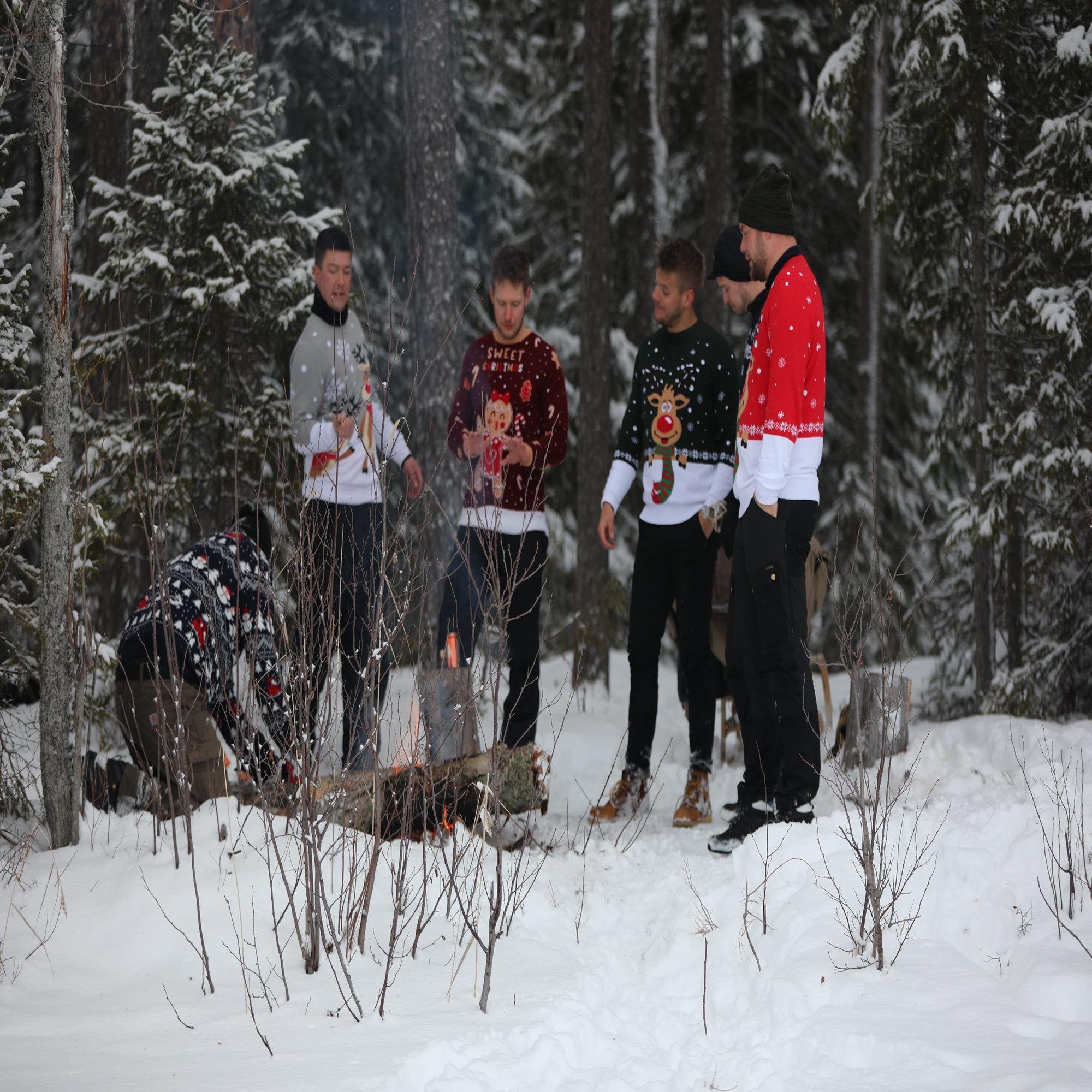
Textures matter as much as flavour. A float of lightly whipped cream on Irish coffee, toasted marshmallow skewers for hot chocolate, and a scattering of toasted nuts on a warm punch add contrast and tactile pleasure. Consider layered presentations where a creamy topping sits on a spiced base so each sip changes as the layers mingle. For a cosy picture, suggest guests slip into a comfortable christmas sweater while they help themselves at the drinks table; the soft warmth of knitwear pairs naturally with hot pours.
Scaling, batching and safety
When you scale recipes for a group, increase spices proportionally but taste mid-way through heating to avoid over-extraction. Add delicate elements like fizz or spirits per glass at service to preserve effervescence and aromatic lift. Keep milk-based drinks chilled and consume within 48 to 72 hours. Clear, spirit-forward punches will keep longer when refrigerated, but always label containers with preparation date and ingredients so guests with allergies can choose safely.
Food safety matters with egg-based drinks: use pasteurized eggs or cook the yolk, sugar and milk mixture to a custard temperature of at least 71 °C. Store that base chilled and serve within the recommended timeframe. For large warm batches, use insulated dispensers to maintain an even temperature and prevent repeated reheating that can dull flavours.
Low-alcohol and non-alcoholic adaptations
Make festive non-alcoholic versions feel complete by layering concentrated flavours. Use spiced cordials, reduced fruit syrups, or strong brewed teas to add body and complexity. For eggnog-style textures, boost cream or use dairy alternatives with a small amount of thickener to maintain richness. Offer warming or fizzy finishing touches in separate carafes so guests can personalise each cup.
Small amounts of intense fruit brandy or aperitif-style cordial can add depth without raising alcohol significantly. For example, a spoonful of concentrated apple cordial brings a fruit-forward note to spiced cider while keeping the drink suitable for many guests.
Practical tips for global and heritage spirits
Introduce heritage spirits in pinches to complement spices rather than dominate them. Match tropical spices with Caribbean-style rum, and pair dried fruit and cinnamon with fruit brandy for a traditional warmth. Label any unfamiliar spirits with a short tasting note so guests can appreciate the subtle difference in aroma and origin.
Frequently asked questions
Which Christmas drink is most traditional in Northern Europe?
Warm spiced wine varieties, often known as gløgg, are among the most traditional Northern European holiday drinks. They centre on red wine, warming spices and sometimes a splash of fruit brandy.
How long should mulled wine be heated?
Heat gently to just below simmer and keep at that temperature for 20 to 30 minutes to extract spice and citrus flavours. Avoid boiling to prevent alcohol loss and bitterness.
Can eggnog be made safely at home?
Yes. Use pasteurized eggs or cook the yolk-sugar-milk mixture to a custard reaching at least 71 °C, then cool. Refrigerate and consume within 48 to 72 hours.
How can I make non-alcoholic versions that still feel festive?
Use spiced syrups, concentrated tea reductions, fruit cordials and maximalist garnishes like toasted spices and sugared citrus to build complexity without alcohol.
What is a simple way to scale recipes for a party?
Multiply ingredient volumes proportionally, prepare spice infusions in advance and taste mid-batch. Add delicate fizz or spirits per glass at service to maintain freshness.
Which spirits work best for warm holiday drinks?
Fruit brandies, dark rums, spiced rums, bourbon and brandy are commonly used because their flavour profiles complement spices and citrus.
Are there modern presentation trends I can apply to classic drinks?
Yes. Embrace maximalist touches such as elaborate garnishes and layered toppings, offer shaved-ice or slushy variants for contrast, and present drinks in shareable vessels or pre-batched portions for an inviting self-serve moment.
Also view
15 January 2026
Picture a small family movie night by the tree: soft lights, low conversation and a stack of options for christmas movie recommendatio...