
30 December 2025
What do Muslims celebrate at Christmas?

Muslims do not celebrate Christmas as a religious holiday, but many take part in seasonal social and cultural activities around the Christmas period. For Christians, Christmas is a nativity-focused holiday that marks the birth of Jesus and is observed with religious services, carols and specific liturgy. From a Muslim perspective, Jesus is respected as a prophet, yet Islam does not prescribe a feast day for his birth; the principal communal festivals in Islam are Eid al-Fitr and Eid al-Adha.
Muslim practices during the season
Some Muslims join family gatherings, share meals, exchange greetings or offer small presents in a secular context. Other families choose to avoid participation in Christmas festivities for religious reasons. Practices vary widely by individual belief, family choice and local community norms.
- Attending family events and school celebrations as a cultural gesture, rather than a religious act.
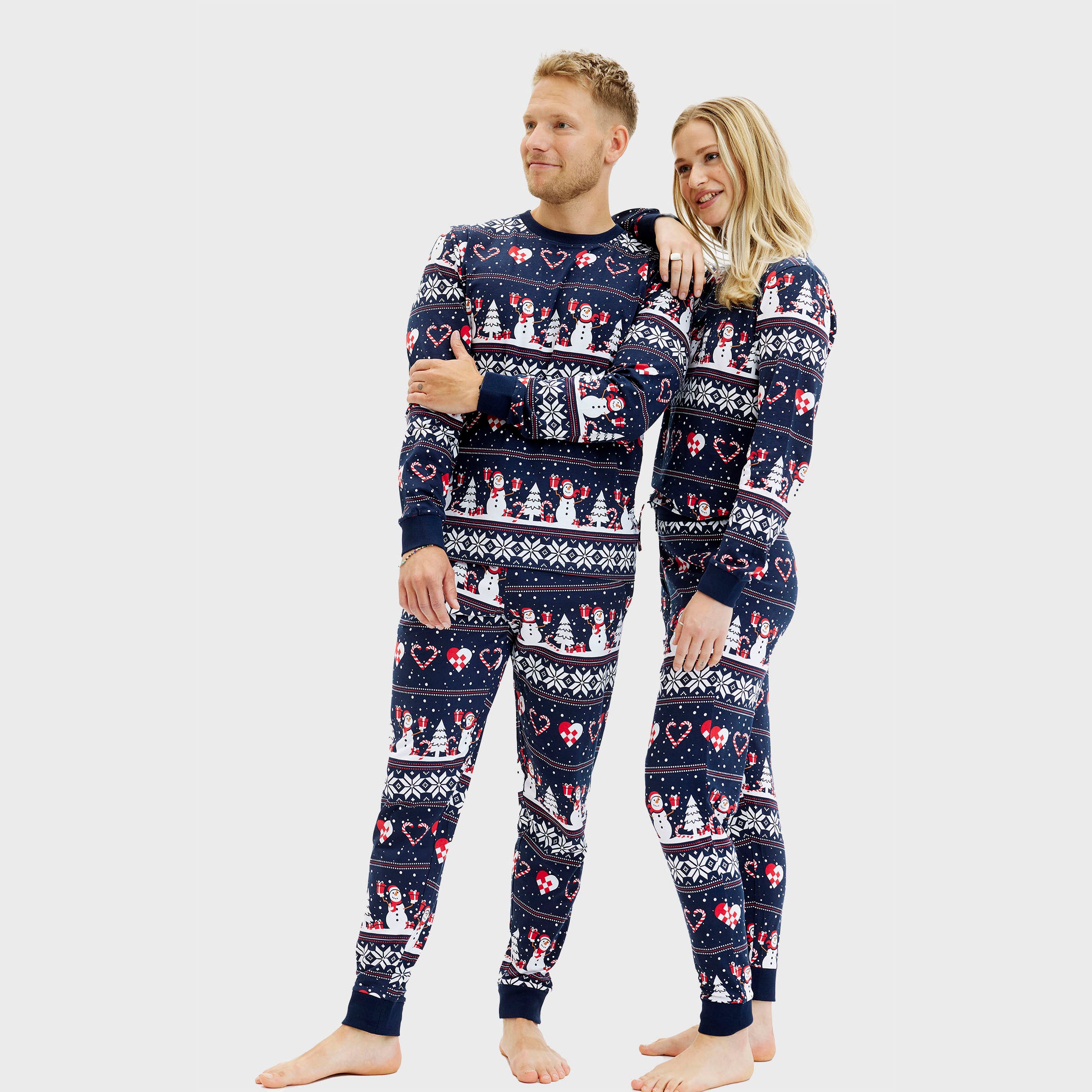
- Exchanging small gifts or wearing seasonal clothing during visits; many households appreciate inclusive moments and may pick a casual Christmas sweater for a family photo, including options for children and adults.
- Opting out of explicitly religious rites such as taking communion or participating in worship services.
Why do practices vary?
Choices reflect personal faith, upbringing, level of observance, and the desire to participate in community life. Mixed households often blend elements from both traditions, for example by alternating events, hosting separate gatherings or choosing neutral activities where everyone feels comfortable. In families with children, parents sometimes select festive items like a kids christmas sweater or matching christmas pajamas to join school parties while keeping religious observance distinct.
Quick practical note
The remainder of this article will explain religious positions, outline common cultural practices, and compare Eid and Christmas so you can see where they overlap and where they differ. If you are planning inclusive gatherings, consider lighthearted options such as a playful ugly christmas sweater theme or simple seasonal accessories like christmas socks to create a welcoming atmosphere that respects varied beliefs.
Religious position: No religious Christmas celebration
Islamic practice does not include Christmas as a religious observance. The central communal festivals in Islam are Eid al-Fitr and Eid al-Adha, each with clearly defined religious meanings and rituals. Eid al-Fitr marks the end of the month of fasting and is celebrated with special prayers, communal meals and acts of charity. Eid al-Adha commemorates the willingness of Abraham to sacrifice and is observed through prayer, the ritual of qurbani and distribution of meat to family, neighbours and those in need.
Comparison: Eid al-Fitr, Eid al-Adha and Christmas
At a glance, the three holidays share social features but differ in religious purpose and ritual form.
- Purpose — Eid al-Fitr and Eid al-Adha: Religious commemoration and communal worship. Christmas: Commemoration of the birth of Jesus within Christian theology.
- Timing — Eid: Determined by the lunar calendar and shifts each year. Christmas: Fixed date on the Gregorian calendar, December 25.
- Core rituals — Eid: Communal prayers, charity and specific sacrificial or celebratory acts. Christmas: Church liturgy, nativity narratives and religious services.
- Social features — Both Eid and Christmas: Family meals, visiting relatives, festive food and gift exchanges in their cultural expressions.
Religious guidance on social participation
Mainstream religious guidance tends to distinguish social interaction from religious participation. Many scholars and community councils permit greetings, shared meals and polite social involvement with non-Muslim neighbours, while advising against participation in explicitly Christian rites such as receiving communion or taking part in worship as acts of religious devotion. Scholarly positions often rest on scriptural principles that encourage respectful relations across faith boundaries while maintaining distinct theological commitments.
Evidence from cultural reporting
Media and social research across several countries note a wide variety of practices during the Christmas season. Some Muslim households join secular celebrations, school events or neighbourhood gatherings and adopt seasonal customs for social reasons without embracing Christian religious meaning. Other families refrain from any participation beyond civil greetings. Personal stories commonly describe hybrid arrangements: hosting separate meals, alternating holiday visits or attending purely cultural elements like communal feasts and school concerts.
Diversity of practice and reasons for variation
Decisions about participation are shaped by multiple factors. Personal belief and the level of religious observance are central, but family background, the presence of mixed-faith households, the wishes of children and local community norms all matter. Practical considerations such as workplace or school expectations can also influence whether a household chooses to join seasonal events. The result is a spectrum of responses rather than a single uniform approach.
Practical takeaways for inclusive gatherings
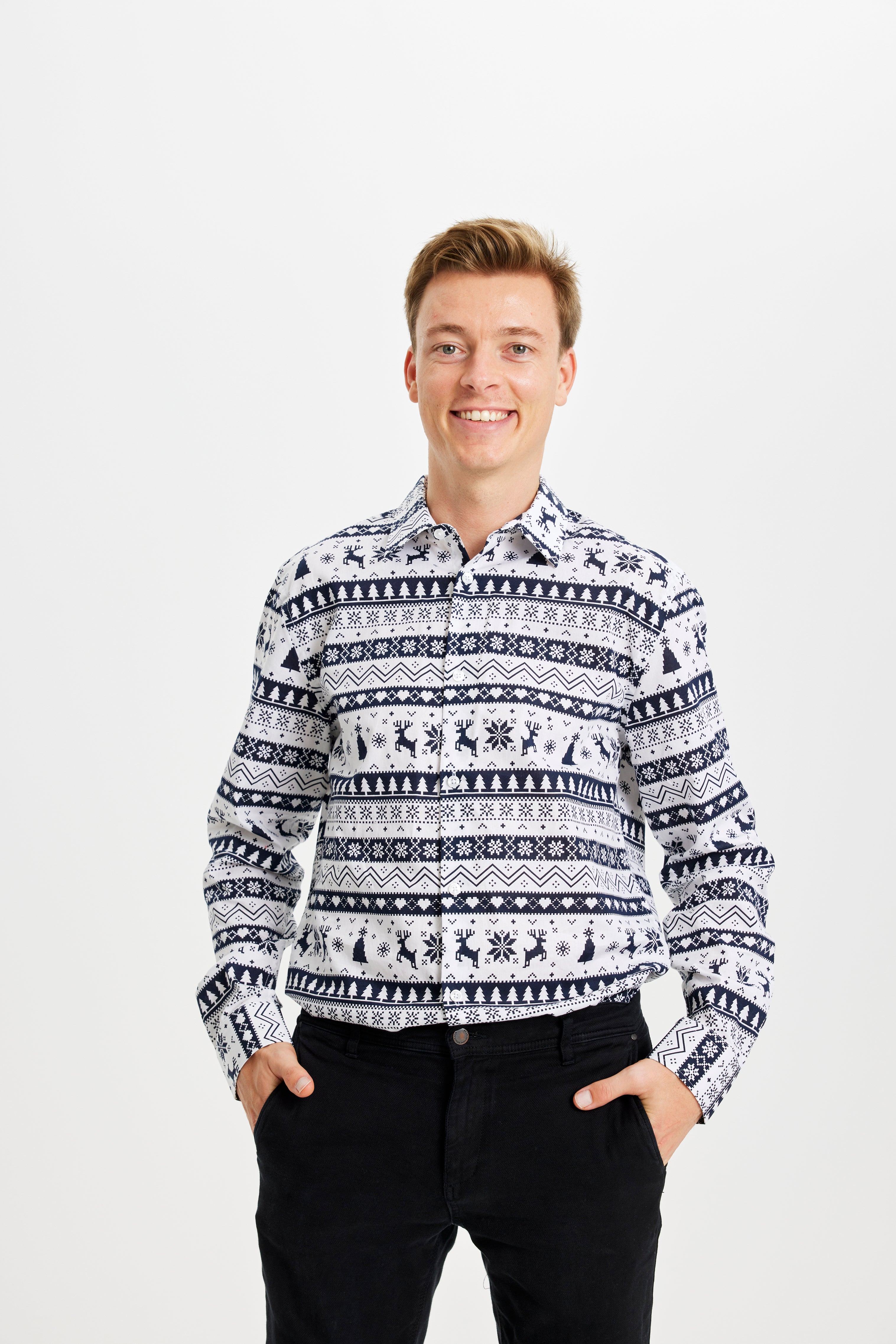
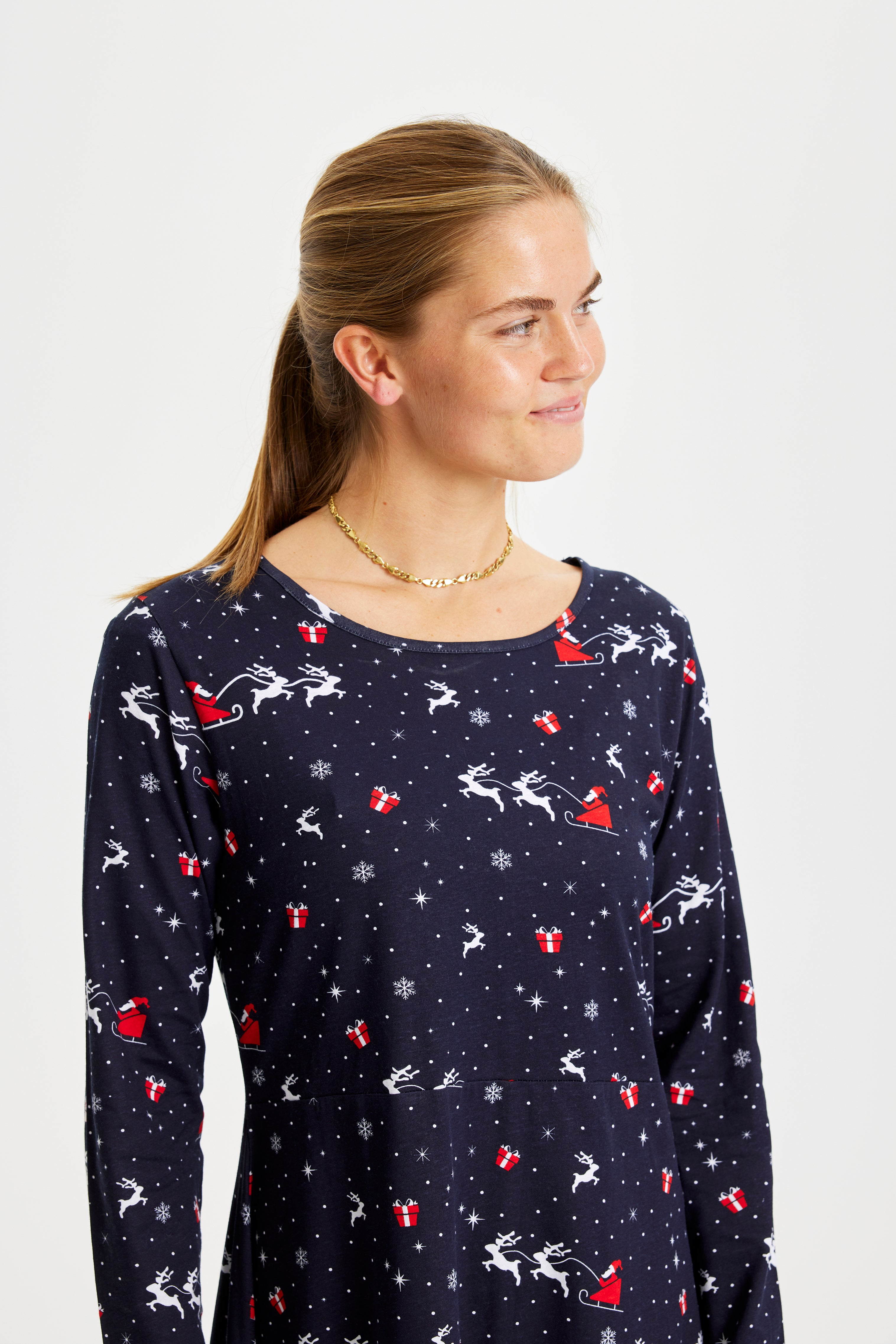
When hosting mixed groups, clear communication and respectful choices help everyone feel welcome. Neutral activities, shared meals and non-religious themes allow participation without compromising religious boundaries. Simple festive touches like a coordinated look for photos or playful accessories can create a warm atmosphere; consider options such as a classic Christmas sweater or matching kids Christmas sweater for family pictures, and small accents like Christmas socks to add a lighthearted element that does not carry religious meaning.
Practical context and timing
The Islamic calendar is lunar, so Eid dates move about ten to twelve days earlier each Gregorian year. This means Eid al-Fitr and Eid al-Adha seldom fall on December 25, and households plan celebrations at very different moments of the year. Still, many of the same senses and comforts appear in both seasons: the smell of warm bread or spiced dishes, the sound of familiar songs and laughter, the gentle weight of a warm sweater as people gather around a table.
Typical Eid household activities resemble seasonal customs in their warmth: special foods prepared for family and guests, visits to relatives, giving small presents and wearing new or favourite outfits. In mixed families these elements can be blended with December traditions by alternating which celebration is hosted, sharing menus across events, or simply marking both seasons with welcoming hospitality. A soft, knitted Christmas sweater can be part of a neutral, cosy outfit for a family photo or a relaxed evening together, while matching sleepwear invites a sense of togetherness without religious meaning. For a subtle touch, consider a pair of comfortable christmas pajamas or a classic christmas sweater when you want everyone to feel included and warm.
Common misconceptions and clarifications
There are a few recurring misunderstandings about Muslims and Christmas that are worth clearing up with simple facts and sensory images that bring context to life.
- Misconception: All Muslims oppose Christmas. Clarification: Views vary widely. Many people join in cultural elements like seasonal meals and neighbourhood gatherings while keeping religious observance separate.
- Misconception: Participating in Christmas is religious apostasy. Clarification: Many scholars draw a line between cultural participation and religious worship. Sharing a meal or offering a polite greeting is often treated as a social act, not a conversion of belief.
- Misconception: Eid and Christmas are the same. Clarification: Both centre on family and celebration, but they have distinct religious meanings, rituals, and timings. The experience may feel similar thanks to shared human comforts such as food, music and warmth from seasonal clothing.
How mixed households often manage both traditions
Mixed households find creative, sensory-rich ways to honour different traditions without tension. Some families alternate celebrations so each tradition has its own space and moment. Others host a joint meal that incorporates signature dishes from both traditions, letting the aroma of incense or cardamom mingle with the scent of baked goods. Simple practicalities help: schedule visits with clear invites, choose neutral decorations, and agree on dress codes that keep religious boundaries clear while amplifying the feeling of communal warmth.
When you plan a gathering, small choices set the tone. Serve dishes that invite conversation, play a playlist with gentle seasonal music, and offer soft lighting that invites lingering. A comfortable christmas pajama set on a chilly evening or an understated christmas sweater at a neighbourly get-together can help create a sense of belonging without pushing any religious message.
Frequently asked questions
Do Muslims celebrate Christmas as a religious holiday?
No. Islam does not teach a religious celebration of Jesus’ birth. The main communal festivals in Islam are Eid al-Fitr and Eid al-Adha, each with its own prayers and rituals.
Can Muslims take part in Christmas social customs like meals or gift-giving?
Many scholars and community councils permit social participation such as shared meals and greetings. Context matters and individuals decide according to their belief and local guidance.
Is it allowed for a Muslim to say “Merry Christmas”?
Several religious authorities in Western contexts permit polite greetings. Some opinions advise caution about explicitly religious expressions, but friendly seasonal wishes are commonly accepted as social courtesy.
Do Muslims believe in Jesus?
Yes. Islam recognises Jesus, known as Isa, as an important prophet. Islamic teachings differ from Christian doctrine regarding his nature.
What are the main Muslim holidays and what do they involve?
Eid al-Fitr marks the end of Ramadan and involves communal prayer, feasting and charity. Eid al-Adha commemorates Abraham’s willingness to sacrifice and includes prayer, qurbani and distribution of meat to family and those in need.
Why do some Muslims in Denmark celebrate Christmas culturally?
Reasons include cultural integration, mixed households and participation in national festivities. Danish reporting often highlights hybrid traditions where people keep religious boundaries while enjoying seasonal conviviality.
Are there religious leaders who discourage any Christmas participation?
Yes. Some imams and scholars advise against participation that crosses into religious worship or adoption of explicitly Christian rites. Public commentary shows a range of perspectives.
Can children from Muslim families attend school Christmas events?
Decisions are usually left to parents. Many school events are seen as civic or cultural, and families choose based on their beliefs and preferences.
How do Eid and Christmas dates line up?
They usually do not coincide because Eid follows the lunar calendar and shifts relative to the Gregorian calendar. Overlap is possible but rare.
Also view
15 January 2026
Picture a small family movie night by the tree: soft lights, low conversation and a stack of options for christmas movie recommendatio...