
29 January 2026
What do we celebrate at Christmas?

Christmas often feels like a single festival, but it arrives as overlapping layers: a religious celebration, a set of inherited midwinter customs and a season of family rituals that shape how people actually observe the days. These layers sit together in homes and public life, creating moments that range from quiet church services to lively evening meals and playful clothing choices.
Christmas is primarily a Christian celebration of the birth of Jesus, layered with older midwinter traditions and modern secular practices.
- Religious core: Celebration of Jesus’ birth and the belief that God became human.
- Historical layer: Incorporation of older midwinter customs that mark the return of light and communal feasting.
- Everyday observance: Family gatherings, shared meals, songs and gift exchanges.
Official liturgical observance normally falls on 25 December, while many communities concentrate their main family gatherings on the evening before, making the holiday feel like a multi-hour and multi-day occasion rather than a single date.
Religious core
For Christians the central meaning is straightforward: the nativity accounts in the Gospels provide the narrative foundation for celebrating the birth of Jesus. Churches mark the season with special services and readings, and the notion that God became human remains the theological anchor for much of the formal worship that surrounds this time.
Everyday observance
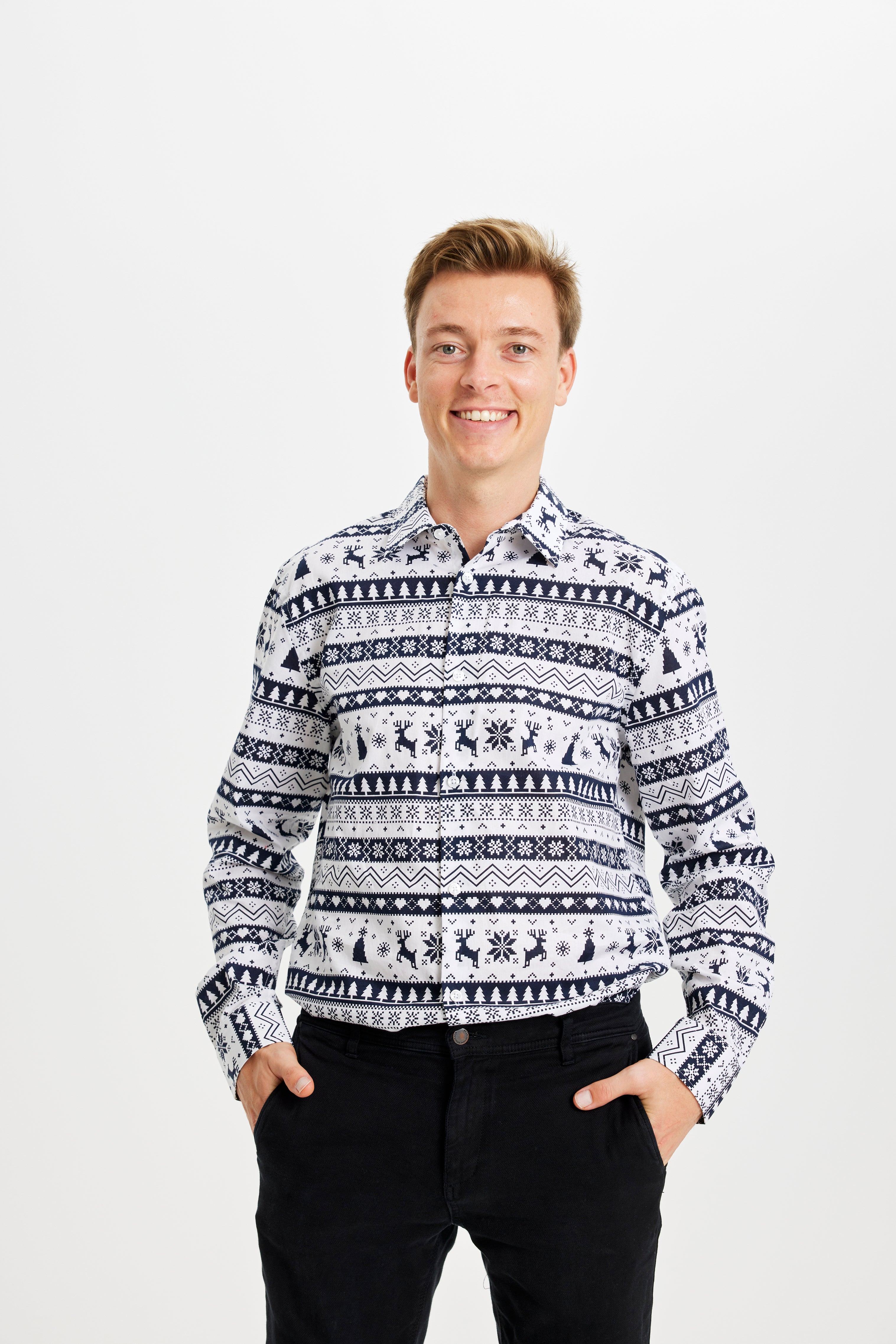
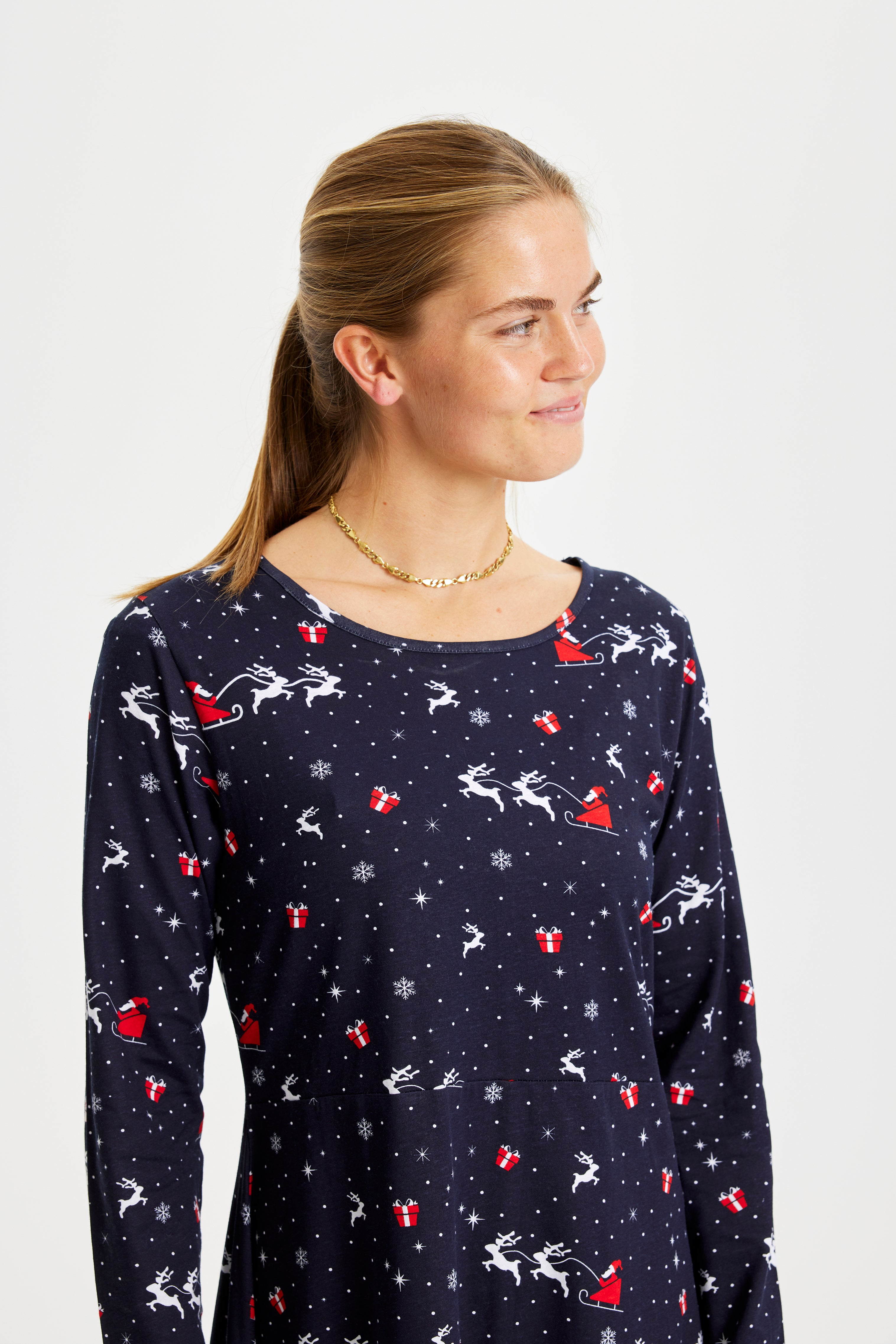
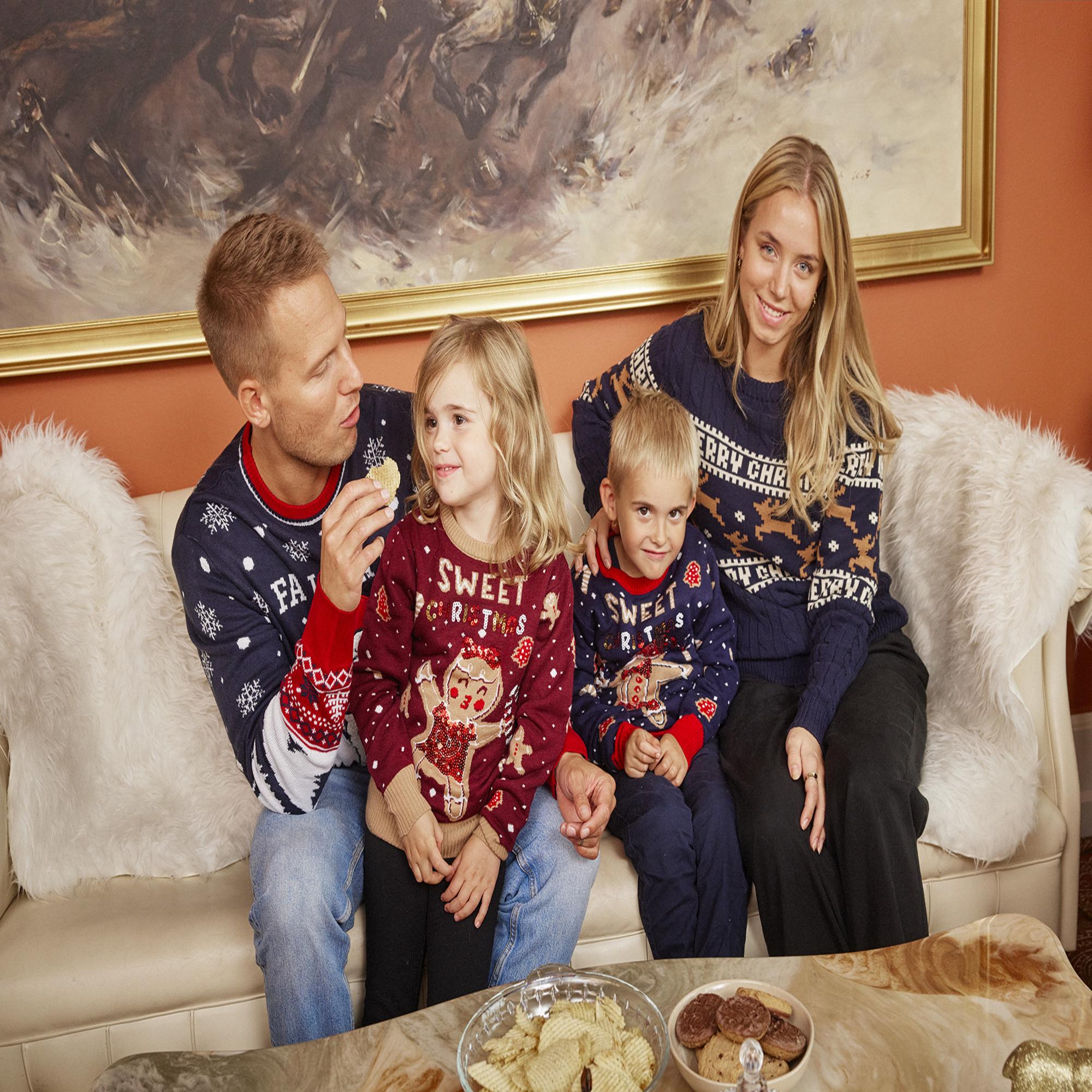
Beyond worship, daily practice shapes the holiday for most people. Families come together around meals, sing familiar songs and exchange gifts, and many households adopt small rituals that repeat year after year. In modern homes clothing can signal the mood, from subtle festive accessories to an intentionally playful or eye-catching item. A simple Christmas sweater often appears in photos, while an ugly christmas sweater can become the centrepiece of a lighthearted family tradition. Parents frequently look for matching pieces, and a kids Christmas sweater helps make the evening feel cohesive for children and adults alike.
Why the mix matters
The coexistence of religious meaning and seasonal customs means Christmas can mean different things to different people at once. For some it remains chiefly a sacred feast, for others a time of reunion and domestic ritual, and for many both aspects are present in the same gathering. If you are planning outfits, songs or menu choices for your next family moment, a few intentional touches can honour tradition while keeping the occasion approachable and fun.
Religious significance
While social customs shape much of how people experience the season, the formal centre remains the commemoration of the nativity accounts in the Gospels. Many Christian communities mark the event with special readings, prayers and services that reflect the theological claim that God took human form. These observances provide a framework for the season and continue to be the point of reference for liturgical calendars and church dates.
Liturgical timing and scripture
The established date in Western churches is twenty fifth of December, and the weeks leading up to the day are often observed as a season of preparation. Scriptural passages associated with the nativity are read in worship, and they supply the narrative and theological language used in hymns and sermons. For many congregations, the timing also shapes when community celebrations and public services occur throughout the season.
Early seasonal origins
Elements of the celebration derive from older midwinter practices that marked changing light and seasonal cycles. Communities have long used festivals, feasting and symbolic decorations to mark this time of year. Over centuries, celebrations that once centred on seasonal markers were incorporated into the religious calendar, creating a layered festival where older communal customs and Christian observance coexist.
Cultural evolution of customs
Many familiar features of modern gatherings developed gradually as people adapted older forms of festivity to new social contexts. The decorated tree and household ornaments became widespread in parts of Europe before spreading more broadly. Gift exchanges draw on several sources, including religious gift narratives and family-centred traditions that emphasise generosity. Music moved from liturgical chant to popular carols and seasonal songs, giving communities shared repertoire for public and private moments.
Clothing and everyday observance
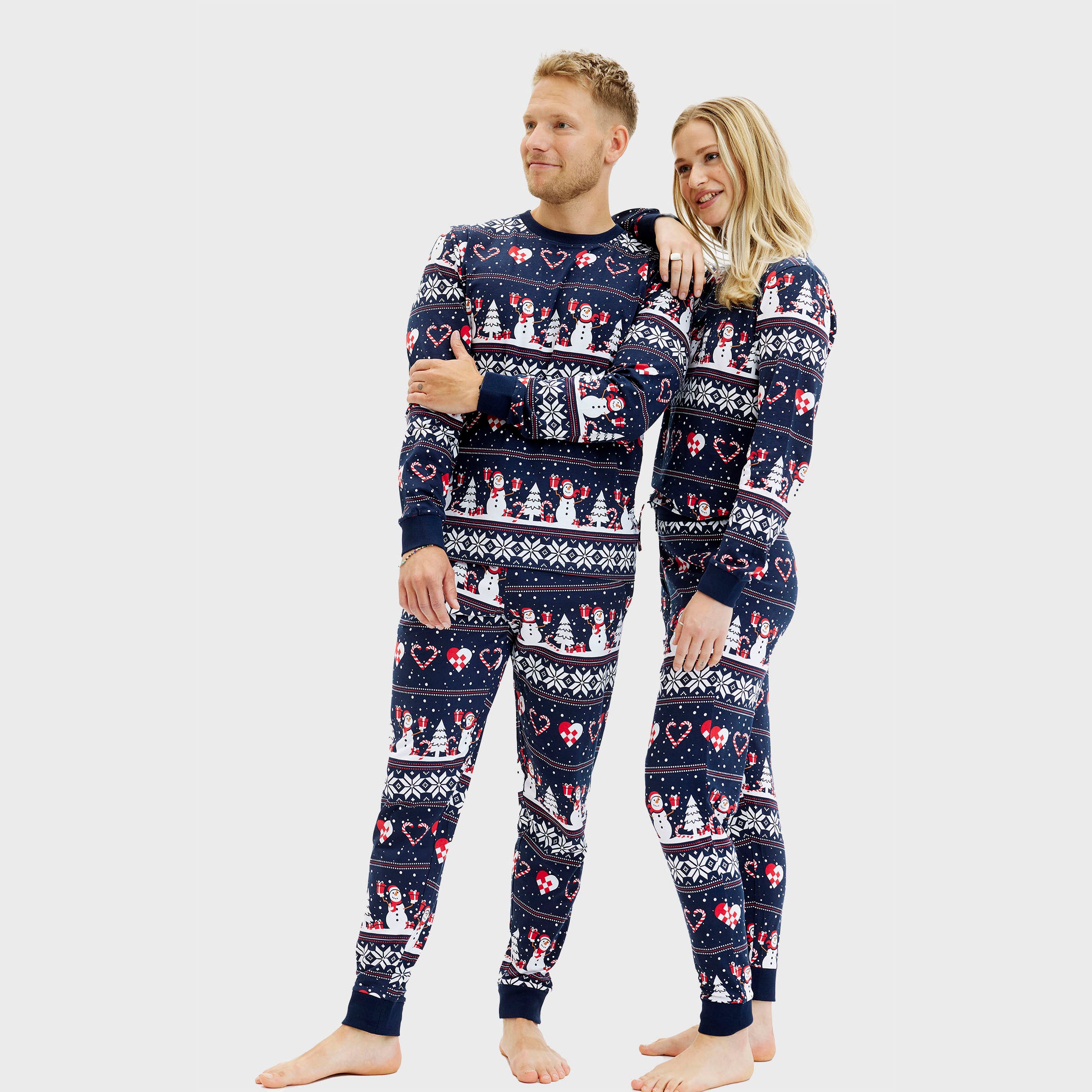
Clothing has become a visible way to signal mood and belonging during seasonal gatherings. A Christmas sweater can be a subtle nod to the occasion or an intentionally playful statement that invites laughter and photo opportunities. For households that prefer coordinated looks, matching sets create a unified appearance for evening meals and family portraits. If you want practical options for a festive wardrobe, consider a christmas sweater for adults and matching christmas pajamas for family photos and relaxed parts of the day.
Practical checklist for gatherings
Keep the logistics simple by focusing on a few reliable elements that people expect.
- Shared reading or a short musical item to mark the occasion
- A central decoration or tree to organise seating and photos
- One coordinated clothing choice, such as matching sweaters or pajamas
- A clear order for food and small gift exchanges to avoid confusion
Frequently asked questions
What is the central thing celebrated at Christmas? The primary religious commemoration is the birth of Jesus as described in the nativity narratives.
Why does the date matter? Fixed calendar dates give communities a shared moment for services and public observance, and the chosen date aligned religious commemoration with preexisting seasonal practices in many places.
Are there older nonreligious elements in the season? Yes. Many customs such as evergreen decorations, feasting and communal songs have precedents in earlier seasonal celebrations that emphasised renewal and shared community life.
Do all churches observe the same day? Practices and calendars vary between traditions, so some communities observe on alternative dates while others keep the established date in the Western church.
Modern variations in how we celebrate
In many homes the old and the new meet like two people leaning into the same conversation. Church bells and midnight services exist side by side with neighbourhood lights, seasonal markets and cozy evenings at home. The scent of pine and the warmth from a well‑worn knit fill living rooms while playlists with carols and popular songs create the soundtrack for the night. In cities gatherings often centre on concerts and public displays, while in smaller communities shared meals and local customs keep a slower, neighbourly rhythm.
Different emphases by region
There are clear patterns when you look across places: In Denmark the family evening on twenty fourth December remains the heart of celebration, with a quiet, candlelit atmosphere and familiar songs that carry across generations. In many Western countries the twenty fifth of December is the public holiday that hosts church services and daytime feasts. Some Eastern traditions observe the feast on other dates, and these calendar differences change how people schedule services and family time.
How religious and secular traditions coexist
For many households religion and season are not opposites but layers. A morning service can be followed by an evening meal that carries older seasonal symbols, and family stories pass along both biblical lines and memories of winter festivals. The sensation of togetherness often matters more than strict categories: the taste of warm spice, the crackle of candle flame and the soft weight of a knitted jumper all help make the moment feel like a continuation of something familiar.
Quick comparative bullets
- Denmark: Main family gathering on the evening of twenty fourth December; public holiday elements on twenty fifth December.
- Most Western countries: Twenty fifth December is the primary liturgical date and public holiday; many keep festive events across both evenings.
- Orthodox traditions: Some churches mark Christmas on different calendar dates, which shifts public and family observances.
Common elements that shape the season
When you think of what people actually do at Christmas, a short checklist captures the essentials. The evergreen tree and soft lights set a visual tone. Shared meals bring smells of baking, roasted dishes and seasonal condiments. Singing or a brief reading creates a moment of pause. Clothing choices, from a comfortable lounge set to a playful Christmas sweater, help define the mood and invite photographs that will be revisited for years.
If you are assembling an evening that blends tradition and ease, consider a single wearable detail to tie the room together. A tasteful christmas sweater can feel like a gentle nod to the occasion while keeping the focus on conversation and warmth. For relaxed mornings, matching christmas pajamas work well when you want a comforting, communal start to the day.
Practical checklist for planning an evening
- Pick one sensory focus: scent, sound or sight to anchor the atmosphere.
- Choose a single clothing cue to unify the group, such as a christmas sweater for adults or a coordinated accessory.
- Maintain a simple order for food and small exchanges so the evening stays calm and social.
Frequently asked questions
What is the central thing celebrated at Christmas?
The central religious commemoration is the birth of Jesus Christ as recounted in the nativity narratives, and that story remains the reference point for liturgical observances.
Why is Christmas celebrated on twenty fifth December?
The Western church fixed the date in earlier centuries, aligning the feast with existing midwinter commemorations and creating a stable point in the liturgical year.
Why do Danes mainly celebrate on twenty fourth December?
In Denmark the family evening on twenty fourth December has deep cultural roots, shaped by older ways of marking days from sunset and by long‑standing domestic traditions.
Are there pre-Christian elements in Christmas traditions?
Yes. Evergreens, lights and communal feasting echo older midwinter practices that were incorporated into Christian observance and remain visible today.
Is Christmas only a religious holiday now?
No. Many people treat the season as a cultural or social time for family, meals and music, while others centre their celebrations on worship and liturgy.
For ideas on gentle ways to mark the day and to find a comfortable item to wear while you gather, explore a curated christmas sweater selection that suits quiet evenings and festive photos alike.
Also view
30 January 2026
Few lines can change the tone of a holiday moment: a warm phrase can brighten a family dinner, while the wrong register can feel awkwa...