
28 January 2026
What happens at Christmas?

Christmas arrives as a season rather than a single moment, filled with public events, home routines and a handful of key days that shape how you plan your weeks. You’ll move from simple preparations through market outings and concerts to a focused family evening and the relaxed days that follow.
What happens at Christmas?
The season breaks down into three clear dimensions. First comes the preparatory period with Advent calendars, small baking rituals and evening traditions that set a steady rhythm in the weeks before the main celebration. Second are the public winter attractions: outdoor markets, tree lightings, skating rinks and concerts where groups gather for seasonal food and performances. Third is the family-focused core around the main holiday evening and the following days, when meals, rituals and relaxed visits take priority.
Quick snapshot of mood and priorities
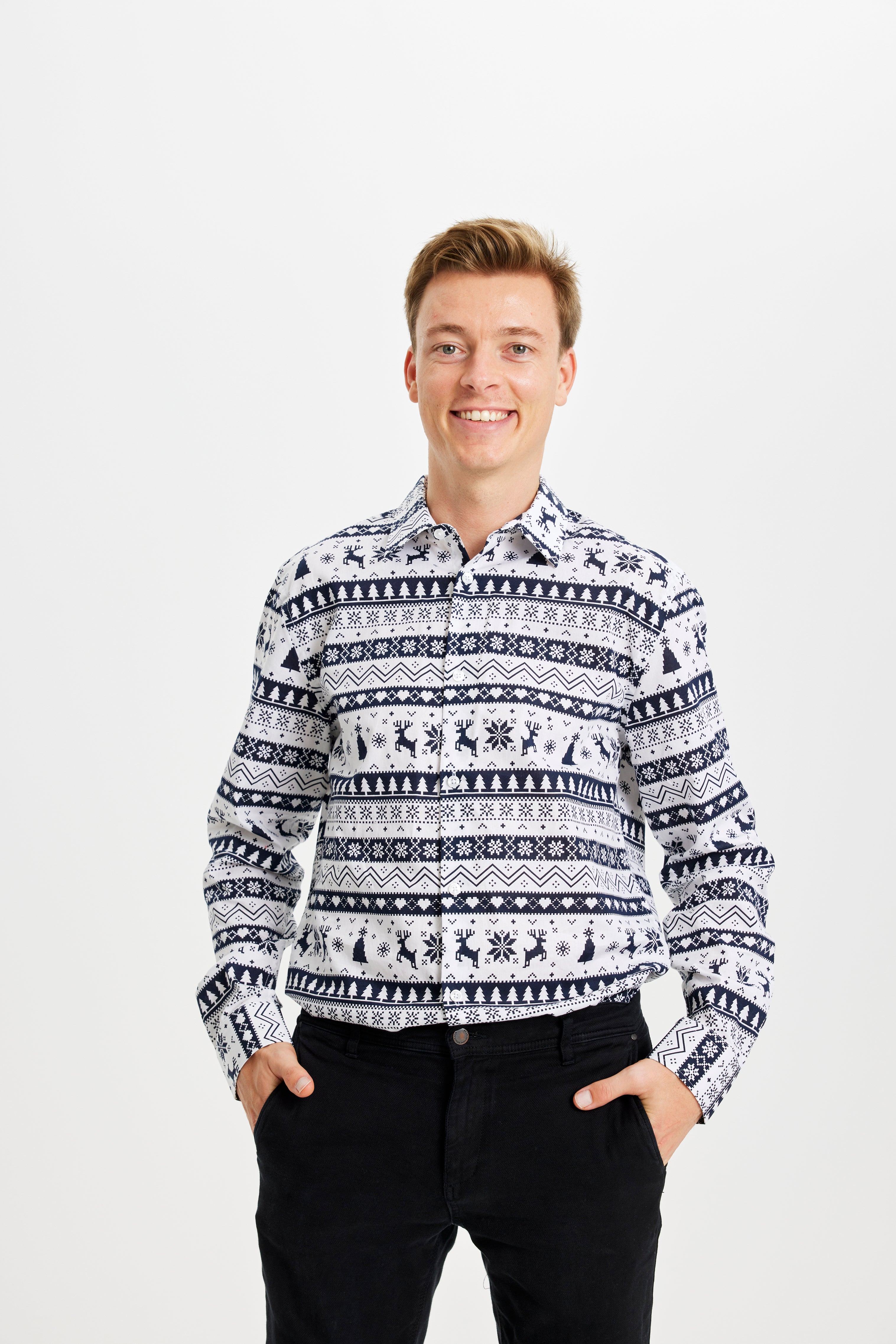
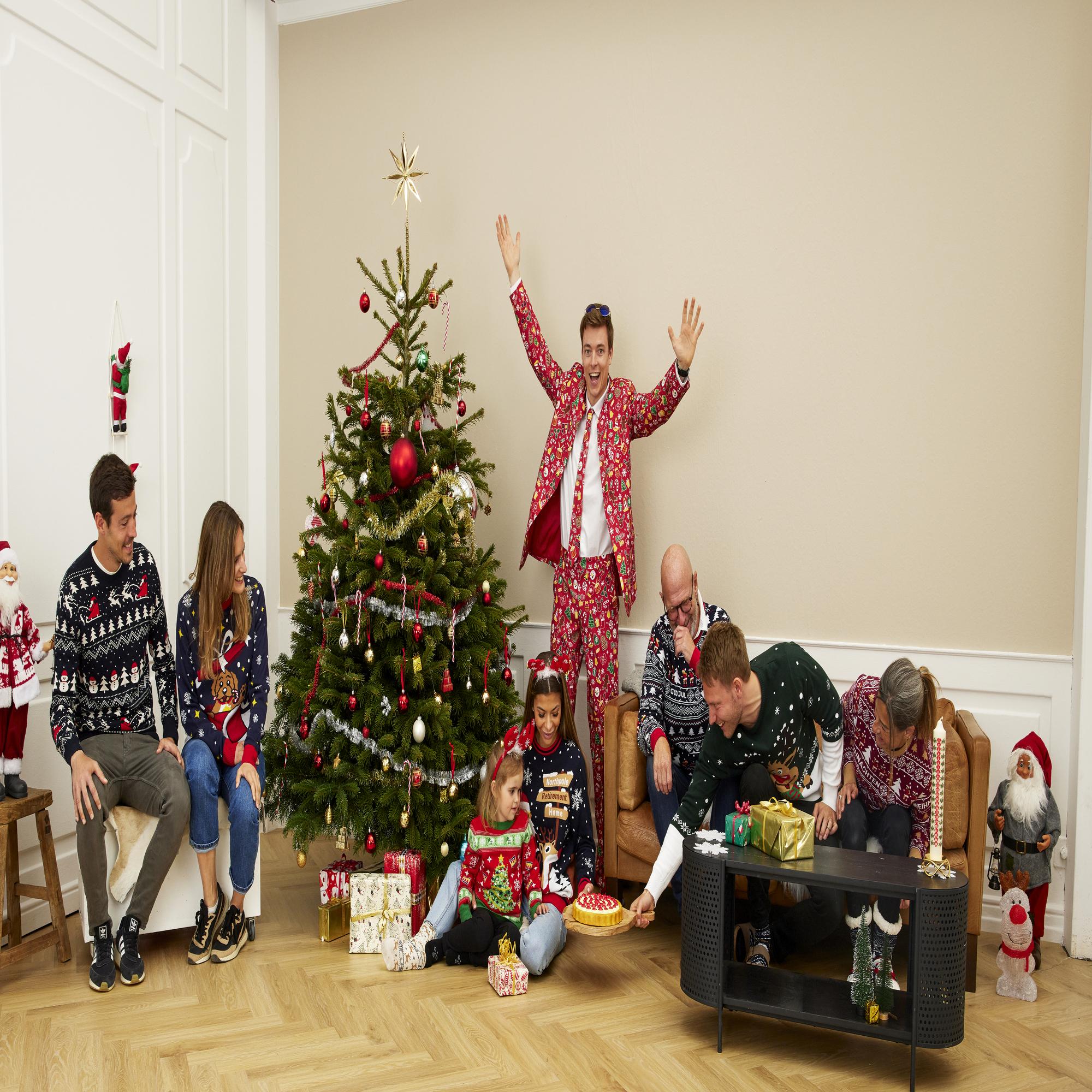
Comfort, family gatherings, seasonal food and communal events tend to top the list, and many people treat the season as a sequence of shared moments rather than one big event. At those family moments a simple Christmas sweater can be the easy way to coordinate looks across generations, and you can find options for adults, kids and playful statements depending on the occasion: Christmas sweater, kids christmas sweater and even funny christmas sweater styles work well for markets and family dinners.
Plan a rhythm that balances public outings with quiet evenings at home, and you’ll capture the practical flow of the season: small preparations, shared public experiences and a cozy, family-centred holiday night followed by gentle downtime.
Advent and early December practices
Many households begin the season with small rituals that unfold over several weeks. Typical elements include an advent wreath or calendar candles, daily opening of a pakkekalender and regular baking sessions where klejner and pebernødder are prepared for sharing. Typical timing: Many public programmes and home routines kick in from 1 December, and a Lucia procession on 13 December often marks a mid-month highlight.
Public events and recurring attractions
Outdoor markets and tree-lighting ceremonies create focal points for communal evenings. Market features include wooden stalls, choir performances, gløgg stands and æbleskiver vendors, alongside tombolas and stalls with local handicrafts. Organisers commonly schedule flagship tree lightings and opening weekends around the first days of December, with market periods sometimes running across multiple weekends into mid-December.
What to expect at markets
Expect a mix of food and family programming: hot drinks, small warm dishes, craft sellers and children’s activities. Many markets combine free access with ticketed special attractions such as themed cruises or castle activities, which typically carry modest fees. Practical tip: Layer for outdoor visits and bring cash as well as card options, since stall payment methods vary.
Christmas Eve programme and household sequence
The core household sequence centers on an evening meal followed by social rituals. Typical flow: Families gather for a main course in the evening, then sing and dance around the tree before opening presents. Many homes include a dessert moment with risalamande featuring a single almond and a small prize for the finder, while risengrød is often served earlier in the season.
Main course choices often include roast pork, duck, goose or turkey, depending on family preference. Church attendance is common for some households, either earlier on the evening of the celebration or on the following day, and the juledays after the main evening usually provide space for low-key visits and relaxed meals.
Practical notes for planning visits
When you plan market outings or seasonal performances, check dates and ticketing in advance because programmes frequently mix free outdoor features with ticketed shows. If you want a coordinated family look for outings or photos, a simple Christmas sweater is an easy choice; many collections include matching options for different ages, so you can find a kids christmas sweater alongside adult styles to keep the group cohesive without much effort.
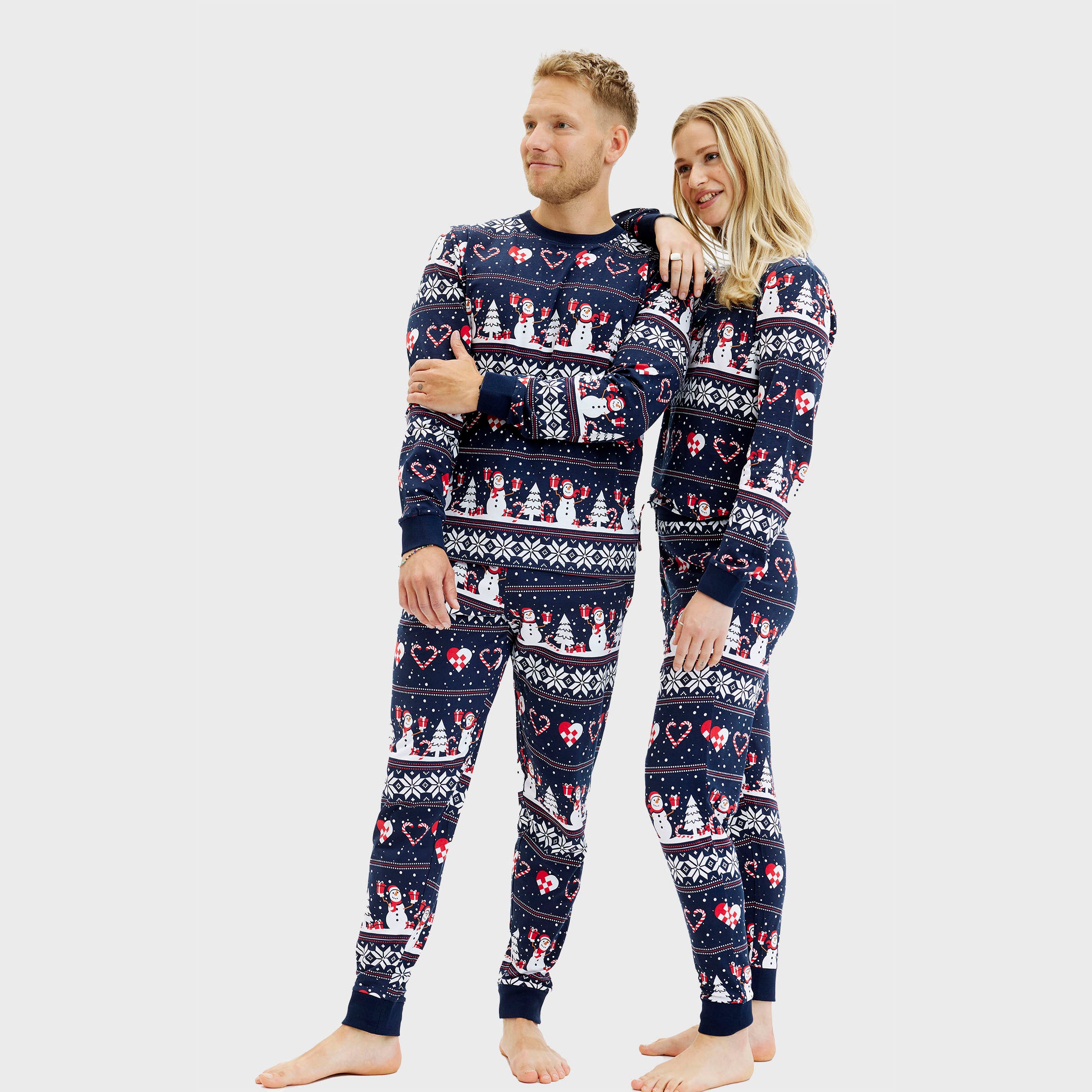
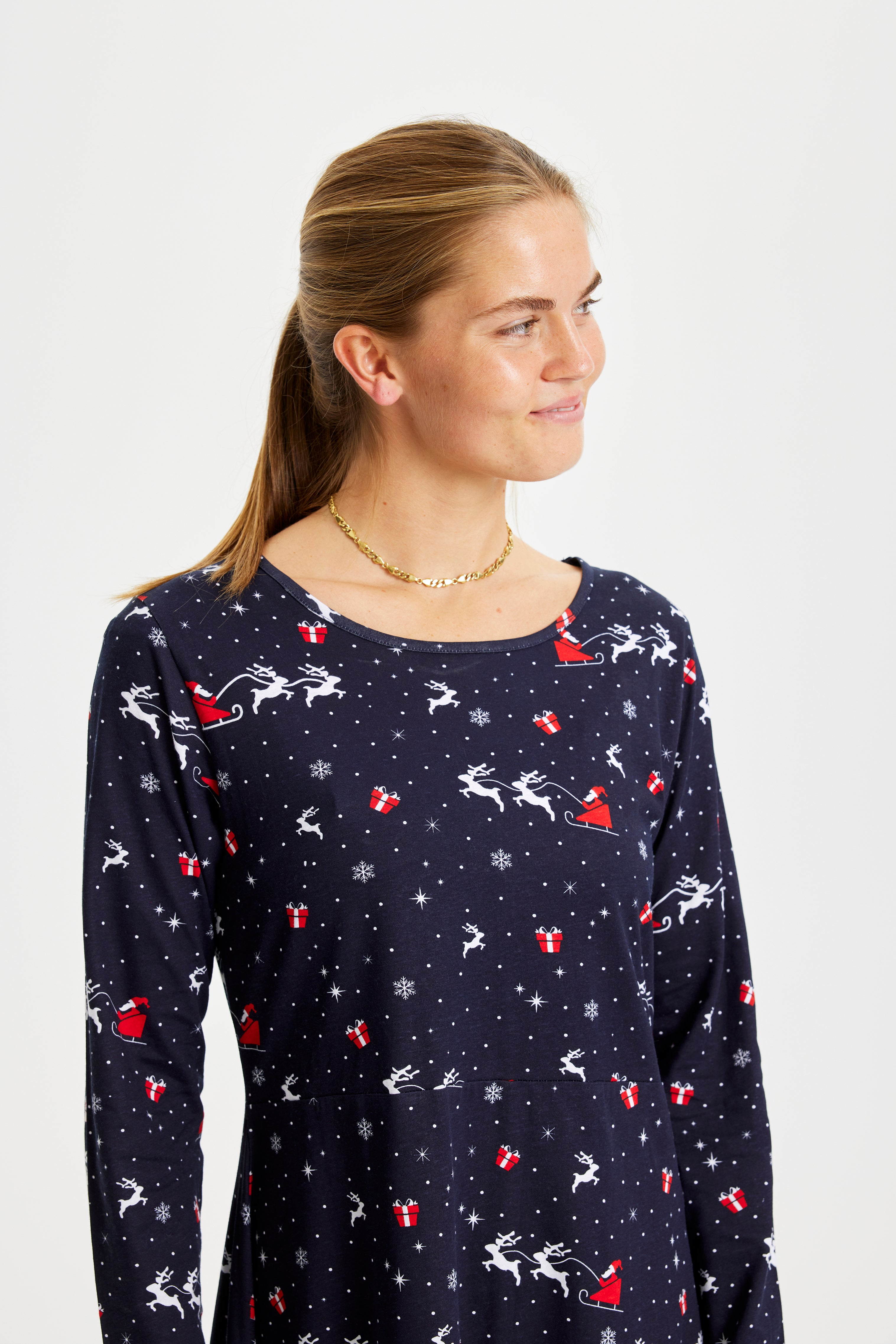
For slower mornings during the holiday period, consider dedicated homewear such as womens christmas pajamas or coordinated loungewear sets to make relaxed days feel intentional without changing plans.
Concise historical note
Modern tree-decorating and several household rituals have roots in early 19th-century practice, with one of the first documented Christmas trees appearing around 1808. The seasonal span traditionally centres on the main holiday evening and extends into early January, with some older references framing the period up to 5 January.
Quick checklist for a smooth season
- Put advent candles or an advent wreath on your calendar to start the month with rhythm.
- Plan one market outing early in December to catch tree-lighting events and family programmes.
- Schedule the main meal for the evening and keep dessert traditions such as risalamande ready.
- Pack a versatile Christmas sweater for outdoor visits and bring a matching kids Christmas sweater if you want coordinated photos.
For inspiration on coordinating outfits for market visits and family evenings, browse a selection of classic Christmas sweater styles and seasonal sleepwear to match your plans and make practical choices for both outdoor events and cosy mornings at home.
Trends this season
As public programmes and cosy home evenings continue to shape what happens at Christmas, a few clear themes stand out. Hygge-led outings remain central, with many visitors chasing the smell of pine and warm baked goods while choirs sing in market squares. Outdoor events focus on family-friendly programming, and organisers blend classical concerts with new family musicals that invite singalongs and laughter. Transactional listings sit alongside storytelling guides in event calendars, so you will often find both ticket prices and sensory descriptions on the same page.
One practical effect of these trends is the way people dress for December. Layering is common for market visits, and a soft Christmas sweater can be the comforting link between brisk evenings outside and warm indoor gatherings. For slow mornings and comfy juledays, consider pairing a sweater with relaxed sleepwear or loungewear to keep the warm, familiar atmosphere going; for example browse a selection of a cozy christmas sweater or soft christmas pajamas for gentle days at home.
Regional highlights
Copenhagen metro
Tivoli and canal-side markets set the tone with illuminated stalls, ballet and family concerts. Tree lightings and Lucia processions gather locals and visitors for evenings filled with gløgg, æbleskiver and the crunch of frosty air underfoot.
Jutland and Funen
Harbour cruises, such as ticketed sailings that include warm drinks and snacks, bring a maritime twist to December. Castles and manor houses host treasure hunts and themed activities that feel both old-fashioned and playful, and regional markets offer many weekends of browsing.
Small towns
Market towns like Ærøskøbing keep a slower pace with multi-week traditions, craft stalls and local choirs. Here you sense history in the cobbled streets, and the aroma of freshly baked treats follows you from stall to stall.
Practical presentation ideas
If you present this season in an article or guide, try visual pieces that match the flow of the month: a simple timeline for Advent and key dates, a checklist for market visits and short event snapshots that focus on sensory detail. Avoid dense tables; instead use short boxed notes for event snapshots and a bulleted checklist for what to bring to a market.
Sample checklist: warm layers, a thermos or money for gløgg and æbleskiver, comfortable shoes for cobbles, a camera for photos, and a simple holiday sweater for coordinated looks. These small preparations make outdoor evenings effortless and let the food and music take centre stage.
Frequently asked questions
When does the Danish Christmas season start and end?
Public programmes and Advent activities commonly begin in early December, often around 1 December. The season traditionally centres on Christmas Eve and spills into early January, with older references extending observance to 5 January.
What are the most typical household traditions in Denmark?
Advent wreaths and calendar candles, daily opening of a pakkekalender, December baking of klejner and pebernødder, decorating the tree close to the main evening, and a family dinner followed by dancing around the tree and risalamande for dessert.
What happens on Christmas Eve in a typical Danish home?
The evening usually includes a main course such as roast pork, duck, goose or turkey, singing and dancing around the decorated tree, and present opening. Many families also keep time for a dessert with a single almond and a small prize.
What kinds of public events take place during December?
Tree lightings, outdoor skating rinks, markets with wooden stalls, Lucia processions, concerts and family theatre or musical performances are common across cities and towns.
Are there specific dates to note for public ceremonies or markets?
Tree lightings and many flagship events are scheduled for early December, while Lucia processions happen on 13 December. Market dates vary but often run from late November through December.
How family-focused are Danish Christmas events?
Very family-focused. Many markets and events include children’s activities, Santa appearances and seasonal performances aimed at families.
How have traditions evolved over time?
Modern celebrations mix older church and agrarian customs with 19th-century additions like the decorated tree and contemporary public markets that made December a season of shared outings.
What food and drink are typical at outdoor winter events?
Gløgg, æbleskiver, hot chocolate and small warm dishes are staples at stalls, often sold alongside local crafts and choir performances.
Where can one find regional differences in celebrations?
Urban centres tend to concentrate larger evening programmes, coastal towns focus on harbour atmospheres and small towns maintain long-running craft markets and local traditions.
Are there cost expectations for public events?
Many markets and lightings are free, while themed cruises, castle events and special performances usually charge modest ticket fees that vary by venue.
Also view
28 January 2026
Many people ask what Muslims celebrate instead of Christmas. Islam does not mark the birth of Jesus with a festival. Instead the faith...