

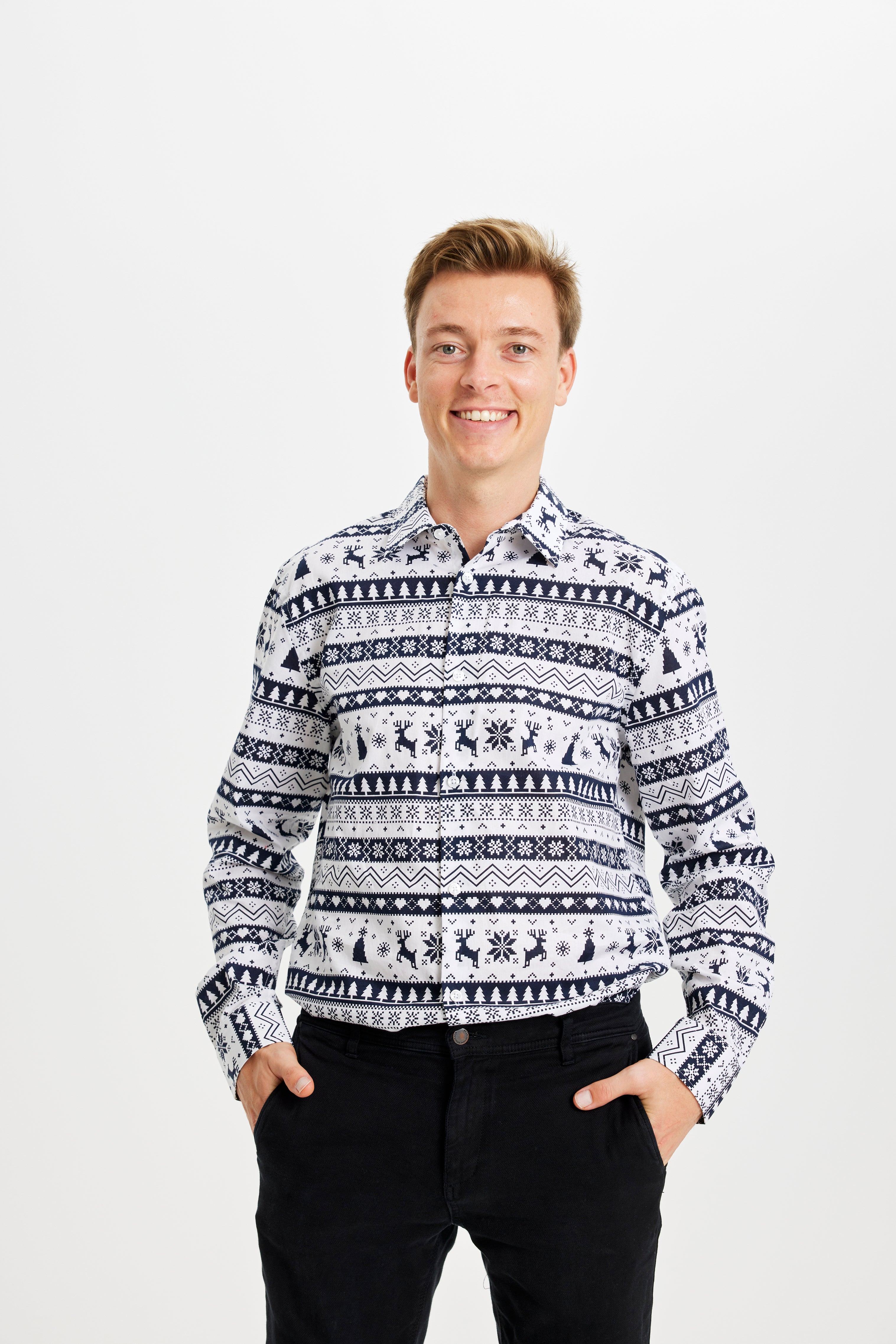

9 January 2026
When do Americans celebrate Christmas?

Americans officially mark Christmas Day on December 25, but the celebration often begins earlier and spills over into a wider holiday season. Many households treat the evening of December 24 as a time for rituals and small gatherings, while December 25 serves as the formal day for family meals, gift exchanges and relaxed togetherness. This split between Christmas Eve and Christmas Day shapes when people travel, attend services and choose festive outfits like a cozy Christmas sweater or matching christmas pajamas for family photos.
Quick answer
- Americans observe Christmas Day on December 25, while many key traditions and gatherings occur on the evening of December 24; the wider holiday season typically spans late November through early January.
Contextual notes
- Legal and official note: Christmas Day is the federally recognized holiday and the day when many workplaces close or run reduced hours.
- Cultural nuance: Christmas Eve often functions as a preparatory evening for church services, hanging stockings and final family rituals, with some families opening gifts that night.
- Seasonal frame: public decorating and shopping commonly kick off around Thanksgiving and Black Friday, and many communities keep lights and displays up into early January.
Those family moments on the evening of the 24th or the morning of the 25th are also when people reach for coordinated looks. If you are planning a comfortable morning for gift opening, matching christmas pajamas can make the scene feel intentional and photogenic. For office parties or informal family dinners, a festive option might be a tasteful Christmas sweater or, for a more playful vibe, an ugly Christmas sweater that sparks conversation.
Whether your focus is the ritual of Christmas Eve or the fuller social day on Christmas Day, the timing matters for travel, meal planning and attire choices. For ideas on styles that suit both a quiet family morning and a livelier evening gathering, browse mens christmas sweater selections for adults and kids christmas pajamas options for younger family members to coordinate looks across generations.
Official date and typical daytime activities
Christmas Day on December 25 is the federally observed holiday and the day when most families plan their main gatherings. Typical daytime activities include a leisurely morning with gift unwrapping for many households, a relaxed brunch or larger midday meal, visiting extended family and taking part in community events. Public life slows down because many government offices and businesses are closed or operate reduced hours, so travel and visiting patterns concentrate on that date.
Christmas Eve practices and why the evening matters
The evening of December 24 holds a distinct place as a time for preparation and ritual. Many people attend evening or midnight services at churches, hang stockings and set out small treats, finish gift wrapping and place presents under the tree. In some families the main gift exchange happens on that evening rather than the following morning, which gives Christmas Day a quieter, more restorative tone.
Seasonal timeline and how public behaviour changes
The holiday season in practice stretches beyond a single date. Public displays and shopping often pick up around late November, and Advent calendars and weekly gatherings contribute to a steady build-up toward the core days. Media programming and commercial activity reach a peak in the two weeks before December 25, and many households keep decorations and gatherings rolling through New Year’s. This broader season shapes when people choose travel dates, when offices schedule time off and when communities stage concerts and light displays.
Customs that affect timing and planning
Two common distinctions affect how households plan their days. First, the timing of gift opening varies: smaller items and stockings are often discovered on the morning of December 25, while some families open larger presents on Christmas Eve. Second, social commitments are spread across December: school concerts, office parties and neighbourhood events often happen in early to mid December, leaving the weekend around the 24th and 25th for family-focused ritual. Media schedules and retail hours reflect the same cadence, with promotions and programming concentrated in the run-up to December 25.
Practical wardrobe and attire tips tied to timing
Attire choices follow the rhythm of celebration. If your household favours a festive morning of unwrapping, matching sleepwear is a practical and photogenic option and matching christmas pajamas can simplify coordination across generations. For gatherings that are more social in the evening, a Christmas sweater provides a comfortable yet festive layer, and for playful events an ugly Christmas sweater can set the tone. If you want options for adults, see our selection of womens christmas sweater and mens christmas sweater for styles that work for family photos and holiday dinners.
Tips for planning travel and gatherings
Plan travel with the core dates in mind because airports and roads are busiest in the days immediately before December 24 and on December 26. If family members prefer Christmas Eve celebrations, aim to arrive by the afternoon of the 24th to avoid last-minute stress. When coordinating extended family, clarify whether gift exchanges happen on the evening of the 24th or the morning of the 25th so everyone knows when to be present.
Short checklist for timing your celebrations
- Decide early whether your main gift exchange is on the evening of the 24th or the morning of the 25th.
- Schedule travel to arrive at least a day in advance if you plan to attend evening services or family dinners on the 24th.
- Plan outfits around the timing: matching christmas pajamas for morning photos and a Christmas sweater for evening visits and parties.
- Keep public holiday closures in mind when booking appointments or shopping for last-minute items.
Practical timelines
Here are a few ready-to-use examples that show how the dates around Christmas shape days and senses. Picture the smell of pine and fresh baking, the soft sound of carols in the background and the warmth from thick knitwear as family members gather.
Typical family schedule A
Evening of 24 December. Attend an evening service or sit quietly by the tree, hang stockings and place cookies for Santa. Morning of 25 December. Open presents, linger over a cozy brunch, and prepare a larger dinner later in the day. The house smells of cinnamon and roasting, and a comfortable Christmas sweater keeps you warm for photos and relaxed conversations.
Typical family schedule B
24 December as the main day. A hearty family feast in the evening, followed by the main gift exchange, leaving the 25th as a gentle day of visiting and leftovers. The crackle of wrapping paper mixes with the sound of laughter, and matching christmas pajamas can make the morning feel like a shared, intimate moment.
Community schedule
Late November to early December. Public lighting, charity events and school concerts mark the start of the season. Mid December. Office parties and neighbourhood gatherings add social energy. 24–25 December. Core religious services and family traditions. Late December to early January. Continued visits and New Year’s celebrations round out the season. Travel and crowds follow this rhythm, so plan to arrive early if you want to join the evening of the 24th without stress.
Regional snapshots
Different regions add local flavour to the timing and customs. In the Northeast, long-distance travel is common as families aim to be together on 25 December for a full day of meals and visiting. In the South and Southwest, luminarias and warm-weather outdoor events create a distinctive atmosphere, and some families open larger gifts on 24 December, making that evening especially lively. Ethnic communities bring traditions such as the Feast of the Seven Fishes on Christmas Eve, which fills the house with the scent of lemon and garlic and becomes the central communal meal.
Historical note
Modern American timing and holiday rituals largely crystallized in the 19th century. As tree-decorating, cards and Santa Claus became widespread, the pattern of a seasonal buildup culminating in the nights of 24 and 25 December took shape across diverse communities.
Clothing cues and cosy moments
What you wear often reflects the chosen timing. For a picture-perfect morning, slip into matching christmas pajamas that feel soft and photograph beautifully by the tree. For evening gatherings, a festive Christmas sweater adds warmth and an inviting silhouette, while a playful option can spark conversation during dinner or games. These small choices help create continuity across events and generations.
Small practical tips
- Decide early whether your main exchange is on the evening of 24 December or the morning of 25 December to avoid last-minute confusion.
- Schedule travel for the day before if you want to attend services or an early evening feast on the 24th.
- Plan outfits to suit both relaxed mornings and more social evenings so you can move through the day without fuss.
Frequently asked questions
When is Christmas officially celebrated in the United States?
Christmas Day, 25 December, is the federally recognized holiday and the focal point for formal gatherings and closures.
Do Americans celebrate on Christmas Eve?
Yes. Christmas Eve on 24 December is commonly used for evening services, stocking traditions and preparatory family gatherings; some families also open gifts that night.
When do Americans typically open presents?
Practices vary. Many discover stockings and smaller gifts on the morning of 25 December, while other households open the main presents on the evening of 24 December.
When does the American Christmas season start and end?
Public and private celebrations often begin around Thanksgiving in late November and continue through New Year’s, with peak activity in the weeks around 24–25 December.
Is Christmas a federal holiday and are businesses closed?
Yes. 25 December is a federal holiday, and many businesses and government offices are closed or have reduced hours.
Do regional or cultural differences affect the timing?
Yes. Regional customs and ethnic traditions influence whether the main celebration falls on the evening of 24 December or the day of 25 December.
Are there notable religious services tied to timing?
Many churches offer evening or midnight services on 24 December as well as services on 25 December, depending on denomination and local custom.
How did the current timing and customs develop?
The modern pattern of a season that builds up to 24–25 December formed in the 19th century as European customs, commerce and new national traditions merged.
For cozy ideas that match the rhythms described here, explore our selection of christmas pajamas for relaxed mornings and choose a timeless christmas sweater for evening gatherings.
Also view
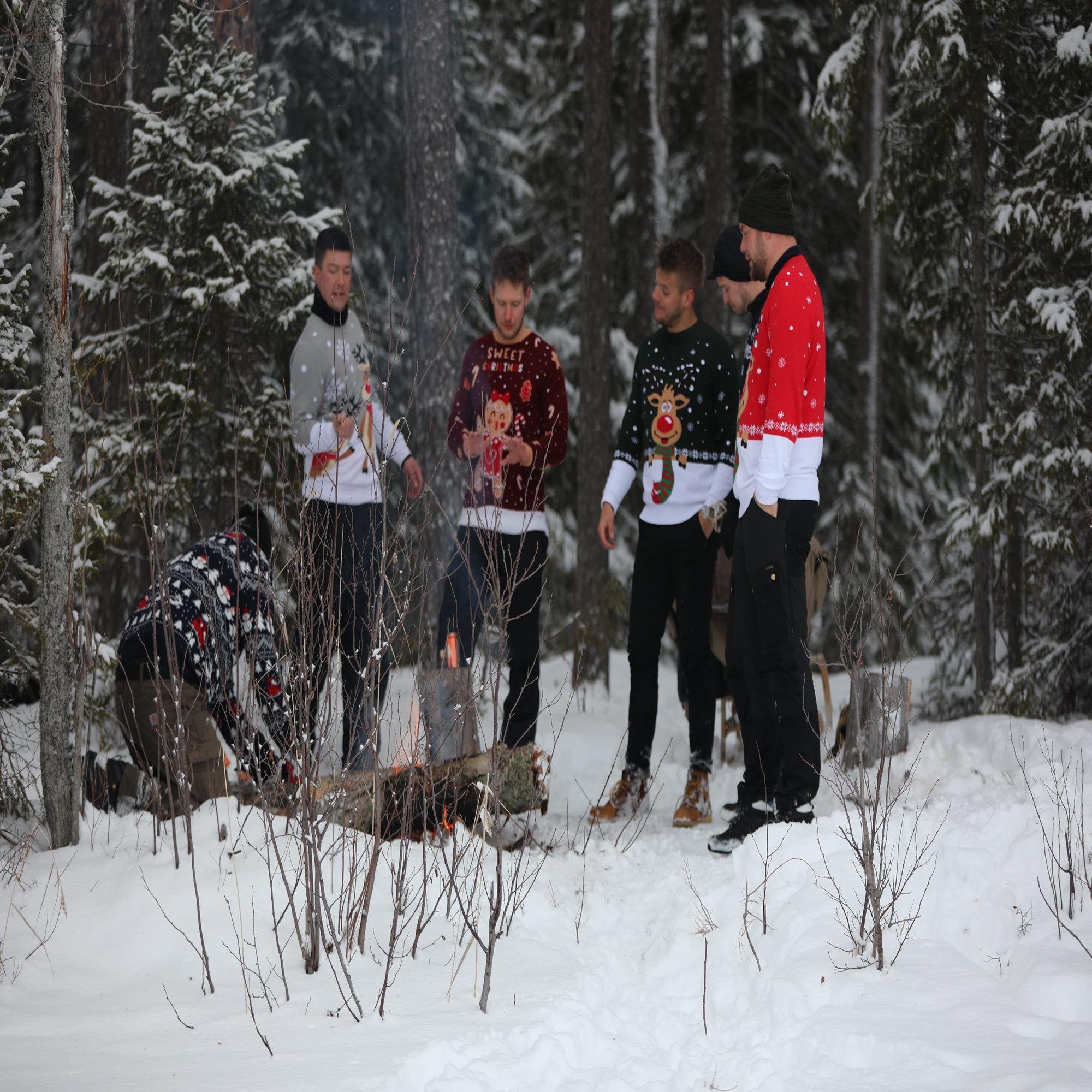
15 January 2026
Picture a small family movie night by the tree: soft lights, low conversation and a stack of options for christmas movie recommendatio...