



26 December 2025
When do Greeks celebrate Christmas?

Most Greeks celebrate Christmas on 25 December according to the Gregorian calendar. That direct date applies to the Church of Greece and the majority of institutions, so public services and family gatherings usually centre on 25 December rather than later in January.
Why there is confusion
Some Orthodox churches follow the Julian calendar for fixed feasts, so their 25 December corresponds to 7 January on the modern Gregorian calendar. That difference explains why visitors sometimes see celebrations on what feels like a different date, even though both groups mark the Nativity on a day called 25 December in their respective calendars.
Context on calendars
Calendar reforms and different liturgical calendars are the main reason dates vary internationally, not differing beliefs about the holiday itself. In practical terms, most Greeks attend the midnight Divine Liturgy or other services on the evening of 24 December into 25 December, and families then gather for meals and exchange gifts.
Quick facts
- Primary date in Greece: 25 December (Gregorian).
- Alternative Orthodox date elsewhere: 7 January (Gregorian) — 25 December in the Julian calendar.
- Other related date: 6 January observed as Epiphany / Theophany in many traditions.
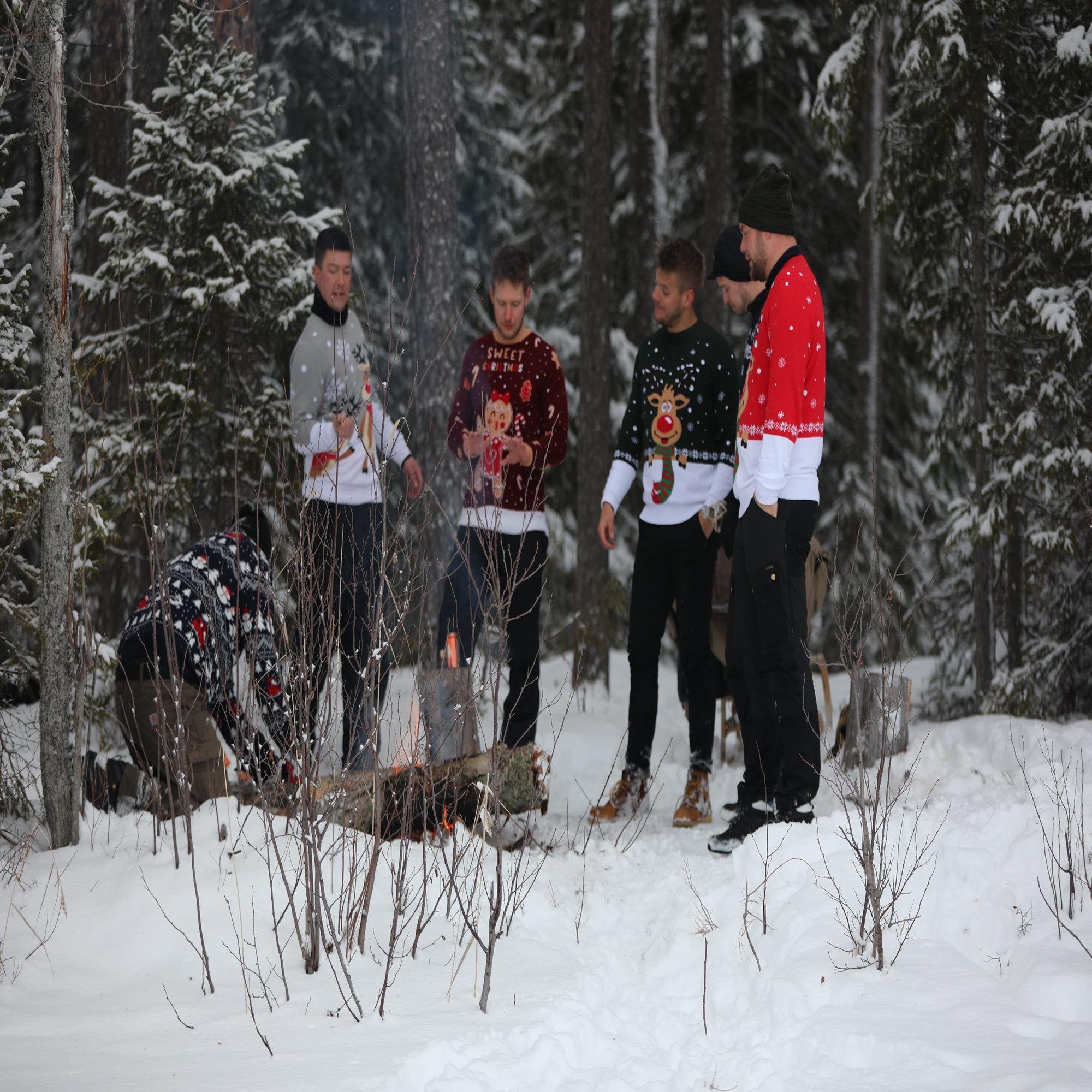
If you are planning gatherings, consider festive outfits that suit the occasion: a classic christmas sweater or matching christmas pajamas add playful charm, and there are also sized options like the kids christmas sweater for family photos. For a lighthearted party, an ugly christmas sweater can break the ice.
Calendar systems explained
The difference in observed dates stems from two calendars that fixed the date of the Nativity: the Julian calendar and the Gregorian calendar. The Julian calendar was introduced in antiquity and set 25 December as the day to mark the Nativity. Over centuries, small inaccuracies caused the Julian date to drift relative to the solar year, so 25 December on the Julian calendar now corresponds to 7 January on the modern Gregorian calendar.
The Gregorian calendar was introduced to correct that drift and was gradually adopted by civil authorities in many countries. Note: The practical effect for fixed feast days is that a church or state using the Julian reckoning will name the Nativity as 25 December while the wider world reads that date as 7 January on the Gregorian scale.
Calendar alignment in Greece
In practice, most Greek institutions and the Church of Greece observe fixed feasts according to the civil calendar in current use, so liturgies and public life align with the Gregorian dates for Christmas and other fixed celebrations. That alignment shapes timetables for services, public holidays and family planning across the country.
Orthodox liturgy and observances
The liturgical season that leads to Christmas in Eastern Orthodoxy is the Nativity Fast, a preparatory period that traditionally covers forty days from 15 November to 24 December. During that time, communities and faithful prepare for the Nativity through increased prayer, worship and special services. Many parishes mark the night leading into the feast with a midnight Divine Liturgy or evening vigils that follow long-standing liturgical forms.
Origins of the date
Early decisions to celebrate the Nativity on 25 December date back to late antiquity, when church leaders set a single date for fixed celebration. Those choices were later superimposed on existing seasonal observances, so the date has both liturgical rationale and chronological precedent in older calendrical reckonings.
Cultural markers and related feasts
Alongside church services, common cultural markers accompany the season: youngsters sing carols known as kalanta, nativity displays appear in homes and public spaces, and coastal communities often decorate ships as part of holiday décor. Another important fixed feast in the Orthodox calendar is Epiphany or Theophany on 6 January, a separate celebration with its own liturgical rites and public ceremonies.
If you are choosing outfits for gatherings, a classic christmas sweater or matching christmas pajamas offers a playful, family-friendly option for photos and casual festivities.
Suggested table layout
For clarity in an article, present a small comparative layout rather than a complex table. Include these columns as headings: “Calendar used”, “Date called ‘25 December’”, “Corresponding Gregorian date”, “Who commonly uses it”. Populate the rows with Julian and Gregorian entries so readers can quickly see how a single named date maps across calendars and communities.
FAQ
Q: Do Greeks celebrate Christmas on 7 January? A: No; most celebrations follow the civil calendar, so the Nativity is observed on 25 December as a fixed feast, while 7 January reflects the Julian 25 December used by some other Orthodox churches.
Q: Why do some Orthodox communities mark Christmas later? A: Because those communities follow the Julian calendar for fixed dates, and the Julian 25 December currently falls on 7 January in the Gregorian system.
Q: When does the Nativity Fast take place? A: The Eastern Orthodox Nativity Fast traditionally lasts forty days, generally from 15 November until 24 December.
Q: Does the Orthodox calendar include Epiphany/Theophany? A: Yes; Epiphany or Theophany is observed on 6 January and is a significant feast with distinct liturgical rites.
Q: How do liturgical dates relate to civil holidays? A: Liturgical calendars set feast days for worship, while civil calendars determine public holidays and closures; countries and churches may align these differently.
Note: The FAQ is the last section of the article.
How Greek timing differs from western and Nordic traditions
The feel of Christmas in Greece sits comfortably on 25 December, yet the way people celebrate that day can look different from what you see in other countries. In many western and Nordic homes, the evening of 24 December is the social centre of the holiday with family gatherings and gift exchanges. In Greece, public services, festive meals and many family gatherings are usually organized around 25 December itself, and this creates a slightly different rhythm for travel, church attendance and communal events.
Sound and scent help mark that difference. Think of the scent of pine mingling with warm baking, the gentle glow of candles in a church, and the echo of carols as people move between midnight liturgies and daytime family meals. Wearing a cozy christmas sweater can feel just right whether you join an evening service or a sunny seaside lunch when the weather allows.
Practical implications for observance and public life
Civic schedules reflect the liturgical focus. When a country follows the civil Gregorian calendar for holidays, businesses, schools and public services typically close for 25 December and sometimes for 26 December as well. In places where a Julian-based calendar is used for church feasts, closure patterns may shift later into January. That means travellers and expatriates should check local timetables so they do not miss services or seasonal markets.
It also matters for communal events. Churches will announce midnight or morning liturgies and towns mark processions and blessing ceremonies at different times. Liturgical observance and civil holidays remain distinct categories: the church calendar guides worship and tradition, while the civil calendar determines paid holidays, transport schedules and municipal services.
Simple comforts play a role in planning. If you intend to spend a relaxed morning at a café or enjoy a hearty family meal, a soft set of christmas pajamas or matching loungewear can make the day feel slower and cozier. Smells of cinnamon and citrus, the crackle of a small fire where available, and the warmth from knit clothing all shape how the day is experienced.
Frequently asked questions
Do Greeks celebrate Christmas on 7 January?
No. Most Greeks celebrate on 25 December according to the civil calendar. The date 7 January corresponds to 25 December in the Julian calendar used by some other Orthodox communities, but that later date is not the general practice in Greece.
Why do some Orthodox Christians celebrate Christmas later than 25 December?
Some Orthodox churches follow the Julian calendar for fixed feast days. The Julian 25 December currently falls on 7 January in the Gregorian calendar, so communities using the Julian reckoning observe the Nativity then.
When does the Orthodox Nativity Fast take place?
The Nativity Fast traditionally lasts forty days, typically from 15 November until 24 December. During that period many faithful increase worship and preparation for the feast.
Does Greece celebrate Epiphany or Theophany, and when?
Yes. Epiphany or Theophany is observed on 6 January and is an important and separate feast in the Orthodox liturgical year, often marked by blessing of water ceremonies and public events.
Did Greece ever change which calendar it uses for Christmas?
Yes. Calendar reforms in the twentieth century led civil and most church institutions in Greece to align with the Gregorian calendar for fixed feasts, resulting in the common observance of Christmas on 25 December.
Are there notable Greek Christmas customs that differ from Northern Europe?
Yes. Greek customs include carol-singing known as kalanta, nativity displays and, in many coastal towns, decorated boats alongside or instead of trees. Regional food traditions and public blessings also give the season a distinctive local flavour.
Is 25 December always a public holiday in Greece?
Generally, yes. Twenty-five December is widely observed as a public holiday in Greece, though the exact pattern of closures and additional days off can vary by year and local regulation.
Also view
15 January 2026
Picture a small family movie night by the tree: soft lights, low conversation and a stack of options for christmas movie recommendatio...