

22 December 2025
When do you say merry Christmas?

You spot a neighbour at the end of the street, a cashier smiles as you pay, or a family member pauses by the table and you feel the urge to say Merry Christmas. Timing can feel tricky: some people exchange greetings early in December, others save them for Christmas Eve or the morning of the 25th. Social norms shift by country, language and setting, and a small hesitation about when to speak up is normal.
Common moments that prompt the question
Casual encounters in shops or on the street often call for a brief, friendly greeting. In family settings greetings cluster around arrivals, before a meal or immediately after a service; at those moments a Christmas sweater can be an easy icebreaker, especially a playful choice like an ugly christmas sweater that invites smiles. At work, brief emails or office chats may require more neutral phrasing until you know colleagues’ preferences.
Where context changes the timing
Public and commercial messages are usually broader and flexible; marketing teams plan greetings across December and may highlight seasonal apparel. If you are visiting homes with children, a festive outfit matters less than timing, but a kids christmas sweater often signals readiness for holiday cheer and makes the greeting feel natural.
Key terms defined briefly
Merry Christmas and Happy Christmas are English variants used in different regions. Danish equivalents are god jul and glædelig jul. For timing think in three simple slots: before, during and after the key holiday moments. Match your wording to setting and relationship, mirror the other person when unsure, and let festive clothing like a classic christmas sweater complement the greeting rather than distract from it.
Danish timing and practice
There Is a long-standing custom in Danish-speaking communities around how greetings are timed, and many people still observe a neat distinction between the phases of the holiday. Traditionally, god jul is exchanged during the lead-up to the evening service on 24 December, while glædelig jul tends to appear afterwards and throughout the Christmas days. In everyday life the lines are more relaxed: both forms are commonly used across December, and some households favour one phrase while others switch depending on the moment.
Practical examples help: arriving at a family dinner in the early evening, it is natural to offer god jul on arrival; after a church service or when sitting down to dessert, a switch to glædelig jul fits the rhythm of the day. A cheerful Christmas sweater can reinforce the moment and ease social interaction, especially when outfits are coordinated between family members or friends.
English variants and international norms
There Are two familiar English variants: Merry Christmas, widespread in the United States and many international settings, and Happy Christmas, which is heard more often in parts of the United Kingdom. Both greetings are acceptable across December and on Christmas Day. In casual contexts it is also common to extend the exchange into the days following 25 December by saying Hope you had a Merry Christmas as people reconnect after the holiday.
When language shifts between settings, matching the recipient’s phrasing is a simple way to show awareness. In public spaces, seasonal alternatives such as Season’s greetings or Happy holidays are practical in mixed groups, while direct greetings work well among family and friends.
Contextual factors that determine appropriateness
Religious settings often attach timing to particular observances, so greetings that follow a service or a liturgical moment may be preferred by those present. Family traditions shape expectations too: some families exchange greetings on the 24th evening, others on the morning of the 25th, and a few spread exchanges across several visits. Public and commercial environments are typically more flexible and accept greetings throughout December.
Clothing, pacing and tone all matter. A casual encounter at a market can be accompanied by a friendly nod and Merry Christmas, while a workplace email close to the holiday may call for a slightly more neutral opening. If you are planning coordinated outfits for gatherings, consider matching pieces such as a mens christmas sweater paired with a womens christmas sweater to create a unified look that makes greetings feel natural and lighthearted.
Evidence and observed behaviour
Descriptions of cultural practice note that conventions around which greeting to use have historical roots tied to services and family routines, but contemporary behaviour shows broad overlap between forms. Language-learning resources and media examples highlight regional phrase preferences and pronunciation, while everyday observations point to flexible use: people adopt the greeting that fits their relationship and the moment.
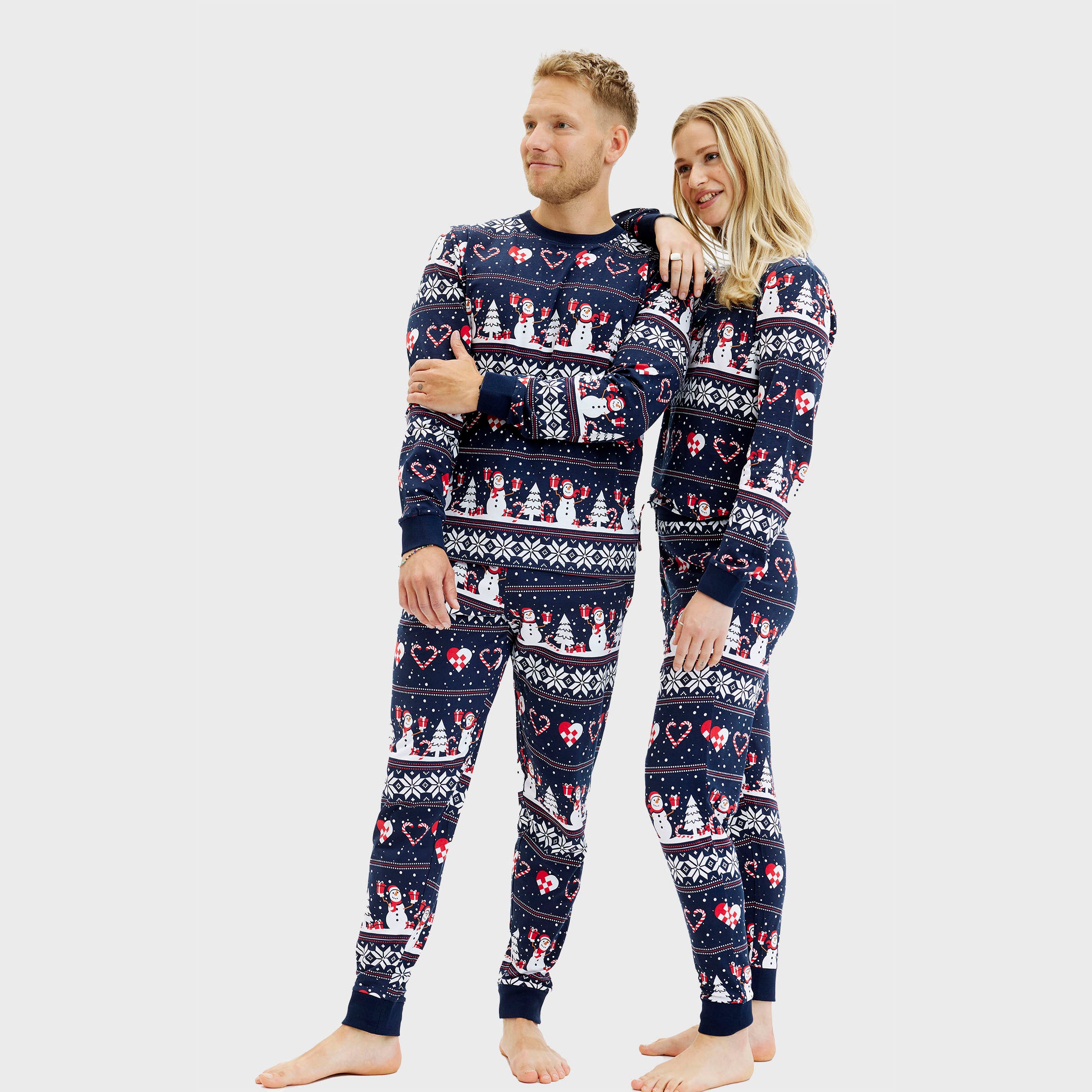
For those who like a playful approach, an ugly christmas sweater or a novelty top can act as an icebreaker when approaching neighbours or shop staff; for family photos, coordinated christmas sweater sets or matching christmas pajamas make greetings feel like part of the shared ritual. If you prefer a subtler cue, a festive scarf or holiday accessories will signal intent without dictating words.
Practical takeaway
Choose the greeting that fits the setting and the person. Mirror what others say when unsure, and favour inclusive phrasings in mixed groups. When in doubt, a warm Hope you had a Merry Christmas after 25 December or Season’s greetings earlier in the month will be well received. For outfit ideas that support the moment, explore options such as christmas sweater and kids christmas sweater to find pieces that help make timing feel effortless.
Practical timing and phrasing
In everyday encounters, the simplest rule is to follow the moment and the mood. A quick hello at the market with a scent of pine and warm baking in the air can be paired with a friendly Merry Christmas, while earlier in December a neutral Season’s greetings feels natural. When you enter a cosy living room with the glow of candles and the soft rustle of knitwear, matching the greeting to the room creates warmth and ease. A cheerful Christmas sweater or a pair of christmas pajamas can make the moment feel unforced and give you a gentle opening line.
Casual public interactions
Before mid-December, short seasonal references work well. Closer to the holidays, a Merry Christmas is widely accepted in many places. In Denmark, both god jul and glædelig jul are commonly heard through December, so if you speak Danish, use whichever feels right. Keep your voice warm, let the sound of distant carols guide your pace, and smile; clothing like a playful ugly christmas sweater often invites a returned greeting.
Family and friends
Within close circle, tradition matters. Some families exchange greetings before the meal, others wait until after the service or when dessert is served. Mirror the household’s habit and let familiar phrases flow. The tactile warmth from a hand-knitted sweater or the soft embrace of matching christmas pajamas can add a sensory layer that makes the greeting feel like part of a shared tradition rather than a standalone phrase.
Workplace and professional messages
For colleagues and clients, consider audience and tone. Early in December, choose neutral seasonal phrasing. As the holiday draws near, it becomes more acceptable to use Merry Christmas for recipients who you know appreciate it. When writing an email, a calm opening and a brief closing wishing the recipient well is often better received than elaborate festive language. If you prefer to stay inclusive, Season’s greetings or Happy holidays are safe choices.
Marketing and organisational timing
Brand messages often run from late November through December. Use direct seasonal greetings when the audience aligns with that tone, and temper festive language with cultural sensitivity when the audience is diverse. A soft visual cue such as coordinated christmas sweater sets in campaign imagery can convey warmth without overpowering the message. Tip: Plan timing around local traditions and the moments people are most likely to engage with seasonal content.
Phrasing examples by time window
Early December: Season’s greetings, Happy holidays. Mid-to-late December: Merry Christmas, local equivalents. Christmas Eve and Day: Direct greetings are natural among family and friends. After 25 December: Hope you had a Merry Christmas, gradually shifting toward New Year wishes as the week progresses.
Frequently asked questions
When is the most appropriate time to say Merry Christmas?
It is commonly used throughout December, with many people exchanging greetings on Christmas Eve or Christmas Day. Exact timing depends on local and family tradition, so observe the setting and follow others when unsure.
Is Happy Christmas the same as Merry Christmas?
Yes, both convey the same warm wish. Happy Christmas is more common in some parts of the United Kingdom, while Merry Christmas is widespread in the United States and many international settings.
Can businesses use Merry Christmas in marketing?
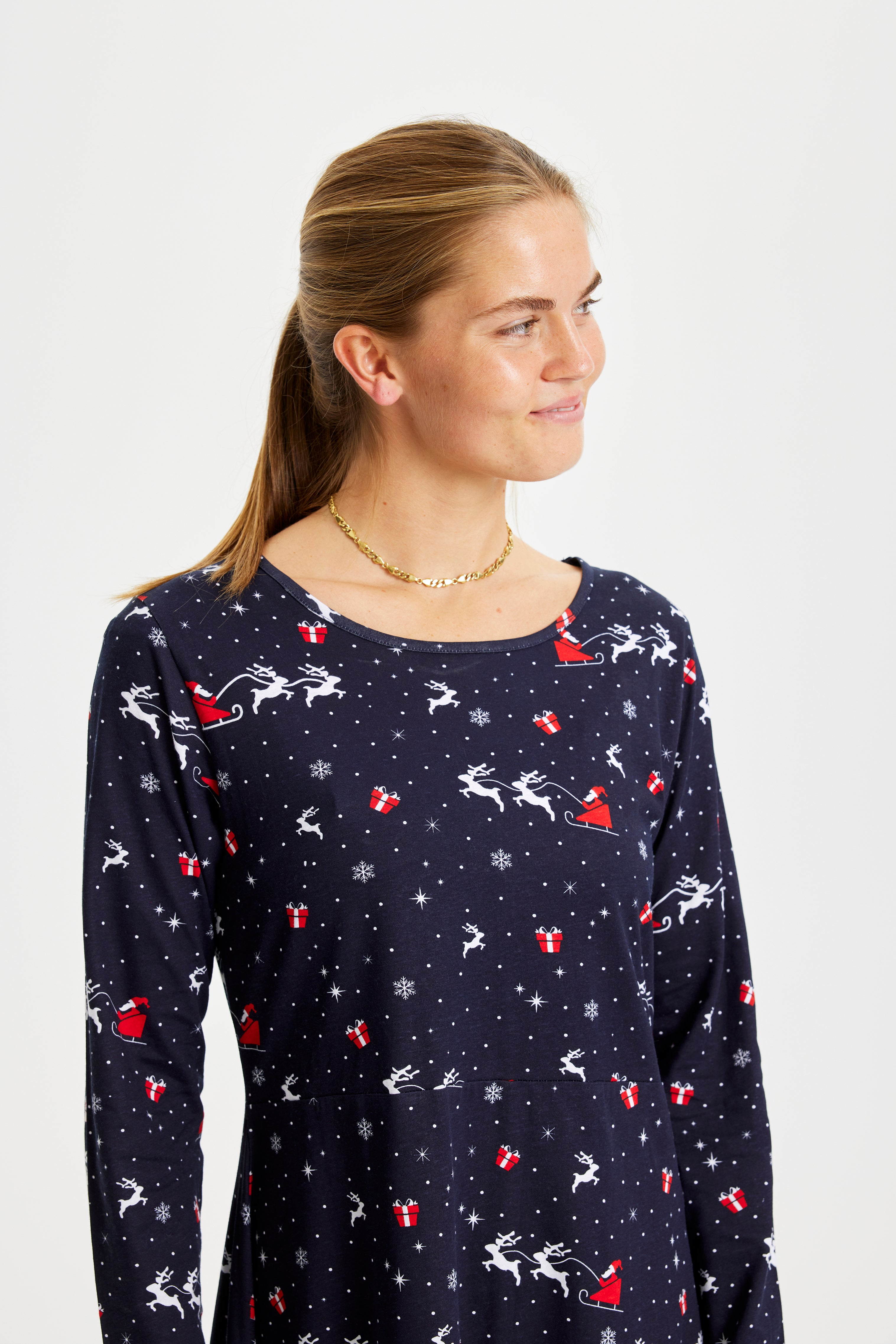
Businesses often use direct festive greetings where audience expectations support that phrasing. Many choose inclusive language for diverse audiences. Visual cues such as a model in a cozy christmas sweater can help set a tone without relying solely on words.
Is it appropriate to say Merry Christmas after 25 December?
Yes. In the days following 25 December people say Hope you had a Merry Christmas as they reconnect. As the week moves on, greetings naturally shift toward New Year wishes.
What is a safe alternative if I am unsure of someone’s preferences?
Use Season’s greetings or Happy holidays, or simply mirror the greeting the other person uses. A small shared moment, like the smell of freshly baked cookies or the crackle of a fireplace, can guide you toward the right phrase.
For ideas on cosy outfits that match the moment, browse a selection of soft christmas sweater pieces to find something that makes every greeting feel like part of the celebration.
Also view

15 January 2026
Picture a small family movie night by the tree: soft lights, low conversation and a stack of options for christmas movie recommendatio...