

2 November 2025
When does Christmas start?

People answer the question of when Christmas starts in very different ways: for many it is the evening of 24 December, for others it is the whole Advent period, some mark it with the school Christmas holiday, churches follow a liturgical span, and shops and cities often begin in November. These overlapping signals mean that the moment Christmas begins depends on who you ask and what counts most in your life.
Common answers
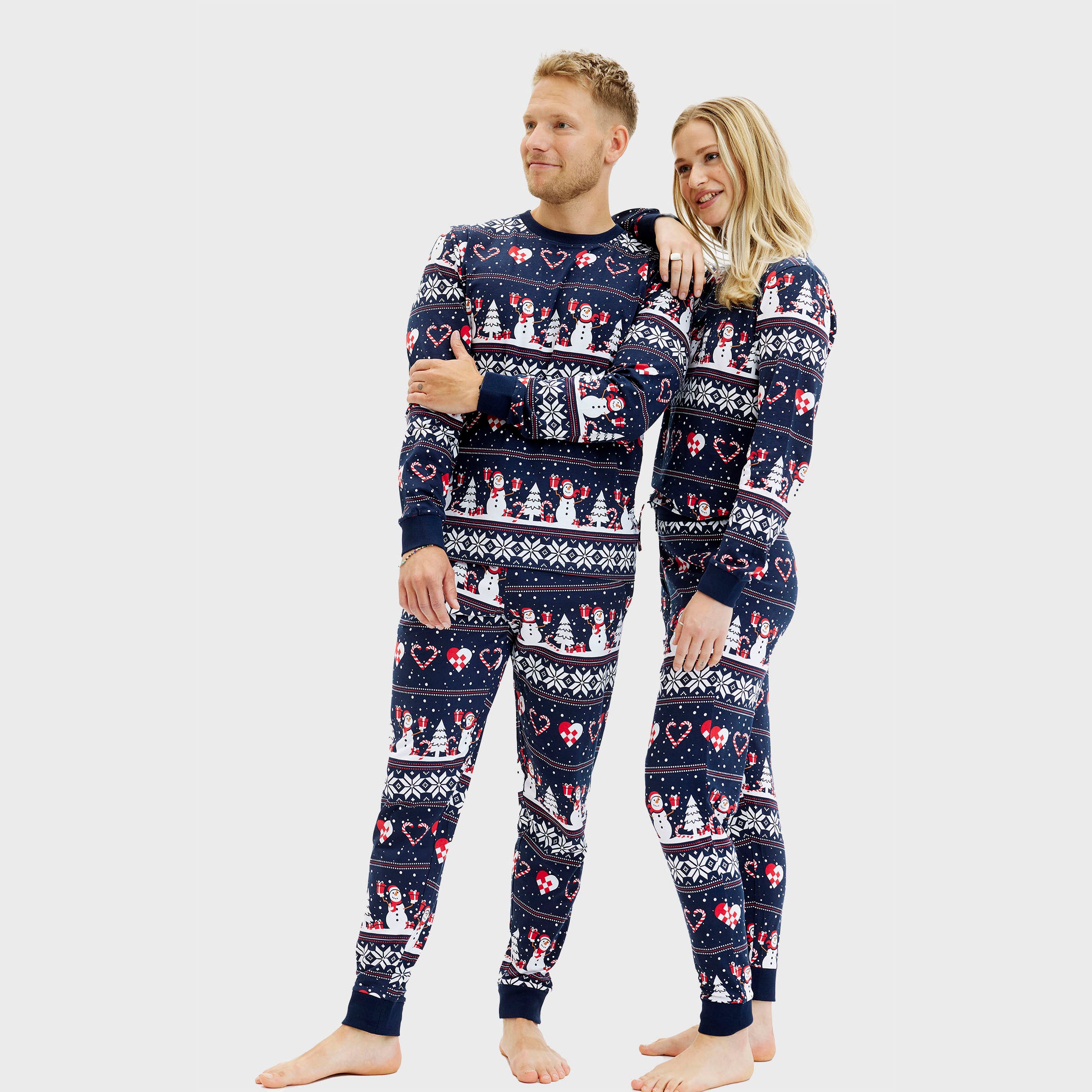
- Social/familial marker: Christmas Eve (24 December evening), when families gather for the main celebration and gift-giving; many household moments call for matching kids Christmas sweater and coordinated pajamas for photos and traditions. christmas pajamas
- Folk-tradition marker: Little Christmas Eve (23 December) through second Christmas Day (26 December), a compact festive span with preparation, celebration and visiting.
- Liturgical marker: Evening of 24 December through Epiphany (6 January), as observed in many church calendars.
- Preparatory marker: Advent, the four Sundays before 25 December, which many people treat as the start of seasonal rituals and first decorations.
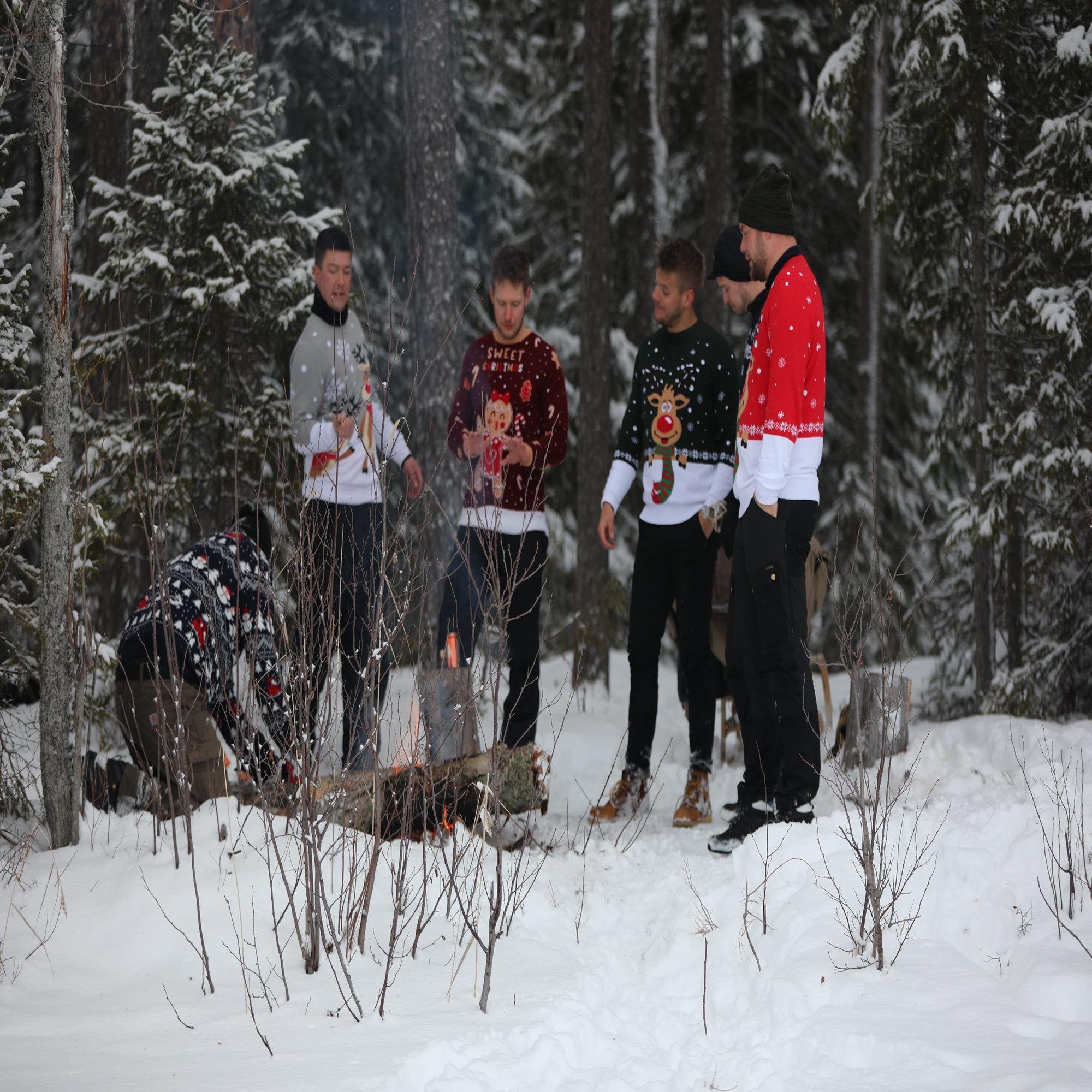
- Practical and commercial marker: School holidays commonly begin around 20–21 December for families, while retail and municipal events often start in November and can feel like the public beginning of the season; partygoers may use an ugly Christmas sweater to signal festive intent.
How this post will help
This post presents the main, documented ways Danes and institutions mark the start of Christmas, with clear dates and context so you can decide which marker fits your own rhythm.
Quick note on celebrations and wardrobe
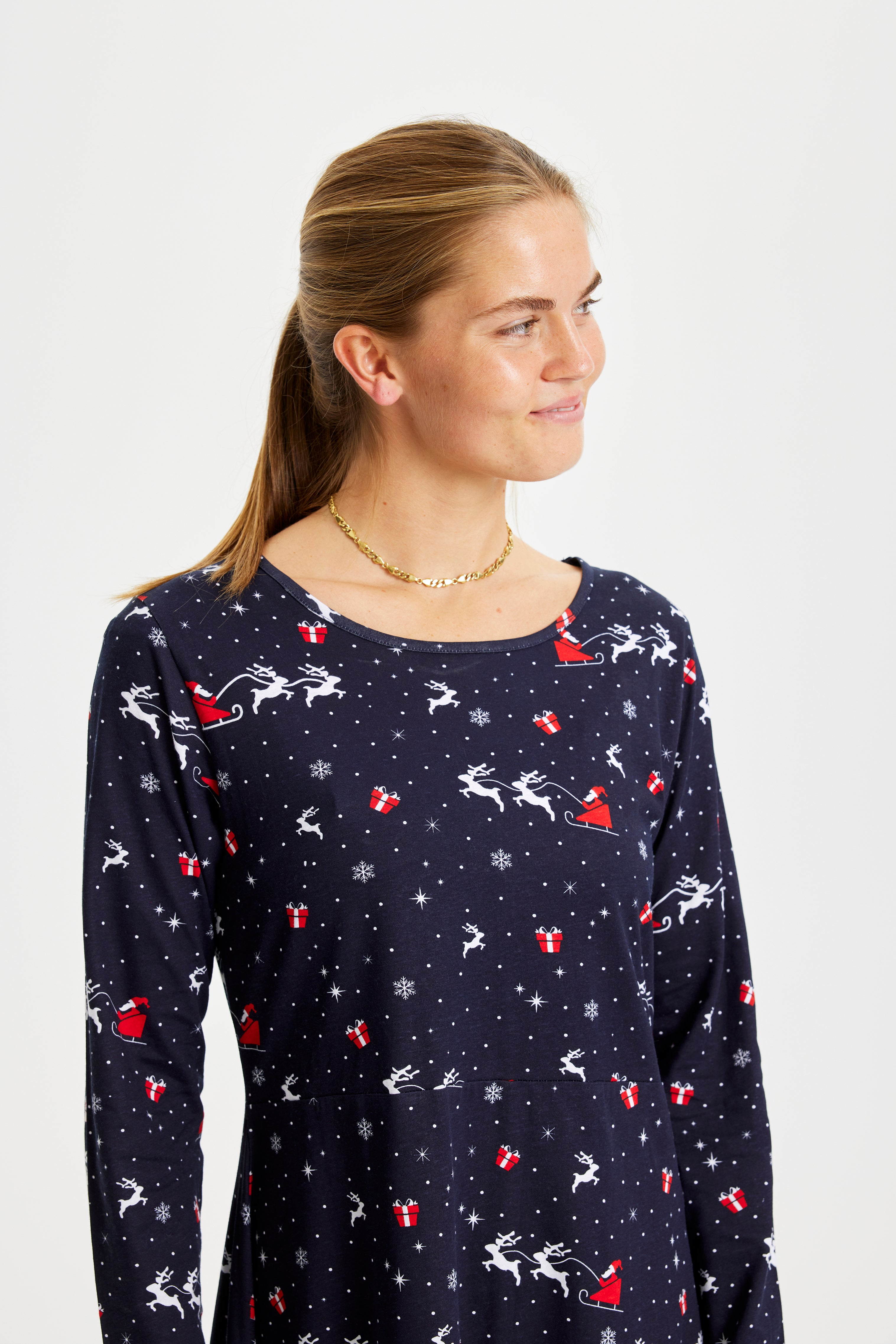
Because the start of Christmas is partly social, clothing choices often follow: office parties and family evenings favour everything from a classic christmas sweater to more playful options. For gatherings with children, look for coordinated items like kids Christmas sweater, while themed office parties might call for a statement ugly Christmas sweater to spark conversation. These wardrobe cues are practical markers that help people signal the season in everyday life.
Christmas eve as social start
For most households the clearest marker of when Christmas starts is the evening of 24 December. That night typically hosts the main family gathering, the focal meal and the moment for giving gifts, so the social sense of “the season has begun” tends to crystallise then. Because clothing plays a role in marking that shift, many families choose coordinated sleepwear or a classic Christmas sweater for photos and shared rituals. If you plan a coordinated look for a family evening, consider matching Christmas pajamas to make timing and outfits easy to plan.
Folk-traditional span
A common popular definition extends the festive period from 23 December through 26 December. Little Christmas Eve, 23 December, often serves as the last day for preparation; 24 December remains the peak night; 25 and 26 December are reserved for visiting, relaxing and continuing celebrations. Treating these days as a compact block helps with scheduling travel, hosting and wardrobe choices for multiple events across consecutive days.
Liturgical season
In many church calendars the season formally begins on the evening of 24 December and continues through Epiphany on 6 January. This framing gives a longer, calendar-driven span to the season and is reflected in religious services, special readings and public observances across those days. Households that follow this pattern often space decorations and programmes to match that extended timeframe.
Advent as preparatory period
Advent, the four Sundays leading up to 25 December, functions as the preparatory window. Its movable dates mean the start shifts by year, but its role remains consistent: small rituals, wreaths, calendars and early decorations mark the approach to the main celebration. Many people see Advent as the beginning of seasonal momentum rather than the main celebration itself.
School holidays and family rhythm
For families with school-aged children, the practical start of the holiday is often whatever date the local school closes. That early break creates a distinct change in daily rhythm and frequently triggers home-based preparations, travel and a first round of festive outfits for children. Planning around school calendars is a reliable way to determine when the household will shift into holiday mode.
Commercial and municipal signals
Retailers and public events frequently switch into holiday mode well before December. City decorations, markets and store displays often appear in November, creating a public sense that the season has begun. These signals are useful for anyone coordinating events or wardrobe choices for public-facing occasions; for instance, an office party held in late November might call for a playful ugly Christmas sweater to acknowledge the season without waiting for December.
Regional variation and practical timeline
Households and communities differ: some start with the first Advent Sunday, others wait for the evening of 24 December, and tourist-focused cities may light up in November. To translate those differences into a clear plan, use this quick timeline to decide what works for you.
Suggested timeline:
- Christmas Eve — 24 December evening — Primary family celebration and gift-giving
- Little Christmas Eve to second Christmas Day — 23–26 December — Preparation, celebration and visiting
- Advent — Four Sundays before 25 December — Period of preparation and early decorations
- School holiday — Dates vary — Practical family start when children leave school
- Commercial season — November onward — Public displays, markets and events
Why some countries mark 25 December?
Different cultural and religious histories place emphasis on either the evening of 24 December or the whole day of 25 December. In some traditions the mass or feast of 25 December is the focal point, while in others the family celebration on the evening before serves as the principal moment. That distinction explains why households in different places answer the question of when Christmas starts in different ways.
Practical wardrobe cues
Clothing often signals where you place the start of the season. For a home-centred celebration the evening of 24 December calls for coordinated pieces such as matching Christmas pajamas, while public or workplace events earlier in the month may invite bold choices like an ugly Christmas sweater. Choose wardrobe markers that match the timing you prefer and that make planning simpler for guests and family.
Also view
15 January 2026
Picture a small family movie night by the tree: soft lights, low conversation and a stack of options for christmas movie recommendatio...