
7 December 2025
When does Spain celebrate Christmas?

Christmas in Spain unfolds as a communal season rather than a single holiday, with streets, families and public life marking moments across weeks instead of one night. That shared rhythm makes the period feel long and social, from early December right through Epiphany.
Quick answer
Spain’s Christmas season runs from early December through 6 January, with the most active stretch roughly from 22 December to 6 January and the cultural climax on 6 January, Epiphany or Día de los Reyes.
Main dates to remember
Early December often brings regional and religious observances that begin the holiday mood. 22 December is El Gordo, the national lottery many treat as the popular kick off. 24 December, Nochebuena, is the main family evening with late dinners. 25 December, Navidad, continues family gatherings and shared midday meals. 31 December is Nochevieja with the twelve grapes tradition at midnight. The evenings of 5 and 6 January feature the Cabalgata parades and Día de los Reyes, the traditional gift day.
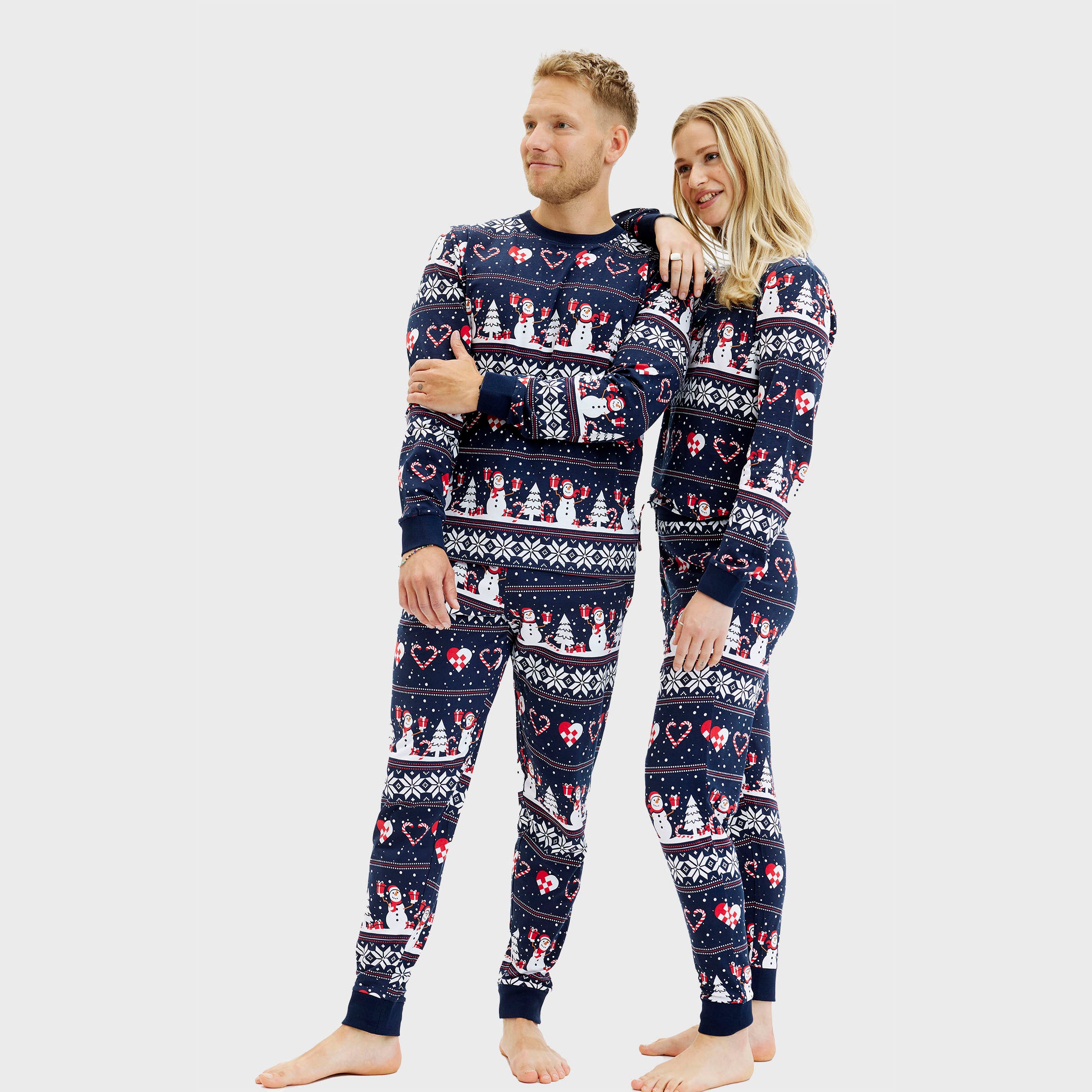
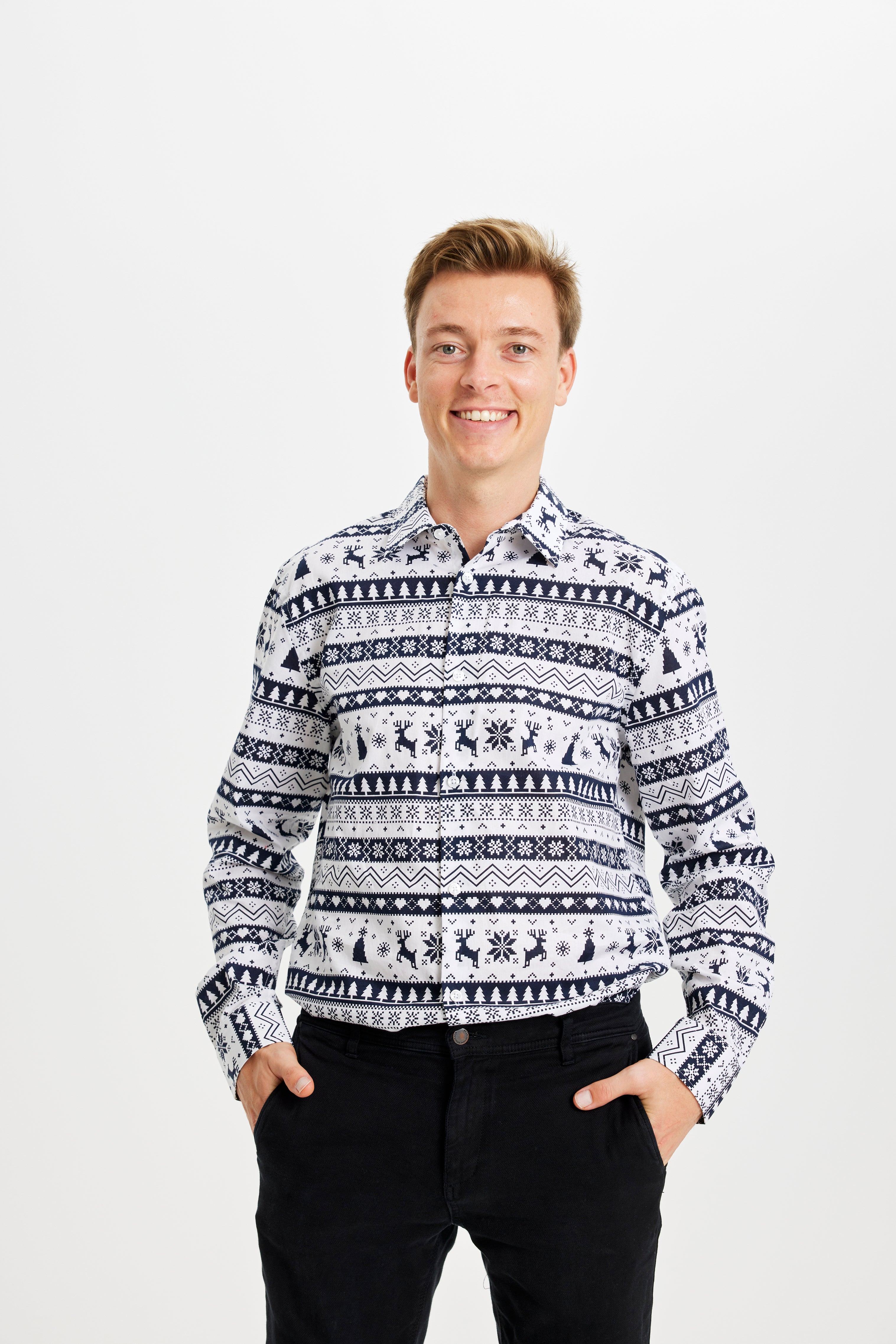
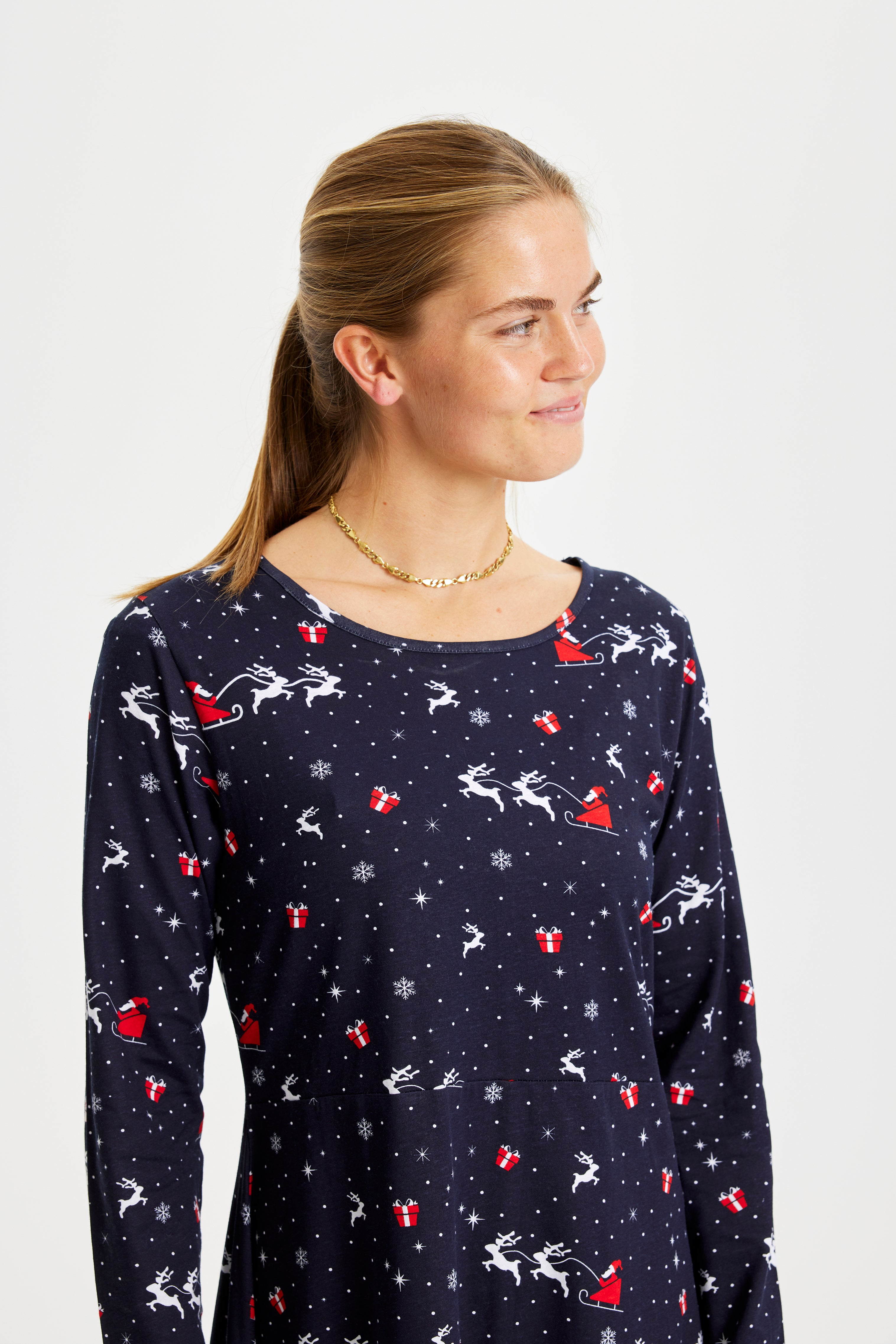
Because the season includes many public events and family moments, it’s common to plan outfits for several occasions. For example families choose a festive Christmas sweater for dinners, parents find a kids christmas sweater handy for parades, and street parties are perfect for an ugly christmas sweater.
What makes Spain different
The extended season, rooted in strong Catholic traditions and public parades, gives Epiphany on 6 January a special status as the traditional high point and the moment when many families conclude their celebrations.
Religious and official starting points
Early December often marks the opening of the holiday rhythm with public and religious observances. Constitution Day on 6 December and the Feast of the Immaculate Conception on 8 December encourage communities to light decorations and begin seasonal activities, so many people see this period as the first meaningful sign that celebrations are underway.
El Gordo on 22 December
The national Christmas lottery, drawn on 22 December, functions as a shared, nationwide moment that signals the popular start of the season for a large part of the population. Families and neighbours gather to follow the draw, and the event itself is often referred to when people plan social get-togethers in the days that follow.
Nochebuena on 24 December
Nochebuena remains the central family evening: long dinners typically start late in the evening and many households combine the meal with religious traditions such as midnight mass or watching the monarch’s address on television. If you are dressing for a family feast, a classic christmas sweater can be a cheerful choice for a relaxed gathering.
Navidad on 25 December
Christmas Day is usually quieter in public life and focused on family lunches and visiting close relatives. Celebrations tend to be intimate, with emphasis on shared meals and continuing conviviality rather than large public events.
Late-December customs
Between the core dates there are smaller observances that shape the mood. 28 December is a day for jokes and pranks, while 31 December features the tradition of eating twelve grapes at midnight, one for each chime, followed by festivities that can last into the early hours. 1 January is commonly observed as a rest day.
Cabalgata de Reyes and Día de los Reyes
The evenings of 5 January bring colourful parades in many towns and cities, where the arrival of the Three Kings is staged for children and the wider community. On the night to 6 January children expect gifts from the Three Kings, and households often leave a small offering for the camels in playful recollection of the journey. Many families conclude the season on 6 January with Roscón de Reyes, a sweet ring cake traditionally cut on that day.
Food and seasonal specialties
Seasonal foods punctuate the calendar: large family meals on Nochebuena and Navidad can include seafood, roasts and regional staples, while Roscón de Reyes is a hallmark of the Epiphany celebration. If you plan to attend a daytime parade with children, a kids christmas sweater is a convenient, festive option that keeps the mood light and playful.
Timing and gift-giving today
Gift-giving follows a mixed pattern. Historically the Three Kings on 6 January were the main gift-bringers for children, but many households now exchange presents on 24 or 25 December as well. Both customs coexist, so planning for multiple family events across the season is common.
Local observances and calendar notes
Some municipalities include additional public holidays or local feasts, meaning working days and closures can vary depending on where you are. If you are organising visits or planning outfits for specific events, check local schedules in advance so you know which days will feature parades, public services or quieter streets.
How to plan outfits across the season
With celebrations spread from early December to 6 January, consider a small wardrobe strategy: a dressier option for Nochebuena, comfortable choices for daytime family meals, and playful items for public parades and New Year’s events. For a coordinated family look try pairing a womens christmas sweater and mens christmas sweater for photos, or mix in a favourite accessory for a fun touch.
Quick practical tip
When attending a parade or a late dinner, remember that the season covers many distinct moments, so choose versatile pieces that can be layered and adapted to evening and daytime plans without needing a full outfit change.
Practical timeline for festive planning
When Spain stretches its festive season across weeks, it helps to have a compact timeline you can use for planning. Below is a practical, ready-to-use list that moves from early December through Epiphany, with sensory notes to bring each moment to life.
- 6 Dec — Constitution Day and local starts. Atmosphere: crisp air, first lights in plazas and the faint scent of chestnuts from street stalls.
- 8 Dec — Feast of the Immaculate Conception. Atmosphere: candlelight and church bells that make evenings feel gently sacred.
- 22 Dec — El Gordo national lottery. Atmosphere: collective excitement, radio and TV in cafés, neighbours sharing hopeful smiles.
- 24 Dec — Nochebuena: late family dinner and optional midnight mass. Atmosphere: robust aromas from the kitchen, low conversation and the warm weight of a favourite christmas sweater.
- 25 Dec — Navidad: relaxed midday meals and lingering coffees. Atmosphere: comfortable chatter, the soft sound of seasonal music and long, slow plates passed around the table.
- 28 Dec — Día de los Santos Inocentes: playful pranks and lighthearted teasing.
- 31 Dec — Nochevieja: twelve grapes at midnight and lively street celebrations. Atmosphere: bubbles in glasses, sparkling lights and laughter that carries into the night.
- 1 Jan — New Year’s Day: slow starts, cosy loungewear and easy walks in the city or countryside.
- 5 Jan — Cabalgata de Reyes: colourful parades, confetti and the smell of roasted almonds in the air.
- 6 Jan — Día de los Reyes: traditional gift day and roscón de reyes. Atmosphere: sweet cinnamon and orange blossom, shared slices and the satisfying crunch of sugar.
Presentation suggestions to keep readers engaged
To make a post visually and emotionally varied without losing factual clarity, try mixing short notes and sensory details with practical tips. Here are a few ideas you can use immediately.
- Tip: Use a short bullet timeline at the top for quick reference, then expand on a few highlighted dates below.
- Tip: Add one-line highlights such as El Gordo, Nochebuena, Cabalgata and Roscón with a single sensory image for each.
- Tip: Include a brief paragraph on modern trends. For example, many families now blend gift days, meaning you may hear carols on 24 December and find roscón on 6 January.
- Tip: Suggest outfit ideas without hard selling. A cosy christmas sweater or soft christmas loungewear keeps the mood warm for late dinners and daytime parades.
How to adapt these dates into your own celebration
Think in layers rather than single events. Start with one dressy evening for Nochebuena, a couple of relaxed daytime meals, and a playful outing for the Cabalgata. The smell of pine, the warmth of a knitted sleeve and the low hum of seasonal songs will tie the days together and make a long season feel cohesive.
Frequently asked questions
When does Spain celebrate Christmas?
Spain’s festive season broadly runs from early December through 6 January, with the busiest period from about 22 December to 6 January. Epiphany on 6 January is the cultural climax for many communities.
Which day is the most important in Spain, 24 December, 25 December or 6 January?
All three matter. Nochebuena and Navidad are central family days, while 6 January traditionally remains the main day for gifts and public celebrations in many places.
What is El Gordo and why does it matter?
El Gordo is the national lottery drawn on 22 December. Its communal viewing and the shared hope it brings act as a popular, social signal that the season is underway.
Should I expect different regional traditions?
Yes. Regions add local feasts and days off, so check local calendars when planning visits. Some areas keep 26 December or other dates as public holidays with their own customs.
Also view
15 January 2026
Picture a small family movie night by the tree: soft lights, low conversation and a stack of options for christmas movie recommendatio...