


5 November 2025
When is Christmas?

Christmas falls each year on 25 December; the exact weekday changes from year to year. Exact answer for 2025: Christmas Day 2025: Thursday, 25 December. Second Day of Christmas 2025: Friday, 26 December. Week number 2025: Week 52.
Quick clarification of terms
Christmas Eve is 24 December and is widely the evening for family gatherings and meals. Christmas Day refers to 25 December and is the principal public holiday in many countries. The Second Day of Christmas, often called Boxing Day, is 26 December and is also commonly observed as a holiday.
Recurring date and practical note
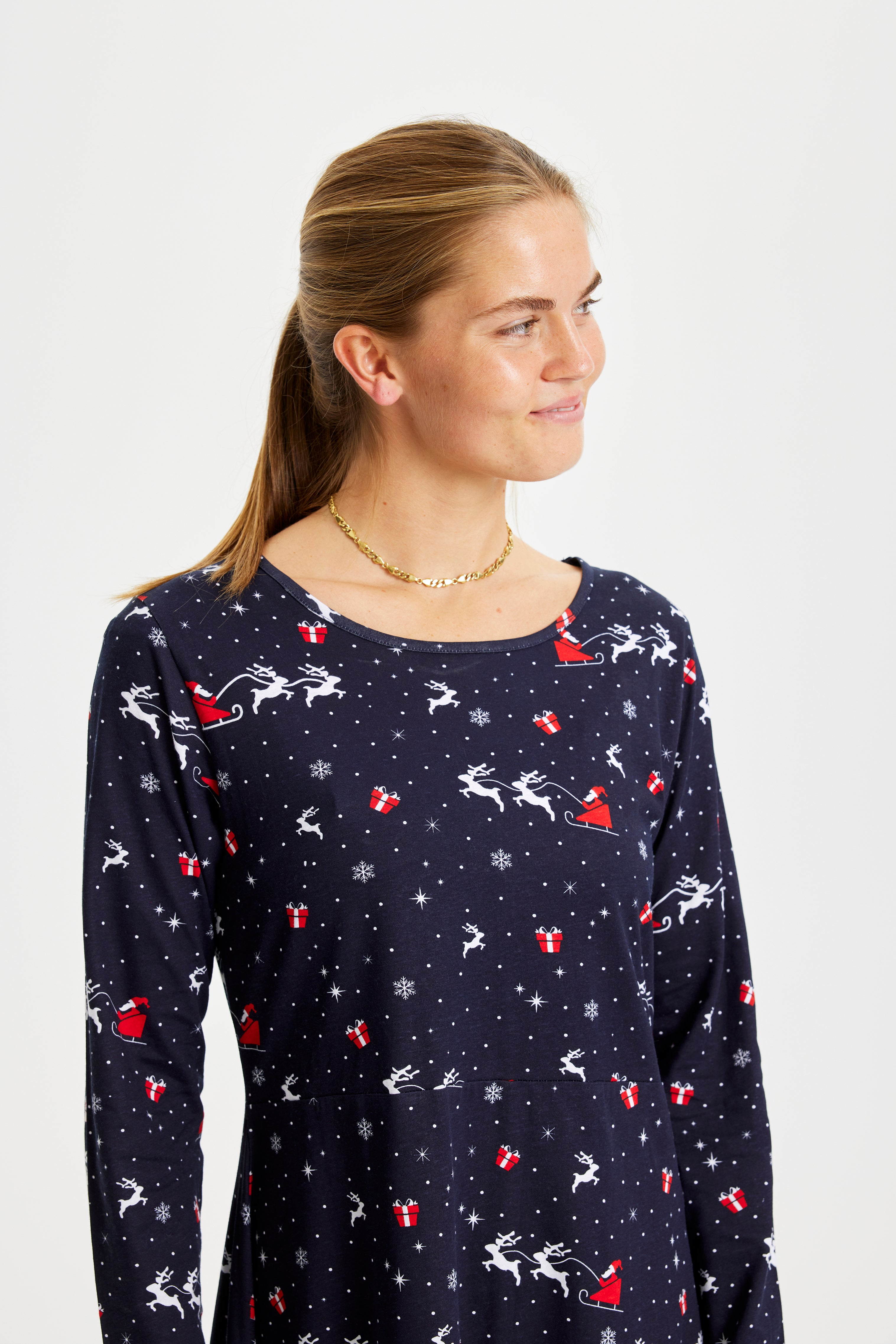
The calendar date is fixed: Christmas always falls on 25 December; weekdays and week numbers shift each year. For planning purposes, remember that public services and most offices typically close on 25 and 26 December, and transport timetables frequently run reduced services around those dates. If you plan family moments or matching outfits, a Christmas sweater or coordinating christmas pajamas can make celebrations feel cohesive and make gift choices easier; see options for christmas sweater and christmas pajamas to match your plans.
Suggested infobox and quick facts
One-line answer for the top of an article: When is Christmas? 25 December (every year). Quick facts for 2025: Thursday 25 December, Friday 26 December, Week 52. A compact visual at the top can present year, date and weekday for the current year so readers get the immediate answer at a glance. For playful gatherings and themed family photos, consider a funny christmas sweater to bring extra cheer.
Official holiday status
Official sources and common calendar listings agree on one practical point: Christmas Day and the Second Day of Christmas are observed as public holidays in many countries. If you check national holiday lists or year-at-a-glance calendars: Christmas Day (25 December) and the day after are typically marked as non-working public holidays, which has direct effects on services and timetables throughout the festive period.
Exact calendar notes for 2025
Rather than repeating the single-line dates, it helps to know how those dates interact with the wider calendar. Week numbering places the Christmas period inside ISO week 52 for 2025, which influences planning for fiscal weeks, school terms and payroll cutoffs. Many organisations publish annual calendars that show how holiday dates fall within payroll and reporting weeks, so consult the relevant employer or institutional calendar when planning around year-end deadlines.
Typical school holiday timing
School breaks around Christmas commonly span late December into early January. As a general guideline: most school calendars allocate time off that begins in the days leading up to Christmas and continues into the first week of January. Exact start and end dates vary by district or school authority, so check the specific school calendar for precise dates if you have children to schedule around.
Practical effects on services and timetables
Public services and many private businesses operate reduced hours or close entirely on the official holiday dates. Transport operators frequently publish special timetables for the holiday period: suburban and regional services may run less frequently, while emergency and on-call healthcare cover remains available but with modified staffing. If you need appointments, deliveries or travel during the festive stretch, confirm schedules with the provider ahead of time.
Calendar tools and verification
Use reputable calendar resources to verify weekday placements and to download printable calendars for the year. Time-and-date style services and official government or municipal calendars provide reliable lists of public holidays, and many allow export to personal calendar apps. For outfit planning, event invites and family photos, pairing practical date checks with wardrobe choices makes coordination easier, especially if you want everyone to wear a coordinating item like a christmas sweater or matching christmas pajamas.
Outfit coordination tips for holiday plans
When scheduling gatherings, think of clothing as a simple visual cue that signals the occasion. A christmas sweater can be the anchor piece for a themed family photo or a relaxed gathering, while matching christmas pajamas work well for coordinated morning routines and informal group pictures. For a broader range of ideas, explore both adult and children’s options to ensure cohesive looks across ages and roles.
See examples of classic options such as a christmas sweater for adults and choose complementary pieces like matching christmas pajamas for family mornings to make planning simple and visual.
FAQ
Q: When is Christmas each year?
A: Christmas always falls on 25 December each year; Christmas Eve is 24 December and the Second Day of Christmas is 26 December.
Q: What week number is Christmas in 2025?
A: Christmas 2025 is in ISO week 52.
Q: Are the Christmas dates public holidays?
A: Yes; the two principal dates around Christmas are generally recognized as public holidays in many countries.
Q: How can I check local school dates and transport timetables?
A: Verify with your local school authority and transport operator, and consult national holiday calendars or downloadable calendar tools for official listings.
Additional cultural context
The two-day Christmas tradition has deep roots in history and church calendars, which led many European countries to observe both 25 and 26 December as festive days. In Denmark, the real centre of the holiday is the evening of 24 December. That night is where the candles glow, the smell of spruce and fresh baking fills the air, and plates are set for the familiar courses that bring everyone together.
Christmas Eve is often experienced as an intimate, sensory evening. You might notice the quiet rustle of wrapping paper, the warmth from a well-loved knit sweater, and the hush when everyone waits for the first notes of a favourite carol. The Second Day of Christmas tends to be more relaxed, with lingering smells of cinnamon and roasted nuts, slow conversations and walks through streets where strings of lights reflect on frosty windows.
Practical planning and organisational notes
When planning travel, deliveries or appointments around Christmas, factor in that many services close on 25 and 26 December. Shops often shorten hours on 24 December, then remain closed or operate limited schedules during the two official holiday days. Transport operators publish special timetables for the festive period, so check those well in advance if you are booking trains or buses.
Schools typically schedule term breaks that overlap the festive days, with many institutions closing in the later days of December and reopening in early January. However, exact dates vary by municipality and by school, so always confirm with local calendars to avoid surprises. Employers commonly align payroll and year end processes with the calendar week that contains Christmas, so deadlines and reporting cutoffs can shift around week 52.
If you are organising gatherings or group photos, think about simple cues that help everyone coordinate. A single wardrobe detail can create cohesion without effort. A soft, comfortable christmas sweater makes for a tactile and visual anchor, adding warmth to photos and to the feeling of the evening. For more options that suit quiet family moments or playful group shots, explore collections that pair classic patterns with cosy fabrics.
Sensory ideas for a calm festive day
A slow morning might start with the steam of hot drinks, the sound of a record or a playlist of familiar carols, and the sensation of warm knit on your shoulders as you move between the kitchen and the tree. Small touches such as a sprig of spruce on a table, bowls of spiced sweets, or soft socks by the sofa deepen the atmosphere. These details are simple to plan and they anchor memories in smell and touch.
- Check public and transport timetables early to confirm opening hours.
- Plan any deliveries for before 24 December when possible.
- Choose one coordinating item for pictures to keep styling easy and meaningful.
Even a quiet, unhurried agenda benefits from a little advance checking. Municipal calendars and transport operator pages are the most reliable sources for precise holiday schedules. For printable year views and downloadable lists, international calendar services also provide clear, exportable formats to add to personal calendars.
Frequently asked questions
When is Christmas each year?
A: Christmas always falls on 25 December each year. Christmas Eve is 24 December and the Second Day of Christmas is 26 December.
What day of the week is Christmas in 2025?
A: Christmas Day 2025 is on Thursday, 25 December. The Second Day of Christmas is on Friday, 26 December.
Is Christmas a public holiday in Denmark?
A: Yes. Both 25 December and 26 December are recognised public holidays in Denmark.
When do Danish schools typically have their Christmas break?
A: Schools commonly break around 20 December and return around 4 January. Exact dates vary by municipality and individual school, so check the local school calendar for specifics.
Do shops and services close on Christmas Eve?
A: Many shops shorten opening hours on 24 December and close on 25 and 26 December. Specific opening hours differ by retailer and by local rules, so verify with the retailer or municipal guidance.
How can I check exact holiday dates and timetables for my area?
A: Confirm with official municipal calendars, national holiday listings and transport operators. For wardrobe inspiration that fits the season and the mood, a christmas sweater collection can make coordination easy and cosy for photos and gatherings. Visit christmas sweater to browse styles that suit relaxed holiday moments.
Also view

15 January 2026
Picture a small family movie night by the tree: soft lights, low conversation and a stack of options for christmas movie recommendatio...