


8 November 2025
When is Christmas celebrated?

Christmas is observed on different days around the world, with the timing shaped by local tradition, religious calendars and history. In many countries the focus falls on the evening of 24 December, while elsewhere the main celebration and public holiday centre on 25 December. Some Orthodox communities follow liturgical calendars that place the feast on 6 or 7 January.
Global dates and Christmas customs
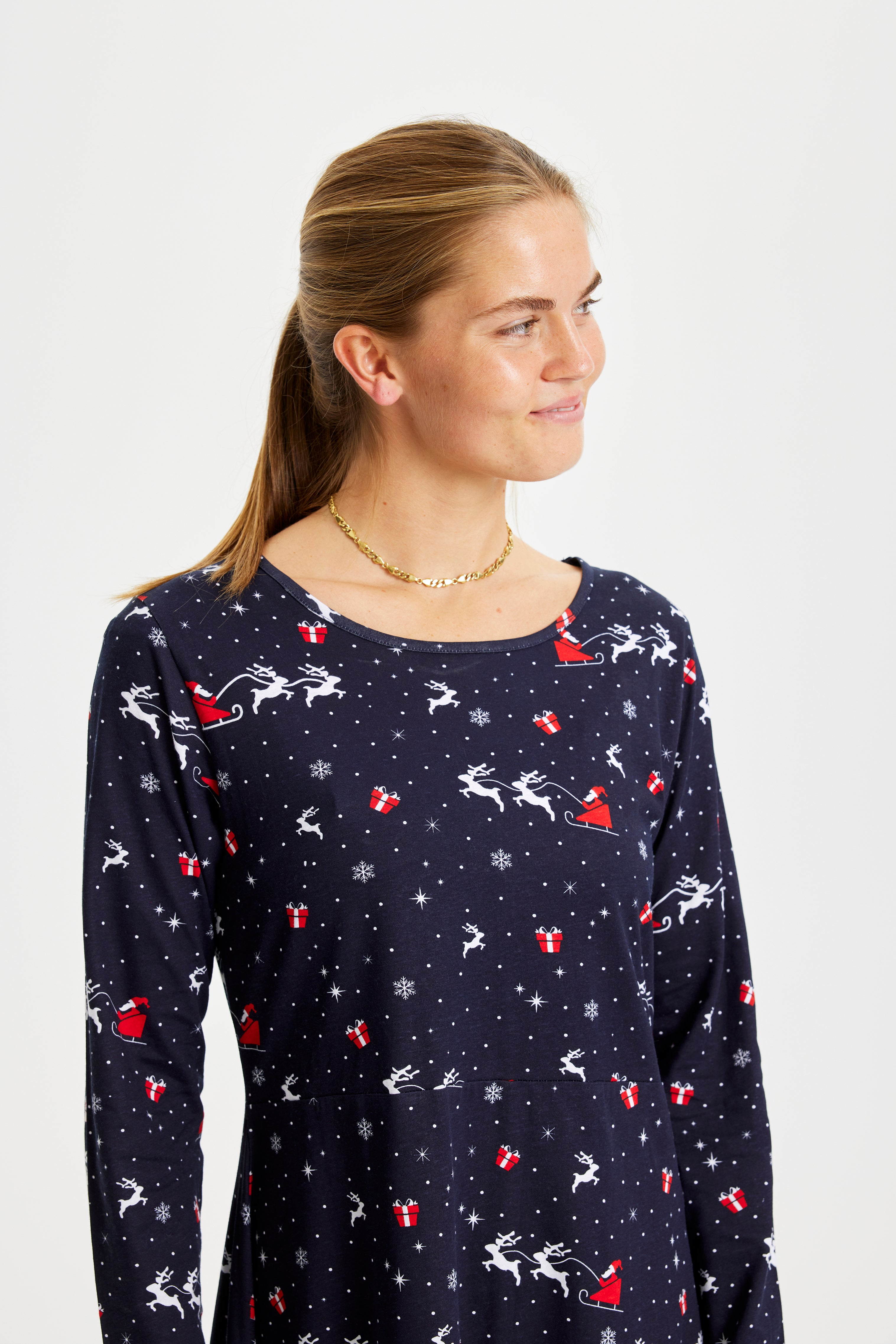
In countries where the evening of 24 December is central, families gather for a festive meal and gift exchange late in the day. For those gatherings it has become common to pick out themed outfits, and many households include a funny Christmas sweater as part of the informal dress code to add humour to the evening. In contrast, places that concentrate activity on 25 December often open presents on the morning of that day and spend the daytime visiting family and friends, sometimes wearing matching christmas pajamas for photo moments.
Orthodox celebrations and alternative calendars
Several Orthodox churches use a different liturgical calendar so that their 25 December corresponds to 7 January on the civil calendar. Other communities mark Epiphany or related feast days as the principal observance instead of the 25th. These differences explain why public holiday calendars and religious services do not align everywhere.
Regional variations and family moments
Across Europe, Latin America and Africa you can find a mix of evening and daytime customs. In parts of Central and Eastern Europe gift-giving may happen on the evening of 24 December, while in many English speaking countries the emphasis is on Christmas Day. Wherever families gather, small choices matter: children often have a kids Christmas sweater at informal parties, and some groups stage playful contests for the best ugly Christmas sweater during office events.
What follows next
Later sections will examine specific national practices, the calendar reasons behind different dates and the religious background that ties the season together. If you want to browse ideas for seasonal outfits to match your preferred celebration style, see this selection of christmas pajamas and take a look at options for kids christmas sweater and unique ugly Christmas sweater designs to suit evening or daytime traditions.
Dates and typical sequence
Across many countries the rhythm of Christmas revolves around a concentrated set of dates rather than a single moment. In places that prioritise the evening of 24 December families usually gather for a main meal, sing together and exchange gifts late in the day. In other regions the main event takes place on the morning and daytime of 25 December with visits and communal meals lasting into the afternoon. Public holiday calendars often include 25 December and sometimes the following day which gives space for quieter family moments or extended visits.
Liturgical timeline and religious background
The liturgical Christmas period in many Western Christian traditions begins on the evening of 24 December and continues through Epiphany on 6 January. Churches celebrate the Nativity on 25 December, and services such as Midnight Mass or morning liturgies mark the religious observance. Some Orthodox churches follow a different liturgical calendar so that their celebration of the Nativity falls later in the civil calendar. That difference shapes which day receives the primary religious attention in those communities.
Calendar reasons for differing dates
The main technical reason for variation lies in the calendars used for liturgical dates. Most of the world uses the Gregorian calendar which fixes Christmas on 25 December. Other churches maintain liturgical dates based on the older Julian calendar so that their 25 December corresponds to a later date on the civil calendar. Additionally some communities emphasise related feast days such as Epiphany on 6 January or Theophany, and in those places the theological focus moves away from the 25th to another point in the season.
International variations by country or region
- Nordic and Central European patterns often centre family gatherings on the evening before 25 December while public holidays fall on 25 and sometimes 26 December.
- English speaking countries typically concentrate gift-giving and daytime visiting on 25 December.
- Many Orthodox communities mark their Nativity later in January according to the Julian calendar.
- In parts of Latin America celebrations are anchored in the evening of 24 December with daytime observance on 25 December as a continuation.
- Some countries place particular emphasis on Epiphany or Three Kings’ Day which gives the season a different focal point.
Cultural practices tied to the date
Timing affects rituals and clothing choices. When the evening of 24 December is central, people often choose festive outfits for the evening meal and exchange gifts after dark. In places where the morning of 25 December is the highlight, families may coordinate matching sleepwear or pose for daytime photos in themed sets. A playful accessory can lift a casual gathering and a kids christmas sweater is a common way to add charm for younger family members. For relaxed mornings matching christmas pajamas provide coordinated looks for gift opening and photographs.
Practical notes on public holidays and observance
Public holiday status varies widely. Some countries recognise both 25 and 26 December as statutory holidays while others list only 25 December or include Epiphany as a national holiday. Religious services follow denominational calendars which do not always align with civil holidays so it is common for worship times and civic days off to differ.
Key questions answered
Which day is the principal celebration depends on local custom and religious calendar. Some communities centre their festivities late on 24 December while others focus on 25 December or a later liturgical date. If you plan outfits for a family gathering consider whether the highlight will be an evening meal or morning activities and choose accordingly. For coordinated looks consider exploring options for childrens christmas outfits and other seasonal pieces to match the occasion.
Twelve days of Christmas
The season after 25 December can feel like a slow, gentle extension of the main celebration. Traditionally the Twelve Days of Christmas run from 25 December to 5 January, with Epiphany on 6 January as the liturgical close of the season. In many homes this stretch is a time for quiet visits, leftover treats and lingering carols. The smell of pine and the warmth from a favourite knit make evenings feel unhurried, and a soft Christmas sweater or cosy christmas pajamas turns slow mornings into a small ritual of comfort.
Religious observance versus secular custom
Religious services and secular family gatherings often run on parallel timetables. Churches set liturgical dates like Midnight Mass or the Divine Liturgy according to denominational calendars, while households follow social tradition and civil holidays. The result can be two different rhythms: the church bells and candlelight of a late mass, and the domestic soundscape of laughter, wrapping paper and a record of classic carols. Both add layers of meaning to the season and both shape when people plan their celebrations.
Naming and familiar terms
Some terms are worth keeping clear. Christmas Eve refers to the evening of 24 December and is often the main family gathering in countries with strong evening traditions. Christmas Day designates 25 December, commonly the focus of morning gift-giving and daytime visits. Epiphany, sometimes called Three Kings’ Day, falls on 6 January and is the point when many communities conclude public festivities. Different names reflect different priorities, and local tradition decides which term carries the greatest emotional weight.
Regional ceremonies and sensory details
Across regions you will find ceremonies that delight the senses. In Catholic countries a Midnight Mass fills churches with incense and choir voices; in parts of Eastern Europe processions or house blessings bring folk melodies and the smell of roasted chestnuts to the streets. In some places nativity plays echo children’s footsteps and soft lantern light as neighbours gather. These ceremonies are not only visual; they are ears and noses memories—the crackle of candle flames, the scent of spiced baking, the warmth of a woollen cardigan wrapped around shoulders.
Practical notes for planning celebrations
When deciding which date to mark as your main event, consider where your guests are coming from and what local holidays make sense. If the focal point is an evening feast, choose foods and timing that allow for a relaxed pace. If the gathering happens on the morning of 25 December, factor in daylight for photos and early routines. Small touches like coordinating sleepwear for a morning reveal or requesting a playful ugly sweater for an evening dinner can help create cohesive memories without heavy formality.
Frequently asked questions
When is Christmas celebrated in Denmark?
The central family celebration is on the evening of 24 December, while 25 and 26 December are official public holidays for quieter visits and time with relatives.
Why do some countries celebrate on 25 December while others focus on 24 December?
Local tradition determines the timing. Some cultures place family gatherings and gift exchanges on the evening of 24 December, while others reserve the main activity for the morning and daytime of 25 December.
Why do Orthodox Christians celebrate on 7 January?
Many Orthodox churches use the Julian calendar for liturgical dates, and their 25 December currently corresponds to 7 January on the Gregorian civil calendar.
What are the Twelve Days of Christmas and why do they matter?
The Twelve Days run from 25 December to 5 January and provide a liturgical frame that culminates with Epiphany on 6 January. In practice they allow extended visiting, varied regional observances and a prolonged sense of festive time.
Are 25 and 26 December public holidays everywhere?
No. Public holiday status varies. Many countries list 25 December as a statutory holiday and some include 26 December, while others emphasize Epiphany or different local days instead.
Where can I find official holiday dates and liturgical calendars?
Civil government websites publish national holiday calendars. For religious observance consult official church calendars and notices from local parishes or denominational bodies.
Also view
15 January 2026
Picture a small family movie night by the tree: soft lights, low conversation and a stack of options for christmas movie recommendatio...