
10 January 2026
Which countries celebrate Christmas on the 24th?

In short the main family and gift giving celebrations take place on the evening of 24 December across the Nordic countries and in large parts of continental Europe. In contrast countries such as the United States and the United Kingdom typically treat 25 December as the principal celebration day and open gifts on the morning of the 25th.
Quick contextual facts
- Many traditions treat the evening as the start of the next liturgical day because a day was historically counted from sunset. This explains why family festivities often fall on the 24th evening even though the calendar date is 25 December.
- Common 24 December practices include a large family dinner, evening lighting or carol singing, gift exchange after the meal and late evening or midnight church services.
- Regional variation is normal. Even inside a single country some families focus on the evening of the 24th while others concentrate on the 25th morning.
What this article covers
This piece will list countries and regional patterns that mark Christmas primarily on the 24th and explain key cultural and liturgical reasons for that timing. It will describe typical rituals tied to the 24th such as gift timing meals and church services and finish with a brief FAQ to answer common questions.
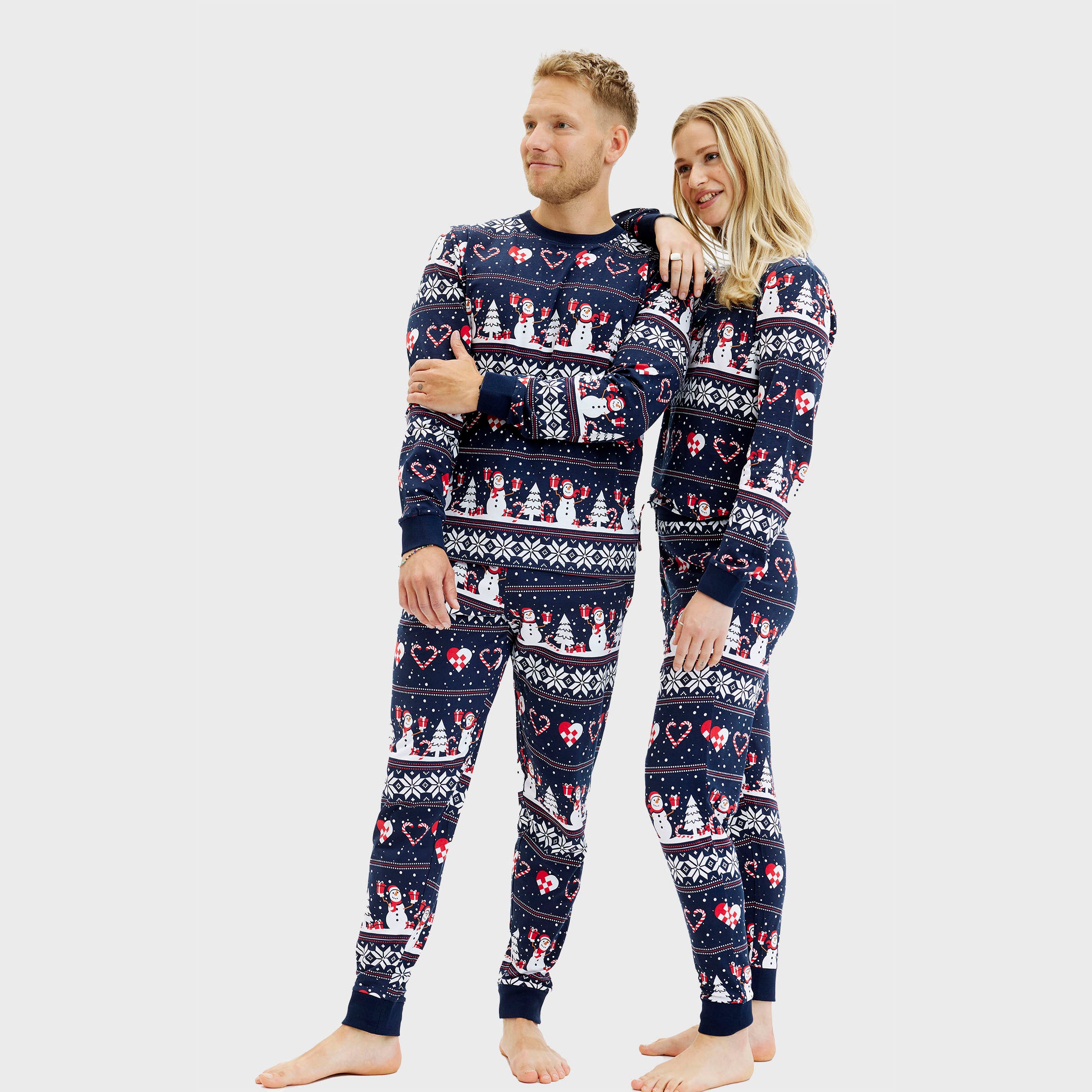
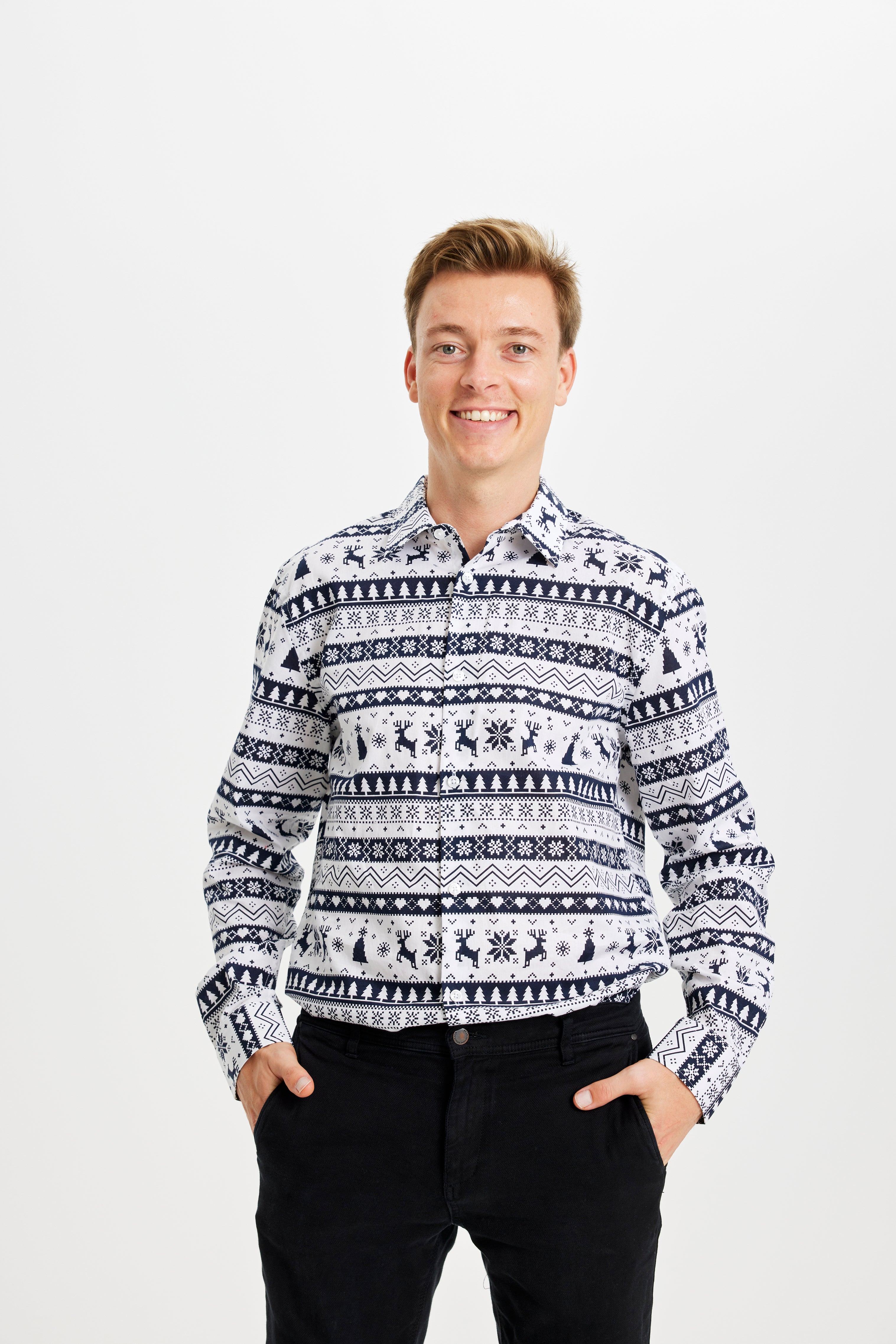
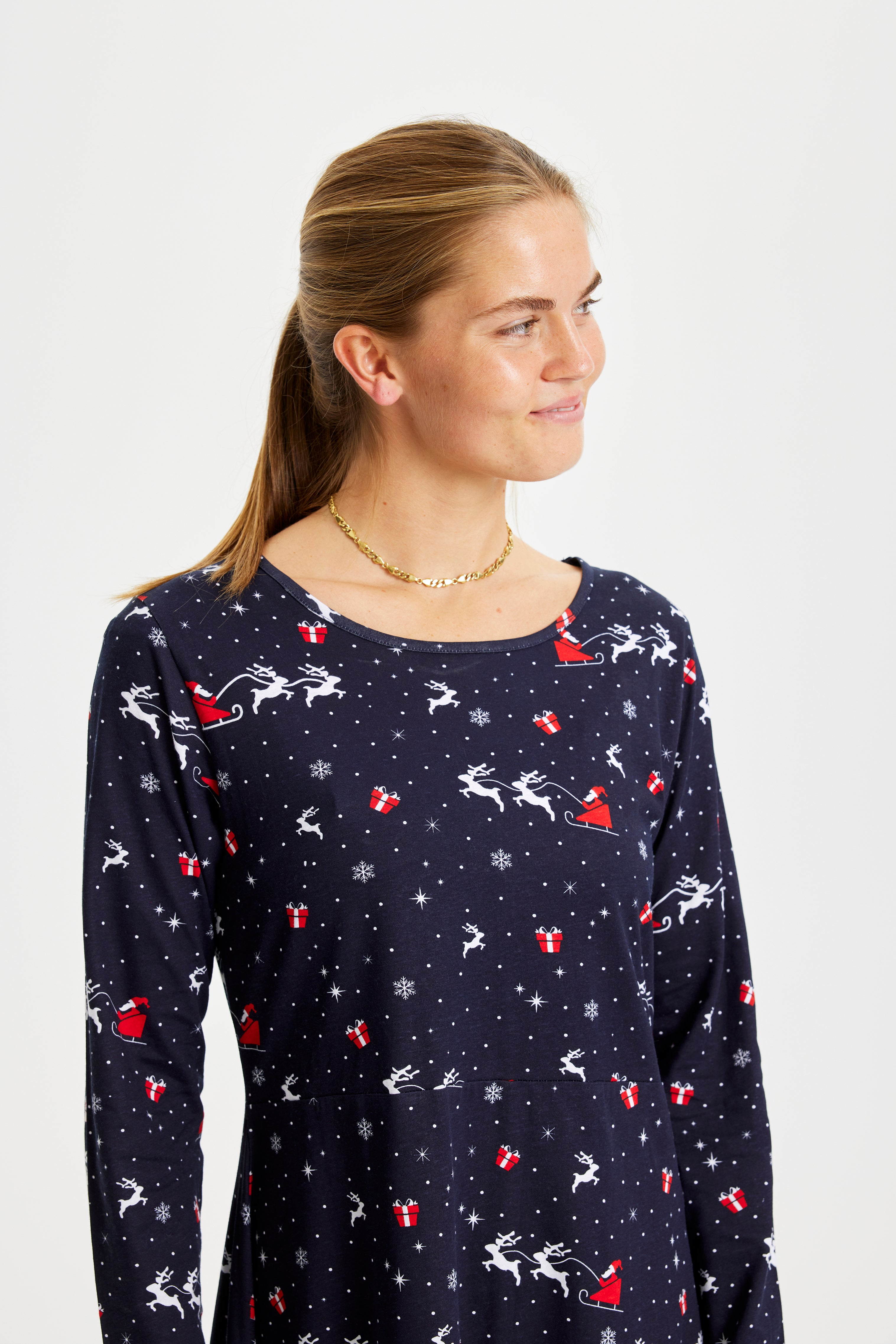
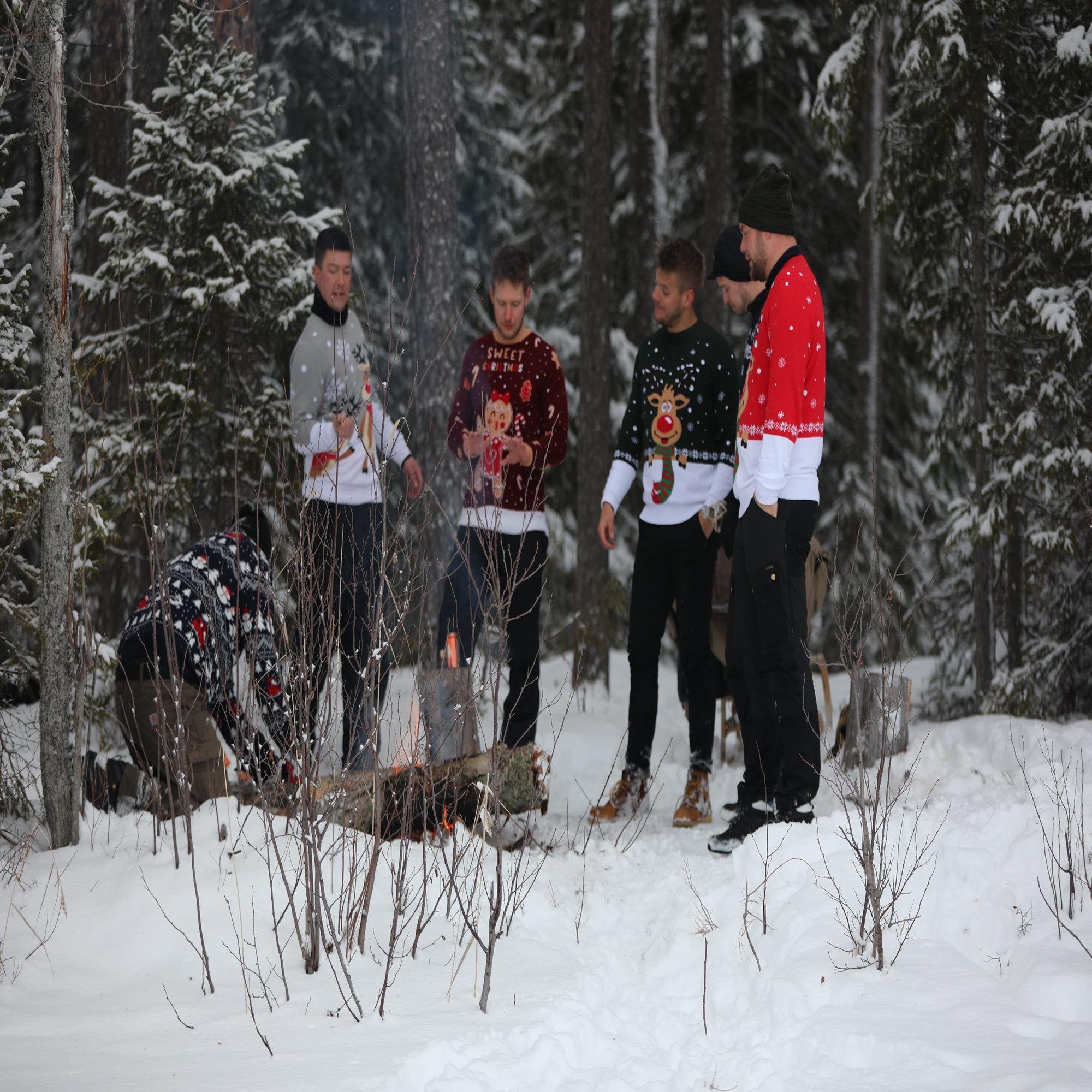
At family gatherings people often coordinate outfits so everyone feels part of the evening. Whether you prefer a classic Christmas sweater a playful ugly christmas sweater or matching christmas pajamas these choices help underline the 24th evening as the focal moment for many households. For ideas on festive looks see our selection of christmas apparel and themed sleep sets.
Regional patterns and countries
Across Europe and parts of the Spanish speaking world, the evening of 24 December is often the focal moment for family gatherings and gift exchange. In the Nordic region, for example, Norway, Sweden, Finland and Iceland typically place the main celebration on the 24th evening, with families sharing a festive meal and opening presents after dinner. In continental and central Europe many households in Germany, Austria, Switzerland, Poland, the Czech Republic, Slovakia and Hungary follow a similar rhythm, centring their celebration on the evening rather than the following morning.
Southern Europe and Latin America
In Spain and much of Latin America people commonly observe Nochebuena on the evening of 24 December, with a large family dinner and late religious services. Timing for gift giving varies by country and family; some open presents shortly after midnight while others wait until the morning of the 25th or even until Epiphany on 6 January.
Countries that usually emphasise 25 December
By contrast, several anglophone countries more often treat 25 December as the principal day of celebration. In the United States, the United Kingdom, Canada, Australia and New Zealand many families open gifts on the morning of the 25th and hold the main festive meal that same day.
Liturgical and social explanations
One clear reason the evening of 24 December matters in some places is liturgical practice, where a day was historically counted from sunset. That longstanding practice gives the eve special status and helps explain why celebrations fall on the 24th evening even though the calendar date for the feast is 25 December. Social habits and local church customs also shaped how communities timed family gatherings and religious services, so practice varies from country to country and even between towns.
Typical rituals tied to the 24th
- Norway: Gifts are commonly exchanged in the evening after a family meal, and many households attend a late church service or sing carols together.
- Sweden and Finland: Families often gather for a festive supper and open presents in the evening; televised programs and special music performances can form part of the night.
- Germany and Austria: The evening often features the Weihnachtsabend tradition, with gift giving and sometimes a visit from the Christkind or Father Christmas figure.
- Poland and Czech Republic: Customary supper rituals precede gift exchange, and in some places the meal includes specific ceremonial elements such as sharing a special wafer or leaving a place at the table.
- Spain and many Latin American countries: Nochebuena is a large family meal followed by late mass, with gift timing dependent on local custom.
- United States and United Kingdom: The emphasis is often on Christmas morning, with stockings and presents opened after breakfast and family meals held later in the day.
Within any single country practices can vary widely by region, denomination and family tradition. Urban areas with diverse populations frequently host both 24th focused and 25th focused gatherings, sometimes combining elements of each.
Outfit ideas for the evening
Because the evening is the highlight in many places, people often coordinate festive outfits for the meal and gift moment. If you want ideas for a classic look or playful matching sets, see our christmas sweater collection for jumpers that suit a family dinner, and explore womens christmas pajamas or the broader christmas apparel selection for coordinated options that work from table to late‑evening service.
Additional countries and special cases
As the evening light falls on 24 December, the air often fills with the scent of pine and warm baking, and that sensory thread links many traditions across regions. In Spain and much of Latin America, Nochebuena is a night of long family dinners and late church services, and some households open presents at midnight while others wait until the morning of 25 December or until Epiphany on 6 January. In Central and Eastern Europe, countries such as Poland, the Czech Republic, Slovakia and Hungary place strong emphasis on the Christmas Eve supper. In those homes you may hear candles being lit, the soft crackle of the table lightings and the sharing of small ceremonial foods before gifts are exchanged in the evening.
A separate line of observance comes from Eastern Orthodox churches that follow the Julian calendar. In those communities the main celebration falls on 7 January in the Gregorian calendar, which creates a different rhythm altogether and underlines that calendar traditions shape how people mark sacred days. In cities with diverse populations you will find households that celebrate on 24 December and neighbours who centre the 25th, and it is common for festive houses to combine both practices so everyone can gather.
Practical checklist for travellers and hosts
- Nordic and many central European countries: Expect the main family gathering and gift exchange on the evening of 24 December.
- Spain and much of Latin America: Plan for a late family dinner and possible midnight mass; gift timing can vary between midnight, the morning of the 25th or Epiphany.
- Anglophone countries such as the United States and the United Kingdom: Prepare for the principal celebration on 25 December, with presents commonly opened in the morning.
- If you are hosting or visiting, ask which tradition the family follows and bring something sensory: a candle, a small baked item or a soft knit. A cozy Christmas sweater or matching sleepwear can make the evening feel extra connected.
When you plan an evening centred on the 24th, think about small touches that appeal to the senses. The crackle of a playlist of carols, the smell of fresh bread and spices, the warmth from a knitted jumper and the glow of candles create a memorable atmosphere. If you want coordinated looks for a quiet family dinner or a lively gift moment, consider a classic christmas sweater for table gatherings and comfortable layering that still feels festive. For relaxed mornings or late nights, soft christmas pajamas make it easy to move from dinner to a midnight service or to cosy up by the tree.
Frequently asked questions
Which countries celebrate Christmas on the 24th?
Many Nordic countries, including Denmark, Norway, Sweden, Finland and Iceland, as well as large parts of continental Europe such as Germany, Austria, Switzerland, Poland, the Czech Republic, Slovakia and Hungary, commonly treat the evening of 24 December as the main family celebration. Spain and much of Latin America also focus on Nochebuena on the 24th.
Why is Christmas Eve important in some countries?
Historically a day was often counted from sunset, and liturgical traditions gave the eve special status. Over time this practice led to family meals, gift exchanges and evening church services becoming the core moment of celebration in many cultures.
Do people open presents on the 24th or the 25th?
It varies. In the Nordics and many central European countries gifts are typically opened on the evening of the 24th. In the United States, the United Kingdom and similar countries gifts are usually opened on the morning of the 25th. Hispanic traditions may open gifts at midnight or on Epiphany, depending on local custom.
Are there countries where Christmas is celebrated on other dates?
Yes. Several Eastern Orthodox communities observe Christmas on 7 January because they follow the Julian calendar. In some cultures Epiphany on 6 January is also an important gift-giving day.
Can practices vary inside one country?
Absolutely. Regional differences, denominational affiliation and family preference all influence whether a household celebrates on the evening of 24 December, the morning of 25 December or both.
Also view
15 January 2026
Picture a small family movie night by the tree: soft lights, low conversation and a stack of options for christmas movie recommendatio...