

4 January 2026
Which religion does not celebrate Christmas?

Many people assume Christmas is universal, but several religious communities do not observe it as a religious festival. Briefly: Jehovah’s Witnesses refuse to celebrate Christmas and instead mark Jesus’ death; Muslims generally do not treat Christmas as an Islamic holiday though some join secular festivities; Jews, Hindus, Buddhists, Shintoists and other non-Christian faiths do not celebrate Christmas as a religious rite; Eastern Orthodox churches usually celebrate the Nativity, but in many cases that falls on 7 January because of the Julian liturgical calendar; secular and atheist individuals typically do not observe Christmas religiously but may take part in cultural traditions.
Quick answers
Jehovah’s Witnesses do not celebrate Christmas for doctrinal reasons and observe a memorial of Christ’s death instead. For Muslims and most adherents of non-Christian religions, Christmas is not part of their religious calendar, though cultural participation varies by family and community. Orthodox Christians’ difference is primarily timing rather than rejection. Secular participation often focuses on family gatherings and seasonal customs rather than worship.
Scope and limits
This summary focuses on religious observance rather than cultural participation. Practices vary widely by country, community and individual choice, so absence of religious celebration does not preclude joining shared seasonal moments with relatives or colleagues. For mixed gatherings you might prefer neutral seasonal clothing such as a classic Christmas sweater collection or playful options like an ugly christmas sweater to keep things light and inclusive. Parents often choose modest outfits and matching looks, for example a kids Christmas sweater, when friends from different backgrounds share a meal.
What follows next
Part two will set out documented facts about specific groups and calendar differences, and part three will cover wider implications and a compact FAQ to help you distinguish religious observance from cultural celebration.
Jehovah's Witnesses
Jehovah's Witnesses do not observe Christmas as a religious celebration. Their position rests on a particular reading of scripture and on a rejection of traditions they consider to come from nonbiblical sources. In practice members attend regular meetings and mark the Memorial of Christ’s Death instead of celebrating the Nativity. That stance has been cited in employment and administrative cases where the right to refrain from holiday participation has come into question.
Eastern Orthodox calendar and timing
Many Eastern Orthodox churches follow the Julian liturgical calendar, which places the Nativity on 25 December of the Julian calendar and therefore corresponds to 7 January on the widely used civil calendar. For those communities the occasion is fully celebrated, but at a different time; the distinction is one of timing and liturgy rather than refusal. Local church calendars and national practices shape how services and feasts are scheduled around that date.
Islam and Muslim communities
In Islam, Jesus is respected as a prophet, but Christmas is not part of the Islamic religious year. Most Muslim families do not mark Christmas as a religious event. Social participation varies: some join secular activities surrounding the season, while others prefer not to take part at all. Educational and childcare settings often separate worship from seasonal fun to ensure inclusivity, for example by focusing on crafts, songs and neutral themes rather than religious rites.
Other non-Christian perspectives
Judaism, Hinduism, Buddhism, Shinto and many other faiths do not include Christmas in their religious calendars. That does not stop individuals from joining in nonreligious seasonal elements such as shared meals or community events where invited. Secular and atheist households likewise may treat the season as a cultural break rather than a religious observance, with participation determined by personal preference.
Practical clothing choices: Neutral options
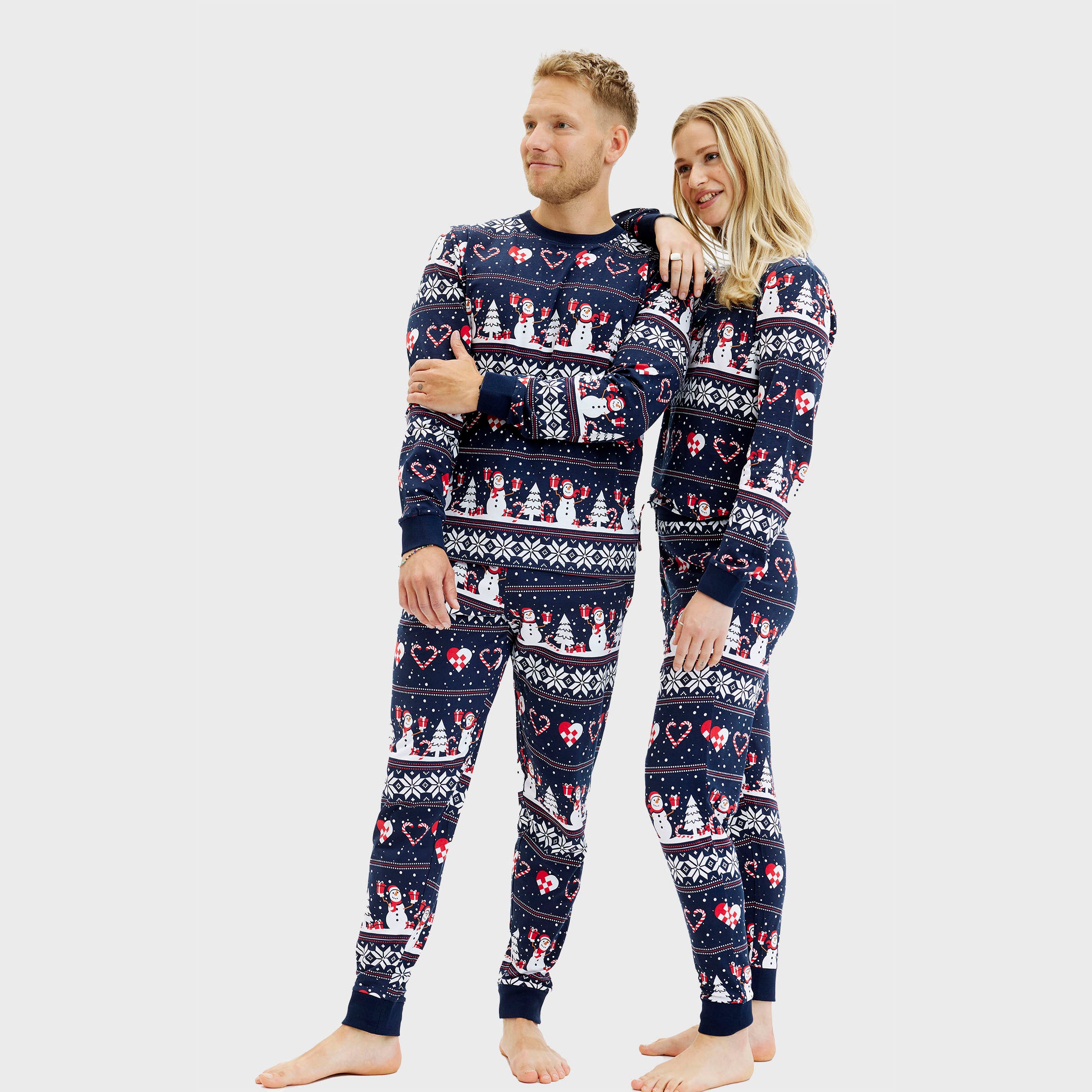
When people from different backgrounds come together, choosing neutral festive clothing makes gatherings feel welcoming. Simple options such as a mens christmas sweater and womens christmas sweater can keep the atmosphere light without implying religious observance. For family events where children attend, a kids christmas sweater or matching pajamas can offer a playful common theme that centres on togetherness rather than doctrine.
Points to note when navigating mixed gatherings
Be clear about whether an event is religious or cultural before planning rituals or schedules. If the aim is inclusive celebration, prioritise activities that do not require participation in specific worship practices and give guests alternatives if a religious element is planned. Employers and schools frequently adopt neutral programming during the season to respect diverse convictions while preserving communal festivities.
Quick reference and where to verify
For authoritative positions consult official publications from the relevant religious bodies and, when appropriate, public rulings or statements that address workplace or educational disputes. Religious organisations publish doctrinal explanations online, and many courts and administrative panels have discussed the balance between group celebrations and individual conscience.
Community life and institutions in Denmark
When we move from doctrinal statements to everyday life, the difference between religious observance and cultural habit becomes tangible. In Danish schools and daycare centres many seasonal activities focus on songs, crafts and shared treats, with an emphasis on inclusion. The scent of pine and the warmth from a knitted jumper often set the scene, while leaders choose neutral themes to welcome families from different backgrounds. At workplaces the sound of mellow carols may mingle with polite conversations about holiday plans, and human resources policies sometimes clarify that participation in religious rites is voluntary.
Practical distinctions to keep in mind
It helps to separate the elements that can cause friction from those that bring simple pleasure. The following short checklist makes that distinction clear.
- Religious observance versus cultural celebration. Ask whether an event involves worship or simply communal food, music and decorations.
- Full refusal versus timing differences. Understand if a group declines the holiday entirely or celebrates the Nativity on a different date.
- Local variation. Danish customs, family history and diaspora traditions shape how people choose to participate.
Inclusive practices that feel like home
Creating a welcoming gathering can be as small as swapping a church visit for a communal lunch, or as simple as designing a playlist that blends familiar carols with instrumental winter music. Imagine a living room warmed by the soft rhythm of a family singalong, the smell of baking filling the air and the gentle weight of a favourite Christmas sweater as everyone settles in. These moments invite participation without asking anyone to compromise their beliefs.
How fashion and comfort meet inclusivity
Clothing often signals the tone of a gathering. Choosing neutral festive garments keeps the spotlight on company rather than creed. A soft pair of christmas pajamas for a relaxed evening or a classic Christmas sweater for a hyggelig get-together can create shared joy without religious implication. For those planning a mixed group evening, consider offering a quiet craft corner and a communal table, so guests can mingle, laugh and trade stories while feeling comfortable in what they wear.
Common misconceptions
Several misunderstandings tend to repeat themselves during the season. Not all Christians mark Christmas on 25 December. Many non-Christian people still enjoy seasonal moments. And while Jehovah’s Witnesses are the best-known denomination to refuse the holiday for doctrinal reasons, there are varied motives across communities for not observing it, including respect for different religious calendars and objections to certain customs.
Where to find reliable information
If you want to verify a group’s stance consult official publications or statements from the relevant religious body, and look at public rulings when legal questions arise. For practical festive items that suit mixed gatherings see a tasteful selection like the Christmas sweater collection, or choose calming sleepwear for a cosy evening from the christmas pajamas range. These choices can help the season feel warm and inclusive without implying religious observance.
Frequently asked questions
Which religion most commonly refuses to celebrate Christmas?
Jehovah’s Witnesses are the most prominent Christian denomination that does not celebrate Christmas as a religious holiday, and they mark the Memorial of Christ’s Death instead.
Do Muslims celebrate Christmas?
Islam does not include Christmas in its religious calendar. Many Muslims do not observe the holiday religiously, though some participate in secular aspects depending on personal and local context.
Do Jewish people celebrate Christmas?
Judaism does not observe Christmas as a religious festival. In pluralistic societies some Jewish people may join cultural activities around the season.
Do Orthodox Christians celebrate Christmas?
Yes. Many Eastern Orthodox churches celebrate the Nativity, often on 7 January according to the Julian liturgical calendar, which differs from the civil calendar used by most Western churches.
How do Danish institutions handle religious diversity around the season?
Institutions typically prioritise inclusive, secular activities such as songs, crafts and shared meals, and they offer alternatives when religious elements might exclude participants.
Also view
15 January 2026
Picture a small family movie night by the tree: soft lights, low conversation and a stack of options for christmas movie recommendatio...