
7 November 2025
Who celebrates Christmas?

Who celebrates Christmas? More than 150 countries around the world mark the season in some form, yet the ways people observe it vary widely from religious services to community festivals and casual family gatherings. For many Christians the day holds religious meaning as a commemoration of the birth of Jesus, and for many others it has become a broadly shared cultural occasion with gift giving, meals and seasonal clothes.
Global spread and dates
Celebrations take place in both northern winter and southern summer, so traditions adapt to local climate and customs. Dates most commonly associated with the holiday are 24 December, 25 December and 7 January, which reflects differences between calendar systems such as Gregorian and Julian. In some countries the day is an official public holiday, in others it is observed mainly as a cultural event without legal holiday status.
Family life and social variation
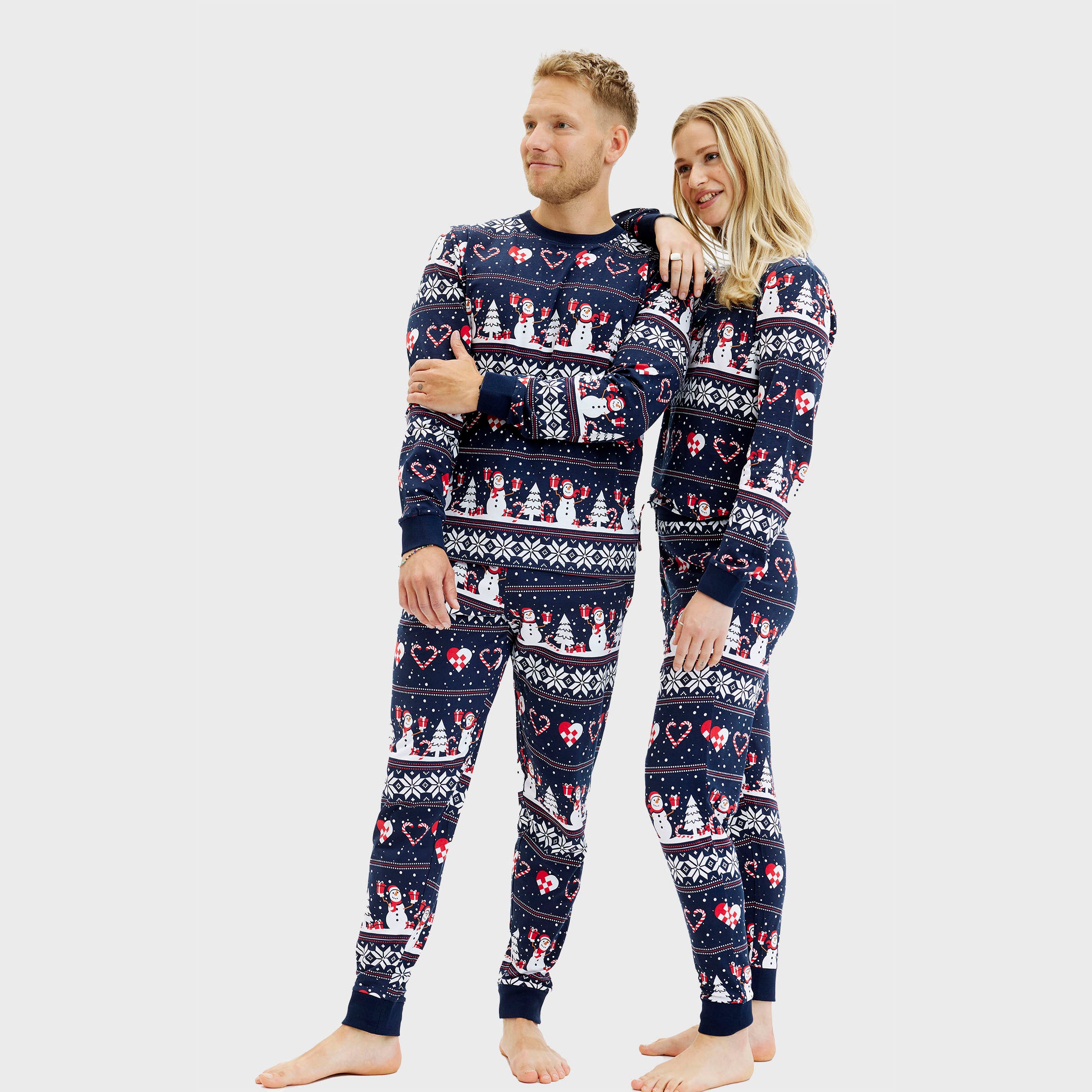
The social side is a major element of how people mark the season. For many households the day centres on family meals and gift exchanges, and parents with young children often focus on rituals that include presents and matching outfits like a kids Christmas sweater or coordinated pajamas. At the same time there are growing numbers who spend the day alone, and community groups and charities often organise meals and gatherings to include those people.
Clothing and occasions
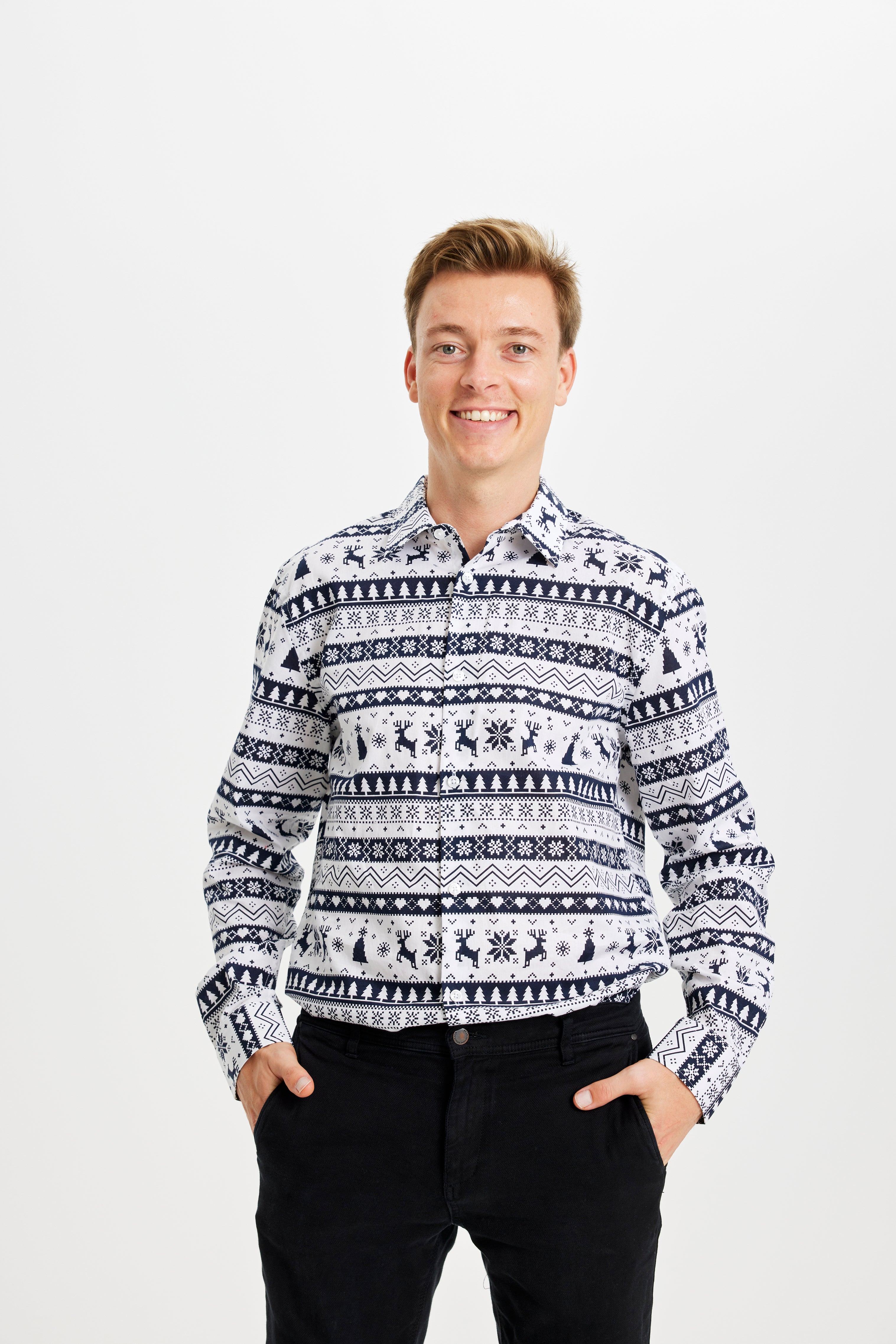
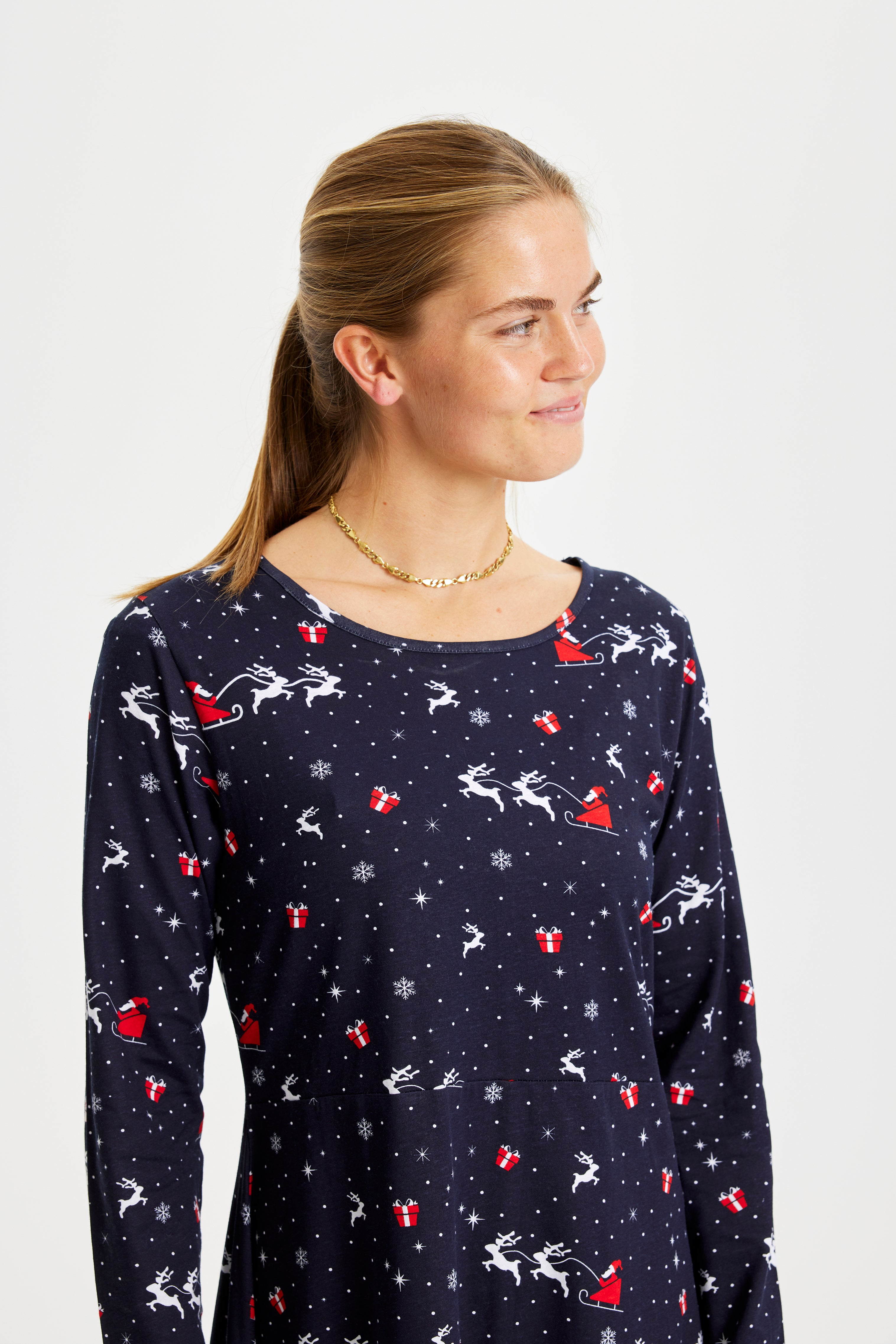
Outfits range from smart attire for church services to playful garments for parties and home celebrations. A classic Christmas sweater can be part of a family photo, while themed garments such as an ugly christmas sweater are common at light-hearted office or neighbourhood events. In warmer regions people often choose lighter festive pieces and even beach friendly options like summer Christmas outfits for outdoor gatherings.
What to expect next
The following sections will offer a neutral look at where and how the holiday is observed, with examples and statistics that highlight regional differences, timing and the role of children and families. If you are planning outfits for upcoming celebrations you can also explore options for matching looks and casual festive wear in our guide to seasonal apparel.
Global reach and legal status
More than 150 countries mark the season in some form, and that breadth shapes how people plan celebrations and wardrobe choices. In many places the day is a public holiday with closures and communal events, while elsewhere it is observed mainly as a cultural occasion without official holiday status. The practical effect for residents is similar: a pause in routine that invites family gatherings, community meals and festive clothing.
Religious and cultural meanings
For a large number of people the date has religious significance within Christianity, while for many others it functions as a cultural moment to bring households together. That dual nature explains why garments range from formal attire for church and ceremonial events to playful seasonal pieces for casual gatherings. A simple christmas sweater often serves as a bridge between formal and relaxed dress codes, and themed options can make a neutral outfit feel celebratory without needing elaborate planning.
National snapshots of participation
Surveys from different countries repeatedly show high participation in seasonal observances, with some national studies reporting participation rates well above 90 percent. Typical gatherings tend to be small to medium in size, commonly ranging from four to ten people, and many households report mid‑single digit averages for attendees at the main meal. At the same time there is attention on people who are alone during the holidays, which has prompted local organisations to expand inclusive events and drop‑in meals.
Children and family perspective
Children often shape the rhythm of celebrations through rituals such as gift exchanges and matching outfits. Parents and guardians frequently choose coordinated looks that work for photographs and shared activities, from matching christmas pajamas to gentle themes for daytime events. For mixed‑age gatherings, a kids christmas sweater can be paired with simple accessories for adults to create a cohesive family image without a strict dress code.
Seasonal adaptations and clothing choices
Because the season falls at different times around the world, people adapt garments to suit local conditions. Where weather allows, lightweight festive pieces and summer christmas outfits replace heavier layers, and outdoor meals encourage breathable fabrics and casual footwear. Indoors, families may opt for comfortable loungewear or christmas sweat sets that look put together for a photo yet remain practical for a long evening of hosting or visiting.
Practical takeaways for festive wardrobes
Think in terms of layers and flexibility. Choose a reliable christmas sweater for group photos, add matching christmas pajamas for morning routines, and keep a lighter option like summer christmas outfits on hand if plans include outdoor activities. For households with young children, picking one coordinated element such as matching pajamas or a unified colour palette makes dressing easier and creates a clear family theme.
How clothing connects to celebration
Clothing does more than cover the occasion. It signals intent, makes practical tasks easier and helps people feel part of a group without elaborate planning. A single well‑chosen piece can be reused across years for different types of gatherings, and small accessories extend the same look into multiple settings. If you are choosing items for a family photo or a neighbourhood get‑together, consider options that balance visual impact and everyday wearability.
For families planning coordinated looks, explore a range of options from classic christmas sweater styles to matching christmas pajamas and summer christmas outfits to suit warmer celebrations. These choices make it simple to create memorable moments without overcomplicating the day.
Variation in traditions and observances
Across regions the ways people mark the season feel familiar and surprising at once. In many communities church services remain central, with midnight liturgies, carol evenings and nativity scenes drawing people together in quiet, candlelit rooms. Elsewhere the focus is on communal meals, neighbourhood parties and playful customs that cross faith lines. The scent of pine and the warmth from a favourite knit often go hand in hand with music and shared stories, so garments like a simple christmas sweater can sit comfortably beside more formal attire.
Timing also shapes the mood. In parts of northern Europe the intimate evening of 24 December is the heart of the celebration, while many other countries treat 25 December as the main day. Some Orthodox communities follow a different calendar and keep their festivities on 7 January. Those variations influence when markets open, when families travel and when seasonal music fills the streets.
Economic and social trends
The commercial side of the season is visible in store windows, market stalls and online sales, with a clear peak in retail activity as people buy gifts, decorations and clothing. Seasonal spending supports local businesses and often inspires creative gift ideas, but it also prompts communities to consider how to include those who might be alone. Charities and civic groups commonly arrange shared meals and drop-in events to offer company and warmth, and volunteers bring food and music so no one feels entirely separate from the festivities.
The social conversation around the season increasingly includes questions about inclusion. Media coverage highlights both the joy of gatherings and the quiet reality of solitary evenings. That balance is part of why many families choose simple, meaningful elements: a favourite recipe, a playlist of carols and comfortable clothing such as matching christmas pajamas for relaxed mornings. These choices create sensory memories, from the smell of baking to the soft rustle of wrapping paper.
Examples of local customs
Where the calendar places the season in summer, outdoor meals and breezy decorations take centre stage. In those places menus adapt to warm weather with salads, grilled dishes and fruits that glisten under the sun. In colder regions the tradition leans into slow cooking, spiced aromas and gatherings around brightly lit trees. In both settings people find ways to blend older seasonal symbols with modern tastes, making space for a mix of solemn observance and lighthearted celebration.
Local customs can also be small and vivid: a neighbourhood singalong in a square, a market where artisans sell handcrafts and seasonal socks, or an evening walk past windows lit with candles. The sensory thread runs through it all. The crackle of a fireplace, the pop of a fizzy drink at a toast and the gentle weight of a cardigan during a long visit all contribute to a sense of togetherness.
How clothing ties the day together
Clothing often signals the tone of a gathering. People pick pieces that feel comfortable, camera‑ready and suited to the plan for the day. A christmas sweater can be the single element that unites a mixed group, while coordinated pajamas make a slow morning feel like an event. For warmer climates lightweight festive tops or summer Christmas outfits help keep the mood without overheating. The goal is simple: choose items that invite ease and continuity across several hours of visiting, eating and listening to music.
Frequently asked questions
Who celebrates Christmas?
People in many countries celebrate Christmas, both as a religious observance for Christians and as a wider cultural season for others. More than 150 nations mark the holiday in some form, with variations in emphasis and style.
How many countries observe Christmas?
Over 150 countries have some form of public or cultural observance. In some places it is an official public holiday, while in others it is celebrated mainly as a cultural event.
Do all Christians celebrate on the same day?
No. Many Western churches observe 25 December, often with a focus on 24 December in the evening. Some Orthodox churches use 7 January because of different liturgical calendars.
Is Christmas always a public holiday?
Not always. In numerous countries it is a national public holiday, but in others it is widely celebrated without legal holiday status.
Are traditions the same worldwide?
Traditions differ greatly by religion, history and climate. Examples include winter feasts and indoor customs in colder regions and outdoor gatherings and lighter menus where the season falls in summer.
Also view
15 January 2026
Picture a small family movie night by the tree: soft lights, low conversation and a stack of options for christmas movie recommendatio...