
31 January 2026
Why gifts at Christmas still matter

Minimalist impulses and pared-back holidays have become more visible, yet small, symbolic gifts still turn up in the rituals people care about. Those tokens rarely aim to impress; they work as signals of thanks, shared jokes or a little extra warmth during a group moment. A well-chosen item can slot into an evening of music and food, a party game or a simple visit to a host without shifting the focus away from being together.
Why gifts still matter
Gifts remain meaningful because they are embedded in local rituals and social practices that emphasize connection, luck and shared celebration rather than commercial value. A tiny present can mark inclusion, express appreciation for hospitality, or create a moment of anticipation for children and adults alike, even in homes that otherwise favour restraint.
How small tokens appear in modern celebrations
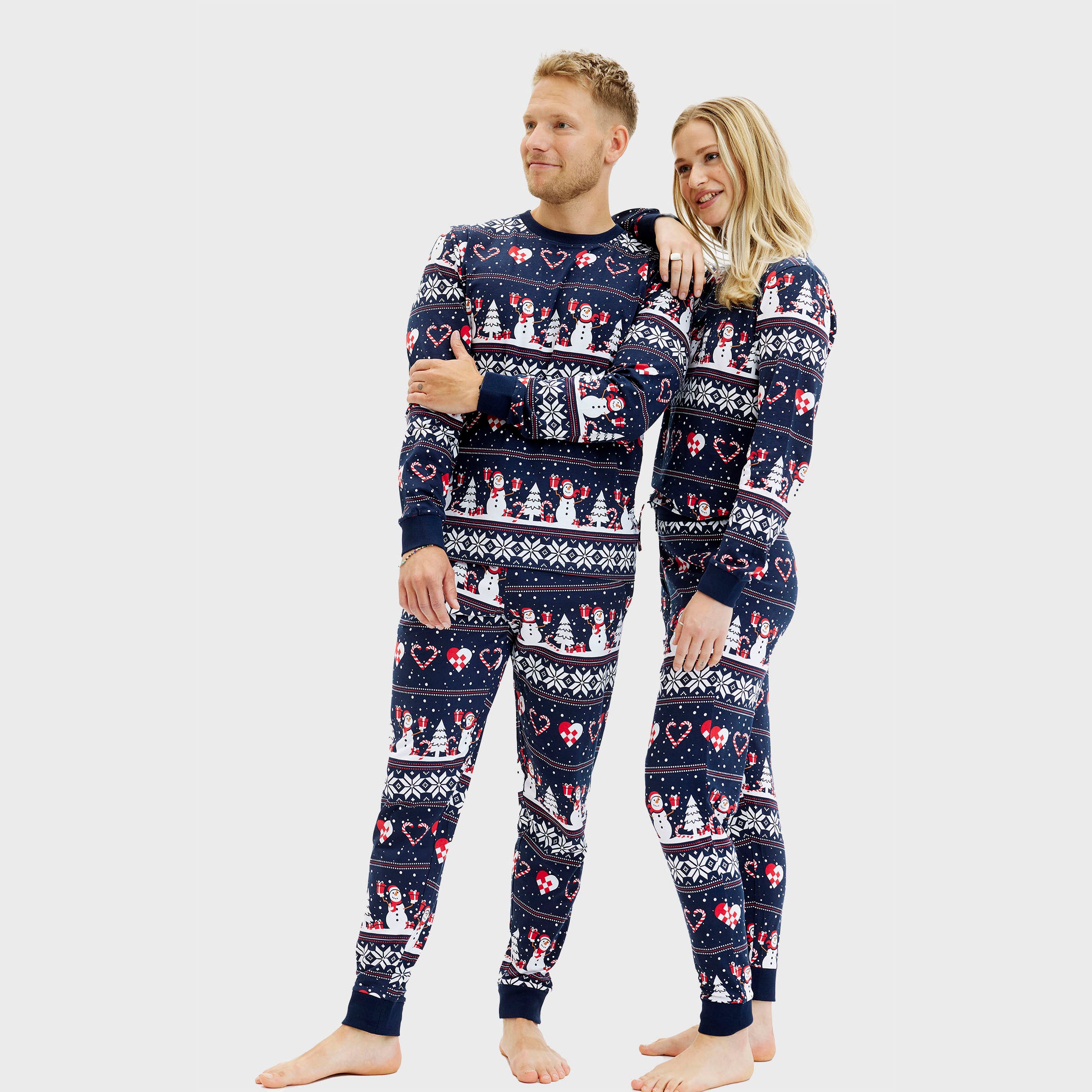
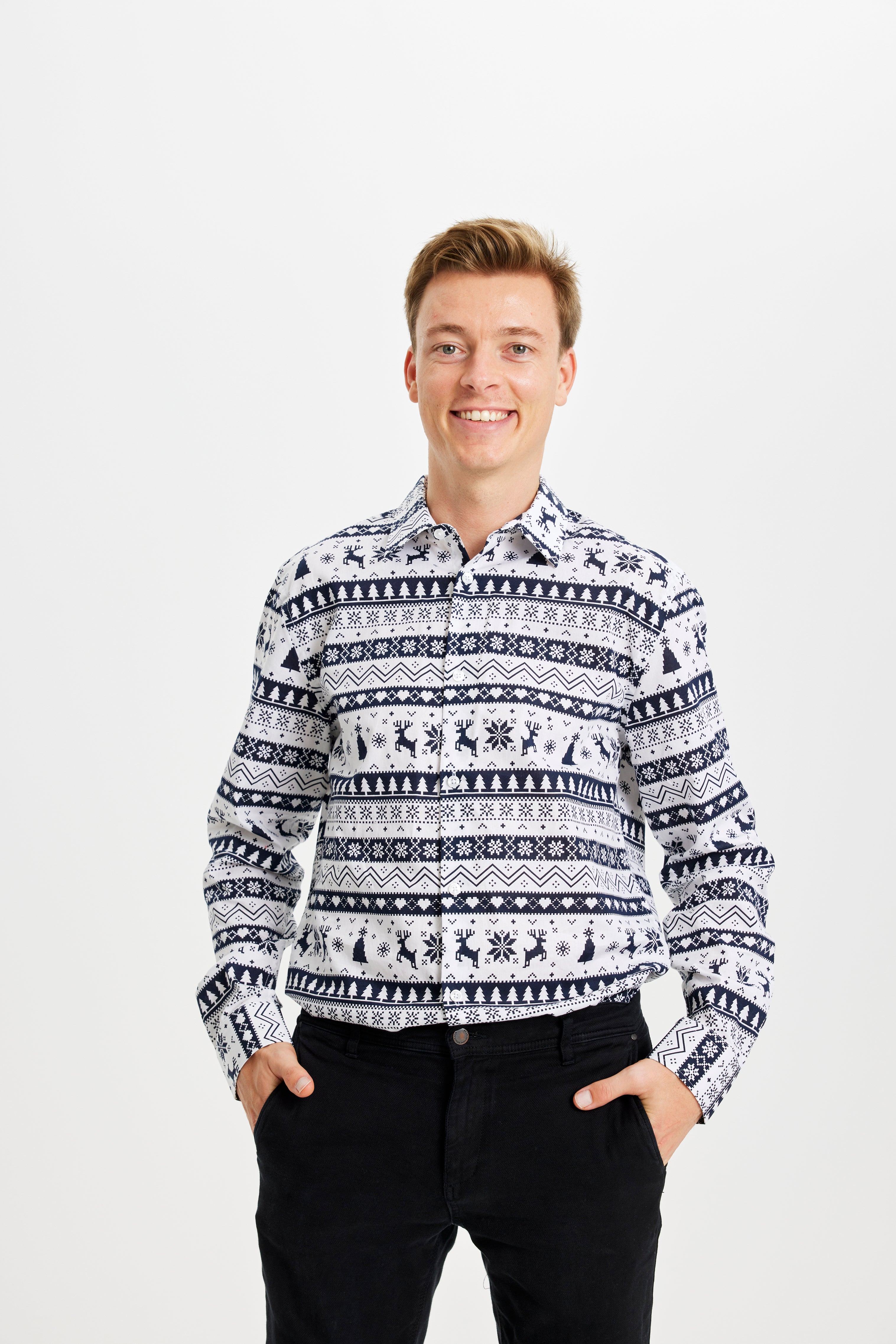
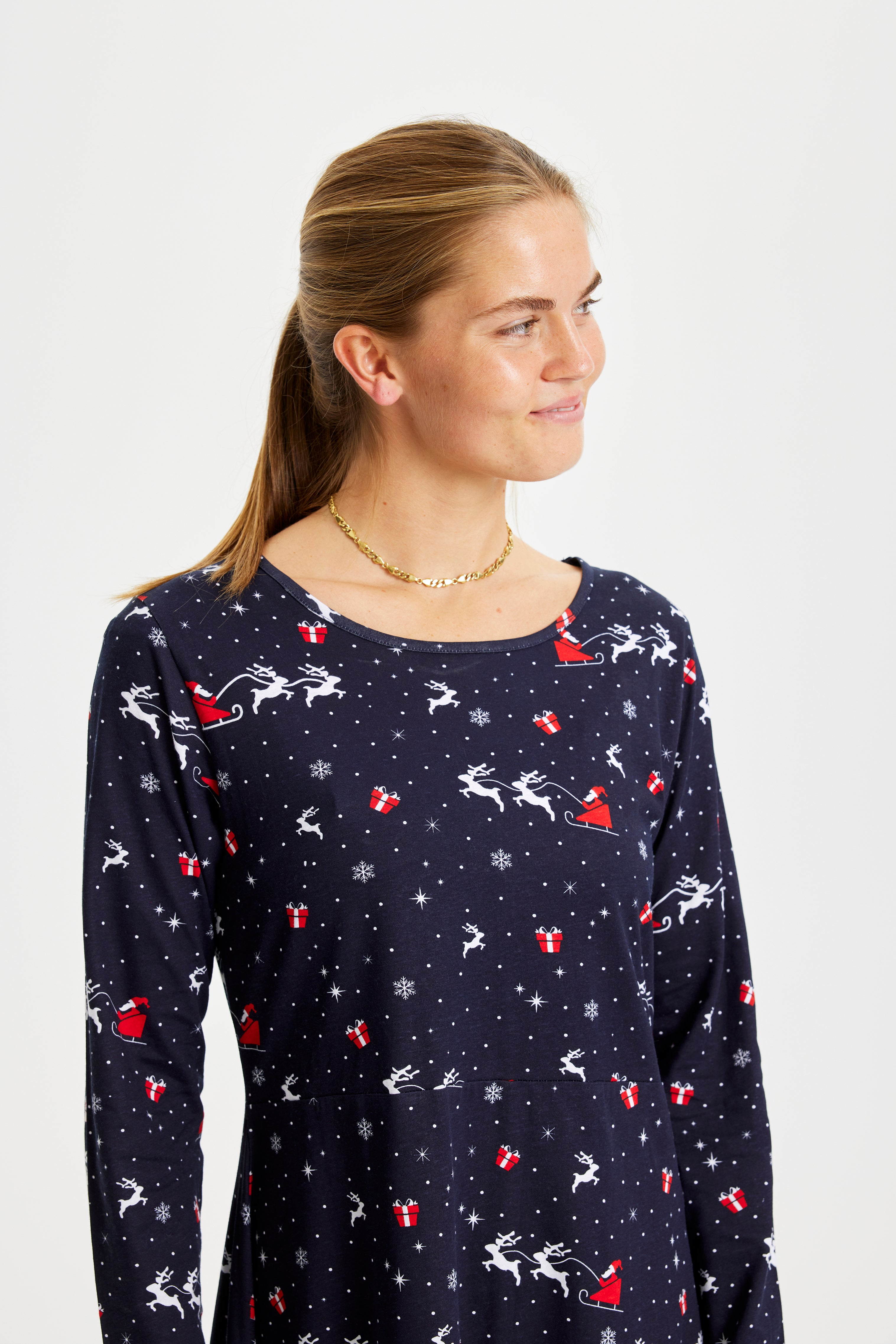
Common forms include modest host gifts brought to a meal, playful wrapped items used in party games, and countdown calendars that spread small surprises over several days. Practical items that fit the tone of the gathering—like a cosy Christmas sweater for a family photo or a funny christmas sweater for a lighthearted office party—often land well because they are wearable reminders of the moment. For readers who prefer lower-impact choices, a sustainable christmas sweater can serve as a meaningful, reusable option that still feels personal.
What this article will cover next
Later sections will outline the background of gift rituals, describe typical practices and etiquette, review contemporary spending and social norms, and answer common questions about why people keep giving gifts at Christmas. If you want quick ideas for wearable gifts that suit different gatherings, see our selections for a classic christmas sweater and playful styles that fit party games.
Historical origins and timeline
Gifts at the winter holidays draw on a long mix of practices that moved from seasonal offerings to household rituals. Below is a concise timeline that highlights key moments in that evolution.
- Prehistoric and pre-Christian eras: Communal exchanges and offerings marked seasonal change and abundance.
- 1500s: Small luck tokens began to appear in festive dishes, creating playful prize customs during communal meals.
- 1800s: The modern custom of exchanging modest presents spread across Europe and into urban holiday routines.
- 1900s: Advent calendars and 24-day gift formats became popular for children, structuring anticipation across December.
Typical gift customs and rituals
Across many households the emphasis remains on shared moments rather than large purchases. Common formats help keep gift-giving light and meaningful.
- Small host tokens given when visiting for a meal, such as sweets or a bottle of wine.
- Prize traditions hidden in desserts where the finder receives a modest reward as a playful sign of luck.
- Advent calendars or 24-day pockets that spread out small surprises and maintain daily anticipation for young people.
- Group exchange games at parties where wrapped small gifts circulate by dice rolls or rule cards, keeping attention on fun.
Contemporary data and social patterns
Survey snapshots indicate a wide spread of behaviours but a recurring theme of restraint and targeted generosity. Some studies report average spending figures near 2,500 DKK per person in sampled populations, reflecting a mix of children’s gifts, host tokens and modest family presents. Gifts are most frequently given to immediate family and children, while workplace gifting tends to favour communal treats over individual presents.
Social and psychological functions
Gifts at the holidays do several social jobs without competing with core rituals like shared meals or music. They act as symbolic exchanges that confirm membership and appreciation, they structure anticipation through countdown formats, and they smooth social visits by offering a simple token of thanks. For many, the emotional value of a small, well-timed item outweighs its monetary worth.
Notes on commercialization and common critiques
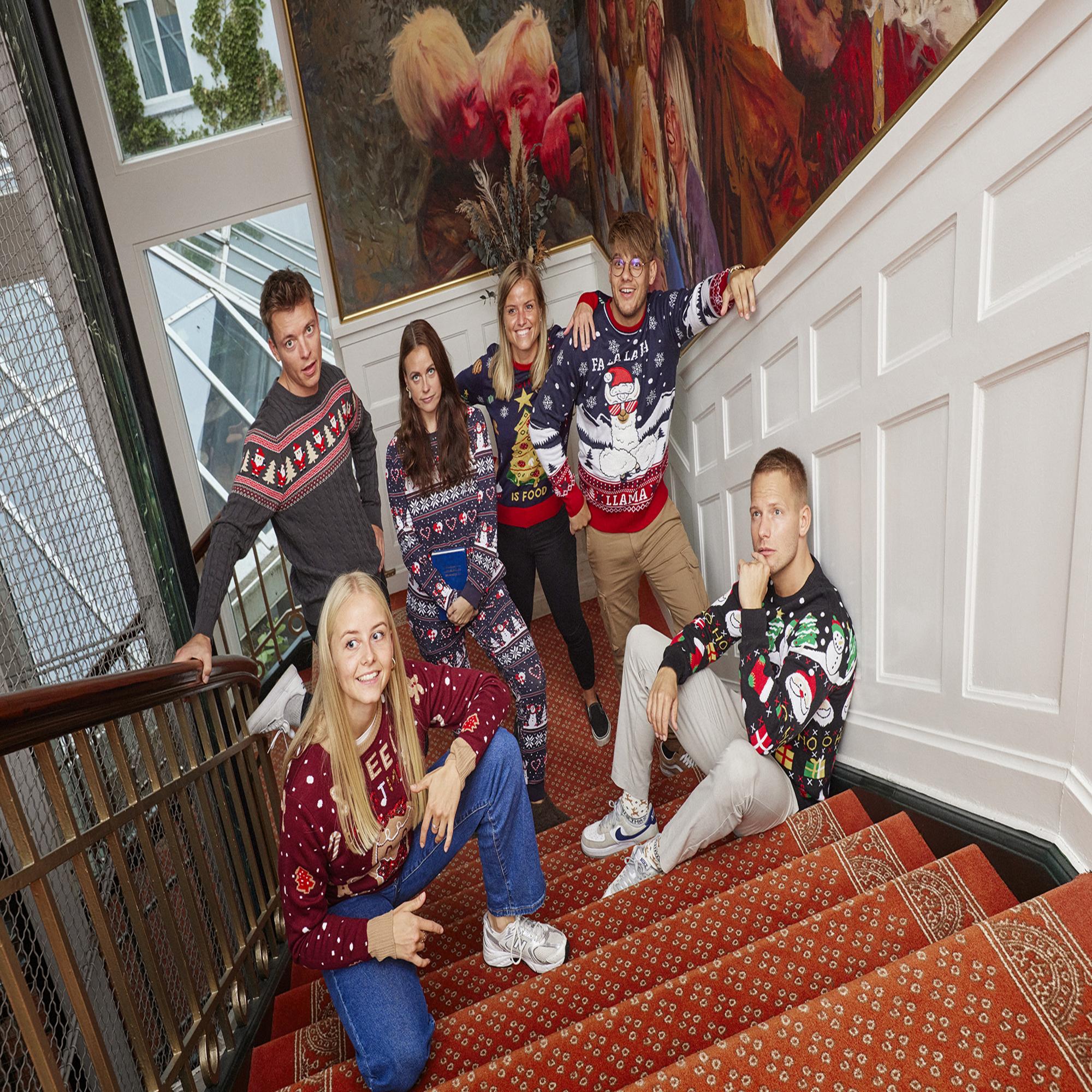
Critiques commonly point to stress and unnecessary consumption when gift lists grow unchecked. At the same time, many households resist commercial pressure by keeping presents modest, playful or clearly linked to a ritual. Wearable items are often used as lighthearted mementos of a gathering; for example a classic Christmas sweater can work well for family photos and dress-up moments, while a funny Christmas sweater adds levity to party games. See our selection of a classic Christmas sweater and browse options for a funny Christmas sweater to match different moods.
Quick answers to frequent questions
Why do people give gifts at Christmas? The practice combines ancient seasonal exchanges with later religious and social customs that turned gifts into signals of care rather than status.
When did gift-giving become familiar? Elements of gift exchange are very old, while modern small-gift practices consolidated in the 1800s and expanded with child-focused advent traditions in the 1900s.
How are gifts usually presented? Many families open presents after collective rituals such as singing together or finishing a communal meal, keeping the moment shared and ceremonial.
Practical patterns for gift giving
When you step into a Danish living room on a winter evening, the scent of pine and warm baking blends with soft carols and the crackle of lights. In those moments, gifts serve a practical role: they punctuate gatherings, create small surprises and offer a polite way to say thank you. Guests commonly bring modest tokens for the host such as a bottle of wine, a box of chocolates or a simple bouquet. In workplaces, shared treats or a plate of sweets is more usual than individual presents, which keeps the atmosphere relaxed and focused on company rather than consumption.
Variations between households and regions
Some families embrace a fuller exchange of presents, with several modest items across the evening, while others deliberately limit gifts to maintain focus on food, song and hygge. In coastal towns you might smell salty air mingling with cinnamon as families keep gatherings compact. In larger city apartments festive playlists and the clink of glasses often set the tone, and party games that use small wrapped items encourage laughter and interaction. The common thread is that gifts adapt to the household rhythm instead of dictating it.
Sustainability and thoughtful choices
More people are choosing fewer, higher quality items or reusable gifts that last beyond the season. A favourite approach is to select wearable presents that double as cosy reminders of the evening. For example, a soft christmas sweater can keep its place on a favourite chair and in photos, while a sustainable christmas sweater aligns with a desire to reduce waste and choose materials with care. The warmth from a knit fabric, the gentle weight against the skin and the visual nod to the occasion make such items tactile tokens rather than showy purchases.
Common formats that ease decisions
Practical formats help families preserve a calm atmosphere. Advent calendars with 24 small gifts create a daily note of anticipation. Prize traditions hidden in desserts add a playful moment to the meal, rewarding the finder with a modest token. And at larger gatherings, exchange games keep the spotlight on shared fun rather than on expensive items. These formats are easy to adapt: a homemade voucher, a handpicked tea blend or a pair of themed socks can be just as meaningful as a purchased item.
Quick reference to useful terms
- Mandelgave. A small prize hidden in a dessert as a sign of luck for the finder.
- Pakkekalender. A calendar of 24 small gifts that structures December with daily surprises.
- Pakkeleg. A lively party game where wrapped small gifts circulate according to dice rolls or simple rules.
- Adventsgave. A present given on an Advent Sunday or as part of the advent tradition.
Short comparative note: Denmark and elsewhere
Compared with more gift-centered cultures, Danish celebrations tend to keep presents secondary to collective traditions. Gifts remain meaningful as social signals and practical tokens. They support the food, the singing and the atmosphere instead of replacing them. That makes a small, well-chosen wearable or a thoughtful reusable item especially suitable for the Danish table.
Frequently asked questions
Why do people give gifts at Christmas?
Gifts combine long-standing seasonal customs with later social habits, serving as symbolic exchanges that show appreciation and reinforce belonging within a gathering.
When are gifts usually opened?
In many households gifts are opened after shared moments such as singing around the tree on Christmas Eve, which keeps the focus on community and ceremony.
What counts as an appropriate host gift?
Modest tokens like wine, sweets or flowers are customary. The gesture matters more than value; a small present acknowledges hospitality without changing the flow of the evening.
Are sustainable gifts popular?
Yes. More people prefer fewer, longer-lasting items or reusable options, and wearable presents that can be worn again often fit that preference.
How can I keep gifting low stress?
Stick to simple formats: 24 small surprises for the advent period, one modest host token or a shared gift for a group. Choosing something tactile like a cosy sweater adds warmth without pressure.
Also view
31 January 2026
Christmas in Germany always falls on 24 December, known locally as Heiligabend, and many people ask how many days remain because count...