


30 January 2026
Why is there Christmas?

Christmas can feel like a patchwork of old festivals, church rites and cozy home rituals, which is precisely why many ask why there is Christmas at all. It sits at the meeting point of midwinter celebrations that marked the return of light, Roman and regional winter feasts, and a Christian commemoration that came to be fixed in late December. That blend explains why the holiday looks both ancient and intensely familiar.
In short, modern Christmas grew from pre Christian midwinter traditions such as Yule and Roman winter festivals layered with the church’s choice to commemorate Jesus’ birth and later family and national customs.
What the article will cover
- Pre Christian midwinter customs and their seasonal meanings
- How the early church placed Christmas in the calendar
- Regional family traditions and the shift toward home celebrations
- Common misconceptions about origins and dates
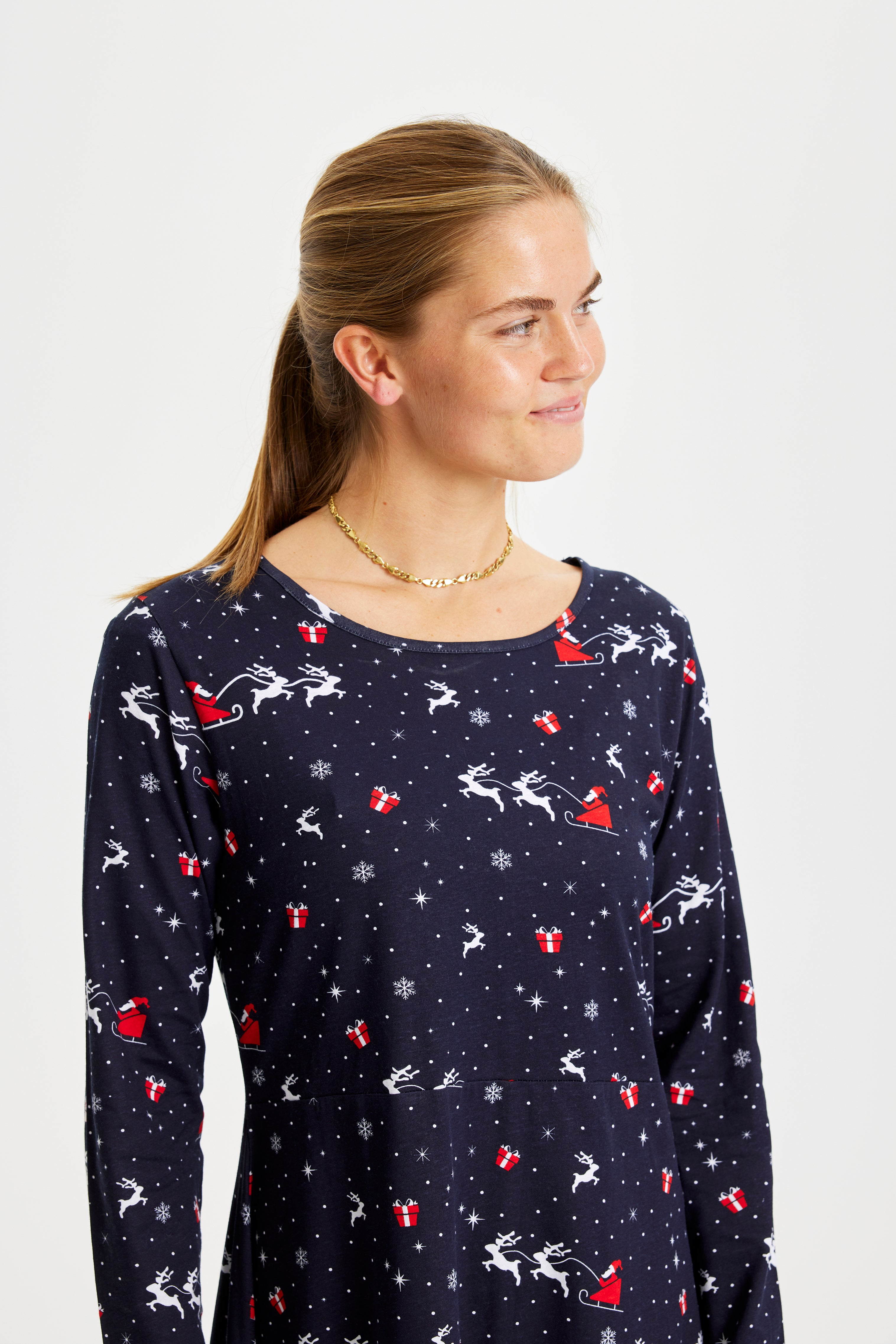
Read on if you want a concise map of those strands. Along the way you will see how communal feasts and symbols of light moved from public ritual into private homes, where they were reframed as family moments. Those domestic moments are now where many people express the holiday, from simple gatherings to matching outfits and playful traditions. For practical examples of how clothing became part of that domestic script, look at options for a Christmas sweater that families wear for photos or at parties, and consider matching Christmas pajamas for evenings spent together.
Why the mix matters to you
Knowing that Christmas is layered helps explain why some elements feel religious and others purely cultural, so you can pick what matters most in your own celebration. If you lean toward the playful side, the ugly Christmas sweater remains a way to bring laughter into a family room, while other households prioritise liturgy or community events. This variety also means the question why is there Christmas invites many answers, each valid for different people and places.
Modern Christmas customs and cozy home rituals
By the 19th century, Christmas shifted from public observance to something people felt in the private rooms of their homes. The scent of pine and the soft glow of candles moved indoors, while the sound of carols became as likely to come from a phonograph as from a church choir. In Denmark and much of Northern Europe this change meant that evenings on 24 December turned into the heart of celebration, a time for warm knitwear, shared plates and quiet laughter. The warmth from a Christmas sweater or the comfort of matching Christmas pajamas helps turn those moments into memories that smell of baking and feel like a soft hearth.
How traditions layered into the present
What we call Christmas today is a tapestry of features that arrived at different times, each bringing its own sense of smell, taste and rhythm. Candles and evergreens echo solstice hopes for returning light. Feasts, rich with tastes of roast and spice, recall communal gatherings where food sealed bonds. Gift giving carries traces of Roman customs as well as later ideas of charity and social exchange. Together, these layers created a holiday that is at once sacred, cultural and domestic, and that variety is what allows families to choose what matters most.
Timeline: a compact guide
- Prehistoric and ancient: Midwinter solstice and regional festivals. Community feasting and rituals to mark returning light.
- Roman late antiquity: Saturnalia and Mithraic observances in December. Popular customs of feasting and gift exchange.
- 4th century CE: 25 December adopted in Christian liturgical calendars. Formal commemoration of Jesus’ birth aligned with winter festivals.
- Reformation era: Shift in Northern Europe toward Christmas Eve domestic worship and family gatherings. Local customs gain prominence.
- 19th century onward: Christmas tree and family centred rituals become widespread in Denmark and Europe. The home becomes the primary stage for hygge.
Practical mapping of customs and origins
- Light and candles → solstice symbolism and Christian language of light.
- Feasting and seasonal food → continuity from communal midwinter meals.
- Gift exchange → echoes of Saturnalia, medieval charity and later family reciprocity.
- Tree and evergreens → domestic symbol revived and popularized in the 19th century.
Bringing tradition into your living room
There is a gentle pleasure in combining a historic awareness with simple comforts. Lay out plates that invite passing, light a few extra candles, and set a corner of the room for small surprises behind 24 little doors if you keep an advent calendar. Wear clothing that adds to the mood, for example a soft christmas sweater for the evening’s photo, or slip into christmas pajamas when the carols draw to a close. These choices help the senses lock an ordinary night into a memory.
Frequently asked questions
Why is Christmas celebrated?
Because it combines a Christian commemoration of Jesus’ birth with older midwinter traditions that celebrated light, community and renewal. The modern holiday reflects layers of religious, cultural and national customs.
Was Jesus born on 25 December?
No definitive historical evidence gives an exact date. 25 December appears in church calendars from the 4th century and was likely chosen to correspond with existing winter observances.
Is Christmas a pagan holiday?
Christmas incorporates many customs that trace to pre Christian midwinter festivals, but the Christian festival and its theological meaning developed independently and were later synchronized with those customs.
Why do Danes celebrate on Christmas Eve rather than 25 December?
Older time reckoning treated days as starting at sunset. After the Reformation, the evening became the focal family celebration in Denmark, a practice that persisted culturally.
Where did the Christmas tree tradition come from?
The indoor decorated tree became popular in Northern Europe in the late 18th and 19th centuries and spread as a domestic symbol of life and festivity during winter.
Why are gifts part of Christmas?
Gift giving has multiple roots, including Roman Saturnalia customs, medieval Christian charity and later cultural practices that emphasised family reciprocity and social exchange.
Also view
30 January 2026
What do you eat at Christmas? In many northern European households the season centers on a family dinner on December 24 and a string o...