
31 December 2025
Wool Christmas socks that feel like a warm hug

Slide your feet into a pair of wool Christmas socks and the evening softens: the knit gives a gentle hug around the ankles and makes simple moments feel intentional. That small ritual turns a cold night into an excuse to slow down, whether you are reading by lamplight or joining a family game on the sofa.
What wool Christmas socks are
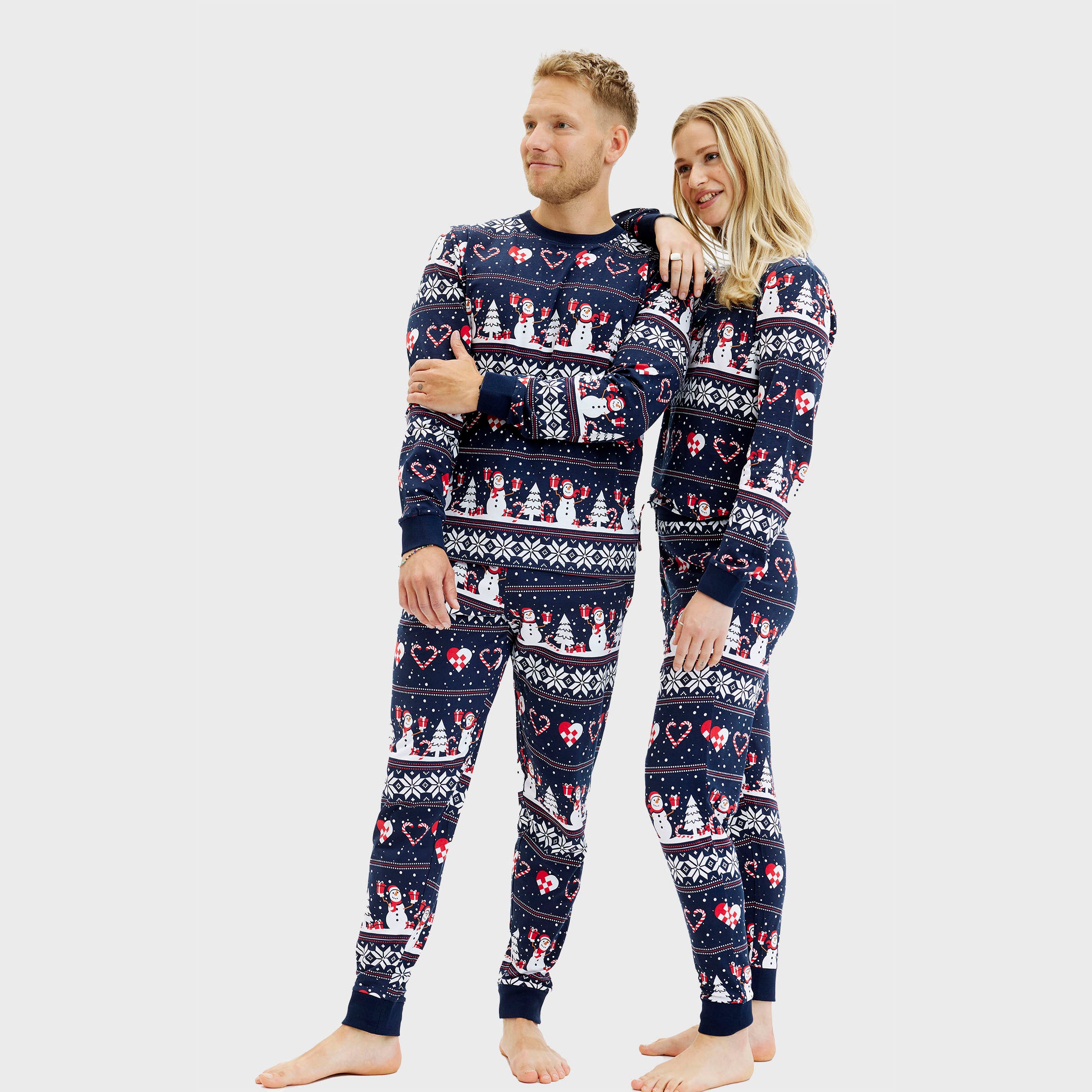
These are seasonal socks made predominantly from wool, often finished in festive colours, playful motifs or traditional patterns that signal the holidays. They are designed to be worn both as cozy at-home essentials and as part of holiday outfits, pairing naturally with soft pyjamas and everyday loungewear.
Immediate benefits
- Warmth without bulk, suitable for indoor lounging and relaxed evenings.
- Breathability that helps manage moisture during long wear.
- A comfortable loungewear feel that elevates simple rituals like opening gifts or wrapping presents.
When to wear them
Wool Christmas socks work for quiet nights by the fire, as a thoughtful gift under the tree, or layered inside boots for outdoor winter walks. They sit well alongside matching sets and cosy pieces, so consider styling them with other pieces from a Christmas loungewear collection to complete a restful look. For festive parties where novelty matters, pair them with an ugly Christmas sweater to lean into holiday humour without sacrificing practicality.
Quick note on variants
Choices range from lightweight merino blends intended for indoor comfort to thicker, cushioned heavy-wool styles that add insulation for outdoor chores and evening walks. If you want a place to browse ideas for socks and coordinating pieces, check a seasonal selection of Christmas socks and related apparel online.
Fibre and blend facts
Merino wool stands out for its fine fibres and soft hand feel, while natural thermoregulation and odor resistance make it a common choice for winter socks. Typical modern blends often sit in the range of 80–85% merino combined with polyamide and a small percentage of elastane for fit. Other commercial blends vary from roughly 50–90% wool paired with synthetics to improve durability and stretch.
- Merino characteristics: fine fibres, soft touch, natural temperature control and reduced odor buildup.
- Common blend ratios: higher merino content favors softness and breathability; added polyamide improves abrasion resistance; elastane provides stretch and recovery.
- Role of added fibres: polyamide enhances strength at heel and toe, polyester can speed drying, and elastane keeps the sock snug without constriction.
Performance attributes and construction
Temperature regulation follows from wool’s layered structure and ability to trap warm air while allowing moisture vapour to escape. Moisture management is achieved because wool fibres absorb and release water vapour, helping feet stay drier than with many pure cotton options. Importantly, wool maintains more insulation when damp than many plant fibres, which keeps toes warmer during longer wear.
Construction matters as much as fibre content. Anatomical shaping, defined heel cups and generous toe rooms reduce slipping and hotspots. Reinforced heel and toe zones extend lifespan where abrasion is greatest, and cushioning levels—light, medium or heavy—are placed strategically under the sole and around the ankle to balance protection and fit. Ribbed cuffs, graded compression or discreet elastic bands help socks stay up without cutting circulation.
Certifications, testing and practical trade-offs
Certifications such as textile safety standards and statements about animal welfare can indicate testing for harmful substances or traceability of sourcing. Claims like mulesing-free are commonly used to convey specific animal welfare practices, while other labels address chemical safety.
Quality is commonly assessed by comfort, fit, cushioning, warmth, breathability, durability and slippage. Expect trade-offs: thicker socks increase warmth but can reduce shoe fit and tactile sensitivity; highly padded models add insulation but may feel bulky for close-fitting footwear. Durable blends with reinforced areas often last longer but can be slightly firmer to the touch.
Practical quick-reference guide
Blend → Typical feel → Best use
- 80–90% merino → Very soft, good thermoregulation → Indoor lounging, light outdoor wear
- 60–80% wool + polyamide → Durable, warm → Heavy-use, outdoor layering
- 40–60% wool blends → More structured, budget-friendly → Everyday socks with longer wear life
Gift considerations and styling tips
Wool socks often land in the gift pile because they combine practicality with a sense of everyday luxury. Presentation matters: bundled sets, neat gift-ready packaging and a small styling note can shift perception from simple necessity to thoughtful treat. Segment your choices by recipient: neutral palettes for adults, very fine-fibre options for children, and technical cushioned socks for active or outdoor recipients.
For holiday outfits, pair wool socks with complementary loungewear pieces to create a coordinated look. Consider matching socks with christmas loungewear or using contrasting colour palettes to highlight patterned motifs. If you want to lean into playful holiday dress, combine a pair of warm socks with an ugly christmas sweater for a lighthearted ensemble that still prioritizes function.
Where to look next
Browse seasonal collections that bring together socks and coordinating pieces, for example a curated selection of christmas socks, or explore matching sleep sets and homewear in christmas loungewear to complete a cosy look. These links help connect practical choices with styling options for gifting and holiday comfort.
How to care for wool christmas socks
There is a simple pleasure in pulling a warm pair of wool christmas socks over chilled toes, feeling the knit embrace and smelling faint notes of pine and fresh baking in the background. To keep that feeling, wash in cool or lukewarm water with a gentle detergent made for wool. Avoid bleach and strong alkaline cleaners. Many modern blends tolerate a gentle machine cycle, but check the garment for care guidance before you choose that option.
When you wash by hand, squeeze water through gently rather than wringing. After washing, reshape the socks while they are damp and lay them flat to dry to preserve fit and avoid unwanted shrinkage. Tumble drying on high heat is not recommended. If a low-heat tumble cycle is indicated on the label, use it sparingly.
Pilling happens over time where fibres rub together. Remove pills carefully with a fabric comb and mend small holes early to stop them from growing. A quick repair feels like stitching a memory into the sock, and extends the life of a favourite pair so it can accompany many holiday evenings when you are wrapped in a Christmas sweater and listening to soft carols.
Durability, lifecycle and sustainability
How long a pair lasts depends on fibre quality, blend and how often you wear and care for them. Heavy reinforcement at the heel and toe, combined with a balanced blend of wool and polyamide, tends to extend usable life. Wool itself biodegrades more readily than many synthetic fibres, yet blends can complicate recycling. Look for statements about traceability and mulesing-free sourcing if animal welfare is a priority for you.
At end of life consider repair, repurposing or textile-recycling options available locally. A worn but loved pair can become a mitten, a sachet filled with dried lavender, or a comforting patch for another garment. These small acts keep textures, scents and memories in the home rather than in the bin.
Selection checklist
- Decide primary use: indoor lounging, outdoor layering or gifting for a quiet moment by the fire.
- Choose blend based on priorities: high-merino for softness, wool plus polyamide for durability, heavier wool for insulation.
- Check construction details: reinforced heel and toe, appropriate cuff height, and the level of cushioning you prefer.
- Look for certifications or welfare statements if ethical sourcing matters to you.
- Confirm sizing guidance and whether the sock runs true to size or is designed for a snug fit.
Quick comparisons
- High-merino. Warmth high. Breathability medium. Durability medium. Softness high. Care difficulty low.
- Heavy-wool. Warmth very high. Breathability low. Durability high. Softness medium. Care difficulty medium.
- Mixed wool blends. Warmth medium. Breathability medium. Durability high. Softness medium. Care difficulty medium.
If you like to coordinate your cosy moments, explore a curated range of christmas socks and pair them with a soft set of christmas loungewear for evenings when the house smells of spice and the radio plays familiar tunes.
Frequently asked questions
Are wool socks itchy?
Fine-fibre merino and modern blends are far less likely to itch. Fiber diameter and knit construction remain the main causes of any discomfort.
Can wool socks be worn all day?
Yes. With good moisture management and the right fit many people wear wool socks comfortably for extended periods.
How do I wash wool socks without shrinking them?
Use cool or lukewarm water with a gentle wool detergent, choose a gentle machine cycle or hand wash, and dry flat. Avoid high heat in tumble dryers.
Do wool socks keep feet warm when wet?
Wool retains insulating properties better than cotton when damp, thanks to its fibre structure and moisture-handling abilities.
How do I choose the right size?
Base your choice on foot length and intended fit. Choose a snug fit for active use and a slightly roomier fit for heavily cushioned styles; account for elastane stretch where present.
What are common durability issues and how are they prevented?
High-wear points like the heel and toe see most abrasion. Reinforced construction, correct fit and gentle care are the best prevention.
Will wool socks smell after repeated use?
Wool’s natural odor resistance reduces smell build-up compared with many synthetics. Regular airing and occasional washing keep them fresh.
Also view
15 January 2026
Picture a small family movie night by the tree: soft lights, low conversation and a stack of options for christmas movie recommendatio...