



3 November 2025
Christmas eve traditions

Christmas Eve often unfolds as a ritual: Family gathers around the decorated tree after a day of final preparations, and the evening becomes a sequence of food, music and shared moments before gifts are opened. Those moments with the family are what many remember long after the season ends, and small choices—from the songs you sing to the outfits you wear—help shape the night.
Family evening rituals
Christmas Eve traditions are the recurring actions that mark the day as special: preparing the main meal, attending an evening service or simply pausing for a quiet moment, singing together, and coming together for gift-giving. Each household adapts the order and emphasis to fit its rhythm, but the aim is the same—to create a sense of togetherness. You can make the evening feel uniform across generations by agreeing on a simple schedule and involving children in clear tasks.
Snapshot of common elements
Typical elements include afternoon preparations and relaxed entertainment, an evening meal served around the same time each year, a moment of song or dance around the tree, and finally the exchange of gifts. Dessert traditions sometimes include a hidden almond or a small game that decides a prize, while party games and timer-based package games add lighthearted competition.
Small details that matter
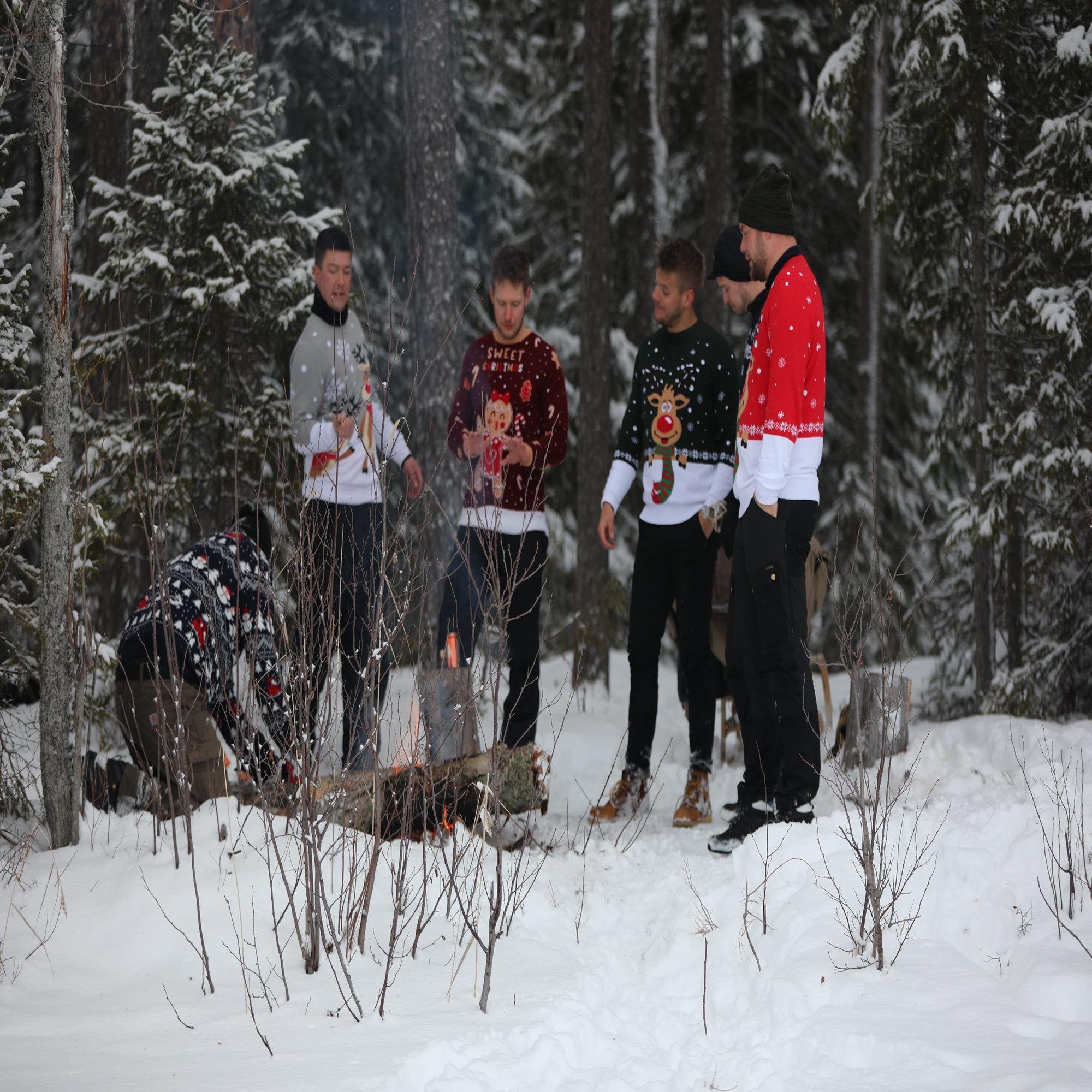
Practical touches—matching sleepwear for photos, themed socks, or a playful knit—often turn into memorable family pictures. For example, coordinating matching christmas pajamas for everyone makes the pre-dinner routines feel more intentional and can be a gentle way to involve younger children. If your household enjoys a tongue-in-cheek touch, an ugly christmas sweater can spark laughter during the tree-dance and make the gift moment even livelier. For little ones, a kids christmas sweater can be the proud centrepiece of their outfit and a great way to include them in traditions.
Where to start
Begin by agreeing on a few non-negotiables: when dinner starts, a primary song for the tree-dance, and whether to include a church visit. Add one or two festive accessories—like holiday socks—to tie outfits together and make the evening feel cohesive. If you want inspiration for coordinating looks, explore ideas for matching christmas pajamas and small festive accessories to help shape the night without overwhelming it.
Continuing the evening
As daylight fades, the practical side of christmas eve traditions comes into focus: a clear order helps keep the night relaxed and enjoyable. Many households follow a predictable flow that lets everyone know when to pitch in, when to eat, and when to switch to music and gifts. A simple plan reduces small stresses and creates room for spontaneous moments that become part of the family story.
Typical timeline
- Afternoon: finish cooking and lay out plates while children watch seasonal programmes or help with small tasks
- Late afternoon/early evening: optional evening service for those who attend
- 18:00–19:30: main Christmas Eve dinner in many homes
- After dinner: singing and dancing around the decorated tree with a mix of carols and popular songs
- Following the tree-dance: gift distribution and relaxed family time into the evening
Typical Christmas Eve menu
Meals vary, but there is a familiar pattern of roast protein, colourful sides and a creamy rice dessert with a prize hidden inside.
- Main proteins commonly served: roast duck, roast pork, goose or turkey
- Classic side dishes: browned potatoes, boiled potatoes, pickled or stewed red cabbage and brown gravy
- Dessert: rice pudding or risalamande with chopped almonds and one whole almond hidden for a small prize
Food notes and choices
Families choose mains based on long-standing preferences and what feels festive at their table. Risalamande is usually prepared ahead so it has time to chill, and hiding a single whole almond turns dessert into a playful contest. If a household prefers alternatives, swapping the protein or adjusting side portions keeps the structure of the evening intact without changing the atmosphere.
Music, dance and gift moments
Singing and dancing around the tree typically blends traditional hymns with well known seasonal songs. The tree-dance sets the mood and signals the shift from meal to gift time, which is often the highlight for younger family members. Agreeing on an order of songs and a clear cue for when gift-giving starts helps the activity run smoothly and keeps attention on the shared moment.
Games and entertainment
Package games provide lively alternatives or additions to formal gift-opening. Simple rules, such as using a timer or a die to allow limited swapping of wrapped items, keep the game moving and inclusive for all ages. Seasonal television specials and family films frequently fill quieter parts of the day, giving adults time to finish preparations while children enjoy familiar favourites.
Practical checklist and timing tips
- Finalise the menu and a cooking schedule the day before
- Prepare the table setting and the tree decorations early in the afternoon
- Set aside one whole almond for dessert and a small prize
- Plan the sequence: service (if attending), dinner, songs and dance, gifts
- Pack small items for package games and decide on simple rules ahead of time
Outfit ideas and finishing touches
Coordination of outfits can make photos and memories feel cohesive without being formal. Consider matching christmas pajamas for the whole household during the pre-dinner routine and a playful Christmas sweater as a lively focal point during the tree-dance. If you want options for children or to outfit the whole family, look for kids christmas outfits and adult styles that suit your evening.
Quick FAQs
- When is dinner usually served? Many families eat between 18:00 and 19:30, but exact times depend on the household schedule.
- What makes risalamande special? It is a rice dessert mixed with chopped almonds and often whipped cream, with one whole almond hidden for a prize.
- How do families involve children? Give simple tasks like setting the table or leading a song, and include kid-friendly versions of package games.
Variations and modern adaptations
As families change, so do christmas eve traditions. Some households embrace simpler menus to let conversation and music take center stage. Others turn the evening into a buffet-style gathering where everyone brings one dish, so the kitchen smells of many spices and ovens hum in different rhythms. In urban settings public concerts and market lights can extend the mood, while tourists often join local services or tree-lighting ceremonies to feel the same warmth.
A subtle modern touch is how outfits now add to the atmosphere. Wearing a cosy christmas sweater or slipping into matching christmas pajamas can heighten the sense of occasion without feeling formal. The soft weight of a favourite knit, the warmth from the fabric and the familiar jingling of small accessories all contribute sensory details that linger in memory.
Practical lists to keep the evening flowing
Small checklists transform good intentions into a relaxed night. The scent of pine and warm sugar from the oven becomes a backdrop rather than a stressor when preparations are planned.
- Finalise the menu and cooking schedule the day before. Tip: Prepare sauces and dressings earlier to free up oven time.
- Prepare the table setting and arrange candles and ornaments in the afternoon.
- Set aside one whole almond for the risalamande and a small prize for the finder.
- Plan the sequence: service (if attending), dinner, songs and dance, gifts.
- Pack small items for package games and agree on simple rules ahead of time.
Cooking timing matters: roast proteins need resting time so the meat stays tender and the kitchen aroma can settle into the living room. Potatoes and cabbage can be timed to finish just before the table is called, and desserts such as chilled rice pudding are best prepared earlier so their texture is just right.
Ways to involve everyone
Inviting family members to take small roles turns tasks into shared moments. The crackle of wrapping paper, the rustle of napkins and the low hum of a familiar carol create a multi-sensory tapestry.
- Simple pre-dinner tasks: setting the table, arranging candles, or laying out small crackers.
- Assign gentle roles during the tree-dance, such as song leader or candle manager.
- Create kid-friendly versions of package games with easy prizes and short rounds.
Dancing, games and timing
Singing and dancing around the tree is a high point in many homes. Agree on an order of songs and a clear signal for ending the dance and starting gifts. For package games, keep rules simple: use a timer or a die to allow limited swapping, and choose small wrapped items that bring laughter rather than pressure. The sound of laughter mixing with the soft crackle of a candle makes the night feel complete.
If you want a subtle way to tie outfits together, consider browsing a selection of classic christmas sweater styles that suit different tastes. A comfortable knit can feel like an extra layer of hospitality, warming both body and mood as the evening unfolds.
Frequently asked questions
When is Christmas Eve typically celebrated and what time is dinner?
Christmas Eve is the principal evening for celebrations. Many families begin dinner between approximately 18:00 and 19:30, though exact times depend on household routines and whether an evening service is attended first.
What are the most common mains served on Christmas Eve?
Common mains include roast duck, roast pork, goose or turkey. Choice often follows family tradition and regional preference, with side dishes like browned potatoes and stewed red cabbage completing the plate.
What is risalamande and how does the almond tradition work?
Risalamande is a creamy rice-based dessert mixed with chopped almonds and whipped cream. One whole almond is hidden in the dish and whoever finds it receives a small prize, turning dessert into a playful and anticipatory moment.
Do people go to church on Christmas Eve?
Many attend an evening church service, but attendance varies. Some families include a short service as part of the day while others prefer to keep the evening entirely at home with food, music and gifts.
How do families adapt traditions for dietary preferences?
Households often swap traditional mains for vegetarian or plant-based alternatives without changing the evening’s structure. Sides and desserts are frequently adjusted so the shared rituals remain intact.
Also view
15 January 2026
Picture a small family movie night by the tree: soft lights, low conversation and a stack of options for christmas movie recommendatio...