


19 December 2025
When do Ukrainians celebrate Christmas?

The date of Christmas in Ukraine can be 25 December, 7 January, or both, depending on faith, family and recent legal changes. Historically many people marked 6–7 January, but a national shift and changes in church practice have led large parts of the country to observe 25 December while others keep the older date or celebrate twice. You will find below a concise explanation of the calendar difference, a note on the recent legal change, and practical tips for families and organisers.
Why dates differ
Two calendar traditions matter in Ukraine, which is why both 25 December and 6–7 January are in active use. Many church communities and families now celebrate on 25 December in line with Western practice, while other Orthodox parishes continue to hold major services on 6–7 January. The result is a genuine variety of observance across regions, parishes and households rather than a single uniform date.
How families mark the day
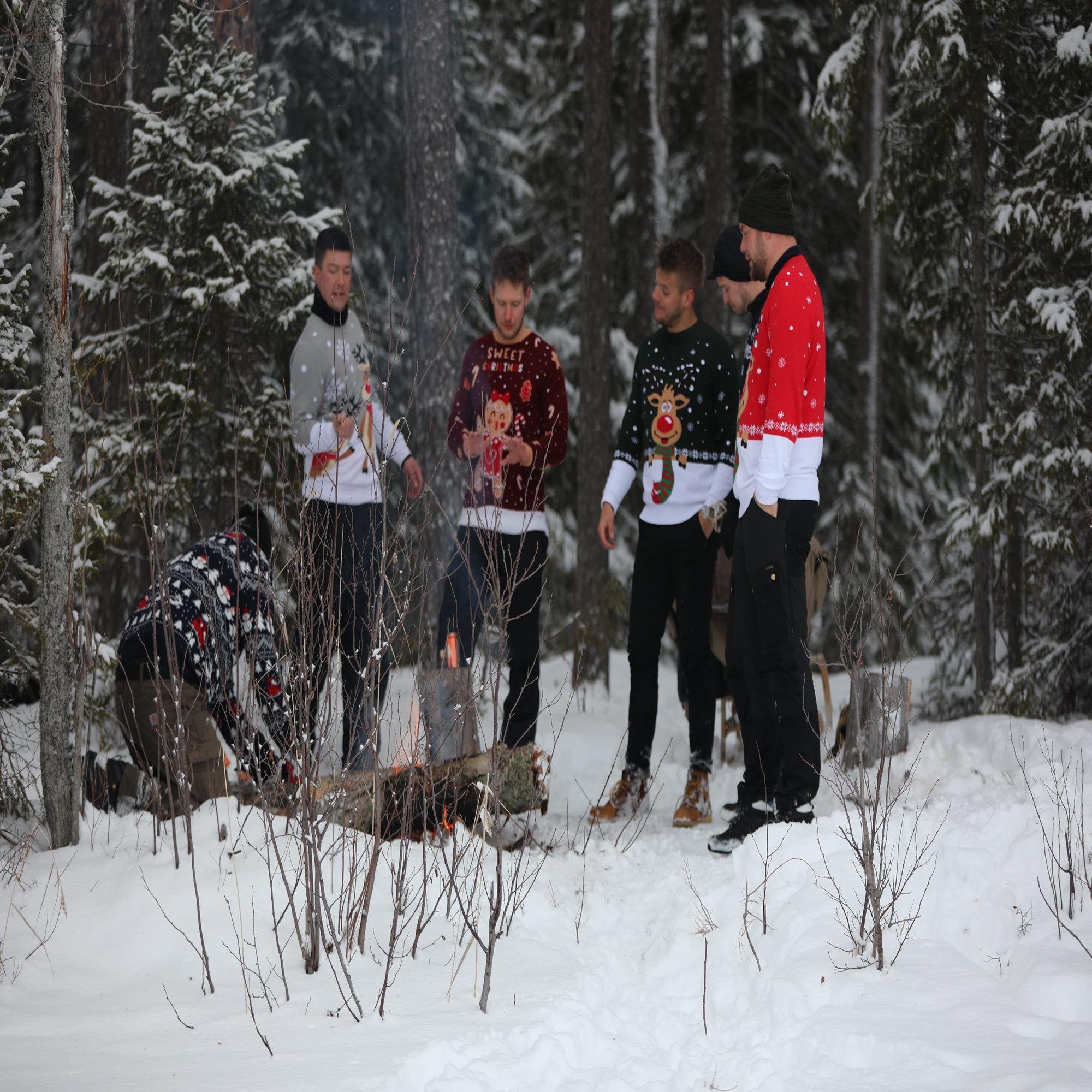
Families decide which evening to gather for the Holy Supper, typically on the evening before their chosen Christmas day, so you will see gatherings on 24 December as well as on 6 January. Mixed households often accommodate relatives by observing both dates, and diaspora communities frequently combine local customs with Ukrainian rituals. At social celebrations, lighthearted traditions such as matching Christmas shirts or an ugly christmas sweater can be an easy way to include everyone and spark conversation about different dates. For families with children, a kids christmas sweater or simple themed pajamas can help make either celebration feel special.
What to keep in mind
Public life now recognises 25 December as the official national holiday in many parts of Ukraine, but cultural sensitivity means asking which date people follow before planning events. If you organise a workplace party or a family meal, consider offering options around both dates or scheduling a neutral gathering that welcomes those who celebrate either day. For quick ideas on festive apparel to bring people together, see selections of christmas shirts and Christmas sweater options for adults and children.
Calendar background
Two calendar systems explain why dates differ across communities. Many church calendars that follow the older calculation mark the nativity on 6–7 January, while communities using the modern civil calendar observe 25 December. The practical result is that families plan their main religious supper and services either on the evening of 24 December or on 6 January, depending on which calendar their parish follows.
Legal and church changes
Recent legal decisions and shifts in church practice have made 25 December the official national date in many contexts. That does not erase personal choices: some parishes and households continue to keep to 6–7 January for liturgy and family rites. Public ceremonies, municipal announcements and many civic calendars now reflect the move to 25 December, but places of worship set their own calendars.
Current practice across communities
What you will see in everyday life is variety that coexists peacefully. Large numbers of people now take part in civic events on 25 December, attend services in parishes that have adopted the modern calendar and hold social gatherings on that date. At the same time, significant communities keep the older liturgical schedule, and many families simply celebrate both dates so relatives with different traditions can join in.
Denominations and calendar choices
Orthodox jurisdictions have been the main custodians of the older observance, though several have aligned liturgical dates with the civil calendar. Greek Catholic, Catholic and many Protestant congregations typically mark 25 December. Within each denomination practice can vary by parish leadership, so checking a local church timetable is the most reliable way to know when major services occur.
Timing and rituals
The Holy Supper, known as sviata vecheria, remains central and typically takes place on the evening before a family’s chosen Christmas day. That means the same sequence of preparation and fasting ends either on 24 December or on 6 January. Traditional elements such as a meatless multi-course supper with symbolic dishes, communal singing and a liturgy at night or early morning retain their importance regardless of the calendar date.
Public observance and services
Civic services and church liturgies now commonly appear on 25 December in many towns and cities, with civic leaders framing events as shared with the wider international calendar. Some parishes continue to schedule the main liturgy on 7 January. When planning attendance, check parish notices or municipal event listings to avoid unexpected date changes.
Practical calendar facts
Key dates to keep in mind are St. Nicholas Day on 19 December in some households, the evening of 24 December for those observing 25 December, and 6–7 January for those on the older calendar. For families coordinating travel, gifts or large meals, the simplest approach is to ask which date relatives follow and to set a clear plan that respects both religious and social needs.
Clothing and communal gatherings
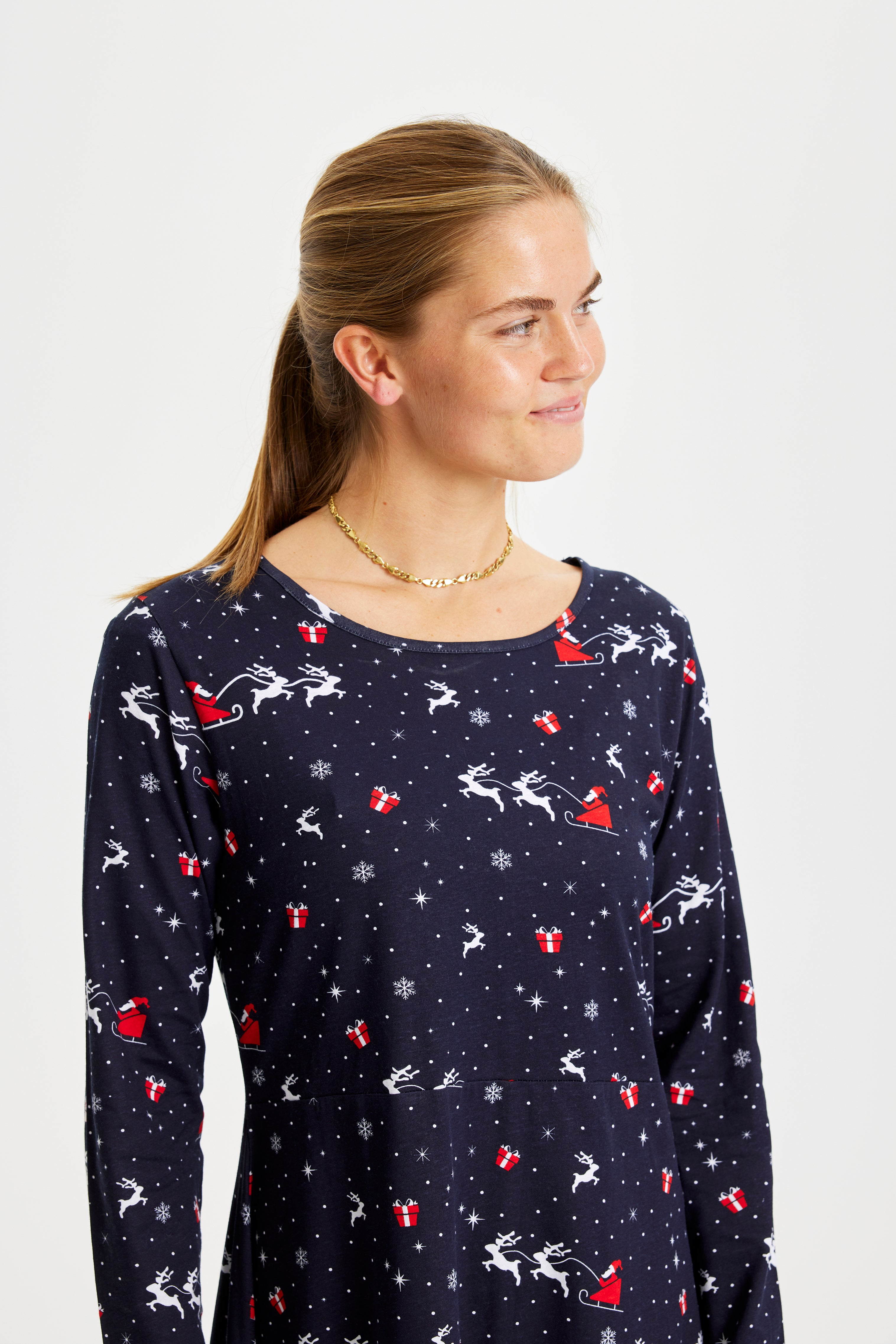
Apparel can help bridge different celebrations and create a shared festive mood. Simple, playful items such as a classic christmas sweater or coordinated christmas shirts provide a lighthearted way to include everyone at mixed family events or workplace gatherings. For children, matching looks can make both celebrations feel equally special and inclusive.
For organisers arranging multi-date events, aim for clear invitations that state which liturgy or supper is being marked, and consider separate informal social gatherings that welcome guests from either tradition. That approach minimises scheduling stress and keeps focus on communal connection rather than on a single calendar date.
How families and communities manage the change
When practical decisions are needed, families find gentle ways to honour different traditions while keeping the evening calm and warm. In mixed households some people observe 24 December and 25 December as their family celebration, while others keep the feast on 6 and 7 January. Many choose to mark one date with a formal church service and the other with a relaxed family dinner, so relatives who prefer different calendars can join at least one gathering. The scent of pine and the smell of fresh baking help tie both evenings together, and the soft crackle of carols creates a familiar soundtrack regardless of the date.
Diaspora communities often adapt beautifully. Ukrainians abroad blend local customs, such as gift-giving on 24 and 25 December, with the Holy Supper tradition known as sviata vecheria. In those evenings you will hear the clink of glasses, the hush when the first star is spoken about, and people passing plates of kutia and beet soup. It is common in these circles to celebrate twice, both to keep homeland traditions alive and to share in the wider holiday calendar of their new country.
Everyday practicalities for organisers and workplaces
Public life in Ukraine now recognises 25 December as the official national date, yet sensitivity matters because many still observe 6 and 7 January. If you are planning a workplace event or a community gathering, start by asking which date participants observe. Consider offering an inclusive social occasion that welcomes those from either tradition. A cosy office party on a neutral evening, with warm lights, seasonal music and a few soft seating areas, can be a simple way to include everyone.
Small details make a difference: state clearly in invitations which liturgy or supper will be observed, provide flexible timing for family visits, and consider a mix of food options for guests who are breaking a fast or who prefer a meatless Holy Supper. Wearing casual festive clothing helps diffuse formality. A worn-in christmas sweater or a pair of christmas pajamas makes it easy to move from a liturgy to a kitchen table without losing the sense of celebration.
Tips for shared celebrations
- Ask gently: check which calendar relatives or colleagues follow before planning big events.
- Plan two moments: one for religious observance and one for social celebration to include everyone.
- Create sensory continuity: use the smell of fir, home baking and familiar carols to link both dates.
- Keep clothing comfortable: soft knits and pajamas encourage relaxed gatherings and easy conversations.
Frequently asked questions
When do Ukrainians celebrate Christmas?
Many Ukrainians now observe Christmas on 25 December following legal and ecclesiastical changes, while historically and for a significant portion of the population the nativity is celebrated on 6 and 7 January. Some families celebrate both dates.
Why are there two different dates, 25 December and 7 January?
The difference comes from calendar systems: the Gregorian calendar places Christmas on 25 December, whereas communities that follow the older church calculation observe the nativity on 6 and 7 January. Local church calendars and family tradition determine which date is kept.
Did the Ukrainian government officially change the national Christmas date?
Yes. In 2023 laws and associated church decisions led to 25 December being recognised as the official national date in many public contexts, while individual parishes and households retain the freedom to follow the older calendar.
Do Ukrainians sometimes celebrate Christmas twice?
Yes. Especially in mixed-faith households and in the diaspora, it is common to have one occasion on 25 December and another on 6 or 7 January, so different relatives can join the celebrations.
When is the Holy Supper eaten?
The Holy Supper, known as sviata vecheria, is eaten on the evening before a family’s Christmas day, typically on 24 December for those observing 25 December and on 6 January for those following the older calendar. The meal traditionally begins when the first star is mentioned.
For ideas on comfortable festive looks that help everyone feel included, consider a soft christmas sweater or a set of christmas pajamas to wear during cosy family evenings. The warmth from the knit, the smell of baking and the low hum of carols will carry the tradition through whichever date you choose to keep.
Also view
15 January 2026
Picture a small family movie night by the tree: soft lights, low conversation and a stack of options for christmas movie recommendatio...