
2 November 2025
Custom Christmas sweaters

Custom christmas sweaters offer a fast way to turn a simple garment into a personal statement for individuals, families and organisations. A made to order piece can carry a name, a logo or a playful motif, and it works equally well as a coordinated outfit for festive photos and as a memorable corporate giveaway.
What custom covers
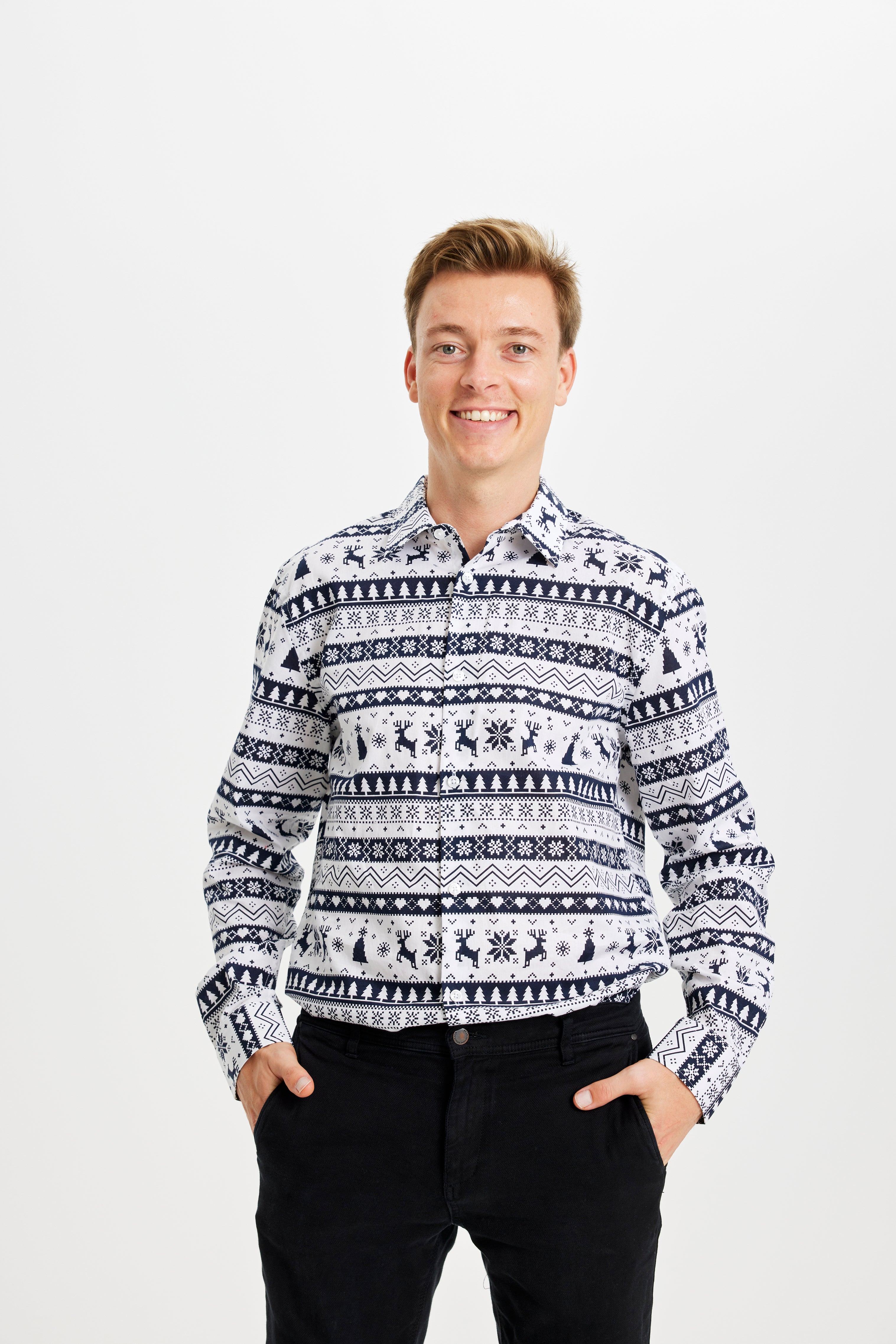
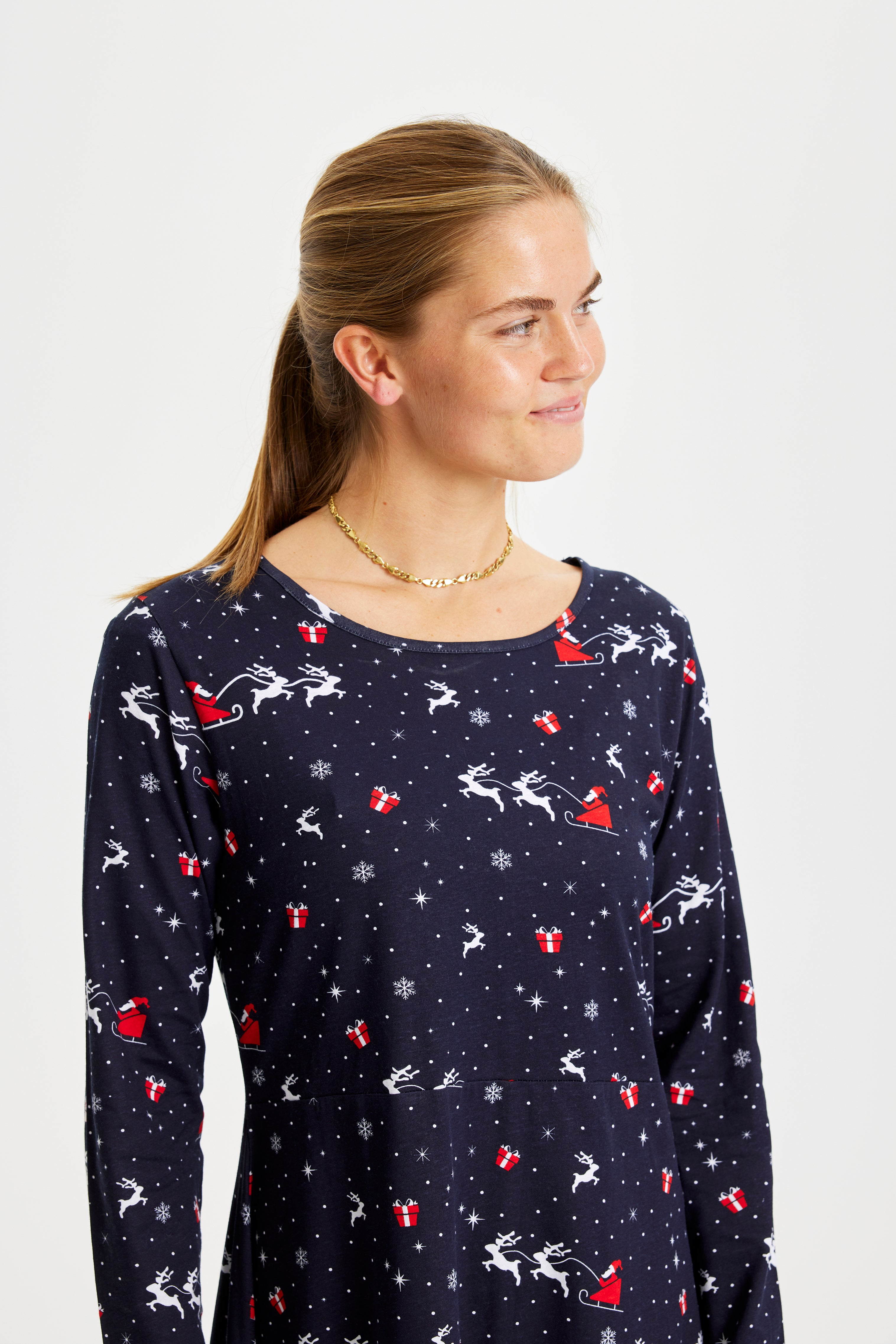
A custom christmas sweater can mean personalised prints, embroidered names or monograms, bespoke knit patterns, matching sets for families and novelty adaptations for pets, couples and teams. Some orders favour full knitted motifs for a traditional look, others choose full-surface prints for photographic detail, while small embroidered elements add a refined touch.
Typical use cases
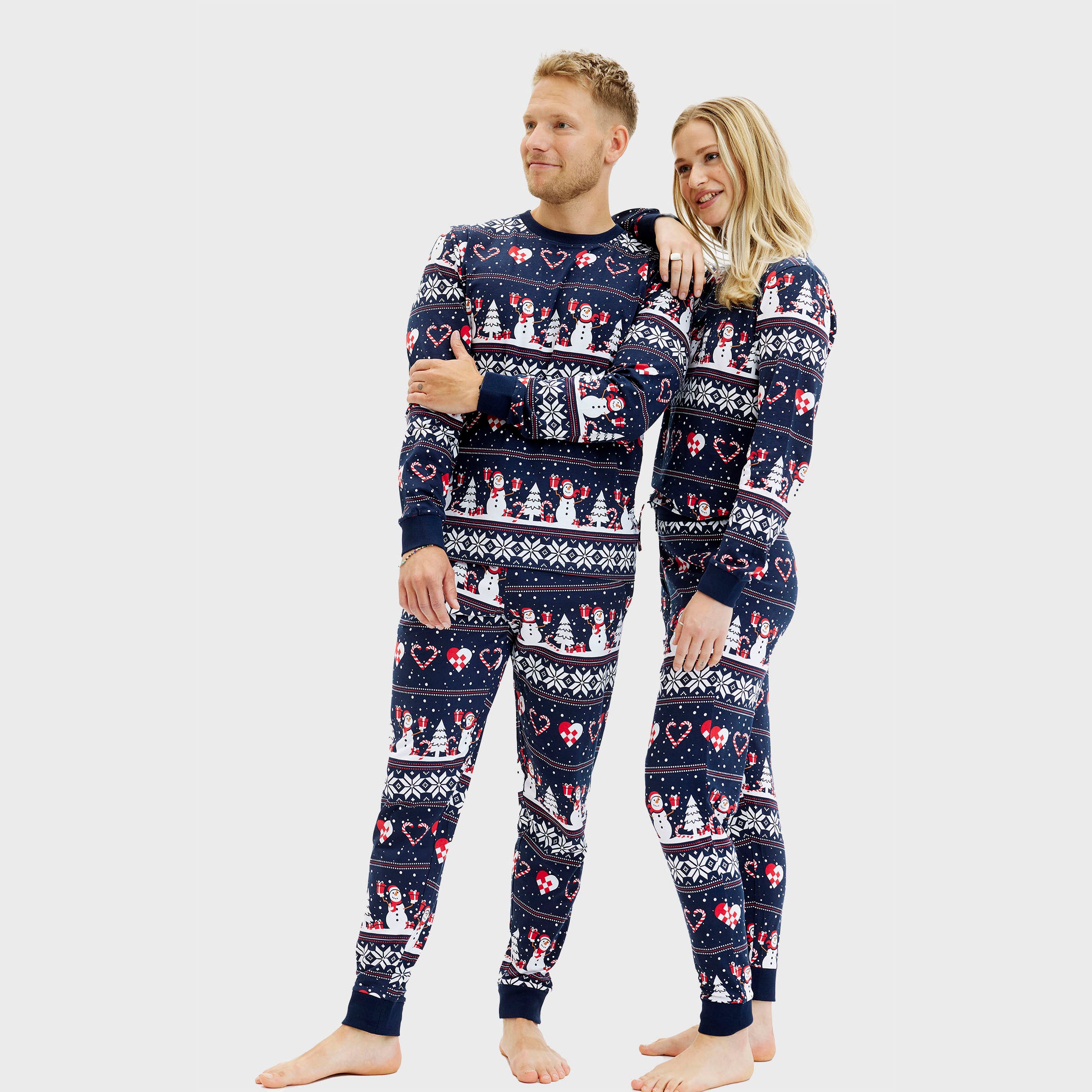
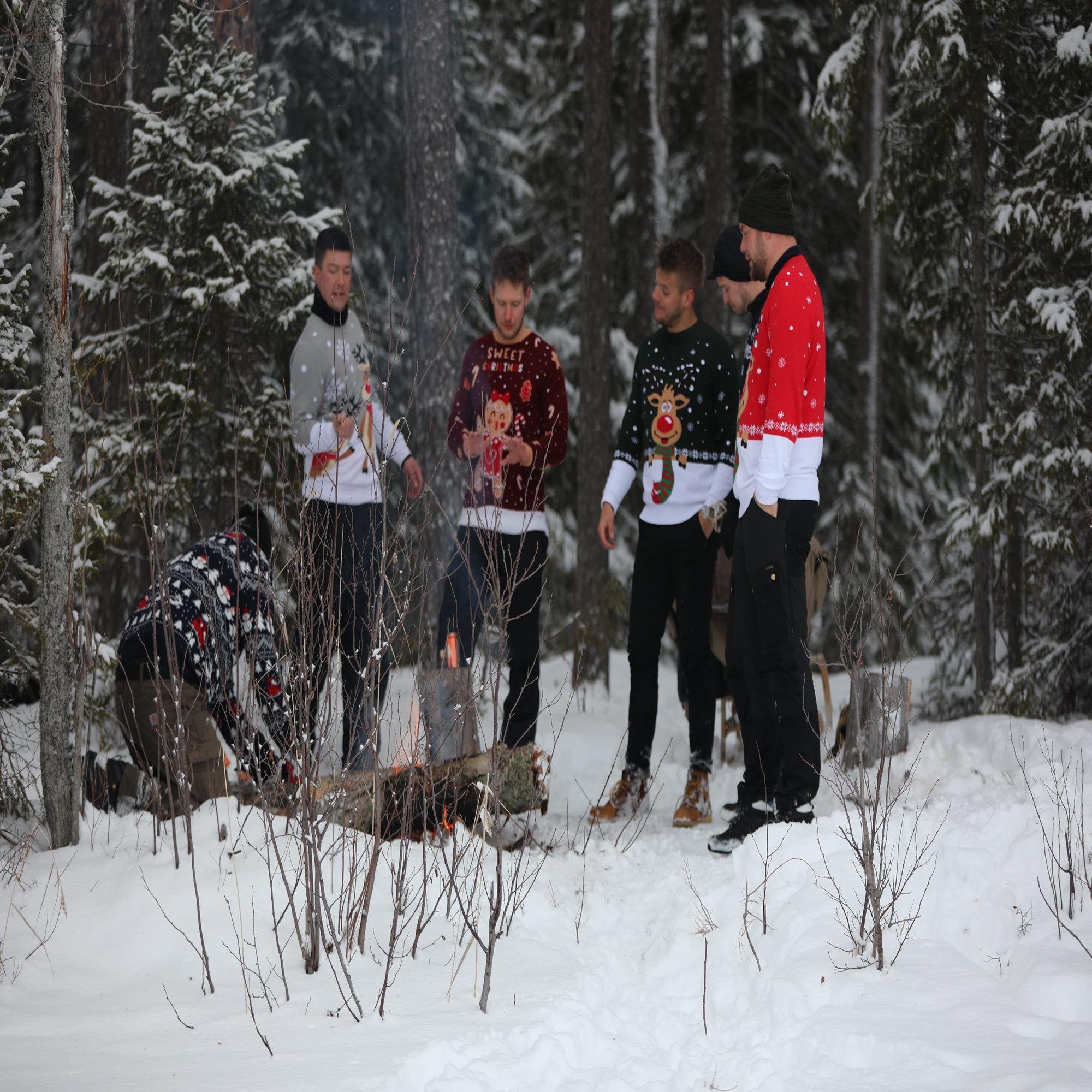
You will see custom pieces used for corporate gifting and brandwear, team and company events, family portraits and holiday photos, unique gift ideas and themed parties. For novelty and humour, many clients opt for an ugly Christmas sweater, while family sets often include matching options such as kids Christmas sweater designs or coordinating pajamas. Businesses looking to outfit many people frequently explore wholesale Christmas sweaters for consistent branding.
Market snapshot and preview
Demand spans private buyers and business customers, and production sits between rapid digital print routes and slower handcrafted knit techniques. Next we will look at customization methods in practice, realistic production timelines, design considerations and practical FAQs to help you choose the right approach for your project.
Customization methods and what they mean in practice
When ordering custom christmas sweaters, the production technique shapes both look and lead time. Choosing the right method depends on desired detail, how many pieces you need and the tactile result you expect. Below are the main approaches and the practical implications for each.
Knit customization
Knit customization uses fully knitted patterns or intarsia to integrate motifs directly into the structure of the garment. Knit pieces deliver a textured, long-lasting finish that reads as handcrafted, and they are excellent for repeat motifs and classic holiday patterns. Expect longer lead times and higher minimum order quantities compared with on-demand printing, and plan for simple colour palettes when motifs must be sharp across many sizes.
Print customization
Print customization covers full-surface digital print and traditional screen print. Digital printing reproduces photographic images and complex gradients, while screen print excels for bold, flat-colour artwork. Print options allow low minimums and fast turnaround, so they suit single gifts or small family runs. Keep in mind that printed areas will differ in breathability and hand-feel from knitted sections, which may affect where you place large graphics.
Embroidery and appliqué
Embroidery and appliqué work well for names, monograms and small logos that require a refined finish. These embellishments communicate quality and are durable when executed correctly, but each added motif increases unit labour and cost. For corporate orders, embroidered logos can elevate a simple base sweater without overwhelming the overall design.
Hybrid approaches
Combining techniques can give the best of several worlds. A knitted base with printed panels or embroidered accents balances texture with photographic detail, and it allows customization of focal areas while keeping production efficient. Hybrid pieces need careful planning so that joins between techniques look intentional and withstand wear.
Production parameters that determine feasibility cost and timing
Several practical variables affect whether a concept is feasible and how it will influence your timeline and budget.
Minimum order quantities vary considerably by technique. Knit runs typically require higher minimums due to setup and machine time, whereas print-on-demand services can produce single items at short notice. Lead times range widely: print-on-demand solutions may complete orders within days, while knitted production for larger volumes commonly spans several weeks to months.
Cost drivers include: Design complexity, number of colours, chosen technique and order volume. Simple monochrome embroidery or small print runs are proportionally cheaper than multi-panel prints or complex intarsia knits. For bulk orders, discussing volume breaks with your supplier can clarify where unit costs fall.
Quality and standards matter for durability and customer expectation. Ask about wash-tested finishes, stitch density for embroidery and approved quality checks before fulfilment. A clear sample stage reduces surprises in full production and helps confirm that the chosen method reproduces your artwork as intended.
Design styles and practical styling notes
Design options span from minimal monograms and family-name layouts to bold novelty motifs and nostalgic patterns. Decide early whether the sweater should read playful, polished or photo-ready, because that choice steers both technique and placement of details.
Size and fit should be specified clearly for bulk orders. Unisex, women’s and children’s cuts fit differently, and oversized silhouettes require different grading for consistency. When mixing sizes for a single order, confirm with your supplier how batches are planned so you avoid mismatches in proportion or motif placement.
When preparing visuals for a brief, consider adding a small comparison chart that lists each customization method alongside typical minimums and lead times to make internal decisions easier. For inspiration on novelty options and quick-turnaround prints, explore funny christmas sweaters, or if you plan a large corporate run, review wholesale christmas sweaters to understand bulk logistics and options.
Final practical tip
Start with a prototype whenever possible. A single approved sample validates colour placement, fit and embellishment scale before you commit to a full order, and it gives a realistic reference for approving production batches.
Practical workflow for ordering custom Christmas sweaters
When the pine scent fills the house and the kettle hums with simmering gløgg, planning a custom christmas sweaters order can feel as cozy as the first sip of a warm drink. Treat the process like preparing for a festive gathering: a little planning up front, a small sample to test the mood, and then the full celebration when the boxes arrive. Below is a clear step by step outline to guide you from idea to delivery.
Step 1. Concept and moodboard
Collect imagery, colour swatches and short notes about the feeling you want. Think about the sound of Christmas music you associate with the design, the warmth you want the knit to give, and whether the piece should read playful, photo-ready or subtly branded. Include examples of fonts, logo placements and any special requests for matching sets or pet adaptations.
Step 2. Artwork preparation essentials
Artwork preparation essentials: Recommended file formats include high resolution PNGs or TIFFs for prints, and vector files such as EPS or SVG for logos and embroidery. For photographic prints aim for 300 dpi at final print size. Provide exact colour references when colour matching matters, using Pantone values or clear RGB/CMYK notes. If embroidery is used, supply simplified vectors with clear stitch paths to ensure clarity in small motifs.
Step 3. Sample and approval
Request a physical prototype whenever possible. A tangible sample lets you feel the yarn, test the fit and check how motifs sit across seams. Typical sample turnaround ranges from a few days for printed items to several weeks for knitted prototypes. On the sample, check colour accuracy, stitch quality, fit across sizes and label information. A quick wash test can reveal how prints and stitches react to laundry, and that knowledge avoids surprises later.
Step 4. Production
Once the sample is approved, production begins. Production times vary with technique, volume and materials. Print-on-demand runs can be completed rapidly, while bespoke knitted production requires longer lead times. During production, maintain regular check-ins for progress photos and quality updates, and confirm packaging and labelling details so delivery looks as thoughtful as the garment itself.
Step 5. Quality check and shipping
Before dispatch, perform a final quality check: examine seams, verify artwork placement and ensure labels match agreed care instructions. When planning logistics remember that bulk freight moves on a different timeline than individual parcel fulfilment. International shipping adds customs time, and holiday peak periods can extend transit significantly. Factor seasonal congestion into your target delivery date to avoid last minute rushes.
Checklist for your purchase brief
- Intended use and desired look, for example photo-ready or humorous.
- Target delivery date and any event deadlines.
- Sizes and quantities per size, and preference for unisex or gendered cuts.
- Chosen customization method or hybrid approach.
- Preferred materials and any sustainability requirements.
- Artwork files and explicit colour references.
- Sample approval milestones and expected sample turnaround.
- Packaging, labelling and any gift-ready requests.
As you finalise the brief, imagine the moment the sweaters arrive: the soft warmth of the knit, the faint scent of the storage box mingling with the smell of baking, and the instant photo op when everyone slips into a cozy christmas sweater or matching christmas pajamas for the evening. These sensory details help keep the project grounded in the joy it is meant to create.
Frequently asked questions
What customization methods are available and how do I choose?
Options include knit, print, embroidery and appliqué. Knit offers texture and durability, print allows photographic detail and fast turnaround, and embroidery delivers a refined accent. Choose based on your look, budget and timeline.
How long does a custom order usually take?
Typical ranges are: print-on-demand within 24 hours to two weeks, embroidery and small-batch printing one to four weeks, and bespoke knitted production four to twelve weeks or more depending on volume.
Are there minimum order quantities?
Yes. Knitted bespoke runs generally require higher minimums. Printed and on-demand services can often accept single-item orders.
What should I check on a sample?
Verify colour match, print or stitch quality, fit across sizes, correct labels and how the piece holds up after a wash test if possible.
Can I mix sizes and formats in one order?
Yes. Mixing sizes and formats is common. Confirm with your supplier that the chosen production method supports mixed-size batching to ensure consistent motif placement.
Also view
15 January 2026
Picture a small family movie night by the tree: soft lights, low conversation and a stack of options for christmas movie recommendatio...