

29 January 2026
How Christmas is celebrated in France

Across France the season blends long family Réveillon meals, regional rituals and lively public festivities that together set the pace of Christmas celebrations. The balance between an intimate feast and street markets gives each town its own rhythm and gives visitors plenty to see and taste.
Main dates and public rhythm
The two anchor days are the evening of 24 December, when the Réveillon often takes place, and 25 December, Christmas Day. Many shops and municipal services close for part or all of 25 December, while markets and illuminations run through December with extended hours in the evenings in larger cities.
Core themes that shape celebrations
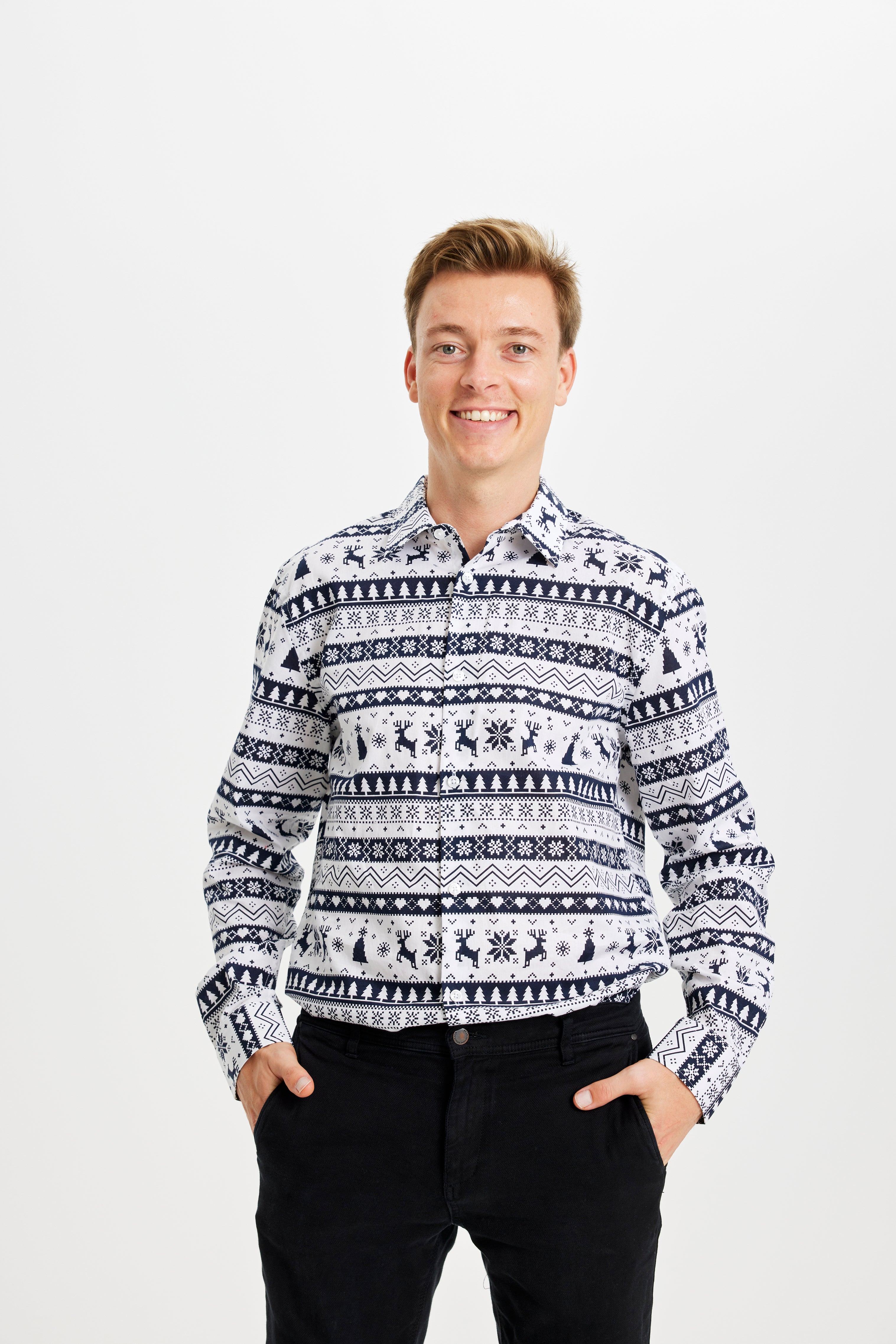
Food centred family gatherings are the social focal point. Families come together for a multi course Réveillon that can run late into the night, sometimes following midnight mass. It is common to see relatives gathered around a favourite Christmas sweater or sharing small gifts in comfortable homewear as the meal winds down. At the same time regional customs and public events give each area its own character, from detailed nativity scenes to Christmas markets and festive illuminations that draw neighbours into town squares. Playful outfits are part of the fun too, and many enjoy an ugly Christmas sweater at office parties or market strolls.
Regional diversity at a glance
Provence stands out for santons and the 13 desserts, Alsace and Grand Est for historic markets and lights, and major cities for grand window displays and varied public programming. Overseas territories bring local music and flavours into church services and meals. Whether you plan a late Réveillon or a morning gift exchange, simple additions like matching Christmas pajamas can make family moments feel a little more special.
Réveillon and its festive menu
Across many homes the Réveillon is a long multi course banquet that anchors the evening of 24 December. Common plates that appear across regions include foie gras, oysters, smoked salmon and other shellfish, followed in some families by roast poultry with chestnuts. The meal often stretches late into the night and can follow a midnight service or begin after a late family gathering. For dessert the bûche de Noël remains a focal item, a cake modelled on the traditional Yule log and now decorated with creams, chocolate and seasonal motifs that range from classic to playful.
Provence and its distinctive rituals
Provence offers a set of customs that feel particular to the region. Small hand painted terracotta nativity figures known as santons populate elaborate cribs in churches and shop windows. Families observe Sainte Barbe on 4 December by sprouting wheat or barley seeds that are kept at home as a symbol of good fortune for the season. The Provençal 13 desserts present a symbolic spread representing Christ and the Twelve Apostles, commonly including dried figs and raisins, almonds and mixed nuts, nougat, candied fruits and local sweets such as calissons. These items are traditionally arranged and shared among relatives at the close of the Réveillon.
Christmas markets and city lights
Markets and evening illuminations are central to public life in December. Town squares host stalls selling crafts, local foods and santons in the south, while cities stage elaborate window displays and boulevard lighting that draw evening crowds. Strasbourg is famous for a large market with roots in the 16th century and towns across the northeast feature spiced biscuits and other baked specialities. In coastal and southern cities markets blend maritime produce with regional crafts, offering a lively route for evening strolls and for sampling seasonal tastes.
Religious services and communal cribs
Midnight mass remains important for many families, although attendance varies by area and personal practice. Parish cribs and nativity plays are common in smaller communities, with town level displays that can be quite detailed and theatrical. In Provence these public cribs often include everyday village figures alongside the holy family, turning the nativity into a fuller portrait of local life. Churches and community halls may also host concerts and carol gatherings that feed into the late evening celebrations.
Gifts and modern adaptations
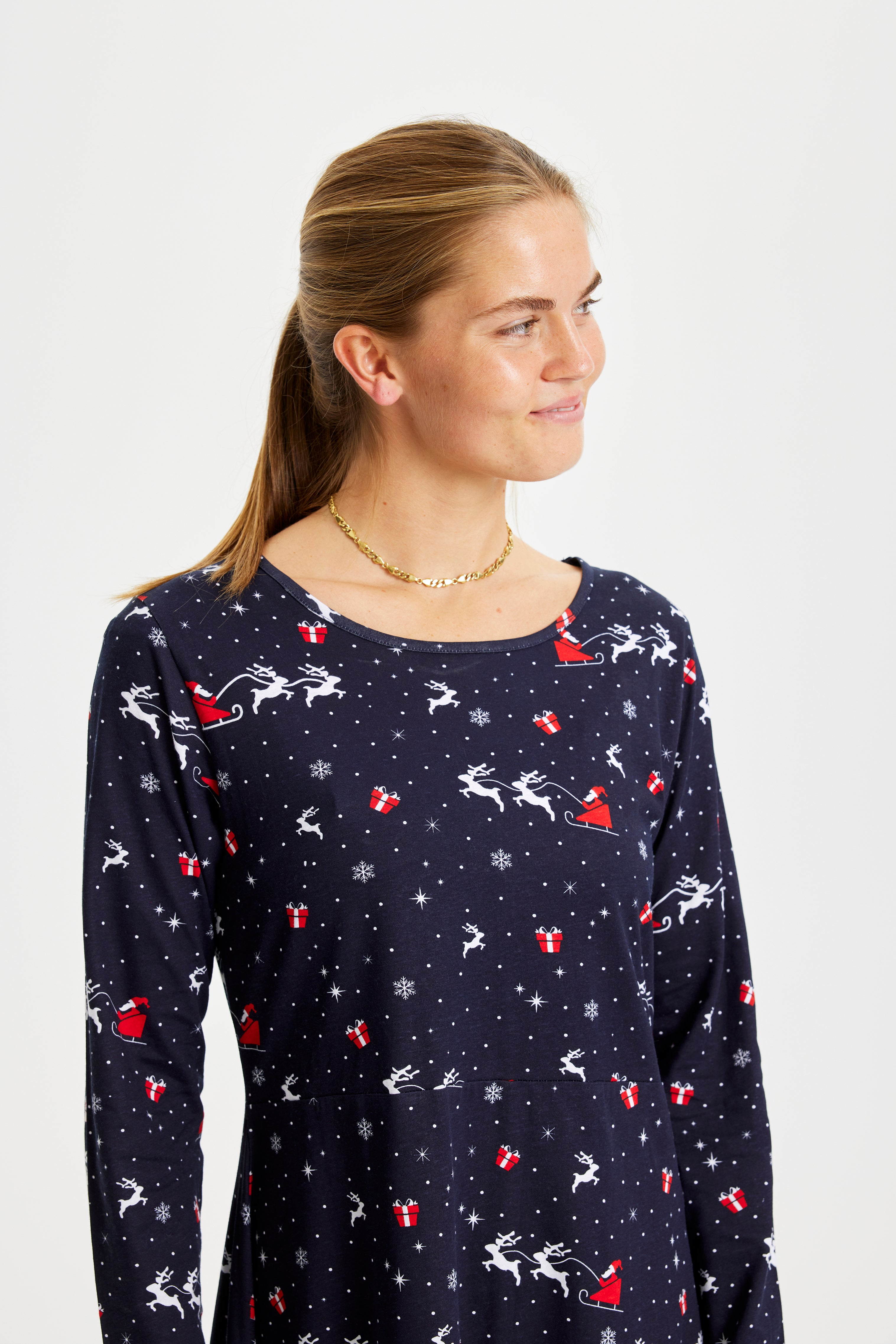
Gift giving takes place either after midnight services or on the morning of 25 December depending on family custom. Contemporary Réveillon menus frequently mix traditional favourites with lighter or international options, and markets have adapted to host more visitors while still showcasing local crafts. For cosy family moments many people choose matching sleepwear for the morning after a late meal, and a good seasonal layer is handy for market visits or outdoor illuminations. If you want a practical layer for a chilly evening consider a classic christmas sweater or matching festive sleepwear like christmas pajamas. For those attending a holiday party a refined option is an elegant christmas dresses women look that pairs well with evening lights and seasonal outings.
Further regional snapshots
There is a comforting variety to how Christmas unfolds across France, with each place offering its own sensory moments. In Alsace and Grand Est the air often carries the scent of spiced biscuits and warm alcohol simmering at market stalls. Streets glow with lights and wooden chalets where bakers and artisans sell stollen-like pastries and gingerbread. The Germanic influence is audible in melodies and in the particular shape of some biscuits, giving these markets a distinctive, festive cadence.
Paris and other large cities layer their famous window displays and boulevard illuminations over more intimate family traditions. Evenings here can be a weave of museum concerts, late shopping and quiet dinners that echo regional favourites. Walking under lit avenues, you will notice the warmth of wool against the cool air, the rustle of coats and the occasional chiming of street carols. A cosy Christmas sweater makes those long after-dinner strolls feel like a small ceremony of comfort.
In the overseas territories the season blends metropolitan rites with local colour. Creole music, fragrant spices and seafood dishes can accompany midnight services and neighbourhood fêtes. The sound of drums or a local choir can turn a nativity evening into a lively concert, and boats or seaside markets may replace the alpine images that many picture when thinking of December in France.
Quick regional guide for festive tastes and customs
- Provence. Santons and elaborate cribs. The 13 desserts presented as a generous spread with dried fruits, nougat and calissons. Sainte Barbe sprouts adding a green touch to windowsills.
- Alsace and Grand Est. Historic markets with spiced baked goods and handcrafted decorations. Streets lined with lights and traditions that reflect shared Franco-German roots.
- Paris and urban centres. Grand department-store windows, varied Réveillon menus spanning the nation, and public lighting that invites evening walks.
- Overseas territories. Creole rhythms and local flavours woven into church services and communal meals, often with seafood and island spices.
Modern adaptations and seasonal shifts
Contemporary celebrations blend the familiar with new tastes. Réveillon menus now commonly pair classic items such as oysters and roast poultry with lighter or international dishes, reflecting changing palates and travel habits. Markets have adapted to welcome more visitors while retaining local crafts, and small concerts or pop-up events sit comfortably alongside centuries-old customs. For many, morning after moments are softened by matching sleepwear or relaxed loungewear that keeps the feeling of togetherness going well into the day.
If you plan a chilly evening at a market or a late night concert, consider the little extras that heighten comfort: the scent of pine from a nearby stall, the sound of distant carols, hot drinks warming your hands and a softly knitted layer. A classic Christmas sweater can be just the thing to keep that warm, communal mood intact without fuss.
Frequently asked questions
When do the main French Christmas celebrations take place?
The central gatherings occur on the evening of 24 December, known as Réveillon, and on 25 December. Markets and public illuminations run through December and often have extended evening hours.
What is a Réveillon?
A Réveillon is a long, festive multi course meal held on the night of 24 December or after midnight, often featuring regional specialties and lasting late into the evening.
What are the 13 desserts of Provence?
The 13 desserts are a symbolic Provençal assortment representing Christ and the Twelve Apostles, typically including dried fruits, nuts, nougat, candied fruits and calissons, arranged and shared at the close of the Réveillon.
Are Christmas markets important in France?
Yes. Markets are major seasonal fixtures, particularly in Alsace and many towns, offering crafts, local foods and evening entertainment that draw both locals and visitors.
Is midnight mass still common?
Attendance varies by region and household, but midnight mass remains an important religious observance for many, especially in smaller towns and communities.
How do regional customs differ?
Regions emphasise different traditions: Provence highlights nativity figures and the 13 desserts, Alsace is known for markets and spiced baked goods, and overseas territories bring local musical and culinary elements into celebrations.
Also view

29 January 2026
Christmas often feels like a single festival, but it arrives as overlapping layers: a religious celebration, a set of inherited midwin...