


31 January 2026
How Christmas is celebrated in Italy: Traditions food and family

Stone streets glow with strings of lights, homemade sweets appear on kitchen tables, and nativity scenes share pride of place with family meals: that is how Christmas is celebrated in Italy, in ways that feel both intimate and public. Streets and squares invite slow evenings, while homes gather generations around a long midday feast and playful seasonal outfits.
Quick overview
Expect presepe displayed in churches and shops, a Vigilia focus on fish followed by a large Christmas Day lunch, and regional turns from panettone in the north to cartellate in the south. Key dates from Advent to Epiphany shape public life, local markets and religious services, and many families add a festive touch with a christmas sweater or matching christmas pajamas for Christmas morning.
Seasonal timeline
- Advent (Lead-up to Christmas with local events and markets)
- December 8 Immaculate Conception (Many set up trees and nativity scenes around this date)
- December 13 St. Lucia (Observed in parts of northern Italy with local rituals)
- December 24 La Vigilia (Evening family gatherings and traditional meals)
- December 25 Natale (Main family lunch and common gift exchanges)
- December 26 Santo Stefano (Public holiday for extended family meals and outings)
- January 6 Epiphany La Befana (Season often ends with stockings and Befana celebrations)
Map of the article
Later sections will explore presepe practices, regional festive menus, public rituals like Midnight Mass and markets, and practical notes for visitors. If you enjoy the playful side of gatherings, look out for suggestions on pairing traditional plates with a statement ugly christmas sweater to spark conversation at family dinners.
Presepe and living nativity
The presepe remains at the centre of Italian celebrations, tracing its origins to St. Francis of Assisi’s 1223 nativity in Greccio and evolving into both delicate handcrafted displays and full-scale living re-enactments. Churches, piazzas and private homes often install scenes early in December, with the baby Jesus traditionally placed on the evening of December 24. In cities such as Naples a long artisan tradition supports markets devoted to figurines, while towns like Matera stage immersive living nativity performances that draw local communities together.
Festive menus and regional examples
Meal patterns are remarkably consistent in rhythm even as dishes vary by area: many families observe a seafood-oriented Vigilia on Christmas Eve followed by a lavish midday lunch on December 25. In the south Vigilia often features several fish courses and regional sweets such as cartellate. Central Italy offers its own signatures, with Tuscany highlighting chestnut-based recipes and panforte in some locales, while Emilia-Romagna commonly serves tortellini in brodo as a celebratory first course. In northern and alpine zones richer meat dishes and mountain-influenced preparations appear alongside beloved sweet breads like panettone and pandoro. Torrone completes many menus nationwide as a classic confection.
Gifts and timing
Gift-giving practices vary: contemporary families frequently attribute presents to Babbo Natale and exchange them on the evening of December 24 or the morning of December 25, while older customs remain strong in many places, most notably La Befana on January 6 when an Epiphany visitor fills stockings with sweets or, playfully, coal. St. Lucia is still observed in parts of the north on December 13 with special activities for children. Timing often reflects family preference, so visitors should ask hosts about local customs in advance.
Outfits and playful traditions
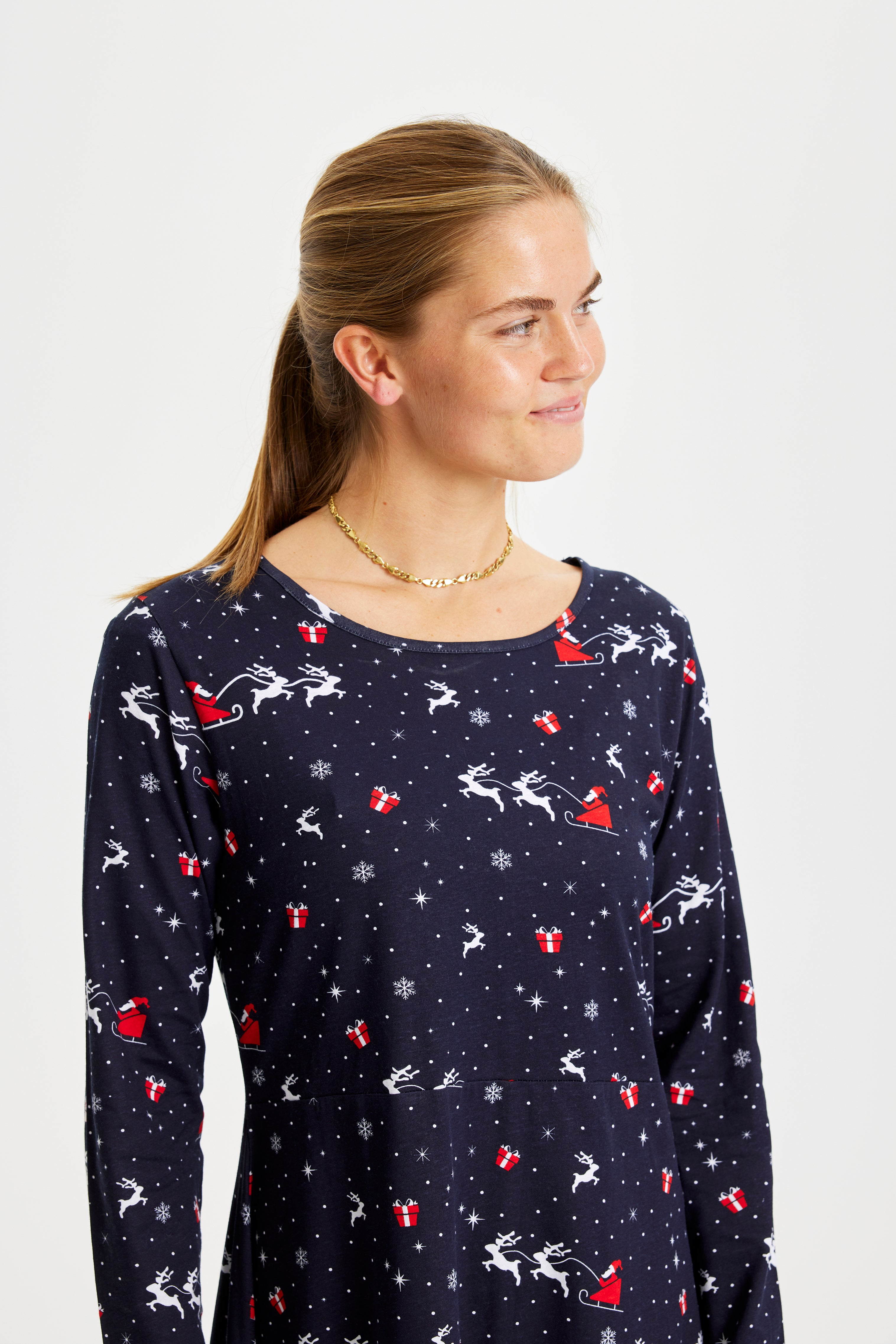
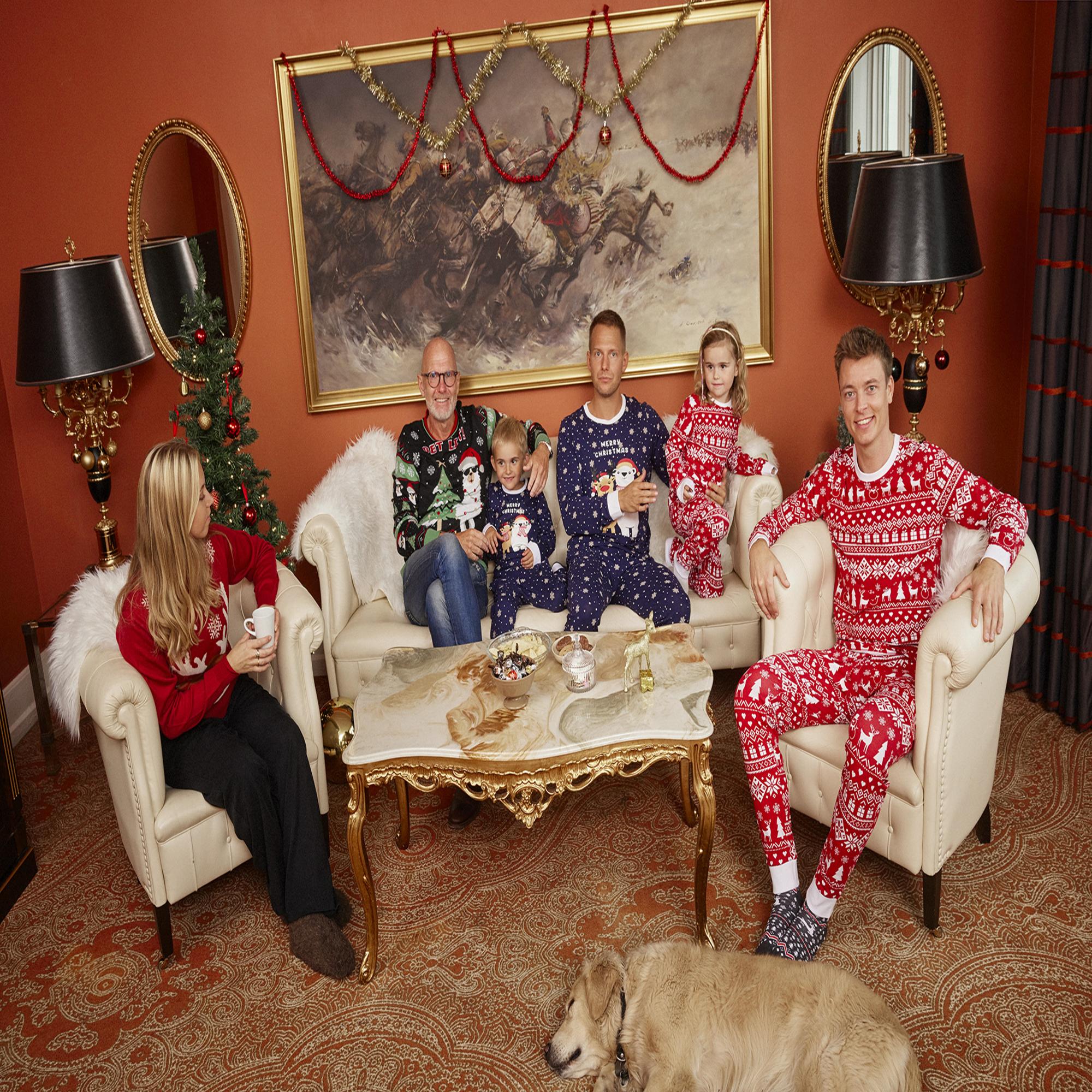
Clothing choices range from formal festive attire at communal lunches to relaxed matching sleepwear on Christmas morning. Many households embrace lighthearted touches—an eye-catching christmas sweater at a family dinner or matching sleep sets for a casual morning reveal can add joviality without overshadowing meal rituals. For coordinated looks consider pairing a statement christmas sweater with matching christmas pajamas for family photos and relaxed gatherings, and include a playful option for younger guests with a kids christmas sweater for stocking reveals.
Markets, Mass and public events
Public life fills with markets, Midnight Mass and processions during Advent and the Twelve Days. Christmas markets combine crafts and regional foodstuffs, making them ideal for sampling local sweets and picking up handcrafted nativity accessories. Midnight Mass on December 24 remains an important observance for many, while living nativity performances and municipal nativity displays keep public squares lively through Epiphany on January 6.
Practical notes and quick calendar
Keep these dates in mind when planning visits or family gatherings: December 8 marks widespread set-up of trees and presepi; December 24 is Vigilia; December 25 is the main family lunch; December 26 is Santo Stefano for extended visits; and January 6 closes the season with Befana celebrations. Whether you are joining a large midday meal, attending a nativity performance or simply enjoying market stalls, a little advance planning helps you connect with local rhythms and appreciate the variety of seasonal customs.
Decorations, street life and local variations
Municipal trees and presepi appear in main squares from early December and often stay until January 6. Walk past a piazza at dusk and you will notice the scent of pine mingling with the smell of warm pastries, the low hum of Christmas music and the glow of lights reflected on stone. In many towns presepi are displayed in churches and shop windows, while some villages stage living nativity performances that fill the night with the sound of footsteps and community song.
City centres tend to combine large illuminated installations, concerts and bustling markets that invite slow walks and tastings. Small towns favour intimate gatherings where a living nativity or an evening procession draws neighbours together and the warmth from thick knitwear is as much a comfort as the hot drink in your hands. If you plan to linger at a market, a soft christmas sweater adds a tactile pleasure to the experience and makes for easy conversation with stallholders and fellow visitors. Consider pairing the evening with comfortable christmas pajamas for a relaxed morning after the festivities by following ideas from our christmas pajamas collection.
Tourism, timing and practical visitor notes
Markets and special exhibitions attract visitors from late November through Epiphany. Many tourist sites offer concerts and themed events during Advent, but public holidays bring reduced shop hours and quieter streets. Keep these dates in mind: December 8 often marks the start of visible decorations, December 24 is Vigilia, December 25 is Natale and January 6 closes the season with La Befana. Plan meals and market visits around these days because some family-run shops close for the major feasts.
Local life balances tradition and modern touches. Midnight Mass remains a touchstone for many, living nativity shows continue to revive old stories in fresh settings, and contemporary customs such as family gift exchanges coexist with age-old observances. The result is a season that smells of baking, sounds of carols and feels like a layered conversation between past and present.
Bringing a cozy touch to your visit
When you join a market stroll or sit down to a long midday meal, small sensory details make the moment memorable: the warmth from wool, the crisp bite of a sweet, the crackle of seasonal music in a distant square. Wearing a christmas sweater can feel like a gentle nod to that shared spirit without overt fuss. For those who enjoy coordinated moments, matching outfits and loungewear create easy photos and relaxed mornings that extend the sense of tradition into a playful present.
Frequently asked questions
When do Italians traditionally put up the Christmas tree and the nativity scene?
Many families set up trees and nativity scenes around December 8, the feast of the Immaculate Conception. The baby Jesus figure is commonly added to the presepe on the evening of December 24.
What is a presepe and where does it come from?
A presepe is an Italian nativity scene depicting the birth of Jesus. The tradition is traced to St. Francis of Assisi’s 1223 nativity re-enactment in Greccio and has evolved into handcrafted displays and living re-enactments across the country.
What do families typically eat on Christmas Eve and Christmas Day?
Christmas Eve often features fish and seafood dishes for many families. Christmas Day centres on a large multi-course lunch with regional pastas, roasted meats or other local specialties followed by traditional sweets such as panettone, pandoro or torrone.
Who brings gifts in Italy and when are they exchanged?
Contemporary gift-giving is frequently attributed to Babbo Natale on December 25. Regional and older customs include St. Lucia observances in parts of the north and La Befana on January 6, when stockings are traditionally filled with sweets or coal.
What is La Befana and how is it celebrated?
La Befana is the Epiphany figure who visits on January 6 to leave sweets or coal in stockings. The day features regional festivities and marks the closing of the holiday season for many communities.
Are there living nativity scenes in Italy, and where are they common?
Yes. Living nativity re-enactments are common in historic towns and rural areas. Places such as Matera and other towns with strong presepe traditions are well known for public living nativity events.
What are the most typical Christmas sweets in Italy?
Panettone, pandoro and torrone are widely enjoyed nationwide, with local variations such as panforte in Tuscany or cartellate in parts of the south.
How long does the Christmas season last in Italy?
The season typically runs from Advent through Epiphany, from late November or early December until January 6, with many markets and displays active throughout that period.
Are public holidays observed during the Christmas period?
Yes. Important public holidays include December 8, December 25, December 26 and January 6, and many businesses have reduced hours on these dates.
Do Christmas customs vary significantly across Italy?
Yes. Customs differ by region and locality, with variations in dishes, saints’ days and public festivities. Regional traditions sit alongside national elements like the presepe and the Epiphany.
What role does the church play in Italian Christmas celebrations?
The Catholic Church is visible through Midnight Mass on December 24, nativity displays in churches and liturgical celebrations that accompany the season’s main feast days.
Where are some well-known places to experience traditional Italian Christmas customs?
Historic centres and smaller towns across Italy showcase presepe craftsmanship, living nativity events and festive markets, offering atmospheric experiences from markets to staged performances.
Also view
31 January 2026
Minimalist impulses and pared-back holidays have become more visible, yet small, symbolic gifts still turn up in the rituals people ca...