


27 January 2026
How do you celebrate Christmas in England?

A family gathers around the roast, laughter punctuated by the snap of Christmas crackers and the clatter of plates as crowns are donned before the first bite. That familiar scene—roast at the centre, stockings at the side and a few mischievous jokes from the crackers—captures how many English households mark the day.
Overview: This piece highlights key customs, typical meals and the main calendar dates that shape an English Christmas.
Short orientation
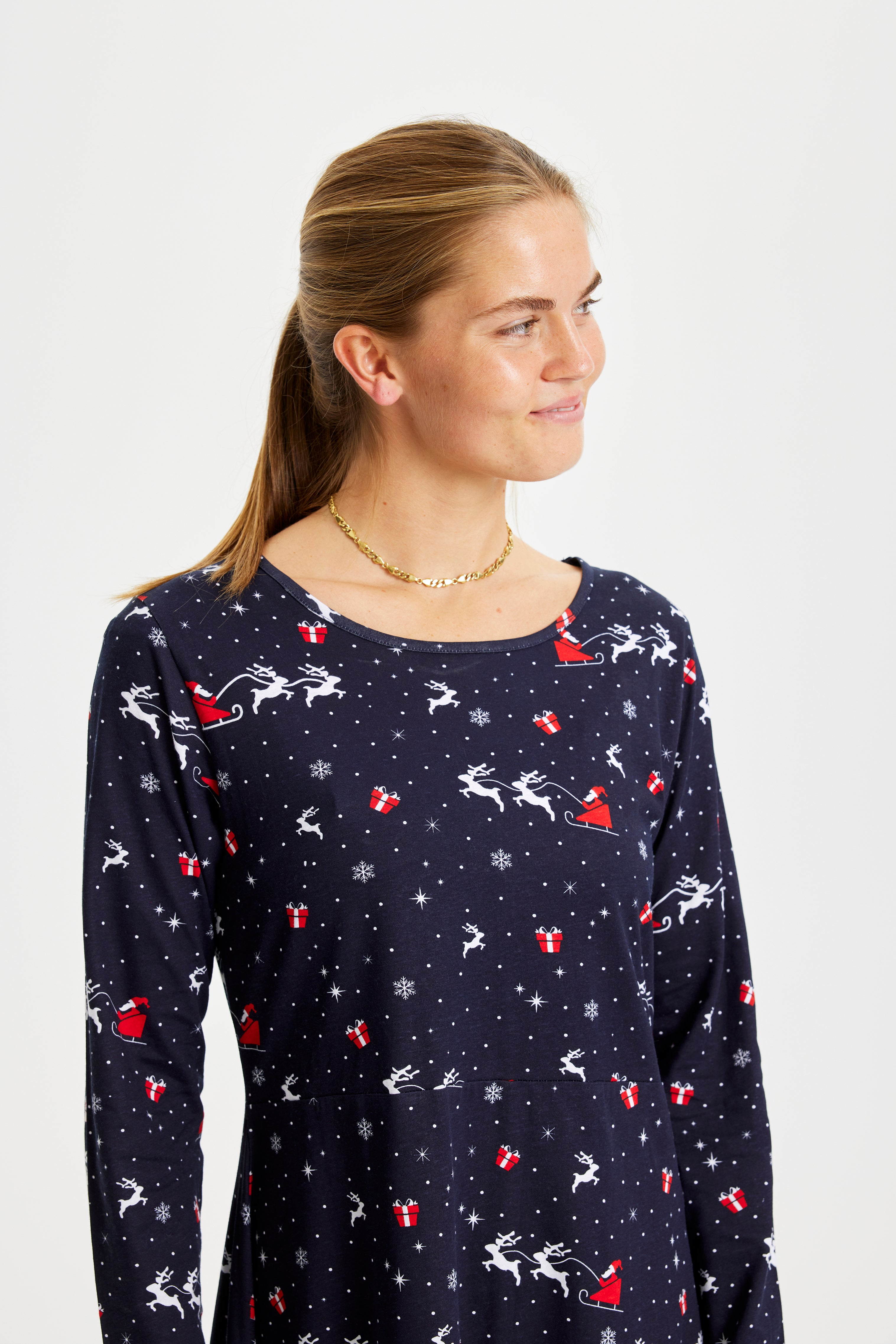
Expect a few recurring elements in many homes: a roast dinner with all the trimmings, Christmas pudding, paper crackers at the table and stockings to open on the morning. Practices vary by household, region and family tradition, so you may find some tables with turkey and others with goose, and some celebrations that lean more on church services while others stay firmly secular. Dressing up is part of the fun too, from matching matching christmas pajamas for a relaxed morning to an over-the-top ugly christmas sweater at a work party.
- Typical food items: roast meat, roast potatoes, seasonal vegetables, Christmas pudding and mince pies
- Popular decorations: a Christmas tree, mistletoe for the traditional kiss, holly and festive cards
- Main calendar days: Christmas Eve, Christmas Day, Boxing Day and Twelfth Night
Whether you prefer a quiet morning in cosy loungewear or a boisterous table with crackers and crowns, English celebrations make space for both family rituals and public traditions, and many people add a festive Christmas sweater to complete the look.
Pynt og symboler
Pynt spiller en central rolle i mange hjem, fra et pyntet juletræ til mistelten og kristtjørn på dørkarmen. Traditionen med et kys under misteltenen er fortsat udbredt i sociale sammenkomster. Julekort har en fast plads på kommoden eller i vinduet, og strømper hænges ofte ved pejsen eller i fodenden af senge til små overraskelser om morgenen.
Gaver og timing
Gavegivning foregår typisk samme morgen som selve højtidsdagen, hvor større gaver åbnes på julemorgen, mens småting og strømpegaver kan dukke op tidligere. I populærkulturen er Father Christmas den velkendte figur, og mange familier følger en enkel regel: gaver placeres under træet og deles, når familien samles ved bordet eller i stuen.
Julemåltidet
Selve middagen er ofte dagens højdepunkt. Den mest almindelige hovedret er kalkun, men nogle vælger også gås eller andre stege. Tilbehør inkluderer sprøde ovnristede kartofler, sæsonens grøntsager, brun sovs, fyld og tranebærkompot. Til dessert er Christmas Pudding en klassiker, en frugt- og krydderipudding der ofte tilføres spiritus og flamberes ceremonielt før servering. Mince pies er populære som småkager gennem hele sæsonen.
Christmas crackers
Et fast indslag ved bordet er Christmas crackers, små papirrør som to personer trækker i hver ende. Når røret går op, kommer en papkrone, en vittighed eller spådom og en lille gave frem. Crackers skaber et let og festligt øjeblik ved hver tallerken og er også et godt samtalestykke mellem gæsterne.
Musik, salmer og kirke
Musik hører højtiden til, fra velkendte salmer i kirken til fællessang i lokalsamfundet. Mange deltager i gudstjenester juleaften eller julemorgen, mens andre vælger at markere dagen uden kirkelig deltagelse. Carol singing findes både som organiserede arrangementer og i lokale kor, og det er almindeligt at høre klassiske julesange i hjemmet eller på vejen til familiemøder.
Offentlige traditioner og udsendelser
Der er også faste offentlige elementer i løbet af dagen, herunder en årlig kongelig eller statslig udsendelse der bliver fulgt af mange som et kort indslag i eftermiddagen. Det offentlige rum skifter karakter, fra stille morgener i boligområder til travle butikker og arrangementer senere på dagen.
Boxing Day og dagene efter
Den 26. december er en særskilt fridag for mange, med egne vaner og aktiviteter. Boxing Day bruges ofte til at besøge slægtninge, tage på ture til teater eller zoo, deltage i sportsbegivenheder eller shoppe i sæsonudsalg. For familier kan det være en dag til at fortsætte samværet uden det formelle middagsprogram fra dagen før.
Sæsonens mad og drikke
Alkohol indgår i flere traditionelle opskrifter, især når desserter som Christmas Pudding tilføres spiritus. Andre sæsonfavoritter er varm gløgg eller mulled wine og diverse kager og konfekt, som serveres til kaffe eller som små snacks gennem dagen.
Tøj og festligt udtryk
Tøjvalg spænder fra afslappet nattøj og matchende familietøj til mere formelle kjoler eller festlige sweatre. Mange vælger et enkelt outfit til morgensamlingen og skifter til pænere tøj til middagen. Hvis du vil supplere et festligt look, kan du finde en klassisk Christmas sweater eller vælge hyggelige valgmuligheder som matching christmas pajamas til familiens morgen.
Timing of the festive days
The sequence from Christmas Eve to Twelfth Night shapes the rhythm of the season. Christmas Eve is often for last-minute preparations, quiet reflection and small gatherings; some people attend an evening service, while others set the table and hang stockings ready for the morning. Christmas Day itself centers on the main meal and the unwrapping of gifts, with moments of laughter and the familiar pop of Christmas crackers at the table. Later in the afternoon, many pause to listen to the annual royal or national broadcast as a gentle marker of the day. Boxing Day on 26 December is a public holiday focused on visits, outings and sport, and the season traditionally winds down with Twelfth Night or Epiphany on 6 January.
Who participates and how
Household celebrations remain the heart of English observance. Most gatherings bring together immediate and extended family for a sitting-down meal, a walk in crisp air or a trip to local attractions. Community activities such as carol services, local choirs and charity events draw people together beyond the home. Church attendance is important for some, offering familiar carols and candlelit services, while others keep the day secular and centred on family and food.
Modern changes and contemporary practices
Media and international tastes have broadened what appears on the festive table and beneath the tree. While turkey and Christmas pudding remain iconic, menus now often include varied mains and international sides. Decorations reflect both tradition and trend: timeless evergreens sit alongside contemporary lights and themed displays. Informal gatherings and themed parties have grown in popularity, and many households mix classic elements with new favourites. The warmth and crackle of a knitted garment or a soft pajama set still plays a part in creating cosy moments at home, whether you prefer a classic christmas sweater layered over an outfit or an early-morning cup of tea in matching christmas pajamas.
Small traditions and seasonal pleasures
Beyond the main events there are subtle, sensory pleasures that make the season memorable. The smell of pine from a newly trimmed tree mingles with the warm scent of roast and spices. The sound of a cracker snapping, the rustle of wrapping paper and the glow of candles or fairy lights create a comforting atmosphere. Some households keep simple habits that add meaning, such as setting aside a plate for a late visitor, walking together after the meal to enjoy quiet streets, or sharing a favourite tune by the piano.
Regional differences and personal taste keep the season lively. Urban homes may blend late-night sales and public performances with intimate meals, while rural gatherings can linger over long conversations and local customs. Whatever the setting, the best moments are often the informal ones: a cosy corner with a warm drink, the soft texture of a festive knit and the easy rhythm of conversation.
Frequently asked questions
When do people in England celebrate Christmas?
Main celebrations occur on 25 December. Preparations take place on 24 December and public holiday events happen on 26 December. The season traditionally closes with Epiphany or Twelfth Night.
Do people in England have Christmas stockings?
Yes. Stockings or small gifts are common, usually placed by the fireplace or at the end of a bed and opened on Christmas morning.
What is a Christmas cracker?
A paper tube wrapped in decorative paper and pulled by two people. It makes a small bang and contains a paper crown, a joke or fortune and a small novelty gift.
What is Christmas pudding and how is it served?
Christmas pudding is a steamed fruit-and-spice pudding often made with dried fruit and suet or similar ingredients. It is traditionally doused with alcohol and flambéed before serving and is a customary dessert on Christmas Day.
Is Boxing Day the same as a Danish 2. juledag?
Yes. Boxing Day on 26 December is the UK public holiday equivalent to the second Christmas day and is commonly used for family visits, outings, shopping and sporting events.
Do English people sing carols door-to-door?
Carol singing takes place in churches and organised community events, and occasionally door-to-door in local caroling groups, though doorstep caroling is less universal than organised services.
What do people typically eat on Christmas Day in England?
The meal usually features a roast, commonly turkey but sometimes goose or other meats, accompanied by roast potatoes, seasonal vegetables, gravy and stuffing, followed by Christmas pudding and mince pies.
How long does the Christmas season last in England?
Social celebrations peak from late November and Advent through Twelfth Night on 6 January, though many private observances concentrate on late December.
Are there regional differences in English Christmas traditions?
Yes. Variations include main-course choices, local customs and the prominence of specific events, shaped by historical and regional influences.
Are there religious elements to Christmas celebrations in England?
Many traditions have Christian origins and church services remain part of the season for some people, but celebrations range from religious observance to largely secular, family-centered gatherings.
Also view

28 January 2026
Christmas arrives as a season rather than a single moment, filled with public events, home routines and a handful of key days that sha...