
30 December 2025
How do you spell Christmas?

Immediate answer: Christmas (capital C). Pronunciation: /ˈkrɪs·məs/ or /ˈkrɪs·t·məs/. If you ever pause over the spelling, remember that the word looks like two parts fused together: Christ + mas.
Short etymology note
The modern spelling developed as a contraction of the Middle English form meaning “Christ’s Mass,” with examples such as Christemasse gradually shortening to the familiar form. Parallel winter-festival vocabulary exists in other languages, for example Yule and Old Norse jól, which influenced regional names for midwinter celebrations.
Why people ask
Questions about how to spell Christmas often come from four sources: confusion between how the word sounds and how it is written, the common abbreviation Xmas, historic possessive forms, and non-native speakers learning English spelling conventions. Typing errors can also create variants like missing or transposed letters, which is why quick checks are common before sending a message or signing a card.
What follows in this guide
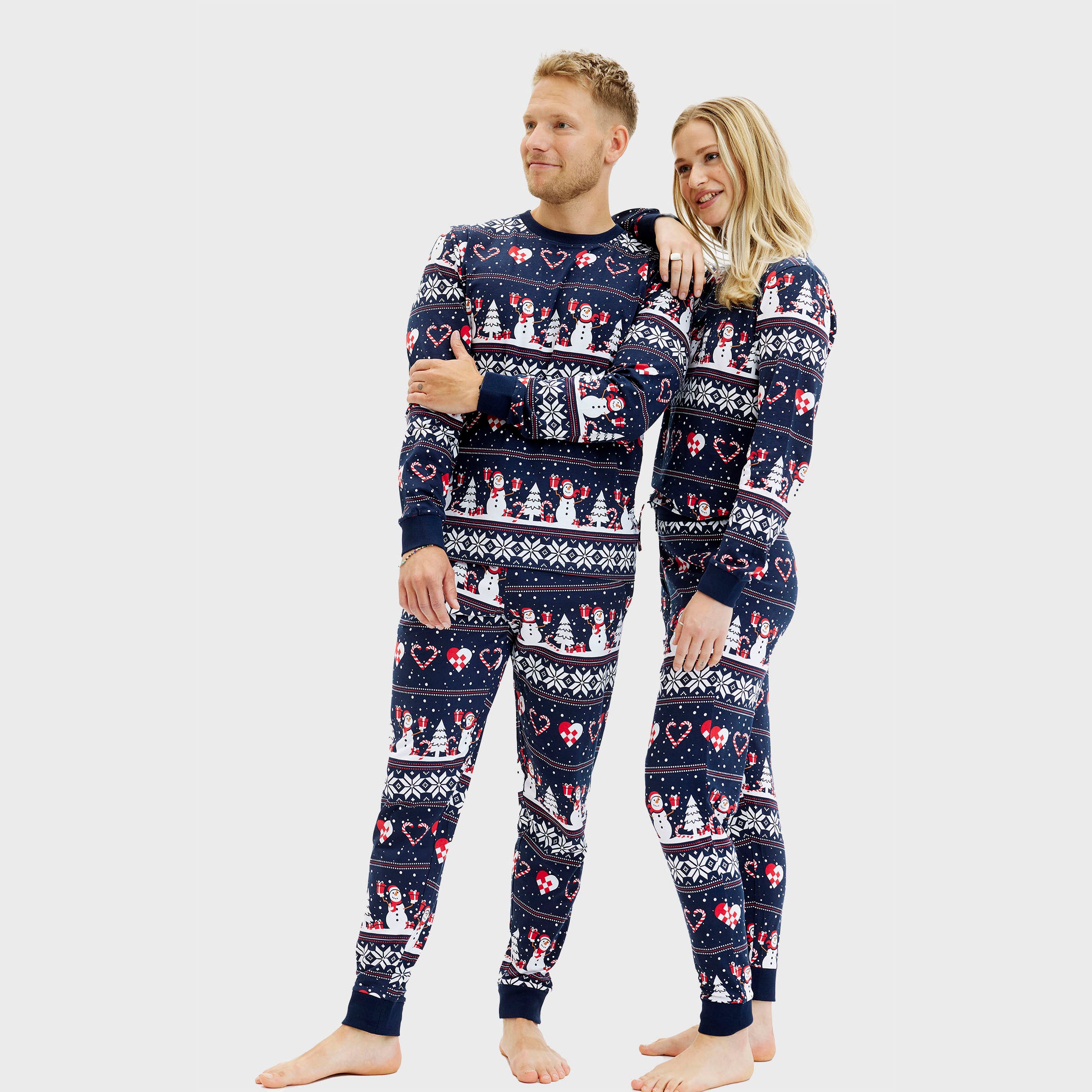
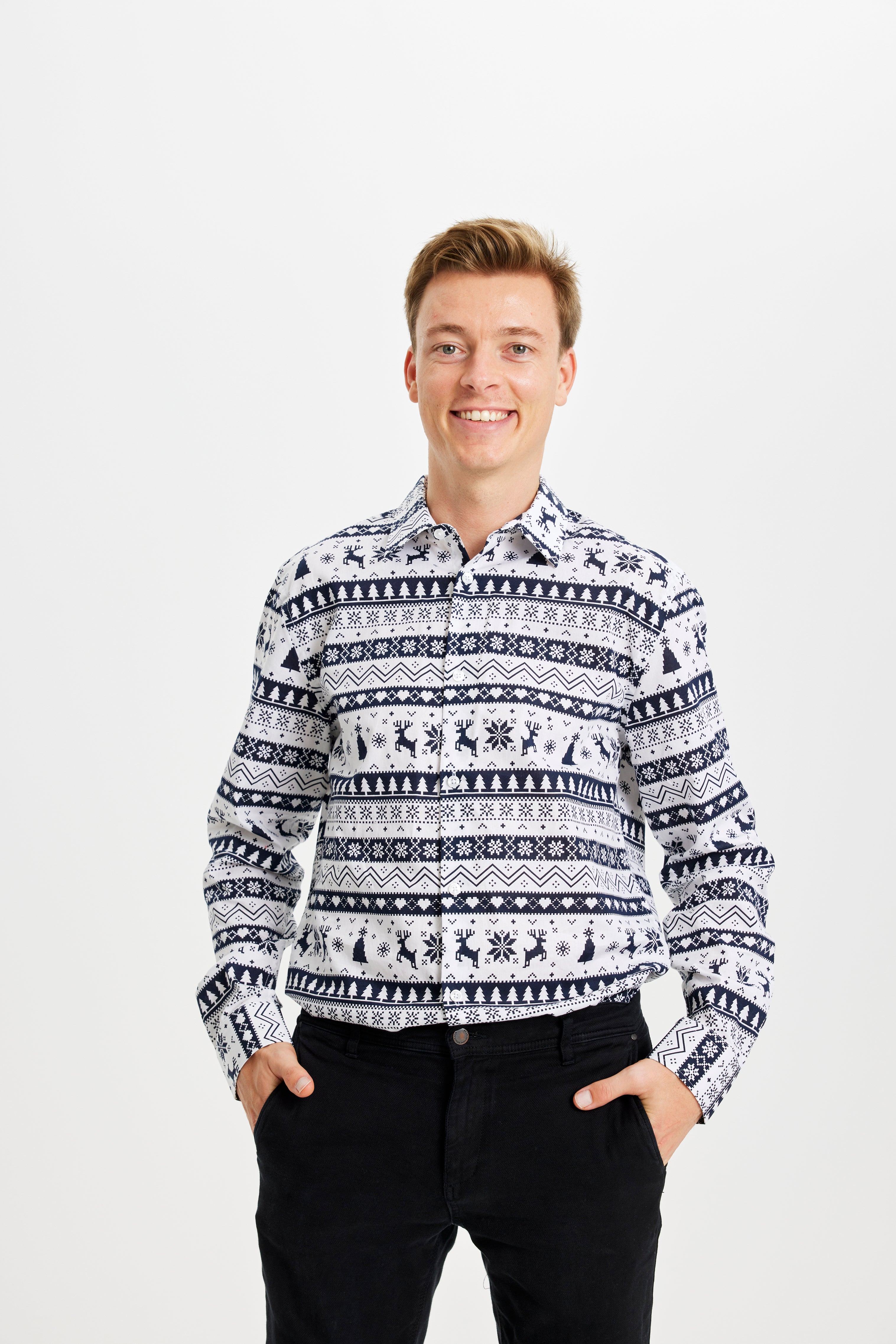
The next sections will cover common variants and their histories, rules for capitalization and apostrophes, plus a small FAQ that answers the basics. If you are preparing for family photos or themed parties, you might find useful options such as a classic Christmas sweater or a playful ugly christmas sweater to match outfits, and there are also choices for younger family members like a kids Christmas sweater for coordinated looks. For more casual layers consider checking christmas shirts and matching pajamas as part of seasonal wardrobe planning.
Etymology and historical forms
The modern word Christmas is built from two elements that merged into a single written form over centuries. The first element is the name Christ, and the second is a shortened form of mass. Early written variants resemble a compound rather than a possessive phrase, which helps explain why the contemporary spelling drops an apostrophe. Alongside this English development, related winter-festival words appear in other languages, for example Old Norse jól and the modern form Jul, which point to parallel naming for midwinter celebrations without changing the English spelling.
Timeline
- Early medieval forms that show separate elements for Christ and mass
- Middle English examples such as Christemasse that demonstrate gradual contraction
- Modern English form Christmas as the standard written word
Abbreviations and alternate forms
One widely seen shorthand is Xmas, which has roots in the Greek letter Chi, written Χ, used historically as a symbol for Christ. Manuscript traditions and early printed texts sometimes used this convention as a space-saving device or a devotional abbreviation, and that practice carried into later informal usage. Other variants that appear in writing include Chrismas, which omits the t, and Christmastide, which refers to the broader season rather than the single day.
Spelling, capitalization and punctuation rules
Proper usage follows a few simple rules that apply across varieties of English. Capitalization: Christmas is a proper noun and is normally written with an initial capital letter. Apostrophe: Despite deriving from a possessive phrase, the modern noun does not include an apostrophe, so avoid forms such as Christ’smas. Plural and possessive forms: Use Christmases to refer to multiple years or occurrences, and form possessives as you would with other nouns, for example Christmas’s traditions or Christmas’ lights depending on the chosen style guide.
Common written variants
- Christmas — Standard and correct for everyday and formal writing
- Xmas — Acceptable for informal contexts, headlines or space-limited layouts
- Chrismas — Incorrect; fix by inserting the missing t
- Christmastide — Correct when referring to the holiday season rather than the day
Quick reference and verification
If you need to confirm spelling at a glance, rely on reputable dictionaries and major style guides. Check entries in well-established dictionaries for the canonical form and consult guides such as those used by major publications when in doubt about capitalization or abbreviation preferences. Built-in spellcheck tools and trusted online dictionary pages also provide fast confirmation.
Practical note for themed clothing and design
When creating cards, banners or coordinated outfits, choose the form that suits tone and space. Full-form Christmas works best for formal messages, while Xmas can be useful on compact designs. If you are assembling a look for a family photo or a party, consider matching items such as a christmas sweater or a set of christmas shirts to keep the presentation cohesive; these kinds of pieces make it easy to coordinate without worrying about space for longer words in graphics.
Further reading
For a quick browse of seasonal apparel that pairs well with your wording choice, see collections for christmas sweater and for christmas shirts to find options that fit the visual style you prefer.
Common misspellings and why they happen
By the time you reach the final lines of a card or the caption for a family photo, small slips in typing or sound-based guesses can turn a familiar word into a puzzle. Frequent errors include Chrismas, Christams, Cristmas and Chrisstmas. The fixes are simple: remember that the word combines the name Christ with the shortened element mas, so the letter t after s belongs there. Often the mistake comes from how the word is spoken, hurried typing while the oven timer ticks, or unfamiliarity with the original components of the word.
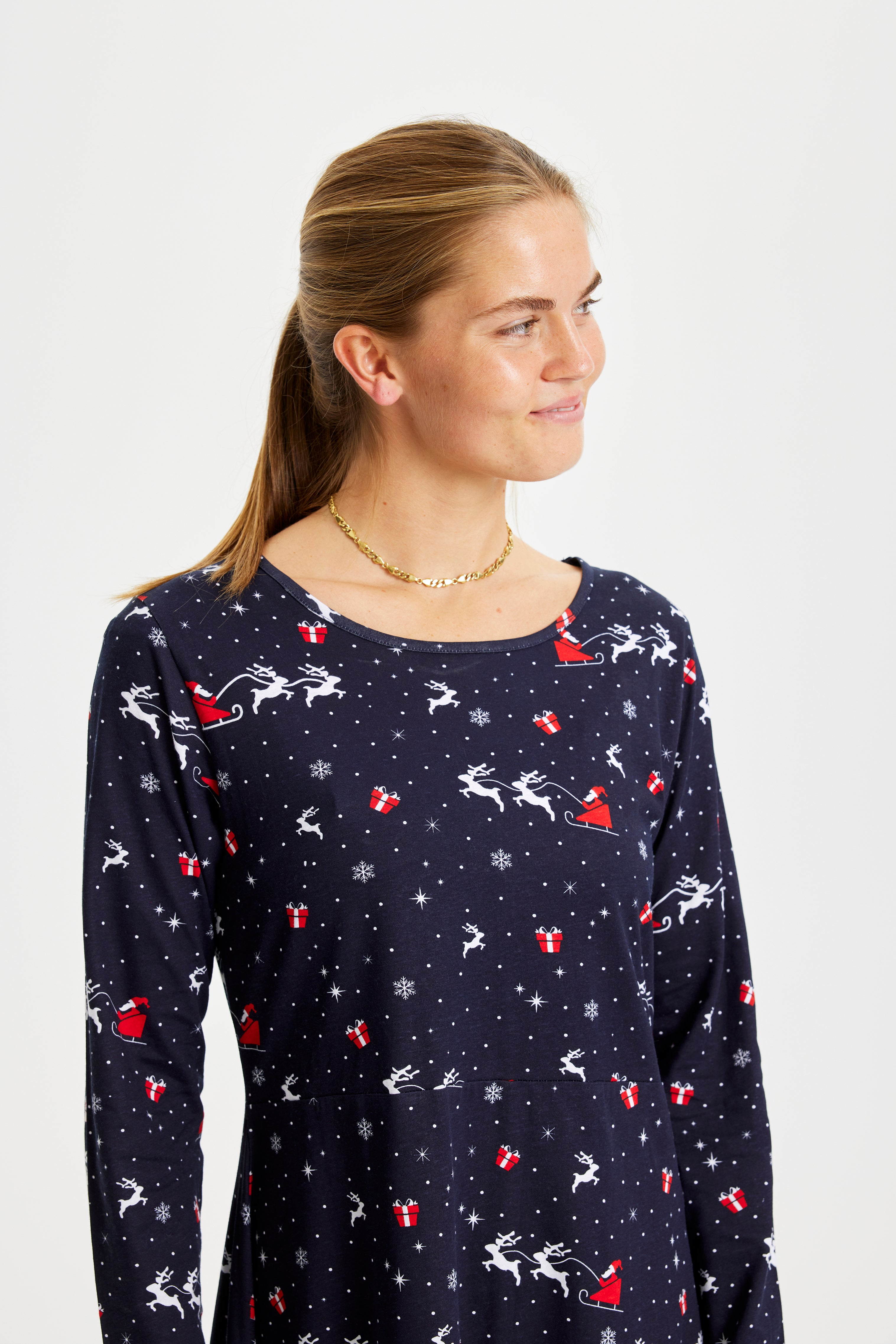
Picture a quiet kitchen, the scent of spice and baking on the air, a radio humming soft carols, and you correcting a note before it goes out. That moment of small attention is all it takes to keep the spelling steady and the sentiment intact. Wearing a cosy Christmas sweater while you write can make the task feel part of the evening’s comfort rather than a chore.
Contextual usage notes
In formal writing and printed greetings, use the full form Christmas with an initial capital letter and no apostrophe. That keeps the tone respectful and clear. In more playful or space-limited designs, such as illustrated gift tags or a compact banner, the abbreviation Xmas is widely recognised and historically rooted. Choose based on audience and mood: a church program or formal invitation usually calls for Christmas, while a quirky card or a minimalist poster might allow Xmas.
For clothing and casual gatherings the choice also leans toward mood. A matching set of christmas sweater and pyjamas brings visual unity to a photo and feels tactilely warm. If you prefer a lighter layer for indoor festivities, consider themed christmas shirts that carry the same cheerful message without taking up much space in a graphic layout.
Practical verification tips
If you want to confirm spelling in a heartbeat, use a reputable dictionary entry or a trusted style guide. Built-in spellcheck tools are handy but sometimes accept common misspellings if they appear frequently online. When composing for publication, cross-check with a major dictionary or the style guide your platform follows. Keep in mind that digital autocorrect and search suggestions can both help and mislead, especially when regional variants or contractions are involved.
When deciding between Christmas and Xmas, ask: Will readers expect a formal tone? Then use Christmas. Is space tight or is the design intentionally casual? Then Xmas is acceptable. For possessives and plurals, follow the conventions you already use elsewhere to ensure consistency across cards, captions or product labels.
Visual extras and small aids
Simple visual helpers make the distinction clear for readers. A short bulleted list titled Top 5 common misspellings — and the one-line fix can sit beside a craft table, alongside the scent of pine and the soft clack of knitting needles. A small timeline from Christes-messe to modern Christmas can add depth to a mantel display without overwhelming the cozy mood.
These touches pair well with tactile elements: the warmth of a knitted sleeve, the soft rustle of wrapping paper, the glow from fairy lights. They invite a gentle curiosity about words and traditions while keeping the focus on shared moments.
Frequently asked questions
How do you spell Christmas?
Christmas with a capital C and no apostrophe is the standard English form.
Is Xmas correct?
Xmas is an established abbreviation with historical roots and is fine in informal or space-limited contexts; use discretion in formal or religious material.
Should Christmas be capitalized?
Yes. Christmas is a proper noun in English and is normally written with an initial capital letter.
Is there an apostrophe in Christmas?
No. Although the word developed from a possessive phrase historically, the modern noun is written without an apostrophe.
What are the most common misspellings and how do I fix them?
Common errors include Chrismas, Christams and Cristmas. Fix by remembering the correct sequence: Christ + mas, so the t follows the s.
How can I quickly verify the correct spelling?
Check a reputable dictionary or style guide, or use a trusted spellchecker. Authoritative references list Christmas as the standard English form.
Also view
15 January 2026
Picture a small family movie night by the tree: soft lights, low conversation and a stack of options for christmas movie recommendatio...