
14 December 2025
How to crochet Christmas ornaments

Handmade Christmas ornaments bring quick, personal charm to your tree and make perfect small projects when time is short. They use up scrap yarn, let you personalise gifts, and create keepsakes that can reappear year after year; many makers also enjoy matching ornaments to their favorite Christmas sweater looks.
Why crochet ornaments
- Quick projects that finish in an evening or two, ideal for last minute crafting.
- Use scrap yarn and tiny leftovers, reducing waste while making unique pieces.
- Easy to personalise with initials, stripes, or beads to make keepsakes.
- Versatile uses: tree décor, package tags, garlands, or tiny gifts for friends and family.
What this guide covers
Short list of the ornament types included: Scandi-style woven heart, candy cane, flat disc bauble, bell, star, and a small gingerbread figure. Materials and abbreviations will be explained, plus beginner tips and common finishing techniques to help you complete neat, durable pieces.
Expected skill levels and time estimates
- Beginner: Basic stitches only (ch, sc, hdc). Typical time: 15 to 45 minutes for flat shapes.
- Easy: Simple shaping and joins. Typical time: 30 to 90 minutes for padded or joined items.
- Intermediate: Amigurumi or multi-piece work with embroidery. Typical time: 1 to 3 hours depending on detail.
Visual aids and followability
Step-by-step photos or short clips make patterns far easier to follow: clear sequence images for start, shaping and joining are especially helpful for beginners. A concise materials list alongside each photo set improves usability, and simple video loops for color changes or tricky joins save time when you learn visually.
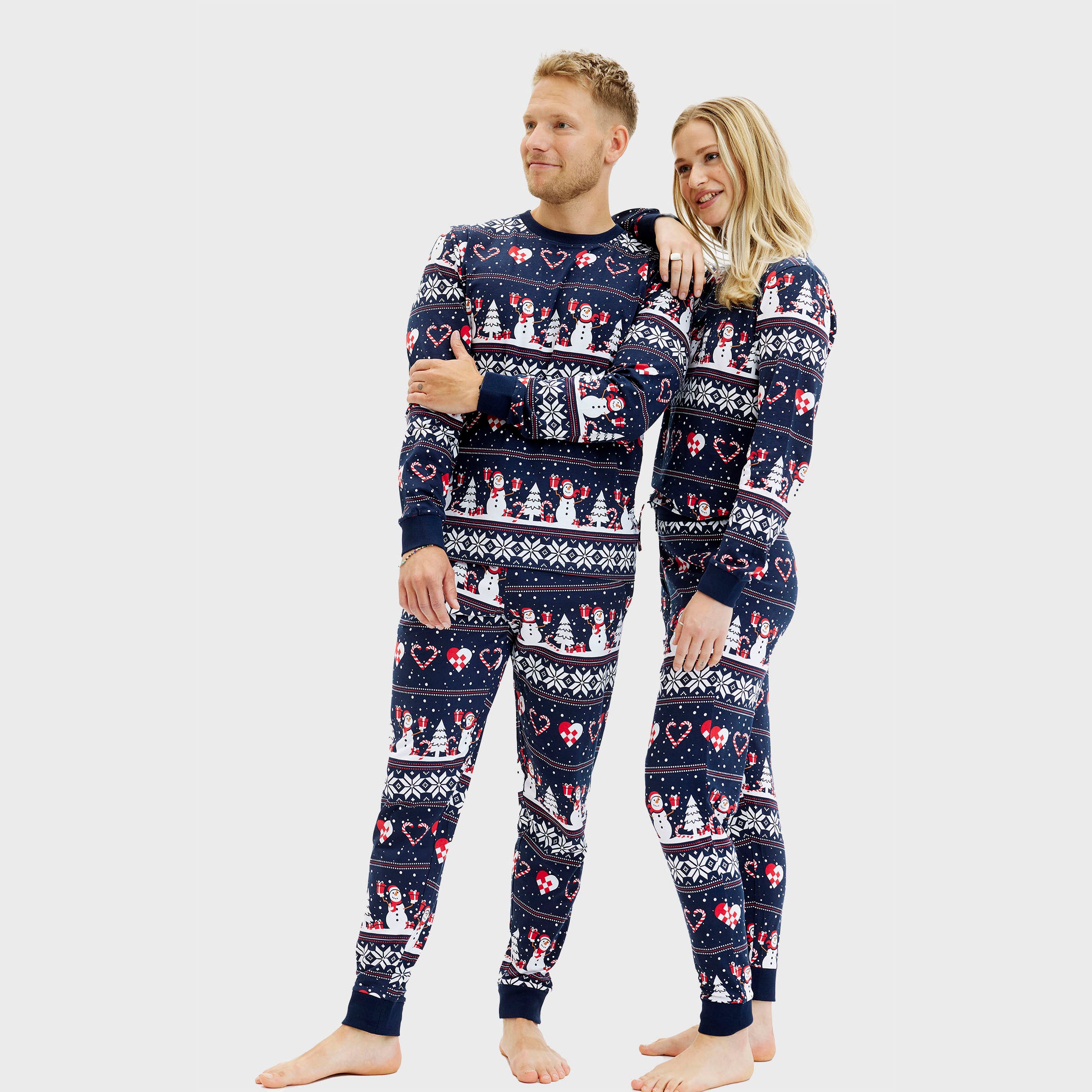
Pro tip: coordinate ornament colours to match a favorite Christmas sweater for a cohesive holiday display. If you like playful pairings, check out a selection of ugly Christmas sweater designs, or choose a subtler look from the Christmas sweater collection to match your handmade decorations. For tree-themed outfits and casual party options consider pairing ornaments with a festive Christmas shirt or sustainable pieces from the sustainable Christmas sweater range when you celebrate with family and friends.
More small ornaments to expand your collection
When the tree fills slowly with hand‑made pieces, the room smells faintly of pine and warm baking while low carols play in the background. Try adding a few tiny motifs that are quick to stitch and full of charm. Mini stockings are worked either flat and folded or in rounds with a contrasting cuff, ready to hang from a branch or to slip over a small candy cane. Tiny mittens are made as mirrored pieces, with a ribbed cuff achieved by front post or back loop stitches for texture. Mini wreaths begin with a simple ring base, then get wrapped with chains and tiny leaf motifs, or finished with a cloth bow for a soft flourish.
Snowflakes and delicate lace ornaments
Snowflakes reward a little patience. Work them flat from a central ring, adding picot points for icy tips, then stiffen and block them for crisp edges. The drying process captures the scent of lemon starch or fabric stiffener as the lace dries into precise points. Use cotton thread for the clearest stitch definition and pin each point carefully while it sets.
Batch-making and efficiency
When you need a handful of ornaments for gifts or a garland, work in an assembly-line rhythm. Make templates to ensure consistent sizes, then produce all left panels, all right panels, and finally join. Using a slightly larger hook and chunkier yarn speeds production when you want quantity, while smaller hooks give a neat, firm finish for heirloom pieces. Keep a small basket of pre-cut hanging loops and beads nearby to add finishing touches as you go.
Sustainability and yarn economy
Scraps and small remnants shine in ornament making. Match leftover yarn to colour palettes from your favourite Christmas sweater to create a coordinated look on the tree. Choose durable fibres such as cotton or cotton blends for ornaments you expect to keep for years, and save novelty or cheaper acrylics for seasonal garlands. When reusing yarn from an old sweater, wash and wind the yarn gently before use to remove lint and preserve colour.
Photo and video cues to include with patterns
- Start, shaping point, and join photographed in sequence so a stitch learner sees each hand movement.
- Short looping clips for colour changes and tight decreases show tension and rhythm more clearly than a single photo.
- Close-ups of the finished backside and hanging loop help with neat finishing.
Troubleshooting quick fixes
If a disc or heart feels floppy, switch to a smaller hook, or use cotton yarn for a firmer fabric. Gaps at color changes can be reduced by picking up stitches tightly and weaving in tails neatly. For bulky seams, try mattress stitch or whipstitch instead of single crochet to keep edges flat. When adding wire for shaping, secure the ends and cover with a final row of stitches so the wire stays hidden and the ornament feels smooth to the touch.
There is a special quiet pleasure in stitching by lamplight, wearing a soft Christmas sweater while you work, knowing each tiny bauble will bring a personal touch to someone’s tree. For a cosy evening project, pair your crafting with matching festive loungewear to make the moment feel complete. Explore options for a classic look with a christmas sweater to complement your handmade ornaments.
Frequently asked questions
What crochet skill level is needed to make simple Christmas ornaments?
Many ornaments are beginner friendly using basic stitches such as chain, single crochet and half double crochet. More detailed amigurumi shapes or multi-piece ornaments are intermediate.
Which yarn is best for ornaments that keep their shape?
Cotton or cotton blends give firmer fabric and clear stitch definition. For extra firmness, use a slightly smaller hook than the yarn label suggests.
What hook size should I use for small ornaments?
Hook size depends on yarn weight. Typical ranges are 2.25 to 3.5 mm for sport, DK and worsted weight yarns; smaller hooks give a tighter fabric.
How can I make a candy cane hold its curved shape?
Insert a thin wire or pipe cleaner and wrap the crocheted strip around it, or shape a no‑wire version by decreasing and sewing to create the hook. Secure ends well.
Can I wash crocheted ornaments?
Check fibre care: cotton and acrylic tolerate gentle washing. Delicate trims, stuffing and metallic threads are best spot cleaned.
How do I stiffen flat motifs like snowflakes?
Light starch or fabric stiffener, applied and shaped while drying, produces crisp points. Block and pin the motif flat until fully dry.
How much stuffing should I use for small padded ornaments?
Use a small amount, just enough to fill the shape without stretching stitches. Overstuffing will distort the silhouette.
What are quick ways to personalise ornaments?
Surface embroidery with initials or dates, colour stripes, small sewn-on beads, and a ribbon with a handwritten tag are simple and charming options.
Also view
15 January 2026
Picture a small family movie night by the tree: soft lights, low conversation and a stack of options for christmas movie recommendatio...