
6 December 2025
Sustainable Christmas gifts that give back to the planet

Choosing sustainable Christmas gifts that give back to the planet means picking items that cut waste, support ecosystems and reward long-term use rather than short-lived consumption. A single thoughtful present can replace a season of disposable purchases and signal values to the people you care about.
Quick context for local searches
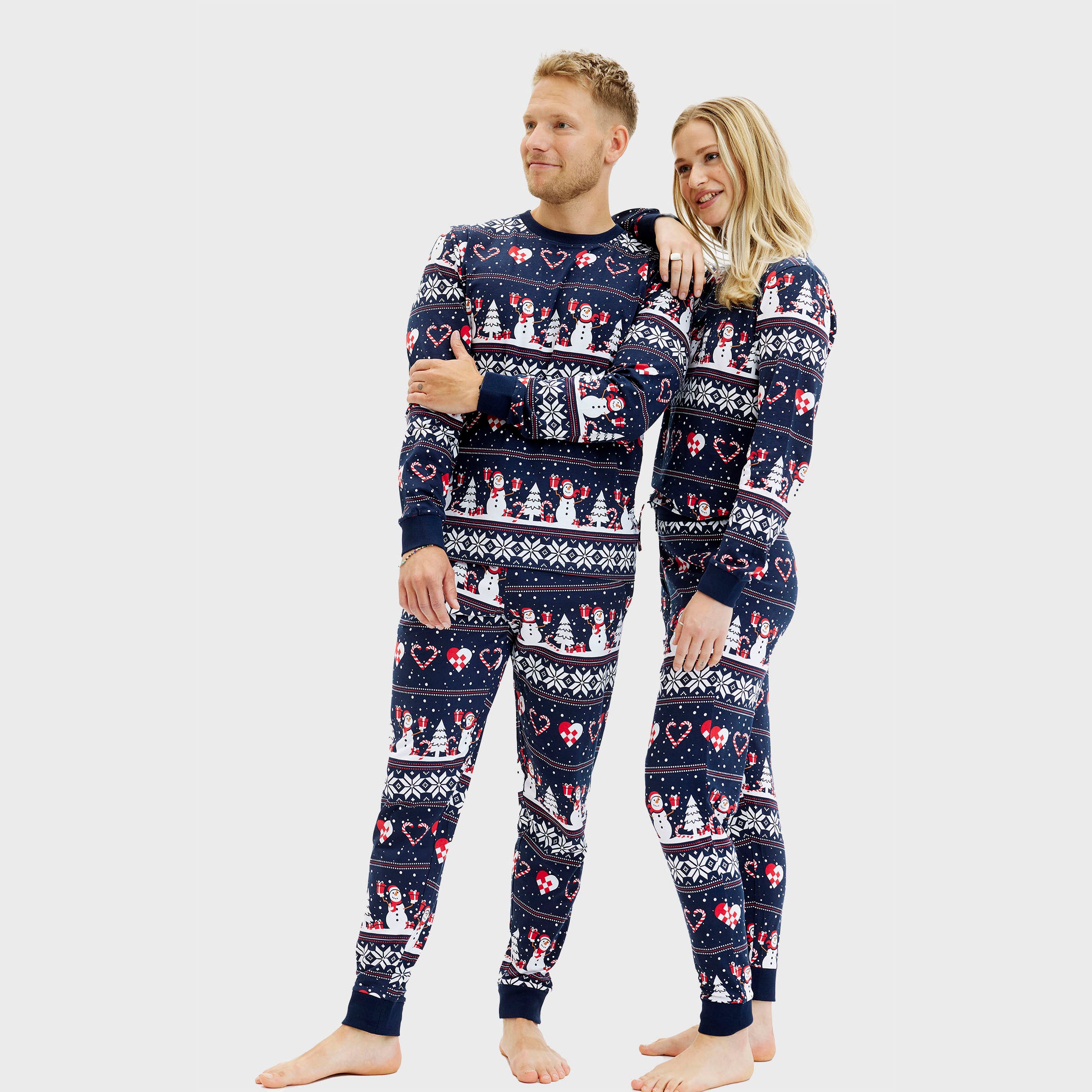
When people search for sustainable Christmas gifts in a local setting, they often prioritise low-waste solutions, practical everyday items and options that feel relevant to the recipient. That can mean preferring repairs, secondhand finds or certified garments over novelty goods. For family moments around the tree, consider matching options like sustainable Christmas sweater styles or coordinated Christmas pajamas to keep the present useful year after year.
What makes a gift sustainable?
A sustainable gift here has a lower environmental footprint across materials, production, transport and end of life. Social responsibility in manufacturing matters as much as the carbon cost, and true sustainability favours longevity, repairability or circular solutions such as recycled material clothing and organic fibres. Look for evidence rather than vague claims to ensure the impact is real.
How gifts can give back
There are three practical ways a gift can return value to nature. Restore means contributing to habitat or tree projects that actively rebuild ecosystems. Reduce means replacing single-use items with durable reusables or zero-waste personal care. Replace means choosing upcycled, recycled or ethically sourced products that lower demand for virgin resources. Each route offers different benefits, from improved biodiversity to fewer tonnes of waste.
As you plan gifts this season, balance emotional resonance with measurable impact. A playful option such as an ugly Christmas sweater can still be sustainable when chosen from recycled or certified collections, and a well-chosen experience or repair kit often outperforms a short-lived gadget. Later in the article you will find concrete gift categories, simple checks to verify sustainability claims and practical tips for low-waste packaging to help you decide.
For quick inspiration explore sustainable Christmas sweater options and other curated ranges including ugly Christmas sweater styles and matching Christmas pajamas to make seasonal moments both memorable and responsible.
What makes a gift sustainable?
Choosing sustainable Christmas gifts starts with clear criteria you can check quickly. Materials should come from recycled, upcycled or renewable sources and avoid single-use plastics. Production needs transparent supply chains and fair labour practices, while transport should aim for low carbon impact. Product lifespan matters: durability, repairability and refill options extend usefulness. Packaging and end-of-life must be minimal, recyclable or compostable, or intentionally reusable.
Quick benchmarks and price brackets
To keep choices practical, use simple price brackets as a guide. Affordable options commonly fall under €50, such as reusable bottles, zero-waste personal-care bars and small upcycled accessories. Mid-range gifts, around €50–€150, include certified clothing, handcrafted home items and local experience vouchers. Higher-impact options above €150 often fund multi-year nature projects, tree-ownership models or longer subscriptions that support restoration work.
Gift categories with examples
A compact list helps match gifts to recipients.
- Upcycled and recycled goods: reclaimed-leather keychains or recycled material clothing for everyday use.
- Zero-waste personal care: shampoo bars, solid conditioners and soap bars in compostable wraps.
- Reusable everyday items: insulated cups, stainless food containers and beeswax wraps.
- Certified clothing and loungewear: organic sweaters or certified shirts with clear labels.
- Experience gifts and subscriptions: local workshops, streaming or course access and low-impact travel vouchers.
- Nature-restoration gifts: verified tree-planting projects or habitat restoration donations.
- Repair and DIY kits: mending kits, basic tool sets and repair vouchers for common household items.
- Local handmade and secondhand: vintage finds, artisan ceramics and knitted goods from small makers.
Packaging and presentation tips
Choose reusable wrapping like fabric wraps, cloth gift bags or decorated boxes. Use simple embellishments such as natural twine, dried botanicals or recycled paper tags. Clearly label whether packaging is compostable, recyclable or reusable so recipients know how to handle it.
Audience-specific suggestions
Short lists help narrow choices by recipient.
- Parents and kids: durable wooden toys, organic cotton pajamas or experience days that create memories.
- Colleagues and corporate gifts: reusable drinkware or zero-waste starter kits; pair with a small card explaining the impact.
- Friends who value ethics and design: upcycled accessories or handmade ceramics from local makers.
- Outdoorsy recipients: tree-ownership gifts, durable camping gear or a compact repair kit.
How to assess sustainability claims
Use a short checklist before you buy: Ask for transparency about material origin and production country, verify labels and certifications and prefer tangible impact such as longevity, repair options or refillability. For restoration gifts, confirm verifiable project details and long-term management commitments. Watch for vague language without evidence, and prefer multiple indicators that cover both materials and social standards.
Useful links for seasonal clothing and sleepwear
For seasonal apparel that balances style and responsibility, explore a curated sustainable Christmas sweater collection and consider complementary options like recycled material clothing for matching sleepwear or loungewear. If you prefer coordinated sleep sets, see the matching Christmas pajamas range for family-friendly choices.
Buying guidance and trade offs
When you stand beneath the soft glow of fairy lights and consider what to wrap, the choices often come down to longevity, experience and verified impact. A durable secondhand item or a quality repairable piece typically beats a new low-impact novelty over its lifecycle. The texture of a well-made knit, the warmth you feel from thick yarn and the faint scent of cedar from the wardrobe all speak to usefulness that lasts.
Experience gifts invite memory rather than clutter, but their footprint varies. A local workshop or a streaming course with minimal travel tends to be lower in material impact than a weekend trip that requires miles of transport. When comparing options, ask whether the experience replaces a long-term habit or simply adds another single-use moment.
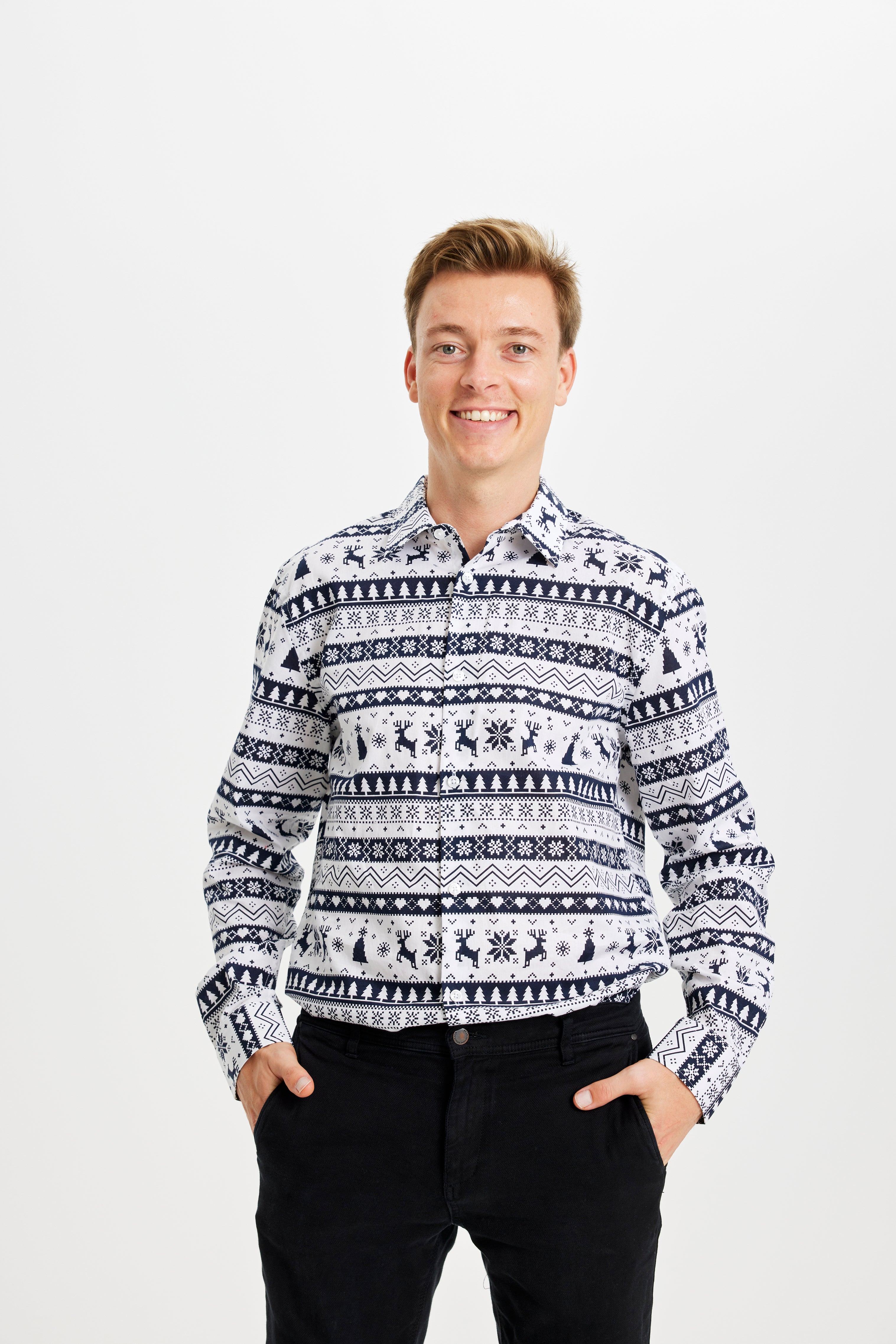
Paying a small premium can be worthwhile when it secures traceability, fair labour conditions and certifications that mean something tangible. Look for clear supply chain details and multiple indicators of sustainability rather than single buzzwords. If you choose a garment as a gift, choose items with documented materials and repair options. A cozy Christmas sweater that is certified organic or made from recycled material becomes part of the recipient’s winter routine, not seasonal clutter. For responsibly made knitwear, explore a curated sustainable Christmas sweater collection.
Sustainable wrapping and gifting traditions
The right presentation extends a gift’s story. Think fabric wraps that can be reused for years, or a decorated box that doubles as storage. The smell of pine and the soft crackle of twine tied around a parcel can be as comforting as the gift inside.
- Choose reusable wrap. Fabric, decorated tins or sturdy boxes can come back into play season after season.
- Add natural decoration. A sprig of dried rosemary or a small pine cone gives scent and texture.
- Include care instructions. A short note on how to wash or repair an item encourages longevity.
- Label end of life. If packaging is compostable or recyclable, say so so the receiver knows how to handle it.
Non-material additions can deepen meaning. A brief letter explaining the environmental benefit, a seed-paper gift tag or a digital voucher are light on resources and heavy on feeling. If yours is a relaxed evening in, slipping on matching loungewear or christmas pajamas while unwrapping brings warmth, soft fabric against the skin and the comfort of shared tradition.
Corporate and group gifting
Scale matters for teams. Durable branded drinkware, a group donation to a verified restoration project or experience vouchers for local workshops reduce waste and create shared memories. Prioritise suppliers who report measurable impact and fulfil orders with minimal packaging. For larger orders, choose options with clear traceability and an emphasis on reuse so the gesture aligns with company values.
Frequently asked questions
What exactly counts as a sustainable Christmas gift?
A Sustainable gift measurably reduces environmental harm through better material choices, transparent production, longer lifespan, responsible end of life or by funding restoration and social benefits.
Are experience gifts always more sustainable than physical gifts?
No. Sustainability depends on the type of experience, travel required and resource use. Local, low carbon experiences and digital subscriptions often have lower material impact than experiences that require extensive travel.
How reliable are tree planting or tree ownership gifts for climate benefit?
They can store carbon and support biodiversity when projects are transparent. Look for verifiable details, long term management plans and ecological fit to the local landscape.
Which certifications should I trust when choosing clothing or textiles?
Trusted labels such as GOTS, Oeko Tex and recognised organic marks cover specific material and social standards. Read what each certification actually guarantees rather than assuming all labels are equivalent.
Is buying secondhand always the most sustainable option?
Often for items where longevity and reuse matter, such as clothing and furniture. Check condition, potential repair needs and transport emissions before deciding.
For quick decision making, refer to the comparison chart and the checklists above to weigh environmental strengths against potential drawbacks and find the best match for your recipient. The right choice combines usefulness, care and a little bit of seasonal magic.
Also view

15 January 2026
Picture a small family movie night by the tree: soft lights, low conversation and a stack of options for christmas movie recommendatio...