
19 December 2025
What is Christmas called in Spain?

In Spain Christmas is called Navidad. You will also hear La Navidad when people mean the whole festive season, Nochebuena for Christmas Eve and Día de Navidad for Christmas Day. Navidad comes from the Spanish word for nativity, meaning birth, and it functions as the umbrella name for a string of celebrations that stretch from late December into early January.
Common Spanish terms
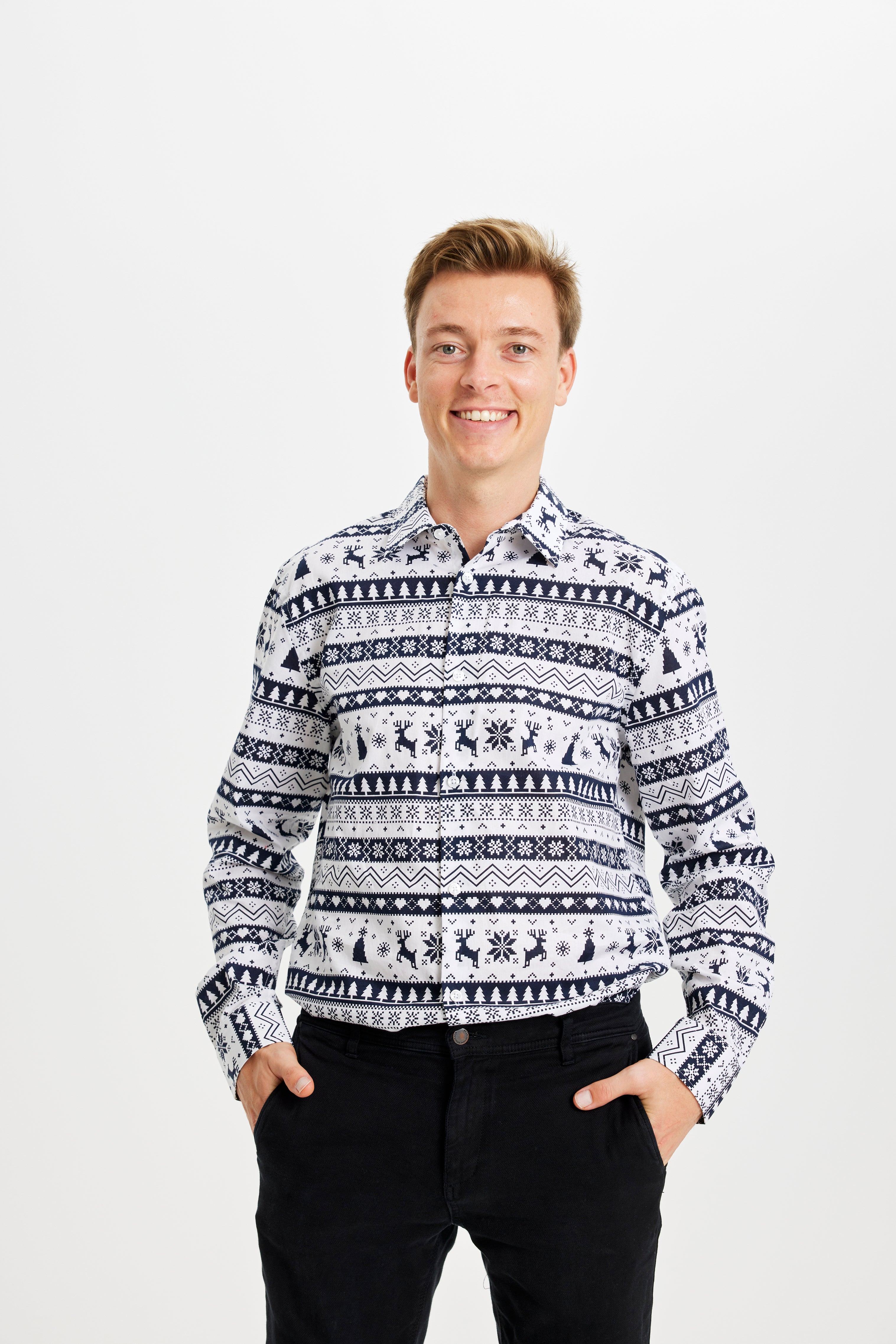
Nochebuena is often the evening for the main family meal, followed in many towns by Misa del Gallo at midnight, while Día de Navidad is a public holiday for quieter family time. Many households make these moments informal and fun: wearing a casual Christmas sweater to the family dinner or choosing matching kids outfits can be part of the plan—see a simple Christmas sweater to bring a festive touch. Children still expect gifts around Día de los Reyes Magos, so packing a kids Christmas sweater for parade days makes sense.
Where the word fits in everyday life
Navidad is not just a single day but a season with markets, parades and communal rituals; that breadth is why language like La Navidad matters. If you join a street parade or a neighbourly exchange, a playful ugly Christmas sweater can be an icebreaker at parties and parades. Expect the word Navidad to appear on signs, menus and greetings such as Feliz Navidad whenever the season is being marked.
Key dates and rhythm
Late December through early January in Spain feels like a continuous run of events rather than a single celebration. 22 December: El Gordo, the national Christmas lottery, often signals the moment when streets, shops and media fully switch into festive mode. 24 December: Nochebuena is the evening for the main family dinner and in many places the night is finished with Misa del Gallo. 25 December: Día de Navidad is a quieter public holiday for family visits and rest. 31 December: New Year’s Eve centres on the twelve grapes at midnight, a lighthearted ritual that many take part in. 5 January: Cabalgata de los Reyes is a colourful parade that fills city streets with processions and sweets for children. 6 January: Día de los Reyes Magos traditionally marks the main gift day and the sharing of Roscón de Reyes.
Family and public life
Family gatherings set the tone for the season. Meals, extended household visits and long evenings with relatives are common, and many businesses close or reduce hours around the key dates to allow time for family. Public life is organised around a sequence of events, so plan visits and outings with the whole period in mind rather than focusing on a single date.
Religious and communal observances
Religious services remain visible in public life, with midnight mass celebrated widely on Nochebuena. Nativity scenes called el Belén appear in homes, churches and public squares and often become focal points for local display and community visits. Parades on 5 January bring communal energy to streets and plazas, mixing pageantry with the practical distribution of sweets and small gifts to children.
Typical foods and sweets
Food plays a clear role in marking celebrations. Families often choose seafood or fish for the Nochebuena starter, while roast meats feature on other festive menus. Sweets arrive in abundance: turrón and mazapán are standard, alongside polvorones and mantecados as seasonal treats. On 6 January, Roscón de Reyes appears in bakeries and homes as the cake associated with the Three Kings.
Public spectacles and decorations
Decorations are visible in city centres where illuminated streets and public nativity scenes create a backdrop for shopping and outings. Large municipal Beléns can be elaborate, while home displays tend to be more modest. Street parades and the national lottery draw create moments when many people step outside to watch, greet friends and join in communal festivities.
Practical visitor notes
If you plan to experience the season, aim for the full span from El Gordo on 22 December through Día de los Reyes Magos on 6 January to catch the most signature events. Public transport and opening hours vary by city, and major parades are widely announced locally, so check schedules in advance. For social occasions such as family dinners and parades, a subtle Christmas sweater can be a polite, festive choice; find styles that suit dinner settings and outdoor events and consider bringing a matching option for children like a kids Christmas sweater for parade days.
Quick tips for joining in
- Arrive early to parades to secure a good viewing spot and to avoid dense crowds.
- Bring small coins for street vendors and local treats, as many sales during the season are cash friendly.
- Choose lightweight layers for daytime events and warmer outerwear for evening services and parades.
FAQ
Q: What is Christmas called in Spain?
A: Navidad is the term most commonly used for the holiday season.
Q: What is Nochebuena?
A: Nochebuena is Christmas Eve, traditionally the evening for the main family dinner often followed by midnight mass.
Q: When do Spaniards typically exchange gifts?
A: Gift timing varies; many give gifts on 24 or 25 December while 6 January remains the traditional day for children to receive presents from the Three Kings.
Q: What foods are associated with Navidad in Spain?
A: Typical festive items include seafood, roast meats and sweets such as turrón, mazapán, polvorones and Roscón de Reyes.
Q: Any suggestions for festive clothing while visiting?
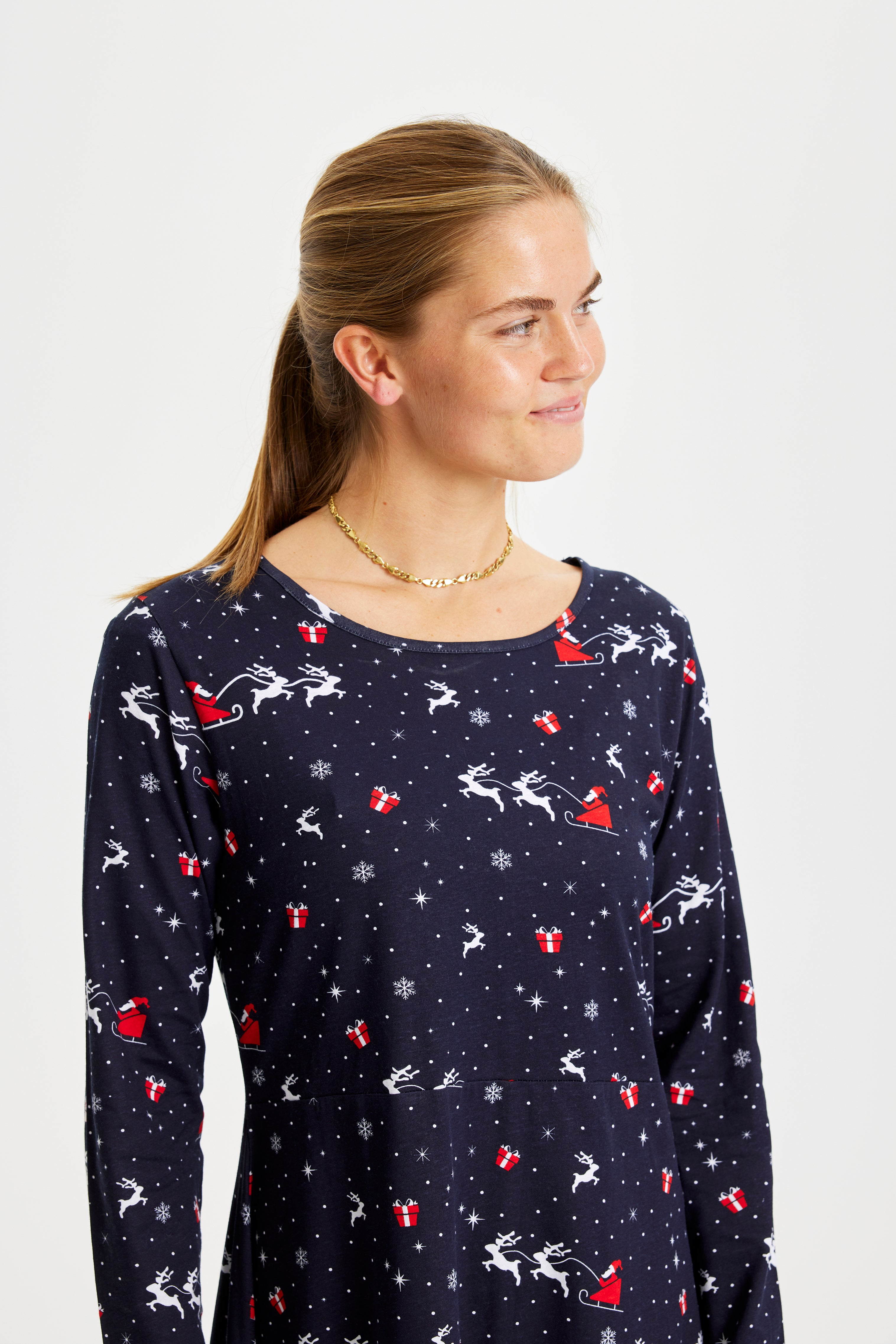
A: For family dinners and city events, a tasteful Christmas sweater works well and packing a kids Christmas sweater can make parades more fun.
Regional variations and modern shifts
Spain’s Navidad takes many local shapes. In some towns processions weave through narrow streets with the smell of pine and warm pastries in the air. In others, plazas shine with electric lights while bands play traditional tunes and the sound of laughter drifts from café terraces. Local festivals can add flavours and timings that feel unique: in coastal areas seafood features more prominently at Nochebuena, while inland towns may favour roast meats and hearty sides. Modern life has also nudged the season: Santa appears more often in shopping centres, but the Three Kings still command pageantry on 5 January. The result is a season that blends centuries of tradition with contemporary touches, and it is visible in markets, shop windows and family gatherings alike.
Practical language tips for visitors
Simple phrases open many doors when you attend a parade or enter a market. Try Feliz Navidad to wish people well, Felices Fiestas for a broader greeting, and Feliz Año Nuevo as you leave a group at midnight. If you want to compliment a baker or stallholder, a short Gracias and a smile go far. Pronunciations that help: say Navidad with a soft v sound and Nochebuena with the stress on the penultimate syllable. These small efforts are usually met with warmth and sometimes a quick suggestion about the best local sweet to try.
How to dress and what to bring
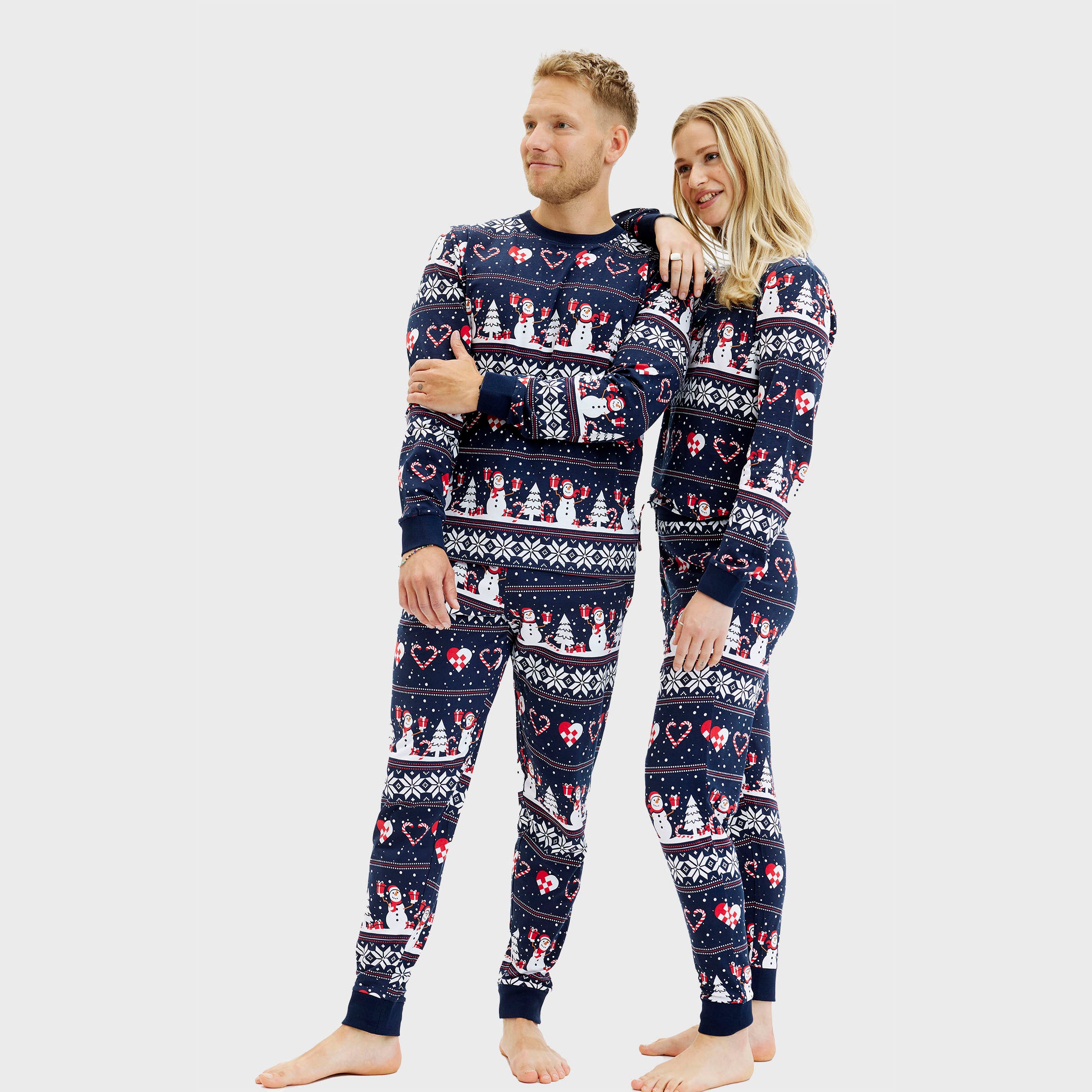
Weather and atmosphere vary, so layering works best for daytime markets and evening services. Bring a warm coat for night events and a lighter sweater for daytime strolling. A Christmas sweater can be a cosy, sociable choice for family dinners or informal gatherings; it signals the same festive cheer that locals express with their seasonal clothes. For relaxed mornings at a guesthouse or when enjoying baked goods by the window, matching christmas pajamas make for comfortable, homely moments and easy photos to remember the trip.
Joining public events and parades
Plan ahead for the big spectacles: arrive early for the Cabalgata de los Reyes to secure a good spot, and keep an eye on municipal schedules for times and route changes. Markets and municipal nativity scenes are often free to visit and perfect for wandering slowly, letting the scent of turrón and cinnamon draw you toward local stalls. If you prefer quieter experiences, look for smaller town events where the scale is gentler and the atmosphere intimate.
Little cultural cues that matter
Listen for music that shifts from pop to traditional carols as you move through a town centre. Taste takes centre stage during Navidad: bakeries fill with polvorones and mazapán and the air often carries the aroma of citrus and toasted almonds. When someone mentions El Gordo, it is often with a grin because the national lottery draw marks the moment when the season truly feels underway in many households and on the airwaves.
Frequently asked questions
What is Christmas called in Spain?
Navidad is the name commonly used to describe the holiday season in Spain and La Navidad refers to the whole festive period.
What is Nochebuena?
Nochebuena is Christmas Eve on 24 December and it is typically celebrated with a main family dinner often followed by Misa del Gallo in many communities.
When do Spaniards typically exchange gifts?
Gift customs vary: many families give presents on 24 or 25 December while 6 January, Día de los Reyes Magos, remains the traditional day for children to receive gifts from the Three Kings.
What foods are associated with Navidad in Spain?
Typical festive foods include seafood or fish starters at Nochebuena for some families, roast meats for others, and sweets such as turrón, mazapán, polvorones and Roscón de Reyes.
Any suggestions for festive clothing while visiting?
Choose comfortable layers and consider a tasteful christmas sweater for dinners or town strolls. For cosy mornings and relaxed evenings, matching christmas pajamas create a warm, homey feeling while you sample sweets and listen to carols.
Also view
15 January 2026
Picture a small family movie night by the tree: soft lights, low conversation and a stack of options for christmas movie recommendatio...