
27 December 2025
When do muslims celebrate Christmas?

Short answer: Muslims do not celebrate Christmas as a religious holiday: many Muslims nonetheless join Christmas-related social and cultural activities in countries where the season is a major public occasion, taking part in family meals, gift exchanges and community events without treating December 25 as a religious observance.
Religious perspective
From a religious standpoint, Islam does not prescribe a celebration of the birth of Jesus. Islamic teaching recognises Jesus as a prophet but does not include a liturgical feast for his birth, so there is no religious date on the Islamic calendar that corresponds to Christmas. Individual scholars and communities offer guidance for social interaction: common advice permits polite greetings and shared meals while advising against participating in worship that belongs to another faith.
Cultural participation
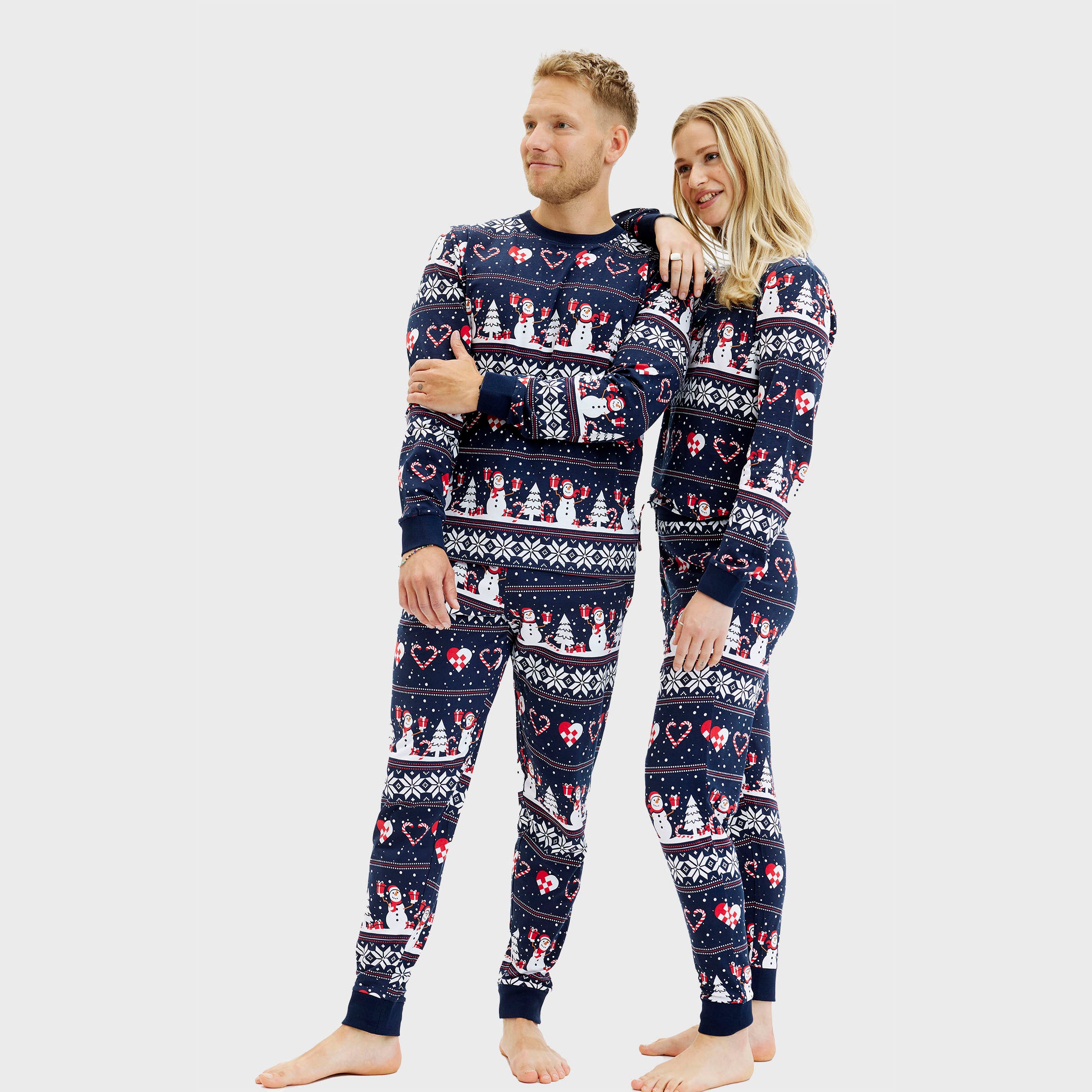
Participation in December activities varies widely. Some Muslim families avoid Christmas entirely, others adopt secular customs such as decorating the home, exchanging presents and attending office parties purely as social events. Parents often balance inclusion with belief by allowing children to join school concerts or neighbourhood festivities while keeping religious practices distinct. For family moments like matching loungewear or pajama evenings, many look for neutral options such as christmas pajamas or simple seasonal pieces that suit everyone.
Range of responses
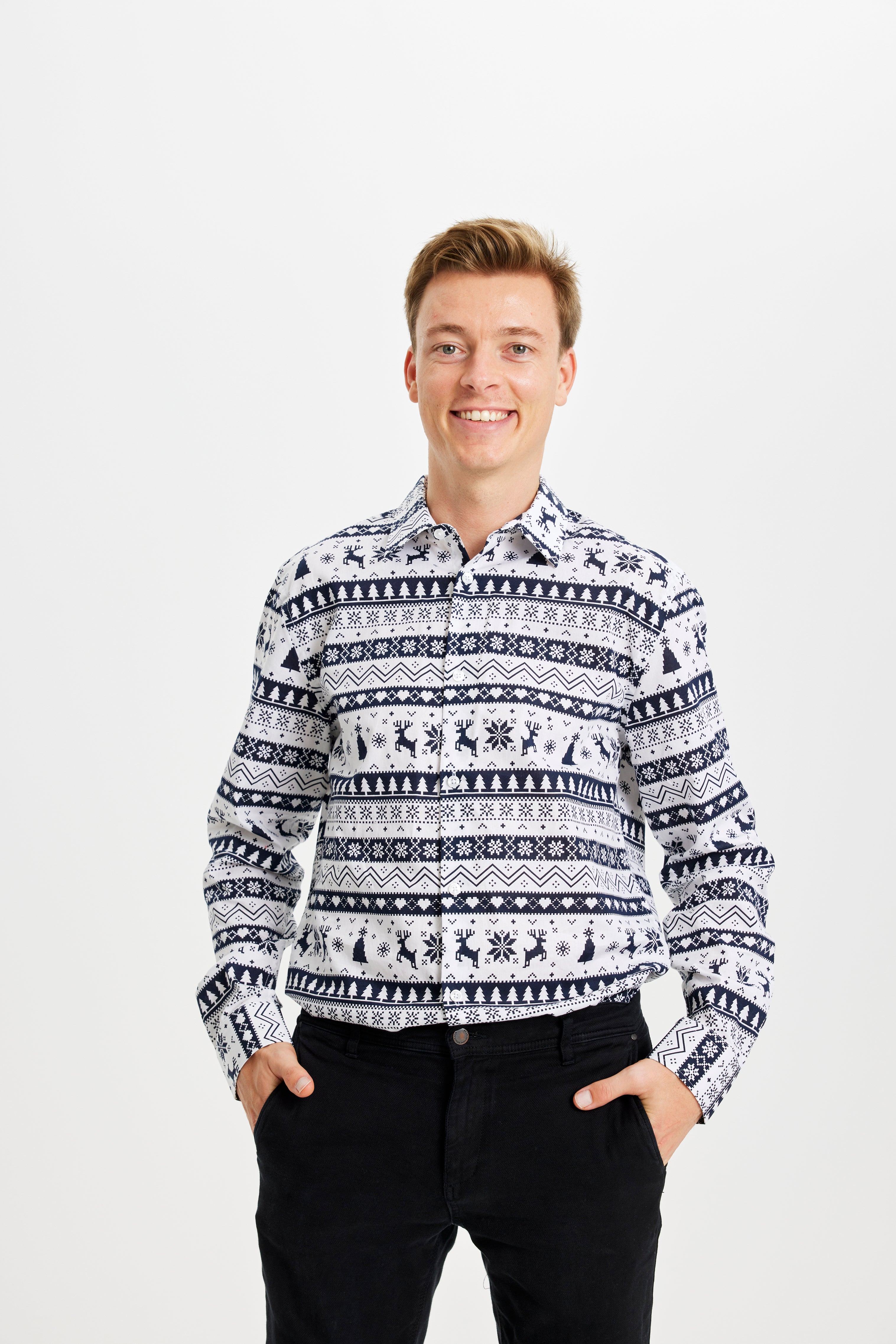
The spectrum of responses covers full cultural participation to strict religious avoidance. Older generations, newcomers and more conservative communities may discourage any involvement, while younger or more assimilated individuals frequently blend traditions. Practical adaptations include halal meals at a Christmas dinner, gift exchanges without religious imagery and choosing a lighthearted outfit for social gatherings, for example an ugly christmas sweater or a plain christmas sweater for family photos. These choices let people join seasonal social life without adopting Christian worship.
What to keep in mind
Respect and simple communication are key: ask hosts what to expect, accept that practices differ between households and avoid assuming uniform behaviour. If you want neutral gift ideas or outfits that suit mixed gatherings, look for inclusive options in the broader christmas apparel range that focus on fun rather than religious symbolism.
Religious rulings and guidance
Religious advisers from a range of schools generally distinguish between social participation and religious observance. Many mainstream fatwas permit Muslims to offer greetings, join shared meals and attend non-worship gatherings with friends and neighbours, while clearly advising against taking part in rites that belong to another faith. Authorities such as Imam Kassem Rachid are often cited in public guidance that allows polite wishes and hospitality but draws a line at participating in worship services.
Scriptural and juristic basis
Arguments used in public debate combine scriptural references to lawful food and neighbourly conduct with classical juristic rules that forbid engagement in non-Islamic rituals. In practice this produces a cautious middle path: social goodwill is acceptable, acts of worship for another religion are not. Community councils and European Islamic bodies have issued statements reflecting this distinction, which many local imams echo when advising congregations.
Eid and Christmas compared
Comparisons between Eid and Christmas help to clarify why some people see overlap while others see a sharp divide. Both occasions can centre on family, meals, gifts and visits, yet their meanings and calendars differ.
- Religious basis: Eid follows Islamic rites tied to the lunar calendar and prayer gatherings; Christmas is a Christian commemoration fixed in the Gregorian calendar.
- Timing: Eid dates shift each year with the lunar cycle; Christmas falls on a fixed date in December.
- Central rituals: Eid includes specific prayers and charity obligations; Christmas rituals are worship-focused for Christians.
- Social practices: Both can involve festive meals, gift exchanges and family time, which explains why social participation by Muslims is common in many communities.
Sociological findings and public voices
Research and journalism show that cultural participation varies by generation, family background and local context. Studies by scholars such as Jørgen S. Nielsen and Nadia Jul Jeldtoft note that many younger people born into minority communities blend seasonal customs with family religious practice. Media interviews confirm a range of everyday solutions: halal menus at a Christmas dinner, neutral decorations, or children taking part in school concerts while parents maintain separate religious observance.
Dissenting and critical perspectives
Alongside permissive guidance there are stricter voices. Some religious leaders advise against any participation in Christmas celebrations, arguing that mixing rituals risks blurring clear religious boundaries. Public debate often reflects both perspectives, with inclusive commentators encouraging social harmony and critical voices warning against perceived religious compromise.
Paraphrased voices from research and community guidance
“Eid functions socially in a similar way to other major family holidays,” summarises one academic observation about communal life.
“You may wish neighbours well and share a meal, but avoid taking part in worship,” paraphrases a common advisory line from religious advisers.
“We celebrate the season at home with neutral decorations and shared food, not with church services,” paraphrases a family testimony that emphasises cultural participation without religious observance.
FAQ
Q: Do Muslims celebrate Christmas religiously? A: No. Islam does not prescribe a liturgical celebration of Jesus’ birth, so there is no religious observance of Christmas in Islamic law.
Q: Can Muslims take part in social Christmas activities? A: Many scholars and community leaders permit social greetings, shared meals and attendance at secular events, while advising against participating in religious rites that conflict with Islamic belief.
Q: How do families decide what to do in December? A: Choices are pragmatic and personal: mixed households may combine a neutral festive meal with halal food and non-religious gift exchanges, and parents often let children join school activities for social inclusion.
Q: Where can I find neutral outfit ideas for mixed gatherings? A: Neutral seasonal clothing helps maintain cultural inclusion without religious symbolism; for example, browse a curated selection of christmas apparel if you want simple, non-religious pieces for family photos or parties.
If you are looking specifically for casual seasonal items that suit mixed family events, a plain christmas sweater or a mens christmas sweater can be an easy, lighthearted choice that keeps the focus on togetherness rather than ritual.
Practical ways to navigate December
When December arrives, many Muslim families find gentle, creative ways to take part in the season without crossing religious boundaries. The scene often feels familiar: the scent of pine and warm baking in the air, soft music in the background and the comforting weight of a knit at the shoulders. For households that blend traditions, the aim is simple. Keep the social warmth, respect religious lines and enjoy the sensory pleasures that make the month feel like a pause for togetherness.
Mixed households commonly balance elements in ways that respect belief and invite company. A typical evening might include a shared meal with halal dishes, low-key decorations that focus on lights rather than religious imagery and a relaxed dress code so everyone feels included. Wearing a cosy Christmas sweater or matching loungewear can be a small, joyful way to signal togetherness without introducing worship; the tactile warmth of soft yarn and the familiar patterns help set a calm, festive mood.
At workplaces and in schools, participation tends to be cultural rather than religious. People attend office gatherings, watch a local performance or exchange small gifts as a way to connect with colleagues. Simple communication often prevents awkward moments: ask hosts what to expect and explain any dietary needs or comfort limits in advance. Hosts usually appreciate clarity and guests feel free to enjoy the atmosphere without compromising belief.
Everyday adaptations that feel natural
Across Denmark and other parts of Europe, families use small, practical adjustments that make December inclusive and cosy. These solutions are sensory and social rather than doctrinal: the warmth of a blanket, the sound of carols in a public square, the taste of a shared cake, the glow of fairy lights.
- Halal menus at shared dinners to include everyone.
- Neutral decorations focusing on lights, greenery and candles.
- Gift exchanges with non-religious wraps and neutral messages of goodwill.
- Timing visits around key family events rather than religious services.
These small changes preserve the feeling of the season. They let people linger over a cup of spiced tea, feel the warmth from a soft knit and enjoy the communal rhythm of visiting and being visited.
Regional differences and generational choices
How families respond varies widely. In some communities the emphasis is on cultural participation and bridging social life with personal faith. In others, especially among more conservative groups or recent arrivals, there is a deliberate distance from December festivities. Younger generations in diaspora settings often adopt a hybrid approach, cherishing both family religious observance and national seasonal customs. The result is a patchwork of practices shaped by local norms, family history and personal preference.
For those who want subtle seasonal clothing ideas that work across households, consider a plain, comfortable layer that signals festivity without religious connotation. If you are thinking of something lighthearted for a family photo or a casual gathering, explore choices such as a cosy christmas sweater in soft colours and simple patterns.
Frequently asked questions
Do Muslims celebrate Christmas religiously?
No. Islam does not have a liturgical celebration for the birth of Jesus, so there is no religious observance of Christmas in Islamic law.
When do Muslims celebrate Christmas?
As a religious festival, Muslims do not celebrate Christmas at any time. That said, many join cultural December activities in countries where the season is important for social life.
Is Eid the same as Christmas?
No. Eid and Christmas can resemble each other socially through family meals, gifts and visits, but they differ in religious meaning, timing and rituals.
Can Muslims say "Merry Christmas" or exchange gifts?
Many Muslim leaders and community advisers permit goodwill greetings and social exchanges. The common guidance is to share kindness and meals while avoiding participation in religious rites that contradict Islamic belief.
Can a Muslim attend a church service or nativity event?
Attendance for cultural or supportive reasons is often viewed differently from active participation in worship. Many advisers allow social attendance but discourage taking part in rites that conflict with Islamic tenets.
Does practice vary by country or generation?
Yes. Local majority culture, minority status and generational background all influence how people engage with December. Younger diaspora members tend to show higher cultural participation, while approaches in Muslim-majority countries differ greatly.
Also view
15 January 2026
Picture a small family movie night by the tree: soft lights, low conversation and a stack of options for christmas movie recommendatio...