
27 January 2026
When do Spaniards celebrate Christmas?

In Spain, Christmas unfolds as a season rather than a single night: weeks of public events, family meals and street parades stretch from early December through early January, with several standout dates that shape the rhythm of the holidays. You will find both large municipal celebrations and intimate family moments, and many people plan travel and gatherings around those peak days.
Spain’s Christmas period runs roughly from early December (around 6 to 8 December) through 6 January, with key highlights on 24 December, 25 December and 6 January.
High level timeline
- Early December (about 6 to 8 December): official and religious kick off with local lightings and ceremonies.
- 22 December: the national lottery draw, El Gordo, which attracts widespread attention.
- 24 December: Nochebuena, typically an evening family dinner and in some places La Misa del Gallo at midnight.
- 25 December: Día de Navidad, generally a quieter family day with lunches and visits.
- 28 December: Santos Inocentes, a day set aside for practical jokes.
- 31 December: New Year’s Eve traditions, notably eating twelve grapes at midnight.
- 5 January evening and 6 January: Cabalgata parades lead into Día de los Reyes Magos, when many children receive gifts.
Why these moments matter
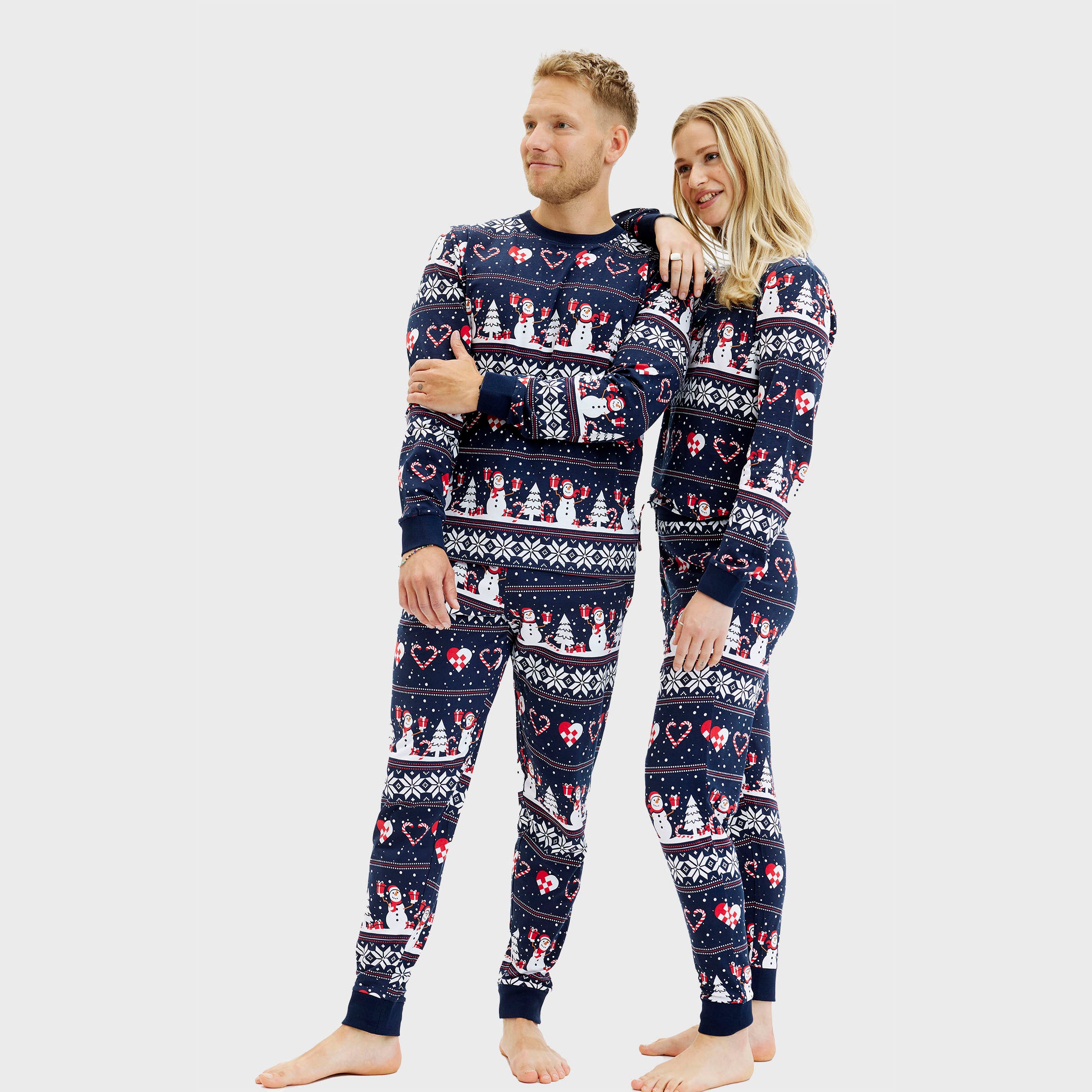
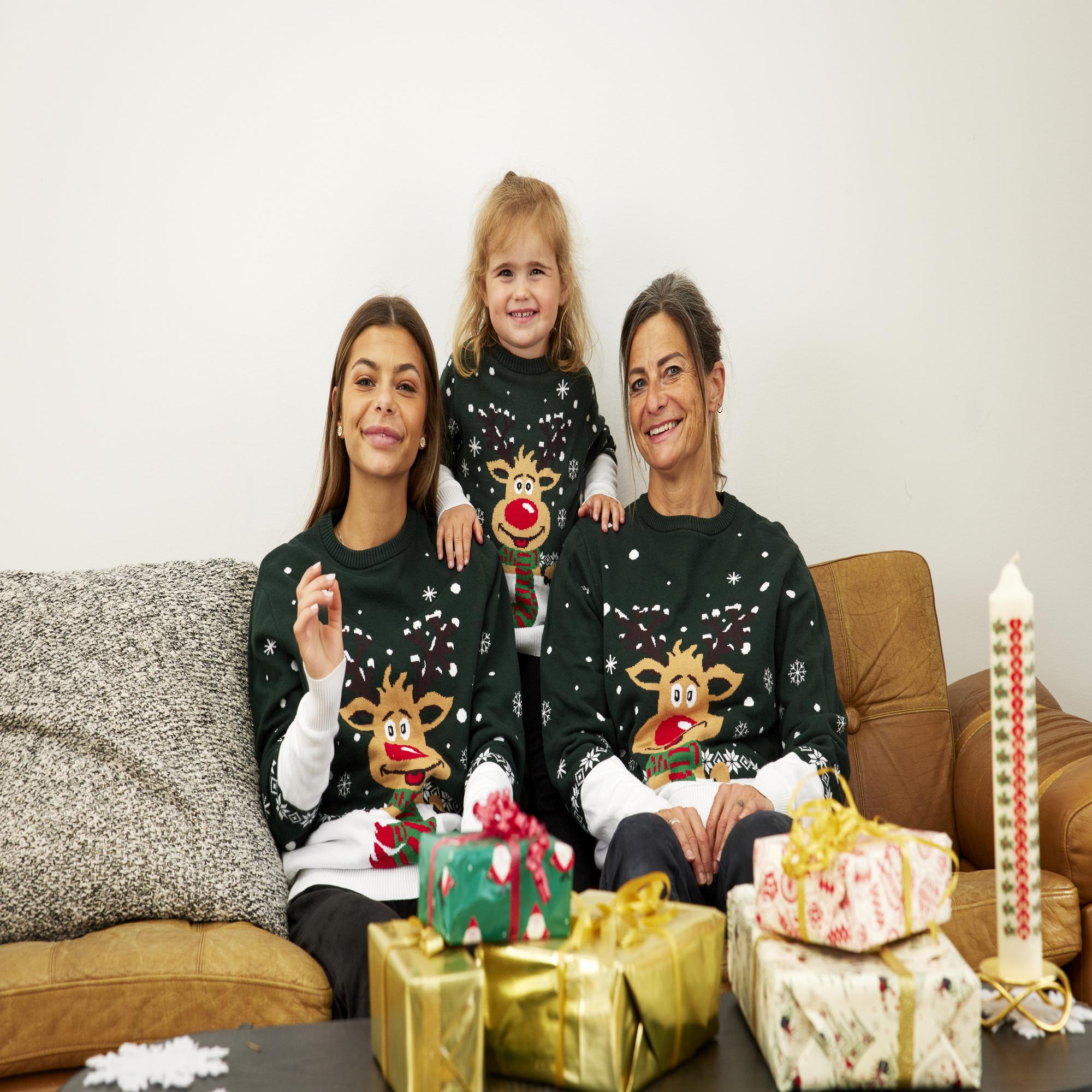
Family gatherings are central: Nochebuena dinners and the Reyes Magos morning are often the emotional high points, and many households plan outfits for both formal dinners and outdoor parades. If you want a simple way to join the fun, a classic Christmas sweater can work for dinners, while parents often pick a kids Christmas sweater or matching pajamas for small presents on 6 January. For more playful events and street parties, people sometimes choose a funny Christmas sweater to match the festive mood.
Keep this timeline in mind when planning travel or family visits: peak public activity is late December through the first week of January, and many towns stage large parades and municipal events that are best experienced in person.
Practical tips for joining the season
If you plan to experience Spanish Christmas events in person, prioritize the evenings of late December and the first week of January because public life concentrates around parades and large family meals. For formal dinners such as Nochebuena, choose an outfit that feels festive but mobile; a classic Christmas sweater can be dressed up with a neat shirt or paired with a simple dress for ease. Parents often pack special sleepwear for gift mornings, and many households prefer matching styles so the morning feels cohesive and photo-friendly.
Consider bringing clothing that suits both indoor dinners and outdoor parades. For children, a kids Christmas sweater is a popular choice when shoes are left out on the evening of 5 January. For those who want coordinated looks for the whole family, matching Christmas pajamas are practical for the Reyes morning and make the gifted sweets and small presents feel extra special.
Notable customs and how they work
- El Gordo lottery takes place in late December and dominates conversation as families and workplaces check the draw together.
- La Misa del Gallo, the midnight mass on 24 December, remains a religious touchstone for many and often follows the main family dinner.
- Cabalgata parades on the evening of 5 January feature the Three Kings arriving in town and distributing sweets and small tokens to crowds along the route.
- Shoe tradition involves children leaving shoes outside a window or by the door on 5 January evening so that the Reyes can leave gifts overnight.
- Roscon de Reyes is a ring-shaped cake served on 6 January that traditionally contains a small trinket and sometimes a bean to determine who buys the cake next time.
Practical checklist for families and visitors
- Decide which day matters most for your gift exchange and pack a small bag with outfits for both dinner and the next morning.
- Bring a compact umbrella or light jacket for evening parades since crowds can wait outdoors for extended periods.
- Keep small coins and local sweets on hand if you want to participate in street-level traditions or hand out treats during a Cabalgata.
- If you want memorable photos, plan a matching set for the morning of 6 January; matching Christmas pajamas help create a coordinated scene without extra effort.
How clothing connects to the celebrations
Outfits often shift between polished and playful across the season. For a dinner that moves toward midnight mass, a classic Christmas sweater offers a middle ground that keeps things festive without being formal. For outdoor parades, choose layers and comfortable footwear so you can join crowds and move between viewpoints. When shopping for children, many families pick a kids Christmas sweater that children can wear both to bed on 5 January and during the gift opening on the morning of 6 January.
If you prefer themed looks, explore a selection of styles that range from light-up novelty pieces to understated jumpers designed for gatherings and photos. These options make it easy to match the mood of a town parade or a family table without overplanning.
Common questions?
When should I expect the biggest public events? Public celebrations peak between late December and 6 January, with the Cabalgata parades and Reyes morning as major highlights.
Which day is best for family gift giving? Many families focus gift giving on 6 January, though some exchange presents on 24 or 25 December depending on personal preference.
What clothing works across both dinners and parades? A versatile Christmas sweater is a safe option for dinners and can be layered for outdoor events. For family mornings, matching Christmas pajamas create a coordinated and relaxed start to 6 January.
For quick browsing, you can view a range of classic Christmas sweater styles and find coordinated sleep sets and children’s jumpers to fit celebrations and photos.
Regional variations and local color
Across Spain, the same season takes on different tones. In Catalonia you might hear traditional songs and smell pine mixed with the sweet aroma of local pastries as plazas fill with music. In Andalusia, light and warmth linger later into the evening so outdoor parades feel relaxed and lively, with the sound of flutes and clapping weaving through the streets. In the Canary Islands, the air can be mild enough for seaside processions, while northern towns keep a more intimate pace with small municipal events and cozy indoor gatherings.
These differences shape practical choices. If you plan to watch a Cabalgata, bring layers and comfortable shoes to stand in the crowd and enjoy the music. For dinner nights when families gather, the warm comfort of a classic Christmas sweater is useful: it keeps you festive at the table and still comfortable if you step outside to stroll through illuminated streets.
Notable customs close up
- El Gordo remains a communal moment when workplaces and cafés pause to follow the draw, creating a buzz of conversation and shared excitement.
- La Misa del Gallo brings candlelight and choral voices to midnight in many towns, and the scent of beeswax and incense blends with the chill of night.
- On the evening of 5 January, Cabalgata parades fill avenues with color and confetti while the Three Kings toss sweets into waiting hands; arriving early rewards you with a good viewpoint and the chance to hear local bands warm up.
- Morning rituals on 6 January are gentle and sensory: the house fills with the scent of coffee and cake, wrapping paper rustles, and the warmth of layered knits and pajamas turns the room into a cozy scene.
Practical snapshots for visitors
Plan for crowds and for slow, lingering moments alike. Parades often move slowly, so allow time to wander nearby markets afterwards and sample seasonal treats beneath strings of lights. If you want memorable photos, choose coordinated sleep sets for the Reyes morning or an outfit with texture that catches warm indoor light. A pair of soft slippers and a change of shoes for walking between viewpoints can make the difference between a tired evening and one you remember fondly.
For the best local flavour, visit a neighborhood bakery early on 6 January to find a fresh Roscon de Reyes and taste seasonal sweets that are often sold only in the weeks around the holidays. Small artisan stalls at municipal markets are ideal for finding handmade ornaments and stocking up on edible souvenirs to bring home.
Tip: Bring small notes of local currency if you plan to hand out sweets at a parade or buy treats from street vendors. It keeps exchanges smooth and makes participating in the moment easier and more relaxed.
Frequently asked questions
When does the Spanish Christmas season typically start?
The season commonly begins in early December, around 6 to 8 December, when public lightings and religious observances mark the first gatherings.
Which day do many families choose for main gift giving?
Traditionally the main gift-giving day is 6 January, Día de los Reyes Magos. Some families also exchange presents on 24 or 25 December depending on personal preference.
What should I wear for both dinners and outdoor parades?
Layering is key. A festive Christmas sweater paired with a smart shirt works well for dinners and can be added to with a coat for parades. For relaxed mornings, matching christmas pajamas create a warm and photo-friendly atmosphere.
Are there notable regional food differences to try?
Yes. Seafood and cured meats often feature in coastal dinners, while inland regions may focus on richer roasts and local sweets. Look for market stalls selling seasonal delicacies to experience local taste traditions.
Enjoy the season at whatever pace suits you: the scent of pine in the air, the crackle of wrapping paper, and the warmth from layers of knitwear all help turn these dates into lasting memories. For quick browsing, you can explore a selection of cosy christmas sweater styles and comfortable christmas pajamas that fit both parade evenings and quiet mornings.
Also view
27 January 2026
A family gathers around the roast, laughter punctuated by the snap of Christmas crackers and the clatter of plates as crowns are donne...