

25 December 2025
When do we celebrate Christmas?

The short answer is simple: many communities mark the main celebration either on the evening of 24 December or on 25 December, reflecting a cultural observance versus a liturgical date. Cultural family gatherings and gift exchanges often centre on Christmas Eve, while the church calendar traditionally commemorates the Nativity on Christmas Day. The broader season commonly runs through Epiphany on 6 January, with popular folk observance focused around 24 to 26 December.
Key dates and quick facts
Evening celebrations: In parts of Northern and Central Europe the social climax takes place on the evening of 24 December with dinner, music and the family exchange of presents. Liturgical date: 25 December is the date fixed in the western church for the Nativity and is observed with services and public holidays in many countries. Season length: The festive period is often treated as spanning late Advent through 6 January, though everyday attention concentrates on the days immediately around Christmas.
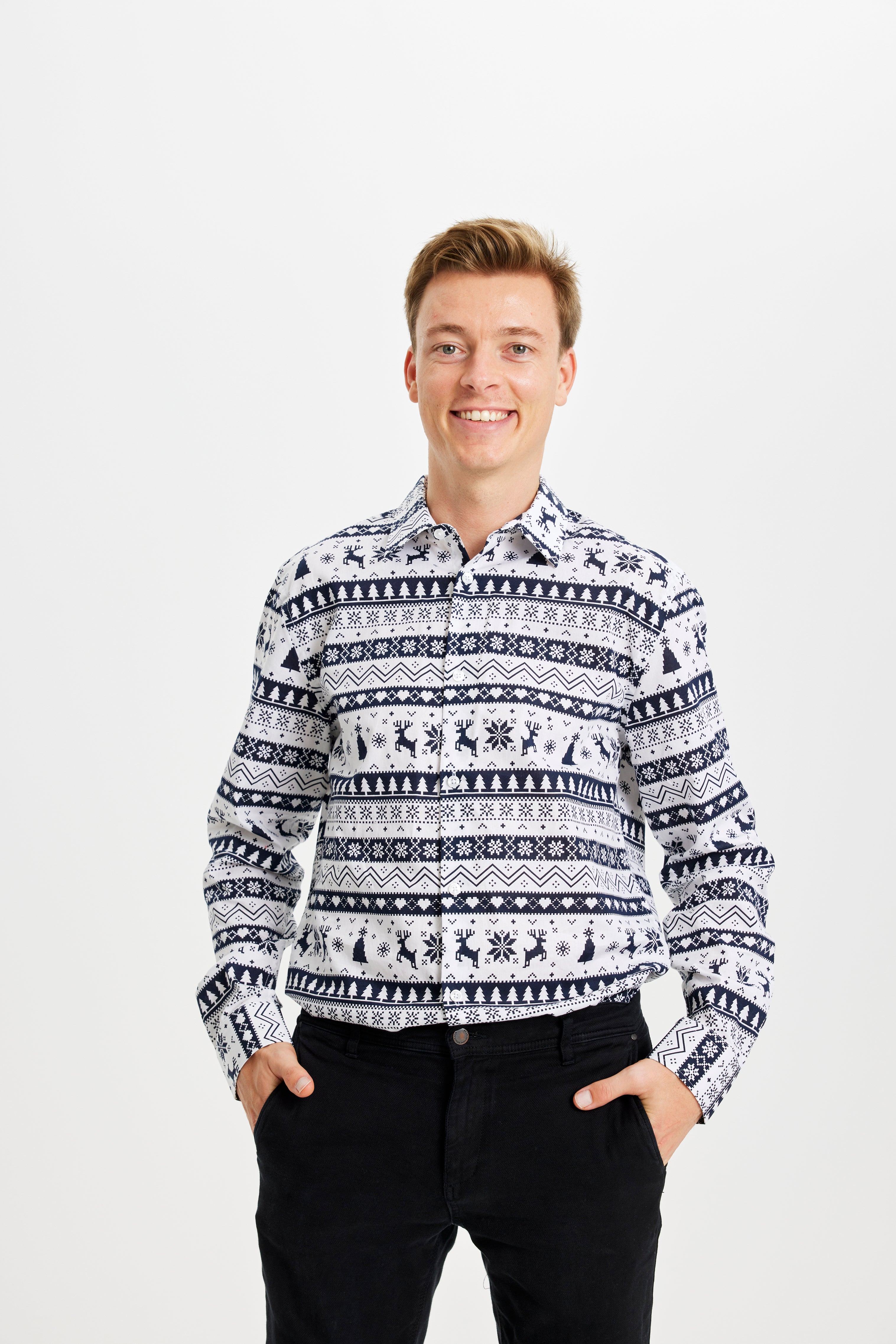
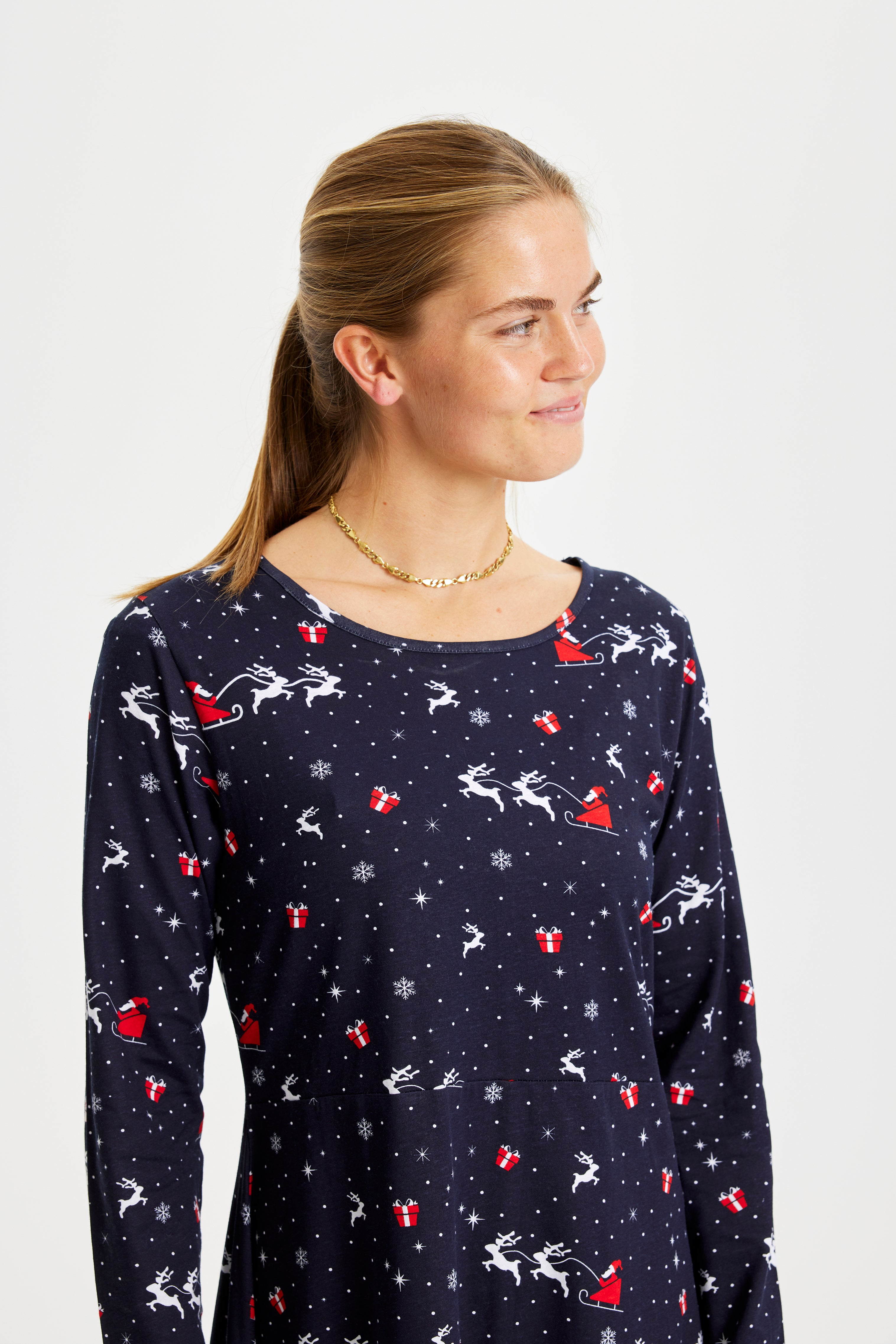
Family moments around the tree are a common focal point for outfits and small rituals, and many people choose a themed christmas sweater or matching christmas pajamas to make the evening feel cohesive. For lighthearted parties or office fun you might pick an ugly christmas sweater or a novelty christmas shirt.
What follows in this guide
Next you will find concise sections on how the dates developed, typical seasonal practices and calendar framing, followed by international comparisons and a practical FAQ to answer common timing questions.
International and denominational variations?
Observance around the main dates can look quite different from place to place. In some Northern and Central European communities the social focus is an evening gathering on 24 December, while many Anglo-American contexts place the main public and liturgical emphasis on 25 December. Catholic congregations often mark the night with midnight Mass and continue with high services on the following morning. Protestant churches may place greater emphasis on evening or morning worship depending on local custom. Some Orthodox communities follow a different calendar and therefore celebrate on a date that corresponds to 7 January in the Gregorian calendar.
Practical timeline and quick reference
This compact guide helps you plan what typically happens and when, so you can match outfits and activities to the right moment.
- 24 December — Christmas Eve: Evening family gatherings begin at sunset in many traditions, often including a shared meal, music and a festive exchange of presents.
- Night of 24–25 December — Midnight services: Midnight Mass remains common in Catholic communities and appears in many parishes across denominations.
- 25 December — Christmas Day: The liturgical feast of the Nativity is celebrated with church services and public holiday observances in many countries.
- 26 December — Second day of Christmas: Known in some places as St. Stephen’s Day, this is often a quieter day for visiting friends or extended family.
- 6 January — Epiphany: Traditionally marks the close of the broader festive season in many churches and households.
How to plan clothing across the season?
Choosing attire depends on the moment you want to highlight. Evening celebrations call for dressier pieces or themed outfits for the whole household, while public services and daytime visits are suited to smart casual choices. For cozy evenings many families pick a christmas sweater, and if you want coordinated looks you can find options for both genders together: christmas sweater, mens christmas sweater and womens christmas sweater placed side by side. For relaxed mornings or a playful family photo, matching christmas pajamas are a popular choice and make getting ready feel effortless.
FAQ
When is Christmas celebrated?
Different communities emphasise different moments: cultural family celebrations often centre on the evening of 24 December, while the western church fixes the Nativity on 25 December. Local custom determines which day feels most important.
Why do some groups celebrate on the evening and others on the morning?
Customs vary because some traditions mark the start of a day at sunset, while others follow a calendar day that begins at midnight or in the morning. That difference explains why gift-giving and main meals can fall either on the evening or on the following day.
Do all churches observe the same dates?
No. Most Western churches use 25 December, but some Orthodox churches follow a different calendar and therefore have their major celebrations on a different calendar date. Practices also differ by denomination when it comes to evening versus morning services.
How flexible is modern celebration timing?
Contemporary life often shifts gatherings to the nearest convenient day, such as a weekend, but the traditional anchor dates listed above remain the reference point for services, public holidays and many family plans.
How should I choose what to wear for each day?
Match the outfit to the event: a formal or festive piece for evening dinners, smart casual for church services and coordinated loungewear for relaxed family mornings. If you prefer playful attire, consider novelty options such as an ugly christmas sweater or a light-up jumper for a themed party.
For more inspiration on coordinating looks for different moments of the season, explore christmas shirts and christmas loungewear to mix playful and polished pieces.
International and denominational variations
Across regions and denominations the feeling of Christmas changes more than the calendar. In parts of Northern and Central Europe the evening of 24 December holds the social heart of the season, with long family dinners, singing and the rustle of gift paper late into the night. In many Anglo-American settings the emphasis falls on 25 December for morning services and public celebrations. Catholic congregations often highlight midnight Mass and a luminous candlelit atmosphere, while some Protestant traditions prefer evening or morning worship depending on local custom. A few Orthodox communities follow a different ecclesiastical calendar and therefore mark the Nativity on a date that corresponds to 7 January in the civil calendar.
The practical result is charming variety: one household may light candles and dance around the tree on the 24th, another may attend a festive service and host a leisurely meal on the 25th. Both approaches carry the same sensory hallmarks, such as the scent of pine, the warmth of knitwear and the low hum of carols in the background.
Practical timeline and planning tips
When you plan the days around Christmas, think of a gentle sequence rather than a strict schedule. That way you can layer traditions and comfort across the season.
- Morning of 24 December: Finish small tasks, set the table and simmer a pot of gløgg or spiced tea so the house smells of citrus and clove. A cosy christmas sweater keeps you warm while you hang decorations and fold napkins.
- Evening of 24 December: This is often the moment for the main family dinner and the exchange of presents. Choose a festive but comfortable outfit that allows you to move around the table, pass dishes and lean in for conversation.
- 25 December: If you plan to attend a service, pick smart casual layers that still feel relaxing. Later, let the house breathe with slow music, leftover pie and soft lighting.
- 26 December and beyond: Keep loungewear handy for unhurried visits and cosy afternoons. For relaxed mornings and informal gatherings, consider christmas loungewear that blends comfort and seasonal charm.
Tip: Pack extras of textured fabrics and soft socks. The tactile pleasure of warm knit, the mild crackle of candles and the aroma of freshly baked goods together make a simple evening feel ceremonial without being formal.
Making traditions feel personal
Tradition adapts with each household. Maybe you keep one dish constant across years, or always play the same carol at dessert. Small sensory cues cement memory: the spice of a pudding, the tang of orange peel in a wreath, the gentle weight of a well-worn sweater on a chilly porch. Wearing a familiar piece, whether a favourite christmas sweater or coordinated loungewear, adds continuity and comfort to the sequence of days.
Frequently asked questions
When is Christmas celebrated?
Answer: Cultural practice varies. Many Nordic and Central European families treat the evening of 24 December as the main celebration, while the western church designates 25 December as the liturgical date of the Nativity.
Why do Danes celebrate on the evening rather than the morning?
Answer: Historical timing and communal habit shaped the evening emphasis. In older timekeeping a day began at sunset, and family gatherings, gift exchanges and the main meal naturally settled into the evening hours, a tradition that remains strong.
Why is 25 December fixed as Christmas Day?
Answer: The western church fixed 25 December in the fourth century as the date to commemorate the Nativity. The choice may have aligned with existing midwinter festivals to give the new feast a stable place in the calendar.
When does the Christmas season start and end?
Answer: Season boundaries vary by custom. Advent begins on the four Sundays before Christmas, folk Juletid often centres on 23–26 December, and the liturgical season commonly extends through Epiphany on 6 January.
Do all churches celebrate Christmas on the same day?
Answer: No. Most Western churches use 25 December, while some Orthodox churches follow a different calendar and observe the Nativity on a date corresponding to 7 January. Local customs also affect the timing of services.
How flexible are modern celebrations?
Answer: Modern life means gatherings sometimes move to weekends or evenings that suit work and travel. Still, the anchor dates of 24 and 25 December remain the touchstones for services, family meals and many longstanding traditions.
Also view
15 January 2026
Picture a small family movie night by the tree: soft lights, low conversation and a stack of options for christmas movie recommendatio...