



9 December 2025
When does Russia celebrate Christmas?

Russia celebrates Christmas on 7 January, and Christmas Eve falls on 6 January. The Russian Orthodox Church marks the Nativity on 25 December in its own calendar, but because it follows the Julian calendar that date currently corresponds to 7 January on the civil Gregorian calendar used by most of the world.
Quick facts and comparison
Official date in Russia is 7 January and the evening of 6 January is known as Sochelnik. Western churches observe 25 December on the Gregorian calendar, which is why Western Christmas and Russian Christmas fall on different civil dates despite sharing the same liturgical day.
Compact date reference
25 December in the Julian liturgical calendar equals 7 January on the civil calendar in Russia. 6 January is the traditional Christmas Eve with evening family observances.
Family moments and festive wear
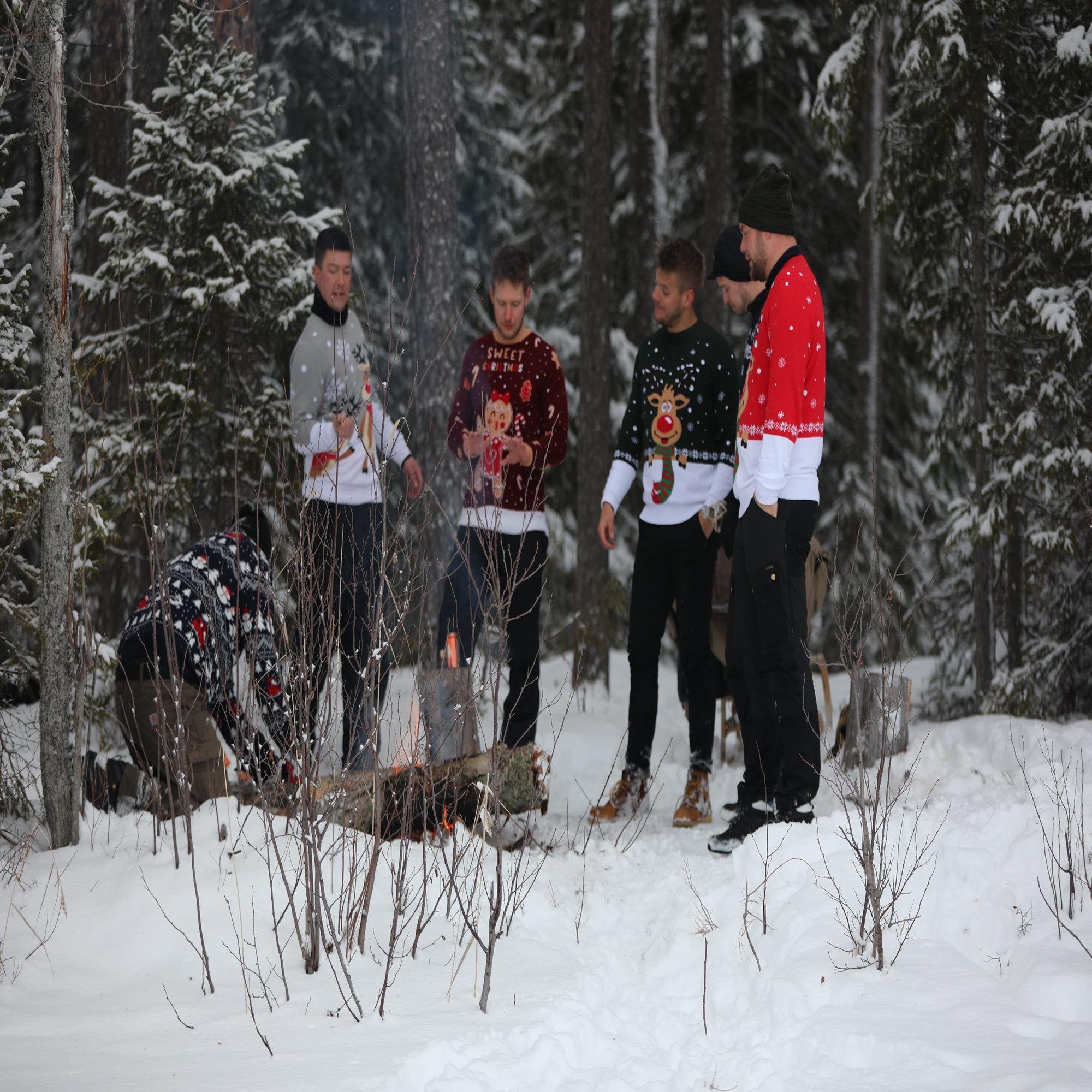
Many people mark Sochelnik with a modest, family‑centred meal and church services rather than large public pageantry, so quieter outfits often suit the evening. If you plan a family gathering, consider a classic Christmas sweater for a cosy look and playful options like an ugly christmas sweater for a lighthearted touch. For children, a kids christmas sweater keeps the atmosphere relaxed and festive.
Practical note
Remember that New Year remains the larger secular holiday in Russia, while 7 January is often more religious and family oriented. For alternatives to knitwear at small household gatherings, see the selection of christmas shirts and the main christmas sweater collection for outfit ideas suitable for both Sochelnik and the holiday season.
Calendar and chronology
The reason civilian dates differ from liturgical ones lies in calendar systems and how they are kept. The Russian Orthodox Church continues to use the Julian liturgical calendar, which slowly drifts behind the Gregorian civil calendar used by most countries. That difference explains why celebrations tied to 25 December in the church calendar fall on a later civil date, and it shapes when services and family rituals happen each year.
Religious practice and liturgy
The lead‑up to the Nativity includes a period of spiritual preparation known as the Nativity fast, lasting roughly forty days from late November until the evening of 6 January. In many parishes and households this is a time for simpler meals and more frequent church attendance. On Sochelnik, the traditional Christmas Eve, families gather for a special evening that often begins only after the first star appears in the sky, followed by a meatless supper and attendance at evening services.
Midnight liturgies and nocturnal hymns are central in numerous churches; services can be long and richly sung, with distinct carols and chants for the Nativity. Rituals such as blessing the table and sharing symbolic dishes tie the domestic observance closely to the church calendar.
Food and family customs
Meals on Christmas Eve tend to be modest and symbolic rather than extravagant. Many families prepare a meatless spread that can include a grain porridge known as sochivo or kolivo, a variety of fish dishes, pickled vegetables, and sweet pastries. The practice of serving twelve dishes, each representing an apostle, is common in many homes. The evening is family centred, with a focus on shared traditions at the table and quiet reflection rather than large public festivities.
Modern history and public life
Public observance changed dramatically in the twentieth century, when religious celebrations were discouraged and many customs moved to the New Year period. As public religion reemerged after the end of the Soviet era, Christmas regained legal recognition and church life revived. Even so, New Year’s festivities remain the largest secular celebration for many people, while the Nativity on the church calendar is frequently observed in a more private and religious way.
How to mark a Russian‑style Christmas at home
For a household looking to reflect Russian Orthodox customs, consider a simple, meatless Christmas Eve menu and a calm, family‑first atmosphere. Outfit choices can support that mood: a classic christmas sweater or matching layers create a cosy, modest look for Sochelnik, while playful options work well for the later New Year gatherings. For families with children, a kids christmas sweater paired with warm loungewear keeps the evening relaxed. If you prefer lighter attire for a casual family dinner, choose a neat christmas shirt that complements the table setting without drawing attention away from the rituals.
Practical timeline summary:
- Late November: Nativity fast begins for many believers.
- 6 January: Sochelnik, Christmas Eve, family meal and evening services.
- Night of 6–7 January: Midnight liturgies in many churches.
- 7 January: Nativity of Christ observed with church services and family gatherings.
Whether your interest is liturgical, cultural, or simply about planning a respectful and meaningful evening, these elements explain why dates and customs differ from Western practice and how you can adapt them thoughtfully at home.
Practical notes on observance
In many places the Nativity is felt more than it is loudly proclaimed. Households and parishes vary a lot in how they mark the days around 6 and 7 January. Some families keep a quiet, church‑centred evening on Sochelnik, while others blend older liturgical rhythm with the more festive New Year habits that grew up during the twentieth century. The common thread is emphasis on family, church services and small, meaningful traditions rather than large public pageantry.
Sensory details help explain why the evening feels special: the faint scent of fir from a modest tree, the warmth from a well‑worn knit as people gather by the table, the soft sound of carols and hymns rising in a dim church, and the smell of baked sweets cooling on a plate. These are the moments that shape how communities remember the Nativity date of 25 December in the Julian calendar, which currently falls 13 days later on the civil calendar as 7 January.
Variations by place and household
Expect differences between cities and villages. Urban families may mix Soviet era New Year parties with a later, more reflective church visit. In rural communities older liturgical forms, the waiting for the first star and the traditional meal remain stronger. Level of observance also depends on personal belief; some households treat 7 January as primarily a religious day, others as an opportunity for a family gathering.
Useful checklist for attending or hosting
- Key dates to remember: 6 January is Sochelnik, 7 January is the Nativity.
- If you attend a service: dress modestly and be prepared for long, sung liturgies.
- For the evening table: keep dishes meatless and include symbolic grain porridges like sochivo or kolivo.
- Set the mood: low light, simple decorations, and a cosy layer such as a comfortable christmas sweater add warmth without stealing attention from the tradition.
Tip: If your family prefers a relaxed evening, swap heavier knitwear for soft loungewear and matching christmas pajamas to keep the atmosphere calm and intimate. Remember that a Christmas sweater should be presented as a ready‑to‑wear garment, not as a homemade item.
Small cultural notes
Language and names are part of the texture. Sochelnik names the evening, sochivo or kolivo names the grain dish, and prazdnik signals a holiday mood. Political choices in some neighbouring countries have changed official dates, which shows how calendar decisions can carry identity as well as liturgical weight. But across regions the same liturgical 25 December remains central in the church calendar; the difference is simply the calendar used.
Frequently asked questions
When does Russia celebrate Christmas?
Officially Russia celebrates Christmas on 7 January, and the evening of 6 January is observed as Sochelnik or Christmas Eve.
Why is Russian Christmas in January?
Because the Russian Orthodox Church uses the Julian liturgical calendar. The church marks the Nativity on 25 December in that calendar, which corresponds to 7 January on the Gregorian civil calendar used widely today.
Is 6 January considered Christmas Eve in Russia?
Yes. Sochelnik on 6 January is traditionally the evening for family gatherings, the first star custom and a meatless supper before the Nativity.
Do Russians also celebrate Christmas on 25 December?
Most people in Russia observe the Nativity on 7 January. Some Orthodox communities and other Christian denominations may mark 25 December, but the dominant Russian Orthodox date is in January.
What is the 40‑day fast before Christmas?
The Nativity fast lasts about forty days, traditionally from late November until the evening of 6 January. It is a time of simpler meals and spiritual preparation for many believers.
Is New Year bigger than Christmas in Russia today?
Yes. New Year often remains the largest secular celebration with public festivities, while 7 January tends to be more religious and family oriented.
Is 7 January a public holiday in Russia?
Yes. Since the post‑Soviet changes the Nativity on 7 January is recognised as an official holiday in Russia.
Also view
15 January 2026
Picture a small family movie night by the tree: soft lights, low conversation and a stack of options for christmas movie recommendatio...