


4 December 2025
When is Christmas celebrated in Italy?

Christmas in Italy unfolds as a season rather than a single day, combining religious observance, family meals and public festivities across several key dates. The principal day is 25 December (Natale), while 24 December (La Vigilia) is traditionally for evening gatherings and church services, and 6 January (Epiphany or La Befana) commonly marks the end of the festive period. Note: Some Orthodox communities observe Christmas on 7 January.
Core dates to remember
25 December is the main celebration for most Italians, with family feasts, civic events and many churches holding services. The day after, 26 December (Santo Stefano), is a national holiday and often sees more visiting and relaxed family time. For casual family moments—especially when relatives gather around the table or exchange small gifts—many people choose a playful outfit, and a Christmas sweater can add an easy, festive touch without stealing the focus from tradition.
24 December, known as La Vigilia, is typically the evening for special meals and Midnight Mass in many communities. In some towns the night includes processions or late-night gatherings that lead straight into Natale, and light displays or markets may already be open earlier in December.
Seasonal span and public rhythms
Seasonal span: The Italian Christmas period is commonly described as running from 24 December through 6 January, though markets and public decorations often begin after 8 December in many towns. Public holidays and most major celebrations concentrate on 25 and 26 December, while cultural events, illuminated trees and markets can stretch well into January.
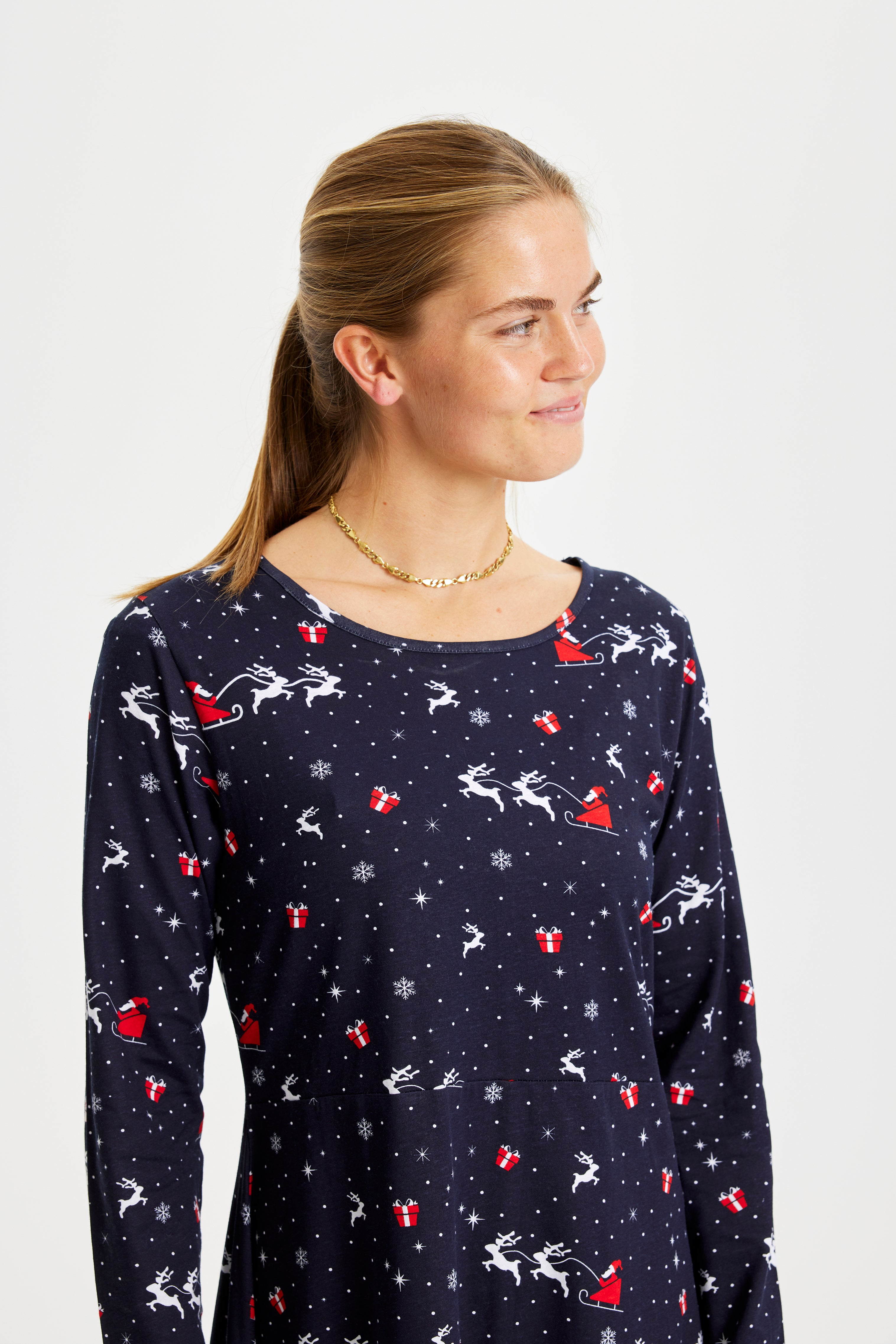
The close of the season on 6 January brings La Befana, a folkloric gift-bringer whose visit is especially important for children; families sometimes keep a relaxed, home-focused day where matching sleepwear and small treats are part of the fun. If you like coordinated family looks for that morning, consider matching Christmas pajamas or a humorous option like an ugly christmas sweater to keep celebrations lighthearted.
Quick orienting fact
Public holidays and official closures focus on Natale and Santo Stefano, so plan travel and visits around 25–26 December; markets, concerts and civic displays often start earlier and continue through Epiphany on 6 January.
Calendar overview and key dates
8 December is the Feast of the Immaculate Conception and in many towns this date signals the start of public decorations and official light switch-ons. 24 December is La Vigilia where families gather for a special evening meal and many attend Midnight Mass. 25 December is Natale, the principal family and religious day, followed by 26 December which is Santo Stefano and a national holiday for visiting relatives. 1 January is Capodanno with fireworks and civic events in larger towns. 6 January is Epiphany or La Befana and traditionally marks the close of the season; children often wake to small gifts or sweets on that morning. Some Orthodox communities observe Christmas on 7 January according to their calendar.
Religious practices and the presepe
Midnight Mass and Christmas Day services remain central in predominantly Catholic areas and many towns stage public liturgies that bring the community together. The presepe or nativity scene is a longstanding focal point in private homes and public squares, with elaborate displays that reflect local crafts and stories. Visiting a notable presepe can be as meaningful as attending a service, since these scenes often hold layers of local identity.
Signature traditions and public spectacles
La Befana is a folkloric figure who delivers sweets or coal to children on the night of 5 January into 6 January, and processions or markets connected to this day are common. Public spectacles range from large illuminated trees and civic light shows to torchlight or lantern processions in hillside towns. For example, Gubbio is famous for its hillside tree display while Abbadia San Salvatore stages a memorable torch ceremony that blends local ritual with communal gathering. Seasonal markets in historic centres offer crafts and regional treats and are a useful way to experience local customs across many towns.
Food and festive menus
Sweet staples such as panettone, pandoro and torrone appear throughout the season and can serve as a simple, unifying treat when visiting different homes. Christmas Eve meals commonly feature fish or seafood in many coastal areas, while Christmas Day and Santo Stefano tend to highlight richer meat dishes, pasta or regional specialties. Menus vary by area and family, so a meal is often the most direct expression of local identity during the holidays.
Regional variety and examples
Northern regions often emphasise alpine markets, artisanal pastries and outdoor ice rinks, whereas southern and coastal areas typically give more weight to seafood on La Vigilia and distinctive Epiphany customs. Notable local highlights include Perugia with its market of crafts and food, the illuminated tree of Gubbio, and the torch ceremonies in places like Abbadia San Salvatore. These events illustrate how a common holiday calendar gives rise to widely different local expressions.
Practical calendar note and festive dressing
Public holidays concentrate on 25 and 26 December so many smaller shops and services operate reduced hours those days. If you plan to join family mornings or informal gatherings on Epiphany, families sometimes adopt coordinated sleepwear or playful garments for photos and small gift exchanges. A lighthearted christmas sweater can be a quick, festive nod at a casual family lunch, and many households choose matching christmas pajamas for Epiphany morning. Children frequently enjoy a special outfit too, so consider a cheerful kids christmas sweater when planning family moments.
What to expect on the main days
Expect a quieter public life on Natale and Santo Stefano with emphasis on private meals and family visiting. Markets, concerts and illuminated displays often run from early December through Epiphany, providing many opportunities to combine civic events with domestic traditions. Planning around these key dates makes it easier to experience both solemn observances and lighter, more playful customs that define the season.
Modern changes in Italian Christmas
Cities and small towns have folded new layers into a long tradition, so that the season now feels both familiar and freshly lively. Markets have grown larger and more design conscious, with stalls offering handcrafted goods alongside regional food. The scent of pine mingles with warm pastry and roasted nuts, and the hum of holiday music gives a continuous soundtrack to illuminated streets. At the same time, Midnight Mass and the presepe remain anchors of meaning, so that public spectacle and private devotion sit comfortably side by side.
Retail rhythms have shifted too. Many shops time their main promotions to early December and the lights are often switched on around 8 December, so the busiest tourist moments are concentrated before Natale. Yet some towns have embraced slower, more atmospheric programming that stretches from the first light switch-on through Epiphany. If you enjoy wearing a festive garment while wandering markets, a soft christmas sweater can feel like a small, warming tradition as you sip hot chocolate near a stall or listen to a carol concert in a square.
Planning travel and timing
Practical planning makes the difference between a rushed trip and a relaxed season. Public life quiets on 25 and 26 December, so organise arrivals and departures with those closures in mind. Many markets and light displays run special schedules, and some museums or attractions may close for a day or two around major holidays. Weather varies a lot from region to region. You will feel the cold more sharply in northern mountain towns, while coastal areas stay milder; pack layers, a warm hat and shoes suitable for cobbled streets.
If you prefer to blend into local mornings, bring a cosy set of nightwear for quiet Epiphany moments at your accommodation. Many visitors enjoy matching sleepwear for a relaxed morning after a long evening of lights and food, so consider matching matching christmas pajamas if you want coordinated comfort without fuss.
Day-by-day timeline from 24 December to 6 January
- 24 December, La Vigilia: Evening gatherings and Midnight Mass in many towns.
- 25 December, Natale: Main family feast day and central religious services.
- 26 December, Santo Stefano: Continued visiting and a national holiday.
- 27–30 December: Markets and concerts fill afternoons and evenings.
- 31 December, Capodanno eve: Fireworks and public celebrations in larger towns.
- 1 January, Capodanno: A quieter day with many civic events and late breakfasts.
- 2–4 January: Regional fairs and exhibitions, good for local food and crafts.
- 5 January: Festive markets and processions build toward Epiphany.
- 6 January, Epiphany: La Befana and local gift customs mark the season’s close.
Regional spotlights to inspire an itinerary
Gubbio offers a hillside lighting that feels like an enormous, living decoration watched from the cold air of a square while you breathe out visible clouds. In Perugia markets wind through medieval streets where the smell of panettone and roasted chestnuts invites lingering. Abbadia San Salvatore stages torch ceremonies that carry both rhythm and warmth, where the crackle of flames and the murmur of a crowd create a memorable evening.
Frequently asked questions
What is the main day Italians celebrate Christmas?
25 December is the primary celebration. La Vigilia on 24 December and Epiphany on 6 January are important parts of the season as well.
When do Christmas decorations typically go up?
Many towns and households begin decorating and switch on public lights after 8 December, the Feast of the Immaculate Conception.
Who is La Befana and when is she said to visit?
La Befana is a folkloric gift-bringer associated with Epiphany. Her visit is said to happen on the night of 5 January into 6 January.
Do any churches celebrate Christmas on a different date?
Yes. Some Orthodox Christian communities observe Christmas on 7 January according to the Julian calendar.
What foods are most associated with Italian Christmas?
Panettone, pandoro and torrone are classic seasonal sweets. Christmas Eve often features fish dishes in many regions, while Natale usually centres on meat, rich pasta dishes or local specialties.
Are there important regional events to know about?
Yes. Examples include Gubbio’s large illuminated tree display, Abbadia San Salvatore’s torch ceremony and numerous historic town markets such as those in Perugia.
How long does the Italian Christmas season last?
Practically, the season runs from early December light switch-ons through Epiphany on 6 January, with many towns concentrating public holidays around 25 and 26 December.
Also view
15 January 2026
Picture a small family movie night by the tree: soft lights, low conversation and a stack of options for christmas movie recommendatio...