
15 December 2025
When is Christmas celebrated in Spain?

Christmas in Spain is less a single day than a festive season, with official holidays and popular customs shaping when and how people celebrate. You will find quiet family meals, public parades and moments that feel like the real culmination of the season rather than a single climax.
Quick answer
December 25 is Navidad and is an official public holiday that serves as a core family day. December 24 is Nochebuena, the evening when many families gather for a special meal and some attend midnight Mass. January 6 is Día de los Reyes, traditionally the main gift day for children after the evening parades on January 5. Important markers that extend the season include the national lottery draw in late December and New Year’s Eve customs on December 31, with regional feasts sometimes starting in early December.
Scope overview
The season commonly runs from early December through January 6, and the practical focus here is on timeline, key rituals and public-holiday dates rather than deep historical detail. If you plan to join family moments or local parades, consider what to wear for photos and gatherings; a festive Christmas sweater can be a lighthearted way to fit in at both informal dinners and public events, and you can find styles that suit families and parades here.
What to expect
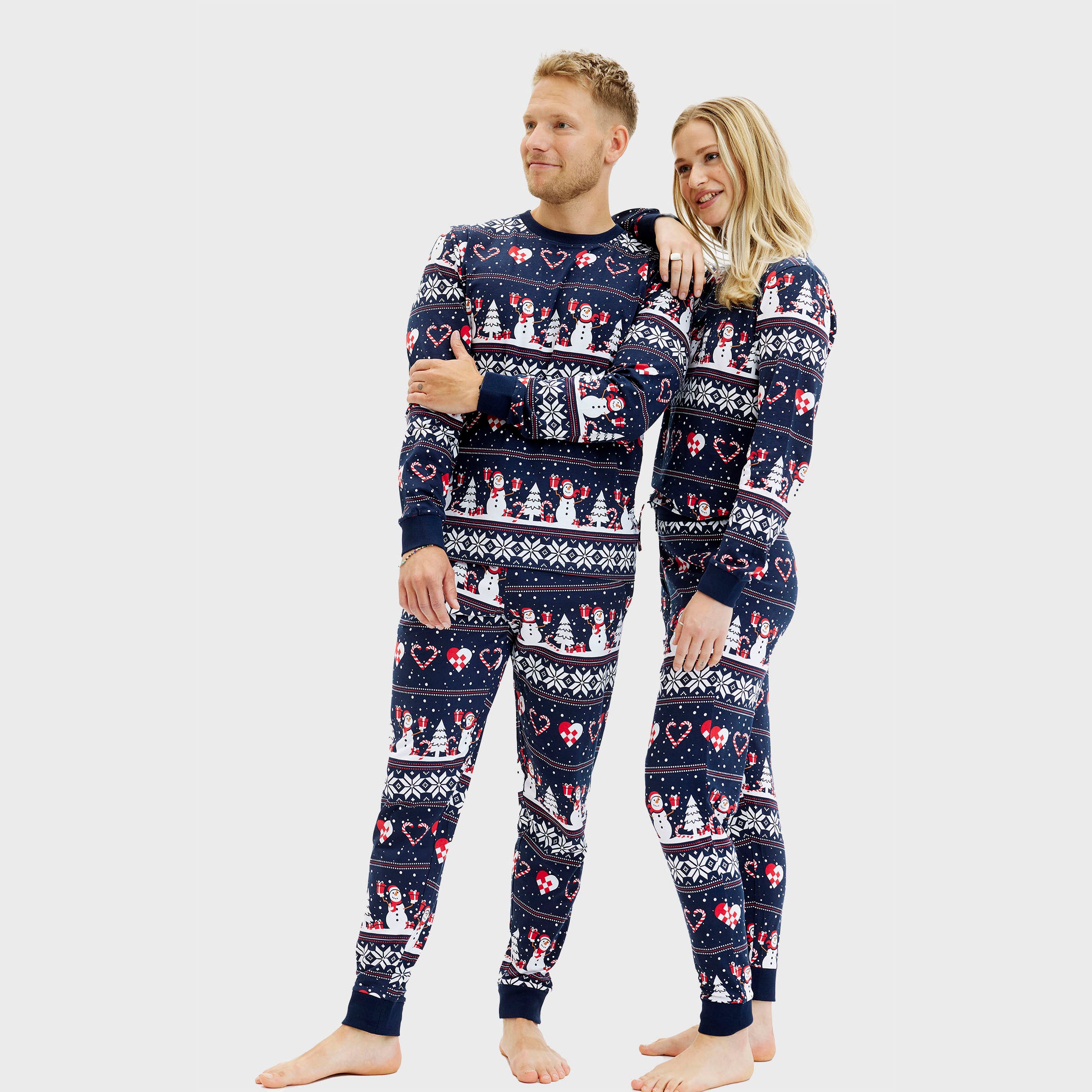
You should expect evenings reserved for family, public days for gatherings, and a strong emphasis on the Three Kings celebrations as the season’s traditional finale. Children often look forward to gifts on January 6, so family clothing choices often include matching outfits or fun themes; many parents pick a kids christmas sweater for younger children to wear during the Cabalgata and at home here. For more playful gatherings and office parties, ugly christmas sweater events are common and provide an easy way to join the mood see options. For relaxed family mornings after big nights, matching christmas pajamas make photos and routines simpler and cozier browse matching sets.
Short and practical, this introduction frames when Spain celebrates and what typical moments look like so you can pick the right dates to travel, join a family table or plan festive outfits that respect local customs.
Key dates and timeline
The Christmas period in Spain unfolds across several dates rather than a single day, and knowing the sequence helps you plan visits, meals and public events.
- 6 December: Regional observances, in some areas this marks the informal start of festive activity.
- 22 December: El Gordo national lottery, a widely followed broadcast that many consider the moment the season truly begins.
- 24 December: Nochebuena, an evening family meal often followed by Misa del Gallo for those who attend midnight Mass.
- 25 December: Navidad, an official public holiday and a central daytime family celebration.
- 28 December: Día de los Santos Inocentes, a day for lighthearted pranks and humorous media stories.
- 31 December: Nochevieja, New Year’s Eve customs include the twelve grapes at midnight in many households and public squares.
- 5 January: Cabalgata de Reyes evening parades in towns and cities, where floats and performers distribute sweets and herald the Three Kings.
- 6 January: Día de los Reyes, the traditional finale and the main day for children to receive gifts.
Religious and cultural practices
Catholic rituals remain central to how many people observe the season. Misa del Gallo is the best known religious service, and nativity scenes called belén appear everywhere from churches to shop windows as a visual anchor for the holidays. The Three Kings tradition places gift giving on 6 January as the culturally emphasised moment for children, though smaller exchanges on 24 or 25 December are increasingly common.
Typical foods and seasonal treats
Food plays a clear role in the calendar and helps mark special days.
- Roscón de Reyes, a ring shaped sweet bread traditionally eaten on or around 6 January.
- Turrón and polvorones, nougat and almond sweets that appear throughout the season.
- Special family feast menus on Nochebuena and Navidad, which may feature seafood, roast meats or regional specialties depending on location.
Observed variations and what they mean
Top sources agree that 25 December is the official public holiday yet emphasise that the festive period commonly extends to 6 January. El Gordo on 22 December is often cited as a cultural milestone that signals the holiday mood, while gift giving varies by household and region. Urban centres frequently host large Cabalgata parades and markets, whereas smaller towns may place more emphasis on church services and local festivities. If you plan to be in public spaces, expect schedules and opening hours to shift around the major dates.
Practical notes on outfits and public events
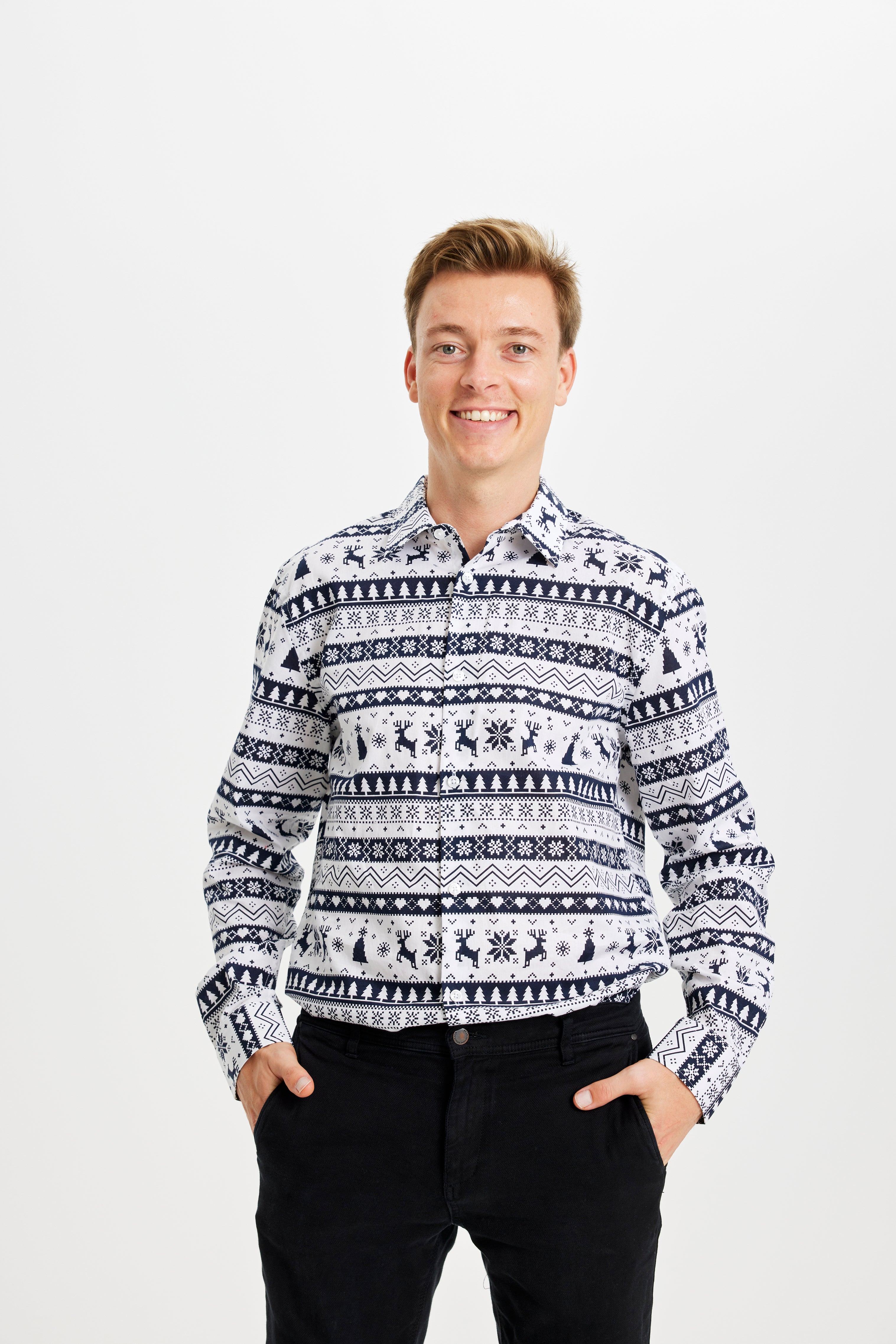
When attending parades or family gatherings, people often choose festive but practical outfits. A smart Christmas sweater can work well for casual daytime events and family photos, while matching kids outfits are popular for parades and breakfast traditions. For adults looking for playful options, an ugly christmas sweater is a common choice at social gatherings. If you want family coordinated looks, consider checking available styles and sizes for both adults and children in advance.
See a selection of christmas sweater options for adults and kids to match parade plans and family photos here and explore playful designs including an ugly christmas sweater for themed get togethers here. For younger participants, a kids christmas sweater can make the Cabalgata morning extra fun here.
Summary
The season runs from early December markers through the Three Kings on 6 January, with 25 December as the official public holiday and 6 January as the traditional gift day for children. Understanding the timeline makes it easier to join local meals, attend parades and pick appropriate festive clothing for each occasion.
Regional differences and local colour
Spain’s festive season takes on a distinct flavour from region to region, and that variety is part of its charm. In Catalonia you might hear the soft rattle of caganer figurines tucked into nativity scenes, while in Andalusia the scent of orange blossoms and roasted chestnuts mixes with the sharp tang of sea air. In Valencia and the Canary Islands evening parades are often louder and more theatrical, with bands and floats filling the streets and the sound of laughter blending with carnival-style trumpets.
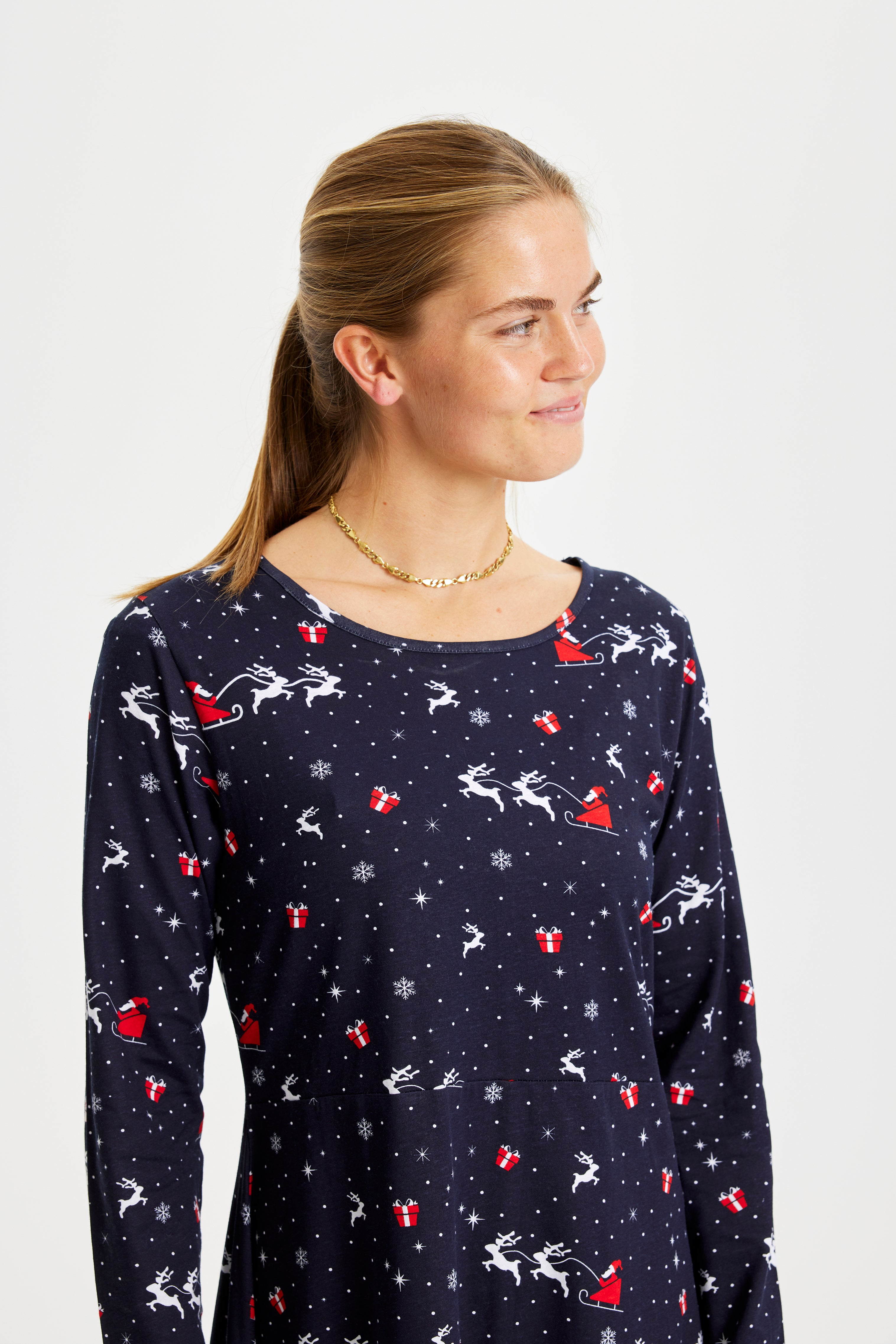
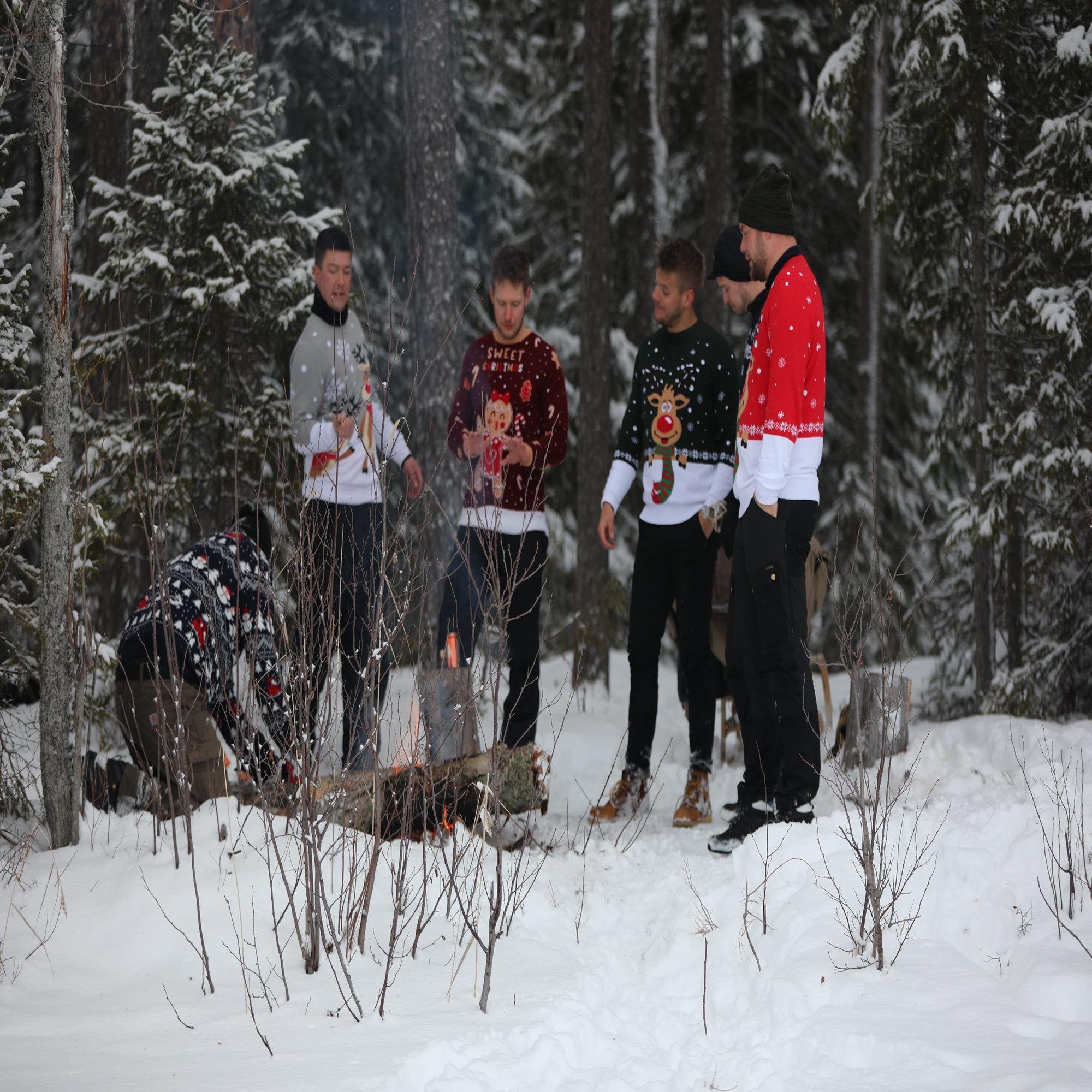
City centres host grand Cabalgata parades that throw candy into the cheering crowds, while smaller towns keep the focus on church gatherings and communal meals. Regardless of place, the season is a time for sensory moments: the warmth of a wool sweater against cool night air, the crackle of market lights, and the comforting smell of turrón and home baking shared between neighbours. A cozy christmas sweater works well in many settings, whether you want a festive layer for a chilly parade evening or something comfortable for a slow morning at home. For a range of styles to match street parades and family photos, take a look at the christmas sweater collection here.
Practical calendar summary:
- Early December. Decorations, markets and local concerts start to appear, especially around major plazas and shopping streets.
- 22 December. The national lottery draw brings a shared nationwide moment and often marks the start of holiday chatter.
- 24 December. Nochebuena evenings are usually reserved for family dinners; many shops close early and nights feel hushed in residential areas.
- 25 December. Navidad is an official public holiday, a daytime focus for family visits and extended meals.
- 31 December. New Year’s Eve fills squares with music; the twelve grapes at midnight add playful rhythm to the celebrations.
- 5 January. Evening Cabalgata parades roll through towns and cities, warming the streets with lights and noise.
- 6 January. Día de los Reyes concludes the season with family gatherings, festivals and the roscón shared at table.
Social trends and modern twists
While traditions remain strong, modern life has introduced new rhythms. More households now pair the traditional 6 January gift day with small presents on 24 or 25 December, and tourist-friendly markets and concerts mean festive activity spills across weekends. Urban celebrations have become more theatrical, with creative floats and themed lights, whereas rural places often preserve slower rhythms of church services and communal meals. At home, people embrace cosy mornings in matching christmas pajamas or slip into a fun ugly christmas sweater for casual gatherings, adding personal touches to long-standing customs.
Frequently asked questions
Is the Three Kings tradition still central in Spain?
Yes. The arrival of the Three Kings remains a cultural cornerstone, with Cabalgata parades on 5 January and gift giving on 6 January anchoring the season for many families. This tradition coexists with growing practices of exchanging small gifts earlier in the season.
When is the best time to visit to see major parades and markets?
The most eventful nights are late December for markets and festive lights, and the evening of 5 January for the Cabalgata parades. If you want to feel the full local pulse, plan for late December through early January and expect crowds in city centres.
Do shops and services close around the holidays?
Yes. Public holidays such as 25 December and 6 January affect opening hours. Many businesses close early on Nochebuena and remain limited on key dates, so plan grocery shopping and travel arrangements ahead.
What is appropriate to wear to public celebrations?
Comfortable layers are best. Parades and markets can be chilly in the evening, so a warm coat and a festive christmas sweater or christmas loungewear for daytime photos keep you both presentable and snug. Choosing breathable fabrics helps if you move between outdoor streets and heated indoor spaces.
Are there important regional foods to try during the season?
Yes. Seek out roscón de Reyes around 6 January and sample turrón and polvorones throughout December. Regional dishes vary, from seafood feasts in some coastal areas to hearty roasts inland, each contributing to the season’s rich sensory tapestry.
Also view
15 January 2026
Picture a small family movie night by the tree: soft lights, low conversation and a stack of options for christmas movie recommendatio...