



27 December 2025
When is Christmas in Greece?

Christmas in Greece is celebrated on 25 December. The Greek Orthodox Church uses the Gregorian calendar for the Nativity, so the main public and liturgical observances fall on that date. Some other Orthodox churches follow the Julian calendar and mark Christmas on 7 January, which corresponds to 25 December on the older calendar.
Direct answer
On 25 December you can expect church liturgies, family meals and public holidays across Greece. The day is followed by 26 December, which is also observed as a holiday with church services and visits to relatives. Important linked dates in the season include 1 January, when many mark St. Basil and the New Year, and 6 January, Epiphany or Theophany, when water blessings and cross-diving ceremonies take place in coastal towns.
What this means for families
Practices vary by region: some households exchange gifts on 25 December while others wait until St. Basil’s Day. If you are planning outfits or small presents for family gatherings, consider festive options such as a classic Christmas sweater or matching kids Christmas sweater for younger relatives. Carols known as kalanta are often sung by children around the holiday, and local customs shape menus and gatherings in the run-up to the feast.
Sources and travel guides consistently report 25 December as the accepted date in Greece, so when you plan visits or events, use that date as the reference. For a more playful touch at parties, many people also choose a funny Christmas sweater to join in the festive atmosphere.
Background on the date
The Greek Orthodox Church celebrates the Nativity on 25 December because it follows the Gregorian calendar for that feast, while some other Orthodox churches still observe the older Julian calendar and therefore mark their Nativity on what falls as 7 January in the civil calendar. This distinction comes from calendar reforms introduced centuries ago and later adopted at different times by churches, which created parallel observance dates across the Orthodox world.
The nativity fast
Around forty days before 25 December many faithful enter the Nativity Fast, a period of preparation that shapes both personal devotion and everyday life. The fast traditionally emphasises restraint in dietary choices and increased attendance at services. In practice households often plan simpler meals during this period and save richer, celebratory dishes for the feast day itself.
Main liturgical observances
Churches hold special liturgies on the morning of 25 December with readings and hymns that focus on the Nativity. Families commonly attend a Nativity liturgy or vespers in the days surrounding the feast, and home icon corners receive particular attention with prayers and short blessings. Clergy-led blessings in parishes reinforce the central religious meaning of the day.
Family meals and common customs
Food plays an important role in household celebrations. Many families prepare a substantial main course for the festive meal, often featuring roasted or stuffed poultry and a selection of regional sweets and pastries. In the weeks before the feast, menus reflect the fasting period, then shift to richer preparations on 25 December.
Children traditionally sing carols known as kalanta, going from house to house or performing at family gatherings; these songs are part of the social fabric of the season and are often accompanied by small treats or coins. Gift exchange practices vary: some families present gifts on 25 December, while others reserve gift-giving for 1 January, the day associated with St Basil in the calendar.
Public holidays and civic rhythm
- 25 December: Nativity, public holiday with church services and family gatherings
- 26 December: Second day of Christmas often observed with additional services and visits
- 1 January: New Year and St Basil, another public holiday when some families exchange gifts
- 6 January: Epiphany or Theophany, marked by water blessing ceremonies
Public offices and many businesses close on the official holidays, so the civic rhythm of the season follows these dates closely.
Local customs and Epiphany ceremonies
Coastal towns and islands place particular emphasis on Epiphany ceremonies, where clergy bless seawater and a priest or youth throws a cross into the water for swimmers to retrieve. These ceremonies vary in scale and style from place to place, with processions and communal gatherings common in waterfront communities.
Festive clothing and small touches
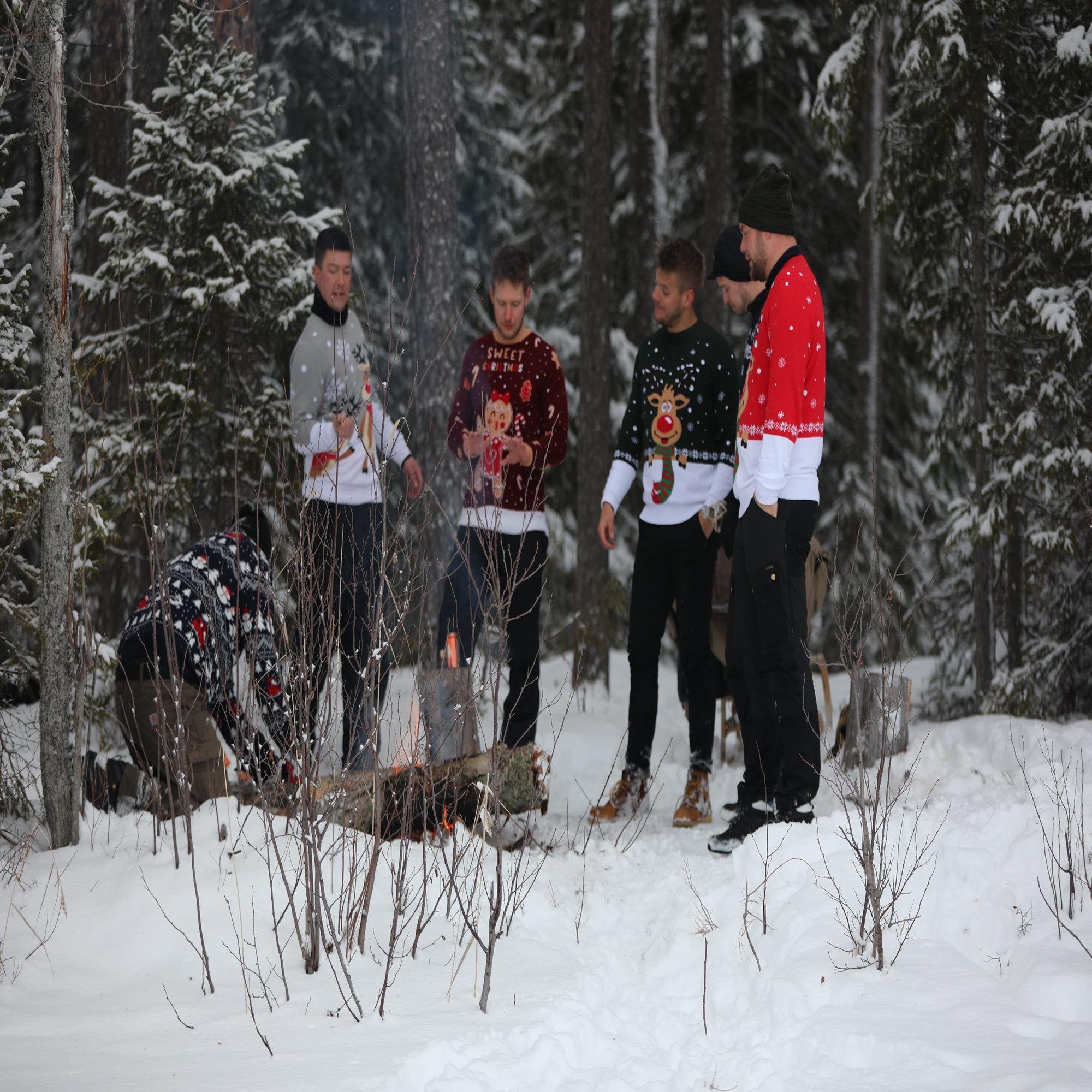
For family gatherings many people choose smart or playful outfits rather than formal wear. A classic christmas sweater remains a popular, easy option for relaxed dinners, while coordinating choices for children add a festive note; consider pairing a christmas sweater with a kids christmas sweater for family photos or informal parties. Accessories such as seasonal socks or a holiday dress can also make dressing for celebrations simple and cheerful.
Quick practical notes
- The Nativity Fast begins about forty days before 25 December
- Main liturgies are held on 25 December and the following day
- Gift-giving customs differ by family, with 1 January often important
- Epiphany on 6 January features water blessings, especially in coastal areas
Christmas season timeline in Greece
Quick timeline: Nativity Fast begins roughly forty days before 25 December, setting a quieter tone with simpler meals and more frequent church attendance. On 24 December many households gather in the evening, lighting candles and making final preparations while the scent of pine and warm baking fills the air. On 25 December the Nativity is celebrated with morning liturgies and family meals that bring rich flavours back to the table. The second day, 26 December, continues with church services and visits among relatives and friends. On 31 December families and neighbourhoods welcome the New Year with music and small parties that carry the scent of orange peel and spices. On 1 January households mark St Basil and often exchange gifts. The season closes with 6 January, Epiphany or Theophany, when coastal towns fill with the sound of bells and water blessing ceremonies.
Practical cultural notes for visitors
Christmas in Greece is warm and communal, yet liturgy and local custom remain central. Easter still holds the greatest religious significance for many, but Christmas brings a steady rhythm of church services, festive food and social gatherings. Urban areas blend religious observance with bright street lights, markets and carols that drift through squares. In smaller towns the smell of roasted poultry and citrus is stronger, and processions or blessings can feel like stepping into a lived tradition.
The Nativity Fast shapes the season in a tangible way: menus move from lighter, fasting-friendly dishes to celebratory plates on 25 December. If you attend a midday feast you may notice regional pastries and slow-roasted mains that reflect local soil and sea. For an easy, comforting touch at a family meal, many people choose to wear a cosy christmas sweater or soft loungewear while sharing stories, which adds to the warmth from the knit and the glow of candlelight.
Regional highlights and sensory moments
Island and coastal communities often stage dramatic Epiphany ceremonies where a priest blesses the water and a cross is cast into the sea for swimmers to retrieve. The experience is full of sea-salt air, shouted cheers and the clink of warming cups afterward. Inland villages may offer quieter vigils, the smell of wood smoke mixing with spices from kitchens. Across Greece, kalanda and seasonal songs fill market streets and tavernas with melody, creating a soundtrack that pairs well with the scent of pine and the warmth of wool.
Tips for planning around the holidays
- Plan travel and bookings for 25 December and 1 January well in advance, as public services follow the holiday calendar.
- Expect some shops to close or to have reduced hours on official holidays, while tourist areas often stay lively.
- Wear comfortable layers for outdoor Epiphany events; a warm sweater or festive loungewear is practical and fitting for the mood.
Frequently asked questions
When is Christmas in Greece?
Christmas in Greece is celebrated on 25 December, following the Gregorian calendar for the Nativity.
Do any Orthodox churches celebrate Christmas on a different date?
Yes. Some Orthodox churches use the Julian calendar and therefore observe Christmas on 7 January in the civil calendar, which corresponds to 25 December on the older calendar.
Do Greeks open presents on Christmas Day?
Customs vary by family and region. Many households exchange gifts on 1 January for St Basil, while others exchange on or around 25 December.
What is the Nativity Fast and when does it start?
The Nativity Fast is a period of roughly forty days of preparation before Christmas, beginning about forty days prior to 25 December. It influences daily meals and encourages increased attendance at services during the weeks leading to the feast.
What other important dates are part of the Greek Christmas season?
Key related dates are 26 December for the Synaxis of the Theotokos, 1 January for St Basil and the New Year, and 6 January for Epiphany or Theophany, when water blessings and cross-diving ceremonies take place.
What happens on Epiphany / Theophany on 6 January?
Churches perform the Blessing of the Waters; a cross is often thrown into the sea or a river and swimmers retrieve it in a ceremony thought to bring blessings for the year. Coastal towns especially mark this day with public gatherings and processions.
Also view
15 January 2026
Picture a small family movie night by the tree: soft lights, low conversation and a stack of options for christmas movie recommendatio...