



5 December 2025
When is Christmas in Italy?

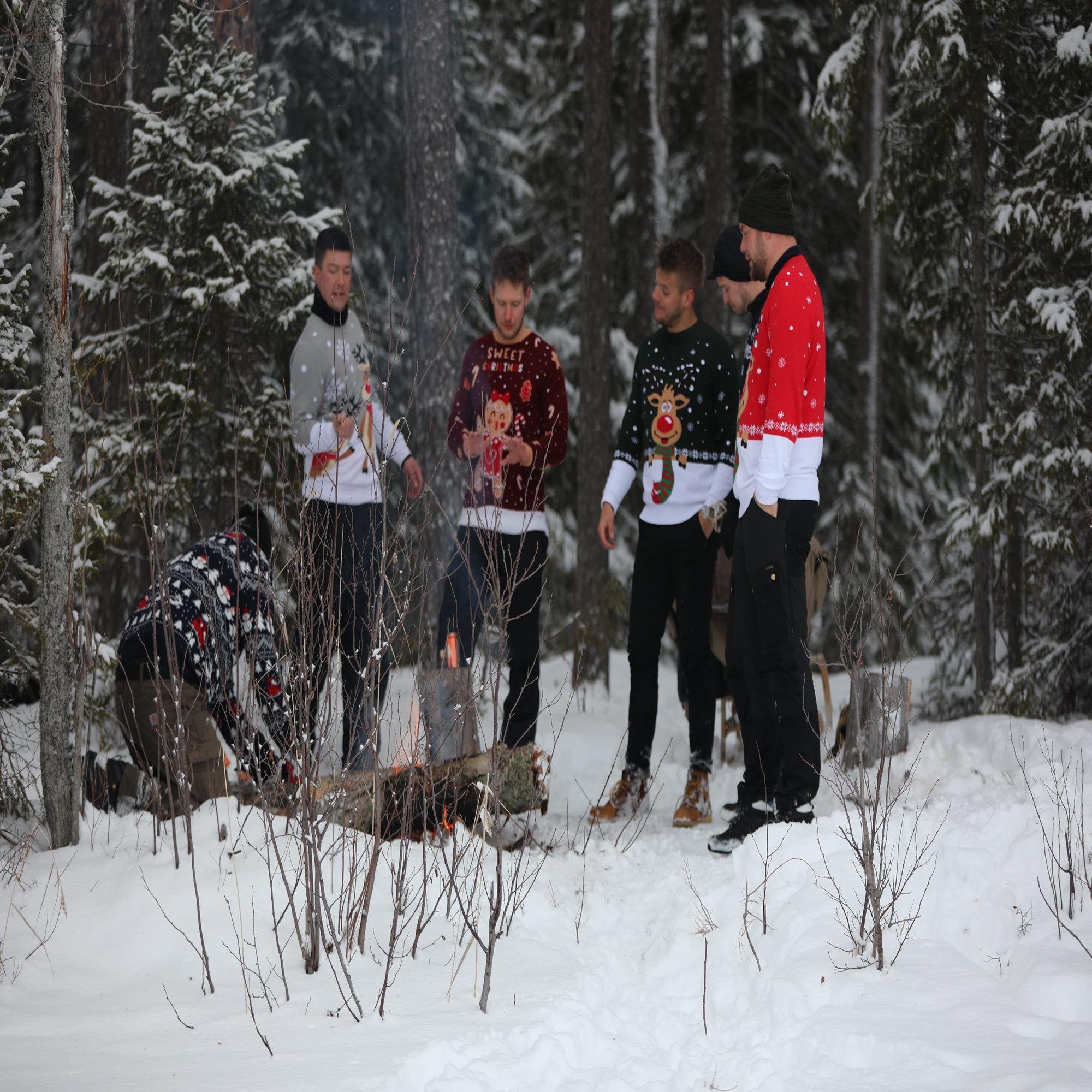
Natale (Christmas Day) falls on 25 December in Italy, and Santo Stefano (Boxing Day) is 26 December and also a national public holiday. The festive season commonly stretches beyond those two dates, generally running from late November or the start of Advent through Epiphany on 6 January. If you are planning family gatherings, consider something festive to wear: a classic Christmas sweater or matching pajamas can be part of the day without overpowering the church services and local events that many towns host.
Quick answer
Quick answer: Natale is 25 December and is a national public holiday across Italy; Santo Stefano on 26 December is also a national holiday. The season around those dates is what most travel guides focus on, since markets and public celebrations often begin in Advent and run until Epiphany on 6 January.
Snapshot facts
- 25 December: Natale (Christmas Day) — national public holiday throughout Italy.
- 26 December: Santo Stefano (St. Stephen’s Day) — national public holiday and commonly a day for additional visits and municipal events.
- 6 January: Epiphany (La Befana) — widely observed with processions and markets in many towns.
How sources frame the question
Official calendars present the dates plainly as public holidays for quick verification, while travel and market guides use 25 December as the climax of a longer festive period focused on mercatini, church services and local traditions; cultural articles often prioritise regional practices and events rather than just the calendar dates. For visitors who want to blend in with local celebrations, novelty options such as an ugly Christmas sweater or themed Christmas pajamas are easy ways to join informal gatherings and market strolls without detracting from religious or civic observances.
In short, if you need a concise answer use the official dates 25 and 26 December; if you are planning travel or attending markets, allow for a season that typically begins in late November and ends with Epiphany on 6 January. For year-specific closures and event times check municipal tourism sites and official holiday calendars before you go.
Official holiday status and calendaring
Official calendars make the legal position clear: Natale on 25 December and Santo Stefano on 26 December are listed as national public holidays. Practical note: Calendars highlight whether those dates fall on a weekday or weekend in a given year, and that detail directly affects opening hours for shops, banks and municipal services.
For planners and visitors, the concise listings on government and calendar sites remain the quickest way to verify closures and services. Travel guides and event listings then layer on top of those dates, showing that the civic recognition of 25 and 26 December sits inside a much wider seasonal programme of markets, church services and public events.
Typical seasonal timeframe as presented by guides
Market and travel guides generally frame the season from late November or the start of Advent through Epiphany on 6 January. Practical note: Many mercatini announce opening and closing dates that begin in mid or late November and run either until just before Christmas or all the way through early January, depending on local decisions and event schedules.
Where a single date is important, 25 December remains the legal holiday; where experience matters, guides focus on the period’s events, such as evening markets, special services and local festivities that extend beyond the official holiday dates.
How different sources treat the question
Calendar and public holiday sites present the facts plainly, useful for confirming official time off and transport availability. Travel and market guides treat 25 December as the season’s peak and emphasise the opening periods of markets and town programmes. Magazine and cultural pieces give context by detailing common observances and municipal event calendars rather than offering just a single date.
Practical note: If you want both a factual baseline and event planning, consult an official holiday calendar alongside the local tourism office’s event pages for the town or city you plan to visit.
Local variation and event timing
Many towns keep lights, markets and activities running beyond the single legal date. Practical note: Midnight Mass on 24 December and processions around Epiphany on 6 January are often listed separately from the civil public holiday, so check specific church and municipal schedules if those events matter to your plans.
Where clothing or small gestures matter in public spaces, casual festive wear is commonly seen at markets and community gatherings. For easy packing ideas that work for strolling markets and family stays, consider a tasteful christmas sweater and lightweight layers. If you plan to coordinate outfits for informal family mornings, matching christmas pajamas are an option many people mention when describing seasonal packing.
Practical implications for travellers
Public services, many shops and some transport links will be closed or on reduced schedules on 25 and 26 December; exact arrangements depend on the municipality and whether those dates fall on weekends. Practical note: Bookings for accommodation and special events should be checked well in advance for Advent weekends, the week of 25 December and Epiphany on 6 January, since organisers often publish year‑specific timetables.
Common questions?
Q: When is Christmas in Italy?
A: Christmas Day (Natale) is 25 December; it is a national public holiday.
Q: Is 26 December a public holiday in Italy?
A: Yes. 26 December is Santo Stefano and is also a national public holiday.
Q: When do Christmas markets typically run?
A: Many markets run from mid or late November through December; some continue until early January or Epiphany on 6 January. Exact dates vary by town.
Q: Are shops and services closed on 25 and 26 December?
A: Many shops, banks and public offices close or operate reduced hours on 25 and 26 December; closures depend on local decisions and calendar placement in the week.
Q: Where can I find exact event and closure dates for a given year?
A: Municipal tourism offices, local event listings and official holiday calendars publish year‑specific dates for markets, masses and public service closures. Practical note: Checking those sources will give the most reliable, up‑to‑date information for planning visits and timing outfits for events.
Regional notes and market rhythms
The north of Italy often feels like a postcard when lights come on and the first mercatini open. Stalls hum with the smell of roasted chestnuts and honed wood candles, while the sound of local carols drifts through the lanes. Many markets in cities and alpine towns start in mid or late November and run into December or even until Epiphany on 6 January, so there is plenty of time to wander under strings of bulbs.
In central and southern areas the mood shifts toward processions, elaborate presepi and town squares where spices and citrus mingle in the air. Here the emphasis is less on a single market calendar and more on communal events, often listed week by week by the local municipality. Check those municipal pages for exact dates, because schedules vary from one town to the next and are updated each year.
Common event timings and what to expect
The rhythm of the season is familiar: quiet mornings with the scent of baking, lively evenings in market lanes and the hush of Midnight Mass in many churches on 24 December. If you plan to time your visit to a specific event, these points are useful to bear in mind.
- 24 December. Christmas Eve is often reserved for family dinners and late church services, culminating in Midnight Mass in many parishes.
- 25 December. Natale is the national holiday and a day for family gatherings and leisurely meals.
- 26 December. Santo Stefano remains a public holiday and is often used for extra visits and small municipal events.
- 6 January. Epiphany or La Befana commonly closes the festive season with processions and final market days in many towns.
Timing your trip and practical details
Transport and services adjust to the calendar: banks, many shops and some public transport routes will be closed or on reduced timetables on 25 and 26 December. Booking accommodation for Advent weekends, the week around Natale or Epiphany should be done in advance, since popular markets and special concerts attract local and international visitors. For the most reliable information consult municipal tourism sites and the official holiday calendar for the region you plan to visit.
Market schedules themselves are often announced with seasonal programmes that include evening concerts, artisan demonstrations and special food stalls. Many towns keep lights and activities running beyond 25 December, so an itinerary that allows for slow mornings, market strolls and a few evening events will capture the full atmosphere. If you enjoy blending in at a market, a comfortable christmas sweater and warm layers are perfect for evening walks. For cosy mornings at a rental or guesthouse, consider bringing matching christmas pajamas for relaxed photos and a sense of togetherness without being formal.
Small cultural notes to enrich visits
Listen for local variations: northern towns may stage alpine choirs and ice rinks, while central squares will show hundreds of presepi crafted by families and local artisans. Southern processions sometimes involve theatrical performances that celebrate the arrival of La Befana on 6 January. These touches give each place a distinct personality and make the season feel like a stitched-together story of scent, sound and light.
Frequently asked questions
When is Christmas in Italy?
A: Christmas Day (Natale) is 25 December; it is a national public holiday.
Is 26 December a public holiday in Italy?
A: Yes. 26 December is Santo Stefano and is also a national public holiday.
When do Christmas markets in Italy typically run?
A: Many markets run from mid or late November through December; some continue until early January or Epiphany on 6 January. Exact dates vary by town.
Does Italy celebrate Epiphany, and when is it?
A: Yes. Epiphany (La Befana) is observed on 6 January and is widely marked with processions and markets in many towns.
Are shops and services closed on 25 and 26 December?
A: Many shops, banks and public offices close or operate reduced hours on 25 and 26 December; closures depend on local decisions and whether those dates fall on a weekend.
Where can I find exact dates for events and closures in a given year?
A: Municipal tourism offices, local event listings and official holiday calendars publish year specific dates for markets, masses and public service closures. Checking those sources will give the most up to date information for planning visits and timing your outfits for events.
Also view
15 January 2026
Picture a small family movie night by the tree: soft lights, low conversation and a stack of options for christmas movie recommendatio...