



10 December 2025
When is Christmas over?

When is Christmas over is a question with many answers depending on whom you ask and what calendar you follow. Some people point to fixed religious dates, others to the practical rhythm of schools and workplaces, and many simply follow household habits. That mix is why you can find different end points in the same neighbourhood.
Common perspectives
Religious and traditional view: The liturgical season ends with Epiphany on January 6, with Epiphany eve on January 5 often used to take decorations down.
Practical and administrative view: Local school and childcare calendars usually set reopening dates in early January, which for many families signals the end of holiday mode.
Work and public-holiday view: Public holidays around December 25, 26 and January 1 shape when employees return and when offices resume normal hours.
What this article covers
In the next sections you will find clear dates to watch for, typical school and childcare return windows, public-holiday facts, and a short FAQ to help you decide what matters most for your household. If you need a quick wardrobe cue for packing away seasonal items, think in terms of three markers: the religious date of January 6, the day schools resume, or the first workday after New Year.
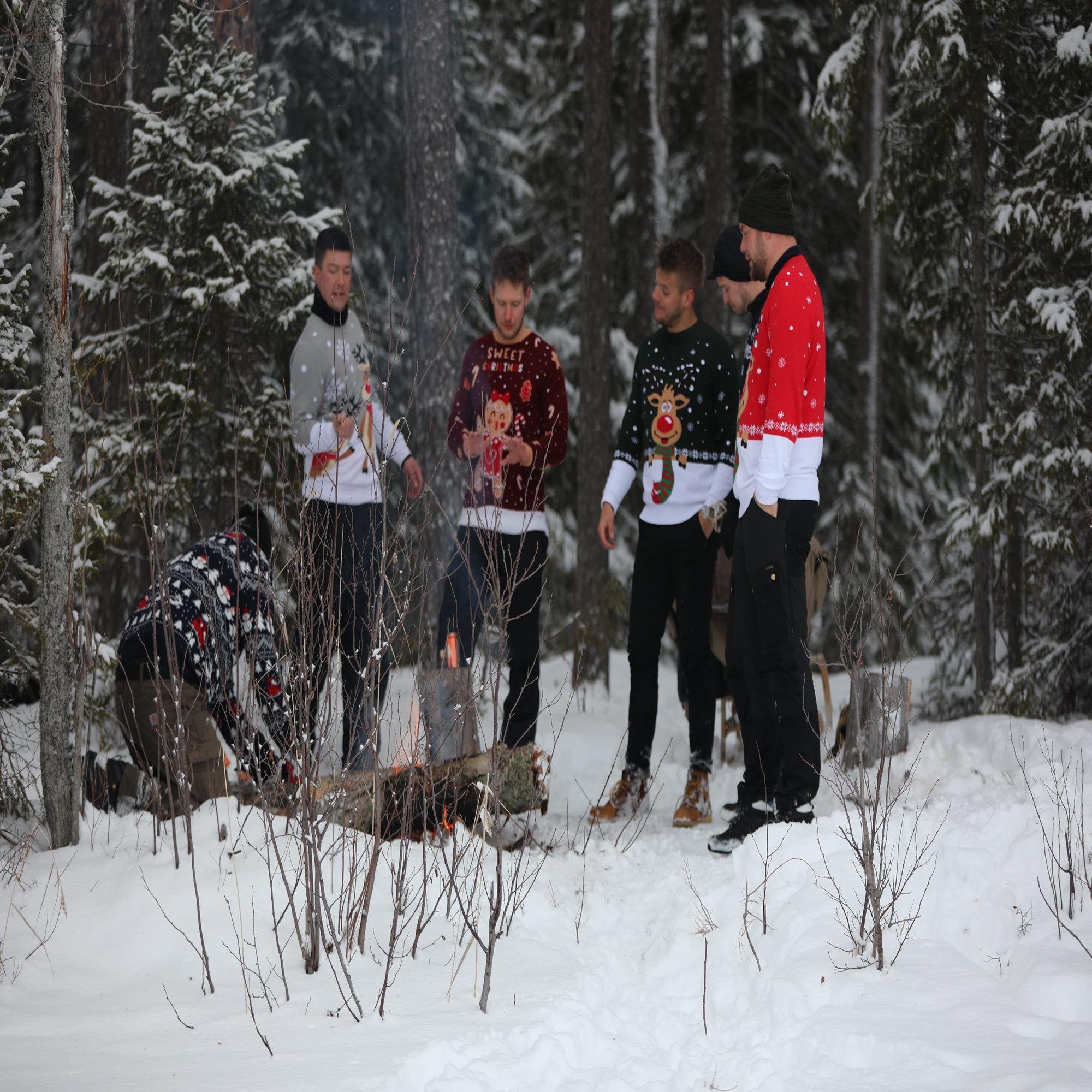
Practical tip for family planning: if you host gatherings for children, check options like kids christmas sweater and christmas pajamas to coordinate outfits for the last festive events. For office parties that run into January, a funny christmas sweater can be a lighthearted bridge between holiday and work routines. For general reference on seasonal apparel, see our selection of christmas sweater styles.
Official religious dates
The liturgical Christmas season commonly runs from 25 December until 6 January, when Epiphany marks the traditional end. Epiphany eve on 5 January is often the evening when households take down decorations, so many people treat that night as the practical closing moment. Churches and religious communities keep Epiphany as the formal endpoint, which means the period known as juletid spans these specific dates in the church calendar.
School and childcare timing
Municipal and local school calendars vary, but many schedules place the end of the winter break in the first days of January. Typical patterns include schools reopening and after-school programs resuming between 4 January and 6 January. After-school care often closes from 24 December and reopens in early January, which makes those first school days a clear administrative marker for many families.
Public holidays and workplace timing
Public holidays that shape the season include 25 and 26 December as official Christmas holidays and 1 January as New Year’s Day. Christmas Eve on 24 December commonly results in reduced business hours or early closures, even when it is not a statutory full holiday. Many workplaces return to normal operations after New Year, though exact return dates depend on employer policy and collective agreements, so the practical end of holiday routines can vary between organisations.
Quick calendar reference
- 24 December — Common early closures and start of many childcare shutdowns.
- 25–26 December — Official Christmas holidays and widespread public closures.
- 31 December — New Year’s Eve is a cultural milestone but not the formal liturgical end.
- 1 January — New Year’s Day, a public holiday that often delays workplace returns.
- 4–6 January — Typical window when schools and after-school care reopen; 5 January often used to take decorations down and 6 January is Epiphany.
Cultural variability and common practices
Families and workplaces choose different endpoints depending on convenience and tradition. Some remove decorations before New Year to prepare for work and school, while others wait until Epiphany to respect the liturgical calendar. For social planning, the emotional end of the season frequently lines up with the first workday or the first school day after the holidays rather than a single fixed date.
Wardrobe cues and practical note
If you need a simple wardrobe rule of thumb for seasonal clothing, consider three neutral markers: the liturgical date of 6 January, the first school day back, or the first workday after New Year. For the last family gatherings it can be useful to keep one festive item on hand; for example, a classic christmas sweater can serve as a lighthearted signal that the celebrations are winding down, and cosy christmas pajamas are handy for the nights between holidays and school reopenings. See the christmas sweater collection and browse matching christmas pajamas for easy outfit planning during the final festive days.
Frequently asked questions
Q: When does Christmas officially end?
A: In the Christian liturgical calendar the Christmas season ends on Epiphany, 6 January.
Q: Is Christmas over on New Year’s Eve?
A: New Year’s Eve is a cultural turning point for many but it is not the official liturgical end of the Christmas season.
Q: When should I take down the Christmas tree?
A: Tradition often points to Epiphany eve on 5 January or Epiphany on 6 January, though practical reasons lead many households to remove decorations earlier.
Q: When do schools and childcare typically reopen?
A: Municipal schedules commonly have children return in the first week of January; exact first school days vary between local authorities and should be checked on official school calendars.
Practical scenarios for ending Christmas
There are several gentle ways to decide when Christmas is over, and each one fits a different kind of household. For some the scent of pine and the warmth of the last knitted layers signal a gradual close. For others a calendar date or the first workday back marks the return to ordinary rhythm. Below are neutral scenarios to help you choose the marker that suits your life.
Families
Many families follow a simple pattern: keep decorations up through New Year’s, enjoy the sound of carols and the smell of baking, and take the tree down around 5 or 6 January. Some bring the final family gatherings into Epiphany evening, enjoying one last night in cosy clothes and a favourite Christmas sweater. Others remove decorations earlier to create a calm start to the new year. The key is to honor the household tradition and the small sensory moments, like the crackle of lights or the warmth from a soft knit.
Parents and childcare planners
When planning around municipal calendars, use the official school and SFO dates as your administrative guide. Many municipalities schedule reopenings in the first week of January, and that return often becomes the practical end of holiday mode for families. If you coordinate events or need to plan childcare, check local calendars and set a clear day for routines to resume so everyone knows when to pack away festive items and return to everyday schedules.
Employers and employees
Workplaces typically follow one of two patterns: short closures around public holidays or a longer company-wide pause until after New Year. Collective agreements and employer policies determine the exact return date. For many offices the season feels over when staff return and the hum of normal operations resumes. Keeping one lighthearted garment, such as a tasteful christmas sweater from the seasonal wardrobe, can ease the transition from festive to functional if your workplace hosts a casual first week back.
Religious communities
Churches and liturgical communities observe juletid through Epiphany on 6 January. The evening before is commonly chosen to take down decorations, which makes 5 January a meaningful practical moment for those following the church calendar. This timeline ties the sensory aspects of celebration, such as the lingering scent of evergreen and the hush after evening services, to a clear traditional end point.
Usable visual aids
Simple visuals can clarify the choices: a timeline from 24 December to 6 January showing holidays and reopenings, a checklist to decide your personal end date, and a short table of "Date, What it is, Typical effect" for families and workplaces. Note: These items help readers match the calendar to their own habits and create a calm, sensory-aware plan.
Wardrobe and small rituals
Keeping one festive item for the last gatherings helps extend the feeling of togetherness without overstaying the season. A favourite christmas sweater or soft christmas pajamas make those evenings by the tree feel complete. Avoid presenting garments as homemade. Instead, mention a purchased piece from your seasonal collection as part of the cosy ritual when you sip the final cup of spiced tea or listen to the last carols.
Frequently asked questions
When does Christmas officially end?
In the Christian liturgical calendar the Christmas season ends on Epiphany, 6 January.
Is Christmas over on New Year’s Eve?
New Year’s Eve is a strong cultural turning point for many but it is not the formal liturgical end of the season.
When should I take down the Christmas tree?
Tradition often recommends Epiphany eve on 5 January or Epiphany on 6 January, though practical reasons lead many households to remove decorations earlier.
When do schools and childcare typically reopen?
Municipal calendars commonly have schools and after-school care reopen in the first days of January; exact dates vary by locality and should be checked on official municipal pages.
Do workplaces treat the end of Christmas the same as families?
No single rule applies. Many workplaces consider the season over when employees return after New Year, but employer policies and collective agreements determine the exact arrangements.
If you want a small, practical touch to bridge holidays and routines, browse the christmas sweater collection for tasteful pieces that add warmth to the final festive evenings.
Also view
15 January 2026
Picture a small family movie night by the tree: soft lights, low conversation and a stack of options for christmas movie recommendatio...