


27 November 2025
Where does Christmas come from?

Where does Christmas come from? The short answer is layered: linguistic roots, northern midwinter rites, Roman December celebrations, and later Christian adaptation all played a part in shaping what we call Christmas today.
Origins and names
Christmas appears under many names across Europe—Christmas, Noël, Weihnachten, Jul—and each label points to different continuities. In the English-speaking world the name derives from the church celebration of Christ’s mass, while Jul and related forms preserve older Germanic terms for midwinter feasting. That mixture of liturgy and older vernacular practice is part of why winter festival customs converged over centuries rather than arising from a single event.
What this post covers
This first installment maps the ground: etymology and early word-forms, pre-Christian midwinter rites in northern and Mediterranean contexts, how Christian communities adopted winter feast days, and the distinct regional paths that left us with varied names and customs. You will also get a quick preview of timelines from ancient Germanic Yule through Roman December rites to fourth-century Christian dating and medieval northern reforms.
Why the story matters
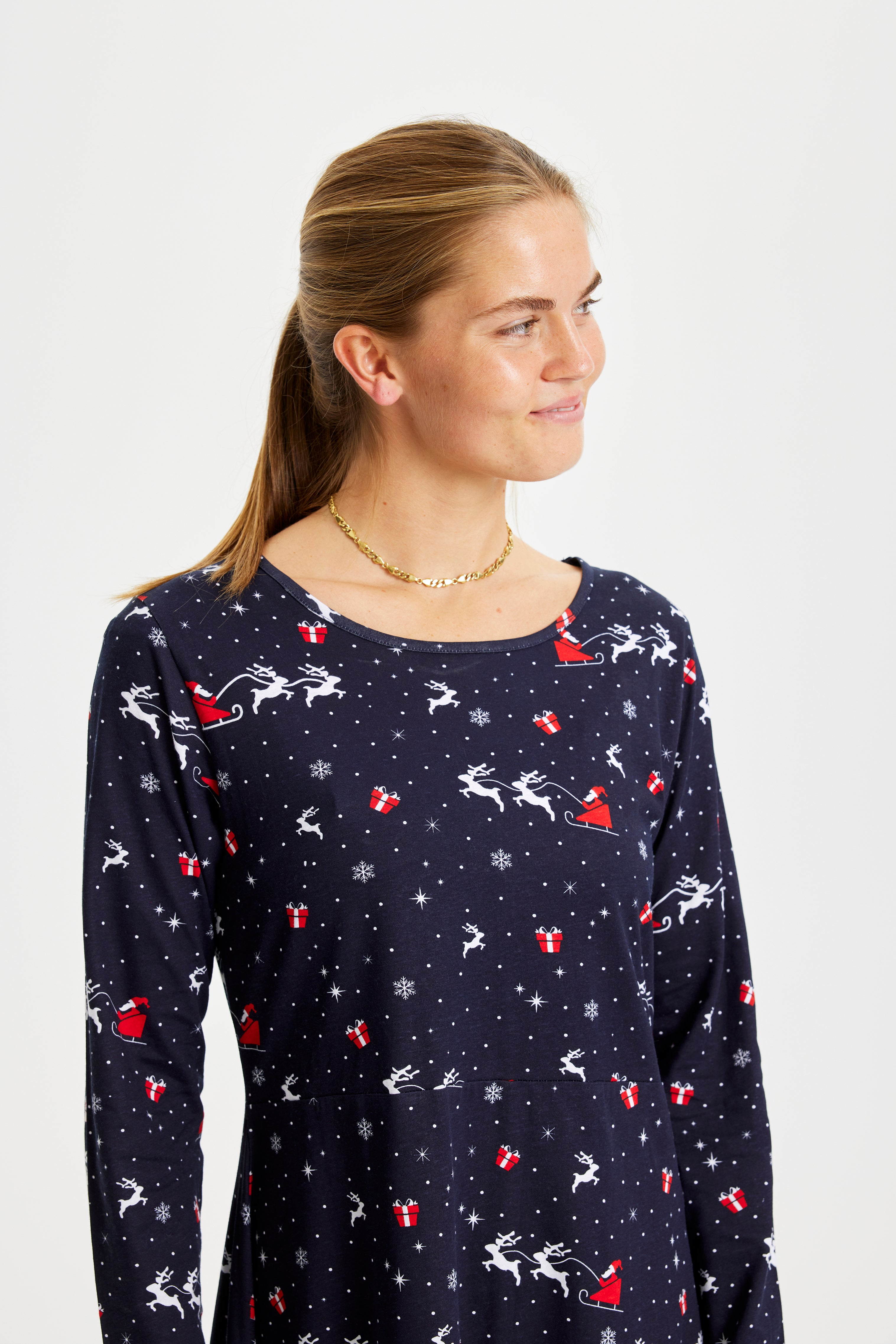
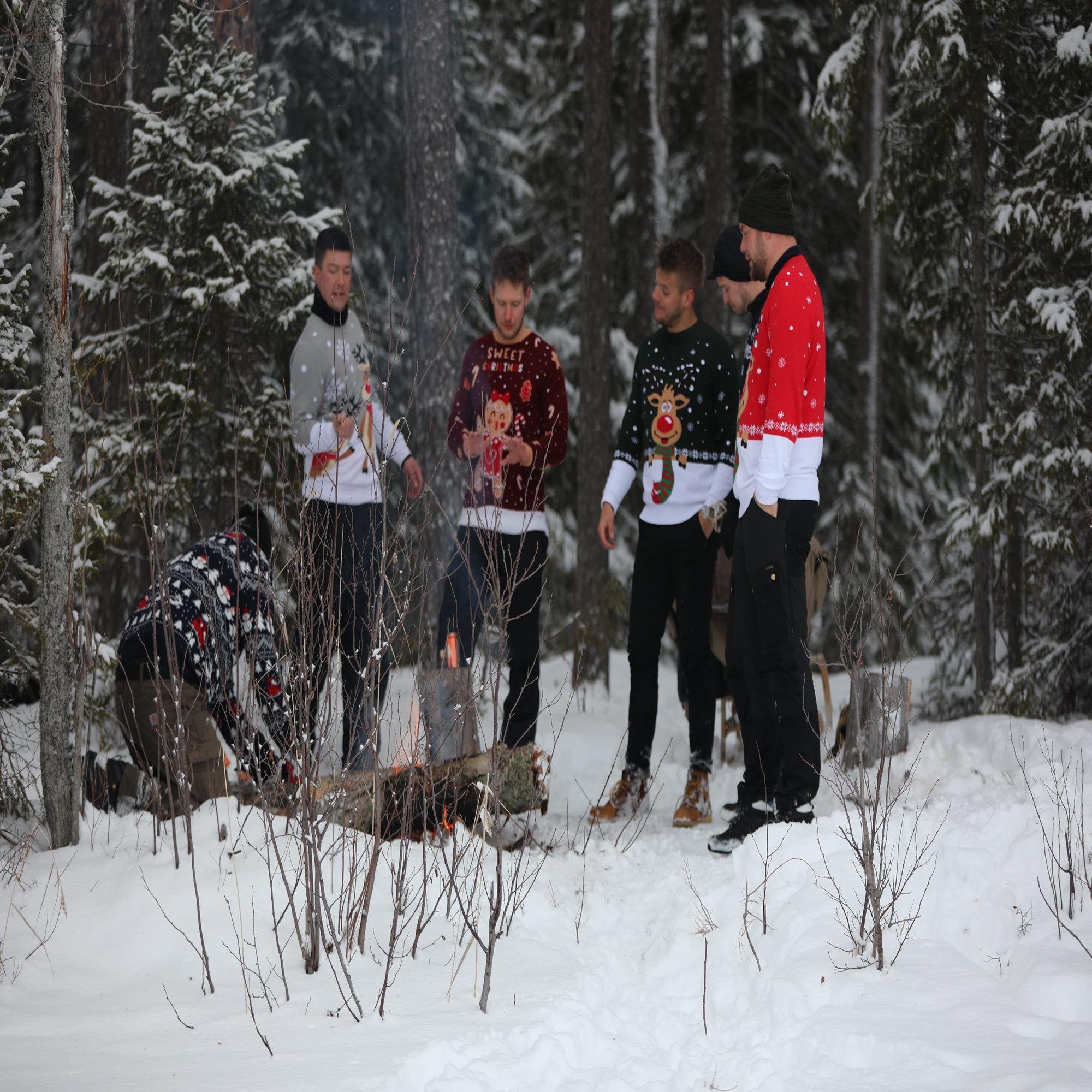
Understanding the mixed origins helps explain familiar traditions you see every year: communal feasting and gift-giving have deeper precedents than any single religion, while decorative use of evergreens and the rise of seasonal figures reflect layered cultural borrowing. The wardrobe of the season is part of that story too: from historic winter garments to the playful outfits people choose now, such as a classic Christmas sweater or the seasonal craze for an ugly christmas sweater at family parties. If you want more contemporary angles, see options for sustainable christmas sweater styles and kids christmas sweater designs for matching family looks.
Timelines to follow
Subsequent sections will walk through early attestations of Germanic terms, Roman festivals like Saturnalia and Sol Invictus, the fourth-century emergence of a December birth feast in Christian texts, and regional medieval developments that shaped how communities marked midwinter. Along the way you’ll see how rituals, language, and clothing fused into the festival many recognize today.
Etymology and early attestations
The linguistic trail offers concrete anchors for where the festival name comes from. Early Germanic sources show forms related to jiuleis and similar stems recorded by late antique writers, and Old Norse and Old English preserved the words jól and geōl for midwinter celebration. The English compound Christmas developed from Middle English Cristemesse, literally Christ’s mass, and appears in medieval church records as the liturgical label for the feast of the Nativity. These parallel word-histories help explain why Jul survived as a vernacular label across Scandinavia while English shifted to the church-derived name.
Pagan midwinter rites and communal practice
Evidence from saga literature, skaldic verse, and early chronicles points to robust midwinter feasting in northern societies. Feasts often combined food and drink with ritualized gatherings that bound communities and marked the darkest season. Some texts associate those gatherings with figures resembling Odin in motifs such as ritual rides and gift-bringing, though scholars debate how directly mythic motifs relate to ordinary household customs. The academic discussion typically distinguishes between interpretations that see these gatherings as solstice celebrations, fertility rites, or broadly defined communal feasts; surviving sources admit multiple readings.
Roman precedents in December
Across the Mediterranean December festivals also shaped the seasonal landscape. Saturnalia is well documented as a Roman period of feasting, role reversal, and gift exchange that softened social strictures for a few days. The late Roman cult of Sol Invictus and the prominent observance on December 25 are part of the conversation among historians trying to trace why a December date was adopted for the Christian feast of the Nativity. Some scholars argue for direct borrowing of a popular date, while others emphasize independent theological dating methods that coincidentally fell in late December.
Christian adaptation and institutional adoption
From the fourth century onward, Christian communities began to mark a festival for the birth of Jesus; liturgical calendars and episcopal writings provide the earliest firm attestations. Rather than simple eradication of older customs, a pattern of reinterpretation and selective incorporation appears: preexisting feasting traditions were often reinterpreted within a Christian framework, and symbols or practices were retained with new meanings. In northern Europe this process played out unevenly, with some rulers and bishops attempting to align local practice with church observance while popular customs persisted in vernacular form.
Regional persistence and naming differences
The survival of Jul as a common name in Scandinavia reflects linguistic continuity and the way local seasonal practice remained strong even after Christianization. Conversely, in many English-speaking areas ecclesiastical terminology gained dominance, producing the widespread use of Christmas. Continental languages developed forms such as Weihnachten and Noël that highlight the nativity theme while absorbing older, local expressions for midwinter communal life. These divergent paths explain why the festival today wears different names but shares many core elements.
Customs with layered origins
Several customary elements have traceable antecedents across cultural spheres: communal feasting and seasonal drink come from long-standing midwinter gatherings; gift-giving shows echoes of Roman practices and later Christian charity and saint legends; and the use of evergreens as decoration appears in various symbolic registers tied to winter continuity. Modern clothing and festive garments operate as a living continuation of seasonal display, a social habit that now includes playful garments as well as traditional winter wear. If you want to see how contemporary apparel reflects that continuity, take a look at options for womens christmas sweater and mens christmas sweater for examples of how the past and present meet on the wardrobe level.
Medieval developments and local traditions
As church calendars settled in the medieval centuries, seasonal observance became more structured. Monasteries and cathedrals set the rhythm of liturgical days, and that structure influenced how people timed feasts, fasts and public gatherings. Local magistrates and bishops sometimes tried to standardize celebrations, yet many village-level customs remained stubbornly familiar. In Norway and England, for example, royal edicts touched the date and form of celebration, while household habits of feasting and storytelling continued in the long nights.
The medieval scene smells of smoke from hearths, the sweetness of spiced preserves and the low murmur of carols in a chapel. These sensory details mattered because traditions were lived in kitchens and halls as much as in churches. Over time, the figure-based gift-bringers we know today began to take shape. The cult of St. Nicholas and other local saints provided one strand, while local winter characters and market customs supplied others. The result was a gradual diffusion across regions rather than a single invention of a new figure.
From print to parlor: nineteenth and twentieth century shifts
The nineteenth century brought a new kind of mixing. Print culture, illustrated periodicals and the rise of domestic Christmas practices turned private habits into public fashions. The image of a decorated tree moved from a few noble houses into wider visibility. Novels and seasonal songs invoked cozy rooms, the scent of pine and the warmth of knitted garments, and those images travelled across borders. In the twentieth century visual media and mass retail accelerated convergence of certain symbols, but local variants survived and adapted. The sound of a familiar carol can still feel different in a northern parish than it does in a continental market.
Clothing became part of that domestic language of celebration. Putting on a Christmas sweater or slipping into festive pajamas is a modern echo of older displays of seasonal finery. The act of dressing for a feast reinforces belonging, whether the garment is a smart party sweater or soft Christmas pajamas for an evening of music and baking. If you prefer a classic knit or a sustainable option, explore a womens christmas sweater for a tactile link to that tradition, or choose cosy sleepwear with festive prints like the range of christmas pajamas for slow evenings by the tree.
Global spread and local adaptations
As the festival moved beyond Europe in the modern era, it absorbed new ingredients from different climates and cultures. In warmer places, evergreens were replaced by native plants, and local foods took the place of roast meats found in northern feasts. The tune of a carol might be the same, but the spices, decorations and the timing of gatherings changed. This adaptability is part of why Christmas feels both familiar and freshly local in many parts of the world.
What remains constant is the accumulation of layers. A modern celebration carries traces of Germanic midwinter feasting, Roman seasonal practices, Christian liturgy and later cultural inventions. The festival’s sensory palette—the smell of pine, the warmth of knitwear, the crackle of fireside conversation—keeps older patterns alive in a new register.
Frequently asked questions
Where does the word Christmas come from?
The term comes from Middle English Cristemesse, literally Christ’s mass, attested in medieval church records as the liturgical name for the Nativity feast.
What does Yule or Jul mean and where does it come from?
Yule and Jul derive from early Germanic forms such as jiuleis and Old Norse jól, which appear in medieval sources linked to midwinter feasting and seasonal observance.
Did Christmas replace pagan festivals?
Evidence points to adaptation rather than replacement. Christian observance often incorporated preexisting midwinter traditions and gave them new meanings within a Christian framework.
Why is Christmas dated on December 25?
December 25 appears in fourth-century Christian sources. Scholars debate whether the date reflects theological calculations or an alignment with Roman solar festivals such as Sol Invictus.
How did Nordic countries keep the word Jul while other places use Christmas?
Strong vernacular continuity in Scandinavia allowed the older term to persist. In English-speaking areas ecclesiastical terminology became dominant and produced the term Christmas.
Where did customs like the tree and gift-giving originate?
Decorative use of evergreens and indoor seasonal display predates Christianity in parts of Europe, while gift-giving reflects a mix of Roman customs and later Christian saint traditions, blended over centuries.
Is Christmas primarily a Christian holiday today?
Its origins are Christian, but the modern festival includes many secular and pre-Christian elements; the degree of religious observance varies by culture and individual practice.
Who is Santa Claus and how did that figure develop?
The modern Santa combines aspects of St. Nicholas, regional gift-bringer figures and later commercial and literary inventions; the image evolved gradually over several centuries.
What are the main scholarly disagreements about Christmas origins?
Debates focus on the weight of Roman solar influences versus Germanic midwinter traditions and on how directly modern customs can be traced to specific ancient practices.
Also view
15 January 2026
Picture a small family movie night by the tree: soft lights, low conversation and a stack of options for christmas movie recommendatio...